Like
Share
멍실장
강아지 임신 증상과 관리

What Are the Signs of Dog Pregnancy? A Summary of Stage-by-Stage Changes and Key Prenatal Care

ImmunityQ&AMeongsiljang Veterinary Advisory Board

We’ve compiled the essential information every pet owner should know, including week-by-week changes in pregnancy symptoms, nutritional care, and preparation for delivery.

How Can You Tell If Your Dog Is Pregnant?

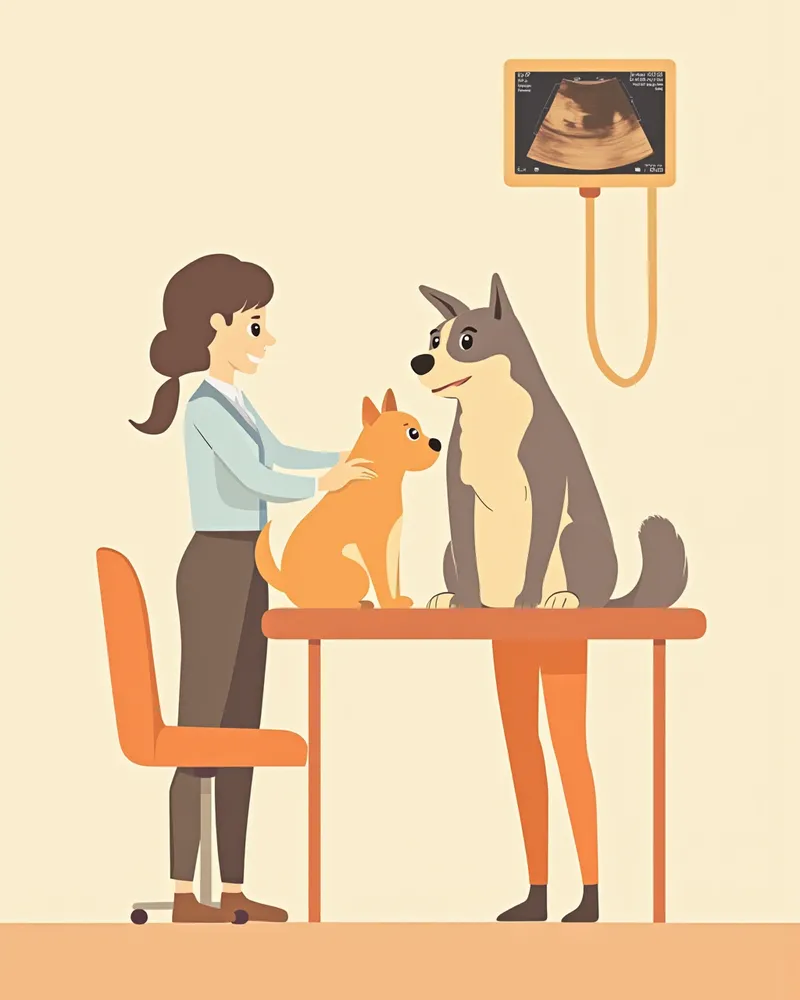
A pregnant puppy undergoing an ultrasound examination at the animal hospital.
A dog’s pregnancy is a reproductive process that lasts an average of 63 to 65 days (about 9 weeks) after mating, during which the fertilized egg implants and the fetus grows until birth. What’s truly important is that there are very few visible changes in the early stages, making it difficult for owners to notice. The most accurate way to confirm pregnancy is through an ultrasound examination at a veterinary clinic around 3 to 4 weeks after mating. By familiarizing yourself with the week-by-week changes and proper nutritional care in advance, you can safely prepare for a healthy delivery.

Week-by-Week Changes in Pregnancy Symptoms

A dog’s pregnancy is generally divided into early, middle, and late stages. Knowing the week-by-week changes helps you spot any abnormalities quickly. Weeks 1–3 (Early stage): There are few visible physical changes. Some dogs may experience a drop in appetite or vomiting, similar to morning sickness. Weeks 4–5 (Middle stage): The abdomen begins to swell slightly, and the mammary glands (nipples) enlarge and turn pink. Body weight gradually increases. Weeks 6–7 (Late stage): The abdomen becomes noticeably larger, and you may feel fetal movement. This is a period of significantly increased appetite. Weeks 8–9 (Just before birth): Milk production begins, and body temperature drops below 37°C (98.6°F) 12–24 hours before delivery.

At-a-Glance: Key Changes by Week of Pregnancy

Take a quick look at the key weekly changes in the table below.
WeekPhysical ChangesBehavioral ChangesCheckpoints
1–3 weeksAlmost nonePossible decreased appetite and vomitingUltrasound examination (after week 3)
4–5 weeksSwollen abdomen, mammary gland changesDecreased activity levelBegin nutritional supplementation
6–7 weeksAbdomen noticeably enlargedNesting behaviorX-ray (to confirm number of fetuses)
8–9 weeksMilk secretion, abdomen at maximum sizeRestlessness and anxietyMonitor body temperature, prepare for delivery

Methods to Confirm Pregnancy

To accurately confirm your dog’s pregnancy, a veterinary examination is essential.
Ultrasound: Fetal heartbeats can be detected 25–30 days after mating. This is the fastest and safest method.
Palpation: An experienced veterinarian can feel the fetal sacs by gently palpating the abdomen between 28 and 35 days post-mating. Accuracy may be reduced in overweight or anxious dogs.
X-ray: Fetal skeletons become visible after 45 days of gestation. This is useful for determining the exact number of puppies before whelping.
Relaxin Hormone Test: Blood tests can confirm pregnancy starting 20–21 days after mating. This test is also helpful in distinguishing true pregnancy from pseudopregnancy.
A veterinarian performing an ultrasound examination on a pregnant dog.

Go to the Vet Immediately If You See These Symptoms

Vaginal bleeding (green or black discharge) during pregnancy, a high fever above 39.5°C, vomiting or loss of appetite lasting more than two days, and severe lethargy may signal miscarriage or uterine infection. Additionally, if labor has not started past the due date, or if the mother is straining intensely during labor but no puppy is delivered within 20 minutes, these are signs of dystocia. In such cases, do not delay and seek emergency veterinary care immediately.

Nutritional Care During Pregnancy

Proper nutrition during pregnancy is key to a healthy delivery. According to veterinary nutrition textbooks, it’s important to maintain the regular diet during early pregnancy (weeks 1–4) while avoiding overfeeding.
After week 5: This is when the fetuses grow rapidly. Gradually transition to a high-protein, high-calorie diet (such as a pregnancy/lactation-specific or puppy formula).
Feeding amount: Increase the daily ration by 25–50% above the normal amount as the due date approaches. For large breeds or multiple pregnancies, it’s best to offer smaller, more frequent meals.
Supplement caution: If your dog is already eating a pregnancy/lactation-specific diet, additional supplements are unnecessary. Excessive calcium supplementation can increase the risk of postpartum hypocalcemia (eclampsia).
A pregnant puppy eating healthy food

Preparing for Birth and the Whelping Process

Start preparing the birthing environment 1 to 2 weeks before the expected due date.
Whelping box: Set up a sufficiently large box in a quiet, warm area. Line it with clean towels or pads, and allow the mother to become familiar with it in advance.
Temperature monitoring: Rectal temperature typically drops to 37°C or below 12 to 24 hours before delivery. As the due date approaches, check her temperature twice daily.
Normal labor: It can take up to 2 to 4 hours for the first puppy to be born, with subsequent puppies usually arriving at intervals of 30 minutes to 2 hours. It is a natural process for the mother to tear the amniotic sac and sever the umbilical cord herself.
Placenta check: Ensure that a placenta has been expelled for each puppy. Retained placentas pose a risk of infection.
A mother dog with her newborn puppies in a whelping box

Precautions for Medication and Vaccine Use During Pregnancy

During pregnancy, certain dewormers, antibiotics, and vaccines can affect the developing fetus. Live vaccines (modified live virus vaccines) are especially risky because they can cause fetal malformations, so they should not be administered during pregnancy. The safest approach is to complete all vaccinations and deworming before breeding. If medication is needed during pregnancy, always consult your veterinarian first.

Reviewed by a veterinarian

Dr. Tony — Punnawat Phongkittirak

Dr. Tony — Punnawat Phongkittirak

Veterinarian

A veterinarian who majored in veterinary medicine at Khon Kaen University, Thailand, and completed the IVSA program at North Carolina State University in the United States. Drawing on clinical experience at animal hospitals, he works in the pet healthcare field and is dedicated to building a digital care environment that connects pet parents with veterinarians.

Frequently Asked Questions

How many days is a dog’s gestation period exactly?
The average gestation period is 63 to 65 days from the date of mating. However, a range of 60 to 70 days is considered normal. If there are no signs of labor after 70 days, please consult your veterinarian.
Is it okay to walk a pregnant dog?
Light walks are recommended throughout pregnancy. However, please avoid strenuous exercise, jumping, or activities like chasing balls. During the week leading up to delivery, it's best to stick to short, slow walks.
How can you tell the difference between a false pregnancy (pseudopregnancy) and a real pregnancy in dogs?
Pseudopregnancy can present with similar symptoms, such as mammary gland development, abdominal distension, and nesting behavior. A definitive diagnosis can only be made through veterinary examination. Blood tests for the hormone relaxin can be performed from 20 to 21 days after mating, while ultrasound examinations are most accurate around 25 to 30 days post-mating.
Should the owner assist directly during the birthing process?
Most dogs deliver their puppies without assistance. As the owner, quietly observe and count the number of placentas. Contact your veterinarian immediately if no puppy is born within 20 minutes of strong contractions or if the mother appears to be in extreme distress.
Is it safe to bathe my pet while she’s pregnant?
A gentle bath is fine, but avoid pressing on the belly or bathing in slippery areas. It's best to refrain from bathing starting one week before the expected delivery date to minimize stress.

Share

Related Guides

References

[1] Hill P, Warman S, Shawcross G. 100 Top Consultations in Small Animal General Practice. Blackwell Publishing, 2011. Chapter 71: Pregnancy and whelping.

[2] Applied Veterinary Clinical Nutrition, 2nd Edition. Chapter: Feeding the Gestating and Lactating Dog.

[3] National Research Council. Nutrient Requirements of Dogs and Cats. National Academies Press, 2006. Chapter: Nutrient Requirements and Dietary Concentrations.

[4] Serrano LE et al. Potassium deficiency in the pregnant bitch. 1964.

This information is based on veterinary literature and does not replace diagnosis or treatment. Please consult a veterinarian for specific health concerns.

Metapet Co., Ltd. | CEO: Park Sung-yong | Business Reg. No. 417-88-02562 | Seoul, South Korea | Customer Center

Dog Pregnancy Signs: Stage-by-Stage Changes and Care | Meongsiljang