Like
Share
멍실장
강아지 기흉 자주 묻는 질문 Q&A — 보호자가 꼭 알아야 할 핵심

Canine Pneumothorax FAQ — Essential Information for Pet Owners

RespiratoryQ&AMeongsiljang Veterinary Advisory Board

Canine pneumothorax is an emergency condition in which air enters the chest cavity, making breathing difficult. We’ve compiled the essential information pet owners need to know in a Q&A format.

What is Canine Pneumothorax?
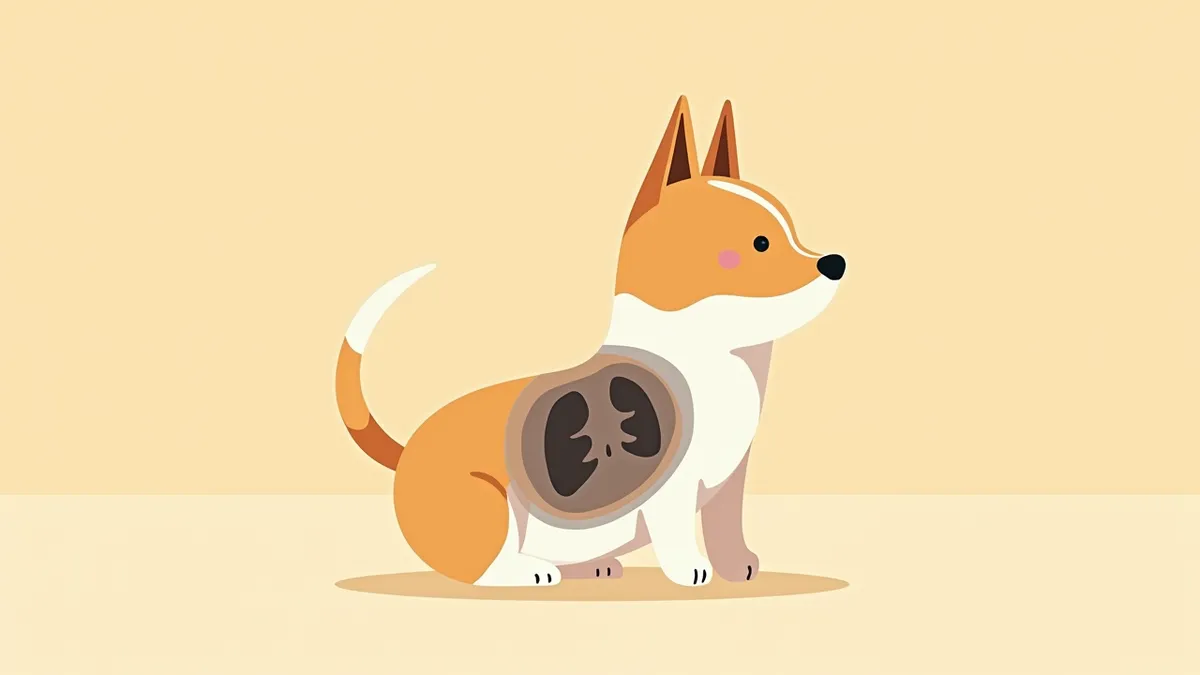
Chest X-ray image of a dog with pneumothorax
Canine pneumothorax is an emergency condition in which air enters the chest cavity surrounding the lungs, compressing the lungs and making breathing difficult. - Causes of pneumothorax: Trauma, rupture of lung blebs, and chest wall injuries are the main causes. When air pushes against the lungs, oxygen supply decreases, which can lead to a serious condition. - Risks of pneumothorax: Without immediate treatment, it can result in hypoxia, impaired heart function, and even death. - Symptoms of pneumothorax: Sudden difficulty breathing, open-mouth breathing, and blue-tinged lips are common signs. - Need for treatment: Because this is an emergency, it is important to visit a veterinary clinic as soon as possible. Early diagnosis and treatment improve survival rates.

What are the Main Causes of Pneumothorax?

The primary cause of pneumothorax in dogs is trauma. Accidents such as being hit by a car, falling from a height, or sustaining blunt force can damage the lungs or chest wall, allowing air to leak into the pleural cavity. - Spontaneous pneumothorax: Even without trauma, air can leak into the pleural cavity if blebs or bullae on the lung surface rupture. - Genetic factors: While some dogs may experience recurrent spontaneous pneumothorax, veterinary textbooks primarily attribute the cause to the rupture of blebs or bullae rather than genetics. Parasitic infections, infectious diseases, and neoplastic conditions can also be underlying causes. - Risk factors for pneumothorax: Dogs with pre-existing lung diseases may be more susceptible to secondary spontaneous pneumothorax. - The importance of prevention: Preventing trauma and maintaining overall health are key to avoiding recurrence.
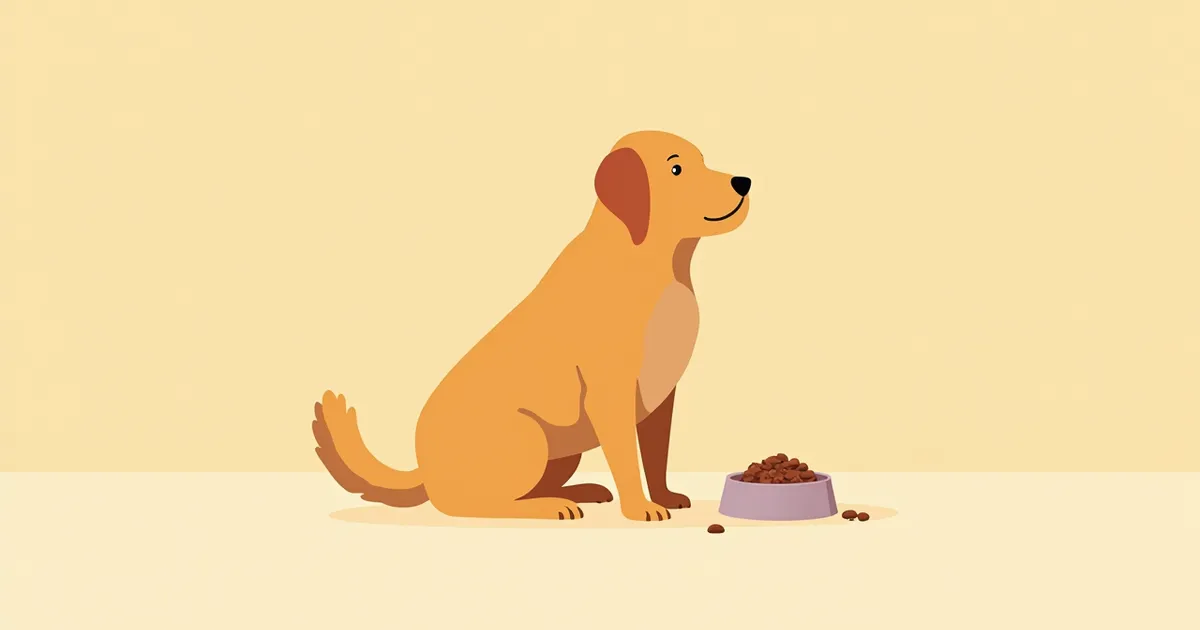
Causes of pneumothorax: trauma and chest wall injuries

What are the Main Symptoms of Pneumothorax?

The primary symptom of pneumothorax in dogs is sudden difficulty breathing. You may notice your dog panting, breathing with its mouth open, or experiencing irregular chest expansion. - Blue discoloration of the lips or tongue: This is a sign of insufficient oxygen supply. - Decreased activity level: Your dog may struggle to walk or even collapse. - Restless behavior: Difficulty breathing can cause restlessness, lethargy, or depression, and may be accompanied by coughing or vomiting. - Immediate action required: If these symptoms appear, it is crucial to visit a veterinary clinic as soon as possible. Delaying treatment can become life-threatening.
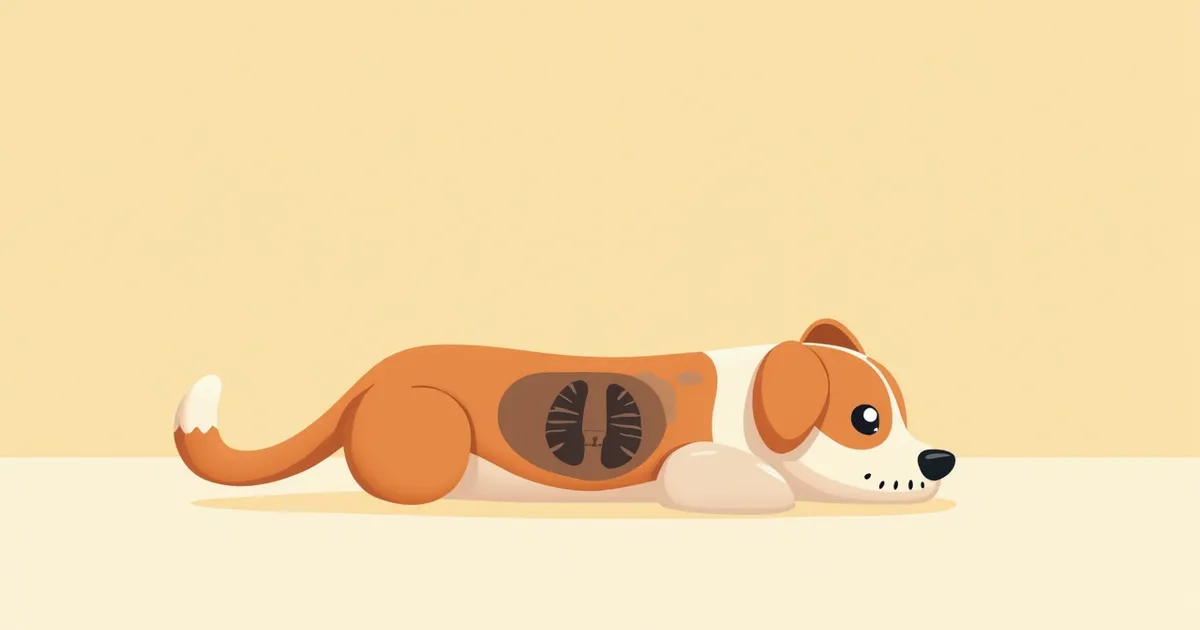
Image showing symptoms of pneumothorax: difficulty breathing and cyanosis

Signs Requiring Immediate Veterinary Visit

If your dog suddenly starts breathing heavily, pants with its mouth open, or has blue-tinged lips, seek veterinary care immediately. These signs indicate that the lungs are being compressed and oxygen supply is compromised, making early treatment essential. Delaying care can lead to serious complications or even death, so it’s crucial to have your dog examined by a veterinarian as soon as possible.

Symptoms and Responses by Severity of Pneumothorax

ItemMildModerateSevere
Breathing statusSlightly short of breath, difficulty walkingSeverely short of breath, starting to breathe with mouth openDifficulty breathing, may collapse
Lip colorNormal or slightly redReddish with a bluish tingeTurns cyanotic (blue)
Emergency responseVisit hospital as soon as possibleVisit hospital as soon as possibleVisit emergency room, immediate treatment needed

Pneumothorax progresses rapidly, so quick action when symptoms worsen can save a life.

Diagnosis and Treatment of Pneumothorax
A pneumothorax is accurately diagnosed using a chest X-ray. The presence of air accumulation around the lungs confirms the diagnosis. - Importance of Diagnosis: Early diagnosis increases the success rate of treatment. - Treatment Option 1: Air is removed via thoracentesis (needle aspiration of the chest cavity). - Treatment Option 2: A chest tube is inserted to continuously drain the air. - Severe Cases: Surgical intervention may be required to remove the affected lung lobe. - Post-Treatment Care: Careful management is essential to allow the lung to re-expand. Please strictly follow your veterinarian’s instructions to ensure a speedy recovery.
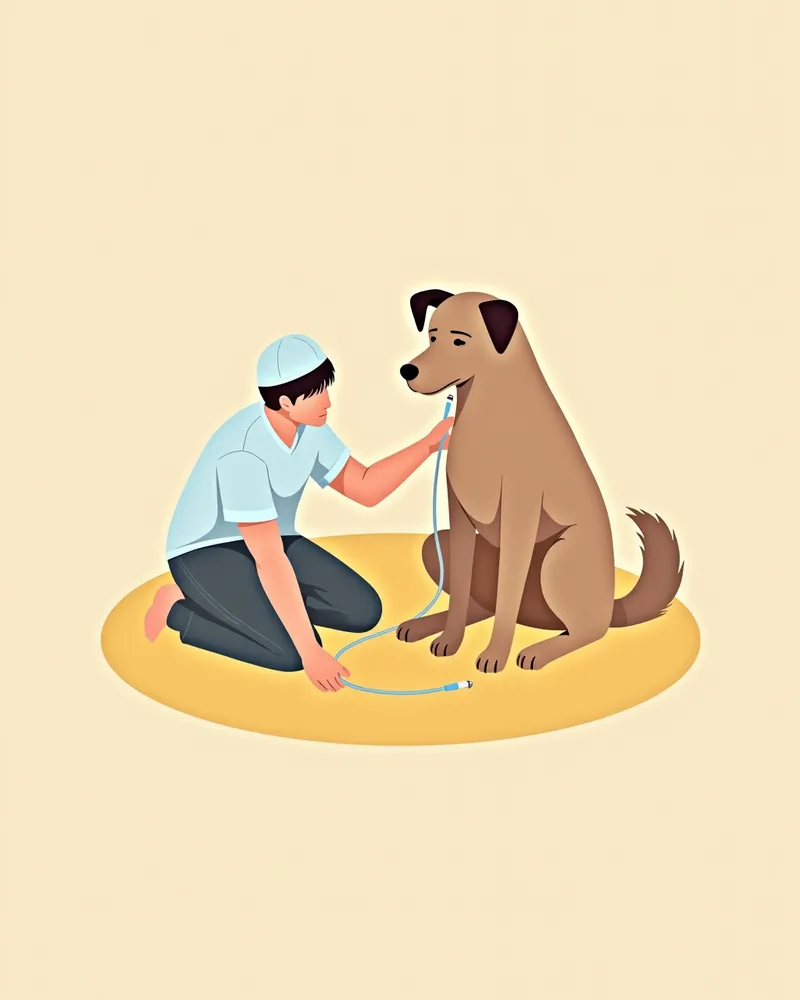
Image of chest tube insertion for pneumothorax treatment

Post-Treatment Care and Recovery Points

After pneumothorax treatment, thorough care is essential to allow the lungs to fully recover. - Activity restriction: Limit your pet’s activity for an appropriate period after treatment, and avoid excessive exercise or stress. - Minimize stress: Prevent environmental changes, loud noises, and conflicts with other animals. - Medication administration: Administer prescribed medications, such as antibiotics and pain relievers, exactly as directed by your veterinarian. - Regular check-ups: It is important to consult with your veterinarian during recovery and undergo examinations when necessary. - Prevention of recurrence: Preventing trauma and maintaining healthy habits are key. Preserving lung function is crucial.
Image of a stable condition in a puppy recovering from pneumothorax

Preventing Recurrence and Precautions

Dogs that have experienced a pneumothorax are at high risk of recurrence. Since the lungs can become weakened even without trauma, it is important to avoid situations where the dog might fall from heights or suffer impacts. Additionally, caution is advised for breeds prone to lung diseases.

Reviewed by a veterinarian

Dr. Tony — Punnawat Phongkittirak

Dr. Tony — Punnawat Phongkittirak

Veterinarian

A veterinarian who majored in veterinary medicine at Khon Kaen University, Thailand, and completed the IVSA program at North Carolina State University in the United States. Drawing on clinical experience at animal hospitals, he works in the pet healthcare field and is dedicated to building a digital care environment that connects pet parents with veterinarians.

Frequently Asked Questions

Is pneumothorax treatable?
Yes, in most cases, removing the air through thoracentesis or placing a drainage tube will restore normal breathing. With early treatment, a full recovery is possible.
Can pneumothorax recur?
Yes, especially after trauma or when there are air bubbles in the lungs, there is a possibility of recurrence. It is important to identify the cause and take preventive measures.
Which dog breeds are more prone to developing a pneumothorax?
It occurs more commonly in puppies prone to lung blebs or bullae, or those at higher risk of trauma, rather than in specific breeds. Textbooks note that dogs are the species most often affected by primary spontaneous pneumothorax.
What should I do at home if my pet develops a pneumothorax?
There’s nothing you can do at home. You need to go to the vet immediately. While providing oxygen can help if your pet is having trouble breathing, professional treatment is essential.
How much does it cost to treat a pneumothorax?
Treatment costs vary depending on whether thoracentesis, chest tube placement, and hospitalization are required. Since expenses can reach several tens of thousands of dollars, we recommend considering pet insurance.

Share

Related Guides

References

[1] Plumb's Veterinary Drug Handbook, 9th Edition, 2022

[2] Clinical Medicine of the Dog and Cat, 4th Edition, 2020

[3] Veterinary Emergency and Critical Care Medicine, 2nd Edition, 2019

This information is based on veterinary literature and does not replace diagnosis or treatment. Please consult a veterinarian for specific health concerns.

Metapet Co., Ltd. | CEO: Park Sung-yong | Business Reg. No. 417-88-02562 | Seoul, South Korea | Customer Center

Canine Pneumothorax FAQ: Essential Info for Pet Owners | Meongsiljang