
BARF Raw Diet Guide
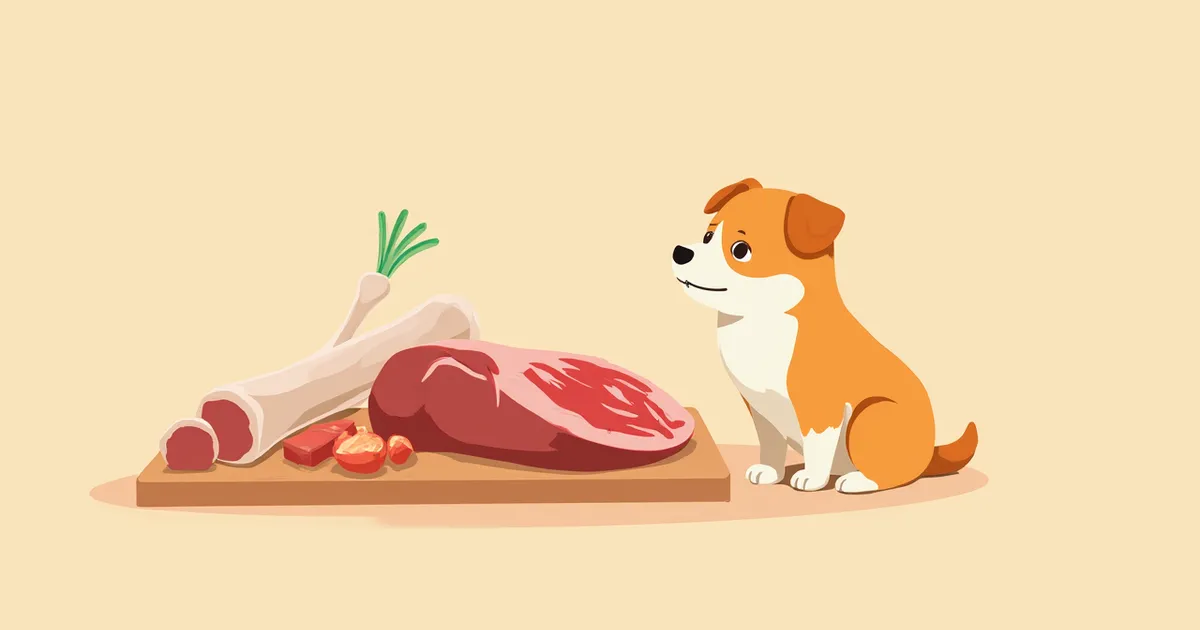
BARF is a raw diet for dogs that consists of raw meat, bones, organs, and vegetables. While it can offer benefits when nutritional balance and hygiene are properly maintained, there are significant risks of bacterial infection and nutritional imbalances, so be sure to consult your veterinarian before starting this diet.
What is the BARF Raw Diet?

Basic Composition Principles of the BARF Diet
BARF vs. Regular Kibble Comparison
| Item | BARF raw diet | Dry food | Wet food |
|---|---|---|---|
| Moisture content | about 70% | about 10% | about 75% |
| Automatic nutritional balance guarantee | False | True | True |
| Bacterial contamination risk | High | Low | Low |
| Storage convenience | Freezing required | Room temperature OK | Refrigeration required (after opening) |
| Cost | High | Medium | Medium–high |
| Prep time | Long | Short | Short |
Nutritional balance depends on the owner's recipe design and whether supplements are used.
Major Risks of BARF
Dogs Who Should Not Be on BARF
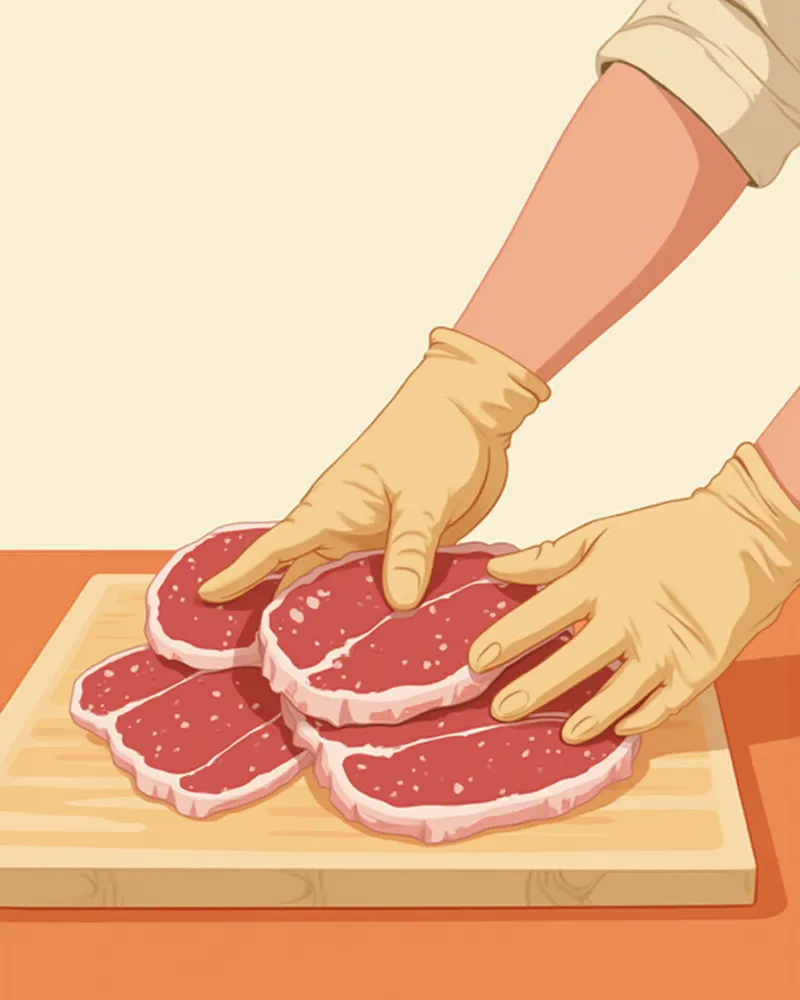
Dogs taking immunosuppressants or undergoing cancer therapy have significantly compromised immune systems due to both their underlying conditions and treatments, making bacterial and parasitic infections from raw diets potentially life-threatening. Dogs with pre-existing health conditions face increased risks of nutritional imbalances and infections from raw feeding, so it is essential to consult your veterinarian beforehand. We do not recommend raw diets for puppies under 12 months of age, as nutritional imbalances during this growth period have been linked to abnormal bone development. Additionally, households with young children (under 5 years old), pregnant individuals, or immunocompromised persons should avoid raw diets due to the heightened risk of bacterial infection. Always consult your veterinarian first.
Principles to Follow When Feeding Bones
BARF Transition Method and Hygiene Management
Nutritional Design Is Essential for Homemade Diets
Homemade BARF diets should be based on recipes designed by veterinarians specializing in nutrition or certified animal nutritionists. Simply following ratios found online can lead to long-term issues such as calcium and vitamin deficiencies, as well as zinc and iodine shortages. Puppies, senior dogs, and dogs with specific health conditions require individually tailored meal plans.
Reviewed by a veterinarian

Dr. Tony — Punnawat Phongkittirak
VeterinarianA veterinarian who majored in veterinary medicine at Khon Kaen University, Thailand, and completed the IVSA program at North Carolina State University in the United States. Drawing on clinical experience at animal hospitals, he works in the pet healthcare field and is dedicated to building a digital care environment that connects pet parents with veterinarians.
Reviewed 2026-04-27
Frequently Asked Questions
Is BARF really healthier than commercial pet food?
Does feeding a BARF diet really eliminate tartar?
Will freezing meat kill parasites?
Are there any raw ingredients that should never be given to dogs?
My dog is on a BARF diet and has diarrhea. What should I do?
Share
Related Guides

My Senior Cat Won’t Eat — A Complete Guide to Choosing Food for Cats with Weak Digestion

Top 5 Prescription Diets for Feline Pancreatitis Recommended by Veterinarians — Low-Fat, Highly Digestible Food Guide

Royal Canin vs Hill’s vs Purina vs Orijen — Which Brand Is Right for Your Pet, According to Veterinarians?

How to Objectively Assess Your Pet’s Condition Using Quality of Life (QoL) Scales for Dogs and Cats

How to Assist with Grooming Deficits in Senior Cats

My Senior Cat’s Litter Box Habits Have Changed — Is This Normal or a Sign of Illness?

Canine Pemphigus (Autoimmune Skin Disease) Guide

Complete Guide to Canine Autoimmune Polyarthritis: Symptoms and Treatment

Managing Benign Prostatic Hyperplasia (BPH) in Dogs

Symptoms and Treatment of Steroid-Responsive Meningoarteritis (SRMA)
References
[1] Freeman LM, Chandler ML, Hamper BA et al., Current knowledge about the risks and benefits of raw meat-based diets for dogs and cats, JAVMA, 2013
[2] Morelli G, Bastianello S, Catellani P et al., Raw meat-based diets for dogs: survey of owners' motivations, attitudes and practices, BMC Veterinary Research 15:74, 2019
[3] Dodd S, Barry M, Grant C et al., Abnormal bone mineralization in a puppy fed an imbalanced raw meat homemade diet, Journal of Animal Physiology and Animal Nutrition, 2019
[4] Morelli G, Catellani P, Miotti Scapin R et al., Evaluation of microbial contamination and effects of storage in raw meat-based dog foods purchased online, Journal of Animal Physiology and Animal Nutrition 104:690-697, 2020
[5] The Dog Care Handbook, Things I Wish My Vet Had Told Me, 2024