

Frequently Asked Questions on Preventing Feline Tartar and Plaque — Key Information Every Pet Owner Should Know
Prevention is key when it comes to feline tartar and plaque. We’ve compiled the essential information every pet owner should know in a Q&A format.
The Key to Preventing Feline Tartar and Plaque is 'Early Care'
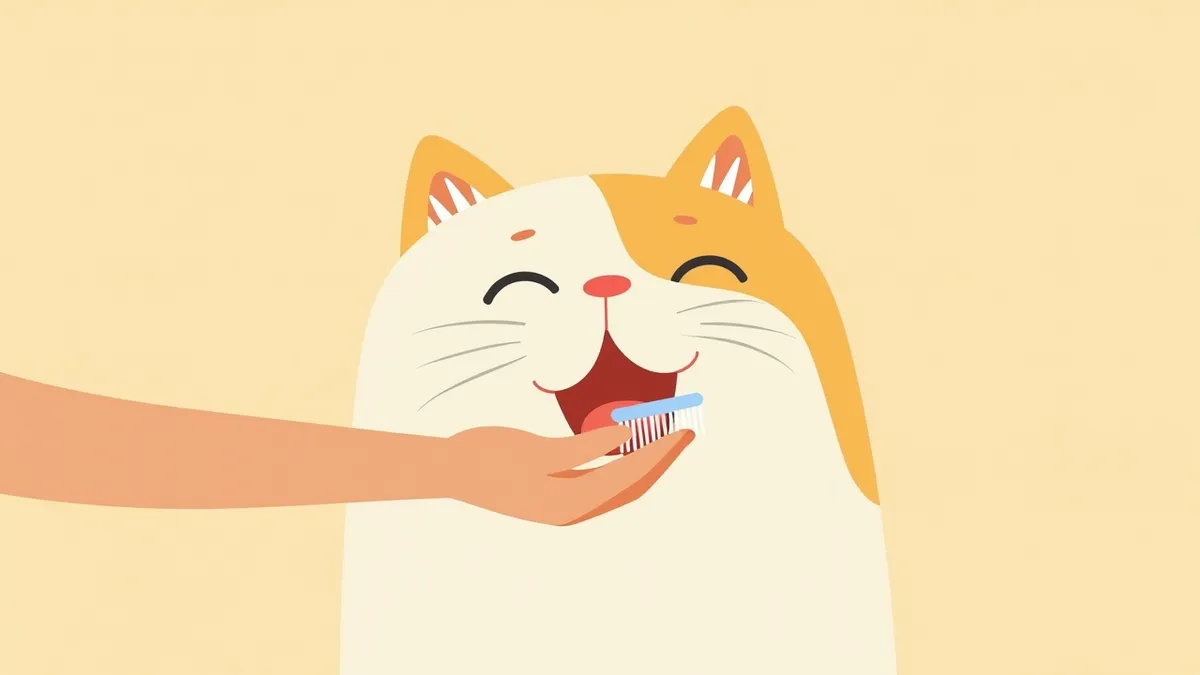
Why Is Feline Tartar Dangerous?

5 Practical Methods for Preventing Tartar

⚠️ Strictly Prohibited! Never Use Human Toothpaste on Cats
Using human toothpaste on cats can pose serious health risks. The fluoride and surfactants in toothpaste can cause poisoning if inhaled or swallowed by cats. Long-term ingestion can even damage kidney function.
Guide to Choosing Tartar Prevention Products

Comparison Table of Feline Tartar Prevention Products
| Item | Product Name | Form | Main Ingredients | Recommendation Grade |
|---|---|---|---|---|
| Product A | Salmon-flavored treat | Solid | Glucosamine, chitin | ★★★★☆ |
| Product B | Toothpaste stick | Liquid | Fluoride-free, natural flavoring | ★★★★★ |
| Product C | Toothbrush set | Tool | Rubber toothbrush, toothpaste included | ★★★☆☆ |
The product recommended by veterinarians is Product B. It excels in safety and effectiveness.
What to Do If Prevention Fails

⚠️ Warning! Surgery Is Essential When Tartar Becomes Severe
When tartar buildup becomes severe, the bone surrounding the teeth can deteriorate, causing the teeth to loosen or even fall out. At this stage, conservative treatment is no longer effective, and professional veterinary scaling or tooth extraction surgery is required. Early prevention and care are key.
Reviewed by a veterinarian

Dr. Tony — Punnawat Phongkittirak
VeterinarianA veterinarian who majored in veterinary medicine at Khon Kaen University, Thailand, and completed the IVSA program at North Carolina State University in the United States. Drawing on clinical experience at animal hospitals, he works in the pet healthcare field and is dedicated to building a digital care environment that connects pet parents with veterinarians.
Reviewed 2026-06-07
Frequently Asked Questions
Why do cats develop tartar?
Do I need to brush my pet’s teeth every day?
Can dental treats help prevent tartar buildup?
How often should your pet have professional dental cleanings?
Does bad breath mean your pet has tartar buildup?
Share
Related Guides

7 Best Cat Dental Chews for Tartar Prevention Recommended by Veterinarians and Selection Criteria

Top 5 Recommended Dental Treats for Dogs in 2026 — VOHC Certification Criteria

7 Criteria for Choosing Dog Tartar Prevention Dental Chews Recommended by Veterinarians

Frequently Asked Questions on the Controversy Between Grain-Free Dog Food and DCM — Key Facts Every Pet Owner Should Know

How Much Exercise Is Safe for Dogs with Heart Disease? — Safety Guidelines and Warning Signs

If Your Dog’s Heartbeat Is Irregular — Causes of Ectopic Beats and When to Visit the Vet

Dog Heart Failure Emergency: What to Do at Home? — Golden Hour Response for Breathing Difficulties

My Dog’s Heart Is Beating Irregularly — Causes of Atrial Fibrillation and When to Seek Veterinary Care

Why Do Dogs Need Antiarrhythmic Medications? — Essential Q&A on Drug Types and Side Effects

What is Feline Taurine-Deficient Cardiomyopathy? — Dietary Management and Recovery Potential
References
[1] The Dog Care Handbook, Things I Wish My Vet Had Told Me, 2021
[2] 100 Top Consultations in Small Animal General Practice, 2020
[3] Canine and Feline Respiratory Medicine, 3rd Edition, 2019