Like
Share
멍실장
강아지 폐부종 자주 묻는 질문 Q&A — 보호자가 꼭 알아야 할 핵심

Dog Pulmonary Edema FAQ — Key Information Every Pet Owner Should Know

RespiratoryQ&AMeongsiljang Veterinary Advisory Board

Pulmonary edema in dogs is a dangerous condition that causes difficulty breathing. We’ve outlined the symptoms, causes, and management steps that pet owners should know.

What Is Pulmonary Edema in Dogs?

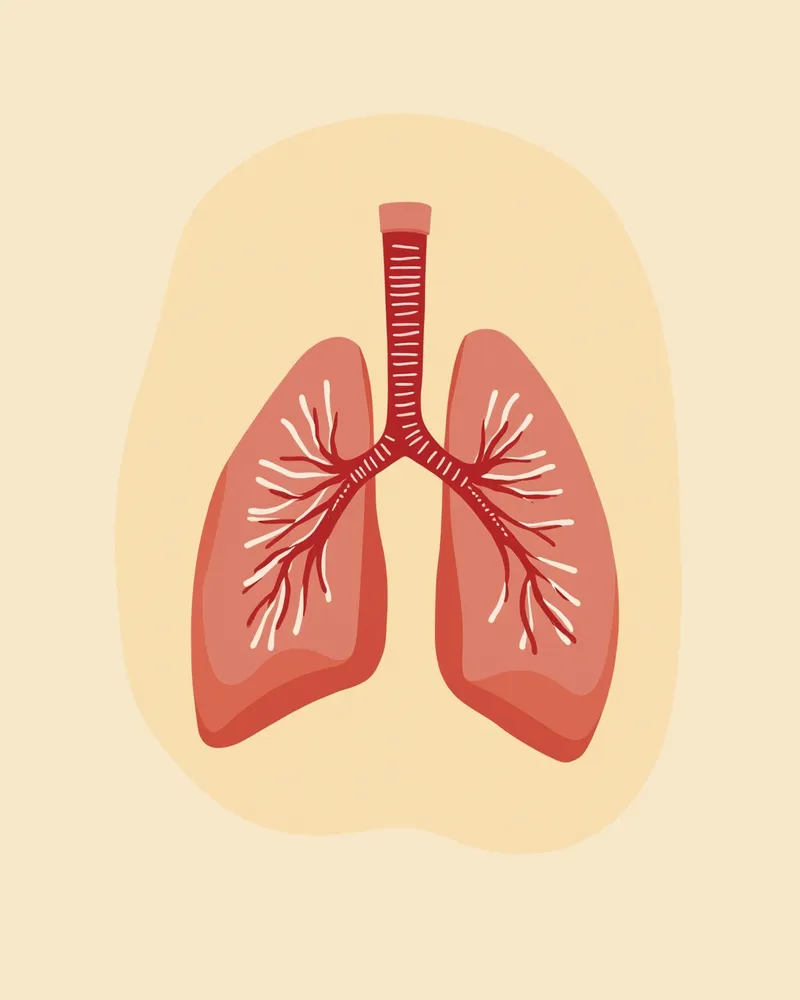
An anatomical illustration showing the lungs swollen due to pulmonary edema
Pulmonary edema in dogs is a condition where excessive fluid accumulates in the lungs, making breathing difficult. As fluid fills the alveoli and the interstitial spaces outside the blood vessels, the dog cannot absorb oxygen properly. Pulmonary edema can progress acutely, requiring immediate veterinary care. It is most commonly caused by decreased heart function. If symptoms worsen, severe respiratory distress can occur, potentially becoming life-threatening. Early detection and treatment are crucial.

What Are the Primary Causes?

The primary cause of pulmonary edema in dogs is heart disease. When the left side of the heart fails to function properly, blood backs up into the pulmonary veins, increasing pressure and causing fluid to leak into the lung tissue. This condition is known as cardiogenic pulmonary edema. Non-cardiac causes can also trigger pulmonary edema, including lung infections such as aspiration pneumonia, chest trauma, airway obstruction, head trauma, seizures, smoke inhalation, and electrocution. Senior dogs and those with existing heart conditions are at particularly high risk. Accurately identifying the underlying cause is essential for effective treatment, making a thorough veterinary examination absolutely necessary.
A condition in which excessive blood flow is directed to the lungs due to a heart problem

What Are the Severe Symptoms?

A severe symptom of pulmonary edema in dogs is difficulty breathing. You may notice your dog panting with an open mouth and rapid chest movements. Coughing can become severe, and in extreme cases, pink, frothy discharge may appear from the mouth. As the condition worsens, the gums may turn blue, or the dog may go into shock. This is a life-threatening emergency. As pulmonary edema progresses, oxygen supply drops sharply, putting additional strain on the heart. Immediate veterinary care is essential.
A dog experiencing difficulty breathing due to pulmonary edema

Signs Requiring Immediate Veterinary Care

If your dog is panting heavily, foaming at the mouth, or has bluish gums, seek veterinary care immediately. These are signs of a life-threatening emergency.

Comparison of Management Steps by Symptom Severity

ItemMain SymptomsEmergency ResponseWhether to Visit Hospital
MildSlightly short of breath, difficulty walkingMaintain a comfortable environment at homeConsider visiting hospital within 24 hours
ModerateBreathing with mouth open, pink foam appearingUse oxygen supply device if availableVisit hospital immediately
SevereMouth turning blue, collapsingStart oxygen inhalation and emergency first aidImmediate emergency room visit

Severity is judged by the frequency and intensity of symptoms. If judgment is difficult, an immediate hospital visit is recommended.

How Is It Treated?
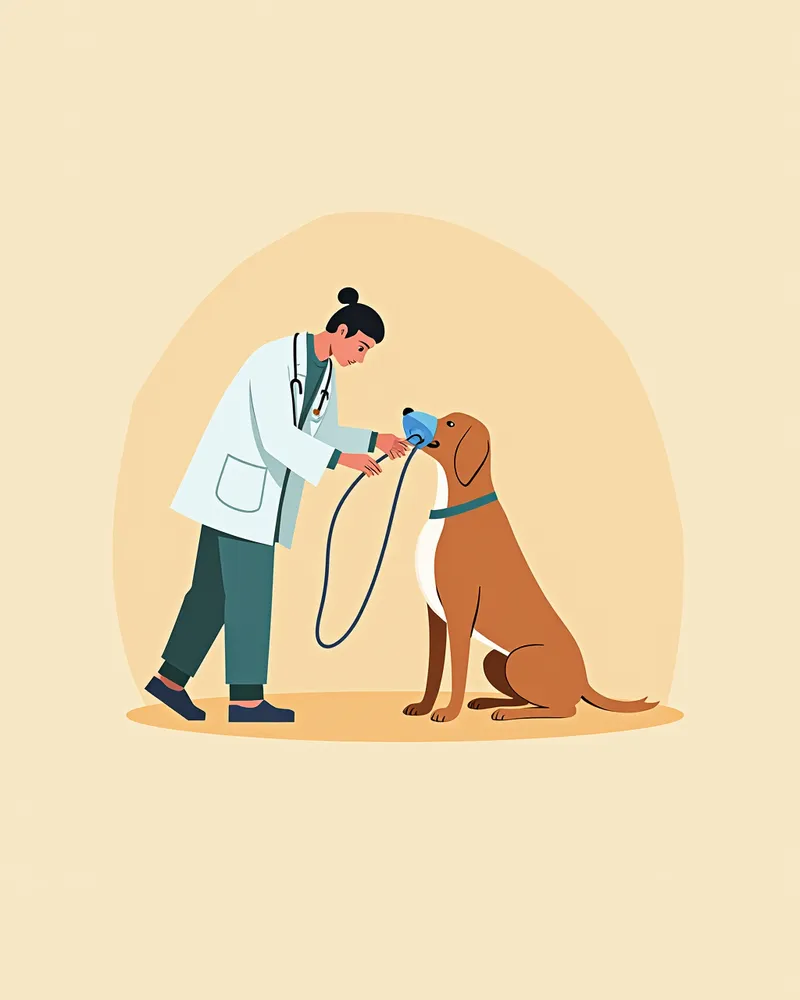
Treating pulmonary edema in dogs hinges on identifying the underlying cause. - Cardiac dysfunction: Medications are used to improve heart function and stabilize blood circulation. - Oxygen therapy: In cases of severe respiratory distress, supplemental oxygen is provided to support breathing and maintain lung function. - Diuretic administration: Diuretics help remove fluid accumulated in the lungs, making breathing easier. Dosages are carefully adjusted by the veterinarian based on the dog’s weight and condition. - Regular check-ups: Ongoing monitoring of medication efficacy and clinical changes helps prevent recurrence. During treatment, it is important to minimize stress and manage physical activity levels.
A veterinarian administering oxygen to a puppy.

Home Management Points

Because pulmonary edema carries a high risk of recurrence, careful management at home is essential. - Prepare an oxygen supply: Keep an oxygen device ready so it can be used immediately if your pet suddenly has trouble breathing. - Regulate activity: Avoid strenuous exercise and ensure your pet rests in a calm, comfortable environment. - Adhere to medication schedules: Administer all prescribed medications exactly as directed by your veterinarian, paying close attention to timing and dosage. - Maintain a stable environment: Minimize stress by avoiding loud noises, unexpected visitors, and sudden temperature changes. - Monitor symptoms: Check and record your pet’s respiratory rate, coughing, and any signs of shock daily. - Seek immediate veterinary care: If your pet experiences sudden difficulty breathing or shows signs of shock, go to the clinic right away. Consistent attention and systematic care are key to preventing recurrence.
Creating a Calm Environment for Managing Canine Pulmonary Edema

Precautions

After a dog has experienced pulmonary edema, it is important to avoid routine exercise and stress. Stopping medication or adjusting the dosage can increase the risk of recurrence. Regular check-ups with a veterinarian are essential.

Reviewed by a veterinarian

Dr. Tony — Punnawat Phongkittirak

Dr. Tony — Punnawat Phongkittirak

Veterinarian

A veterinarian who majored in veterinary medicine at Khon Kaen University, Thailand, and completed the IVSA program at North Carolina State University in the United States. Drawing on clinical experience at animal hospitals, he works in the pet healthcare field and is dedicated to building a digital care environment that connects pet parents with veterinarians.

Frequently Asked Questions

Can puppy pulmonary edema be treated?
Treatment options depend on the underlying cause. For heart conditions, symptoms can be managed with medication, and in emergency situations, oxygen therapy and diuretics can help sustain life.
Can pulmonary edema recur?
Yes, the risk of recurrence is high. It’s important to manage the underlying cause and keep up with regular check-ups. Avoid stress and excessive activity.
Can I use an oxygen supply device at home?
Use only under a veterinarian’s guidance. Improper use can actually impair breathing. Be sure to use the dedicated equipment and thoroughly understand the proper instructions for use.
Which dog breeds are more prone to pulmonary edema?
Pulmonary edema is more closely tied to the underlying heart disease than to the edema itself. It occurs more frequently in dogs with heart conditions common in older age, such as mitral valve disease. A veterinarian’s cardiac examination is the best way to determine the exact risk.
What tests are needed if pulmonary edema develops?
We’ll need to perform a chest X-ray, an echocardiogram (heart ultrasound), and blood tests. These diagnostics will help us identify the underlying cause and determine the most appropriate treatment plan.

Share

Related Guides

References

[1] Plumb's Veterinary Drug Handbook, 9th Edition, 2022

[2] Clinical Medicine of the Dog and Cat, 4th Edition, 2020

[3] Veterinary Internal Medicine: A Textbook of Small Animal Medicine, 8th Edition, 2021

This information is based on veterinary literature and does not replace diagnosis or treatment. Please consult a veterinarian for specific health concerns.

Metapet Co., Ltd. | CEO: Park Sung-yong | Business Reg. No. 417-88-02562 | Seoul, South Korea | Customer Center

5 Common Questions About Canine Pulmonary Edema + Emergency First Aid | Meongsiljang