
Like
Share
멍실장
노령묘 암 의심 신호 8가지 — 행동 변화로 보는 조기 발견

8 Signs of Suspected Cancer in Senior Cats — Early Detection Through Behavioral Changes

Oncology/CancerQ&AMeongsiljang Veterinary Advisory Board

We’ve compiled eight common signs that may indicate cancer in senior cats, focusing on behavioral and physical changes, along with at-home check methods for early detection and veterinary examination criteria.

Feline Cancer Symptoms Start With Behavioral Changes

An elderly calico cat sitting quietly
Feline cancer symptoms are early warning signs of a relatively common neoplastic disease in senior cats (7 years and older), often first manifesting as changes in appetite, weight, and behavior. Early detection is crucial for survival. If two or more of the following eight signs persist for over two weeks, please visit a veterinary clinic immediately for blood tests and imaging. Cats have a strong instinct to hide pain, so by the time owners sense that "something is different from usual," the disease has often already progressed significantly.

Why Is Cancer Common in Senior Cats?

As cats live longer, they become more susceptible to tumors as they age. The most common tumors in cats are skin tumors and hematopoietic tumors, including lymphoma. Mammary tumors are the next most common, accounting for up to 17% of all tumors in female cats. Other tumors reported in senior cats include squamous cell carcinoma (SCC) and mast cell tumors. Unspayed female cats that experience repeated heat cycles are known to have a higher risk of developing mammary tumors. White cats are at greater risk for squamous cell carcinoma on sun-exposed areas such as the eyelids, ears, and nose, often presenting with crusts, ulceration, and bleeding. Prognosis varies significantly depending on the tumor type, stage, and size, so it is important to have any changes checked promptly.

8 Major Signs of Suspected Cancer in Senior Cats (Checklist)

Here are the key signs you can monitor at home. If you notice even one of these, keep a close watch; if two or more appear together, don’t delay scheduling a veterinary check-up. - Changes in appetite: Refusing previously favored food or a decrease in food intake by 30% or more - Unexplained weight loss: A loss of 5% or more body weight within a month - Palpable lumps or masses: New, firm growths detected under the skin, in the abdomen, or in the mammary glands - Chronic vomiting or diarrhea: Gastrointestinal symptoms persisting for more than one to two weeks - Changes in breathing: Panting with an open mouth or a respiratory rate exceeding 40 breaths per minute
A veterinarian gently palpating a cat's abdomen during an examination

Checklist (Continued)

- Bleeding or Discharge: Nosebleeds, bleeding gums, or unexplained bleeding from the anus or genital area. - Reduced Activity and Hiding: Avoiding jumping, or hiding under furniture like beds or in closets instead of resting in their usual favorite spots. - Non-Healing Wounds: Skin ulcers or scabs that fail to heal within two weeks, particularly around the ears, nose, or mouth. The combination of weight loss and decreased appetite is the primary indicator for suspecting lymphoma or gastrointestinal tumors. If you notice a palpable lump accompanied by bleeding, immediate cytological examination is required.

Suspected Tumors and Urgency by Sign

ItemSuspected tumorUrgency
Weight loss + decreased appetiteLymphoma, gastrointestinal adenocarcinomaHigh
Abdominal lumpLymphoma, splenic tumorHigh
Lump in the mammary areaMammary tumorVery high
Chronic bad breath / droolingOral squamous cell carcinomaHigh
Nosebleed / sneezingNasal lymphoma, nasal tumorHigh
Difficulty breathing / open-mouth breathingLung tumor, pleural effusionEmergency
Non-healing skin ulcerSquamous cell carcinoma, mast cell tumorModerate to high

Urgency 'Emergency' means visit a hospital within 24 hours; 'Very high' means examination within 3 days is recommended

Go to the Vet Immediately for These Signs

These situations cannot be delayed for even a single day. Open-mouth panting, sudden inability to stand, blood in urine or feces, and dehydration lasting more than 24 hours with no water intake may indicate that a tumor is causing fluid accumulation in the chest cavity or compressing internal organs. Even at night, you should immediately take your pet to a 24-hour emergency clinic.

What Tests Are Performed at the Vet?
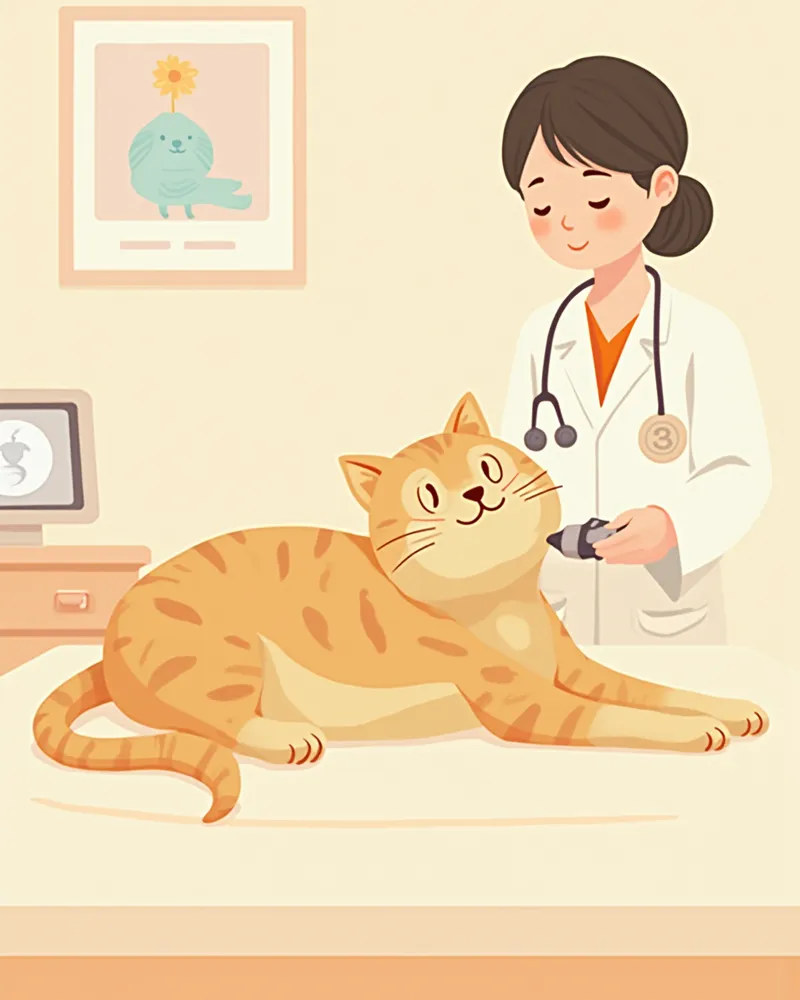
If cancer is suspected, the diagnostic process typically follows four steps. First, a physical examination assesses the lump’s location, size, and mobility. Second, blood tests evaluate anemia, liver and kidney function, and tumor markers. Third, imaging studies such as X-rays, ultrasound, or CT scans determine the tumor’s location and check for metastasis. Finally, a fine-needle aspiration (FNA) or biopsy confirms the specific type of tumor. Early imaging is especially critical for lung tumors, as 76–80% of cases in senior cats are already metastatic at the time of diagnosis.
An elderly cat undergoing an ultrasound examination at a veterinary clinic

Weekly Early Detection Routine You Can Do at Home

While senior cats are recommended to have regular check-ups every six months, establishing a routine for owners to monitor their pets in between visits is even more important. - Weekly weight checks: Measure on the same day and at the same time each week, and record the results (using a smartphone notes app is recommended). - Weekly full-body palpation: Gently run your hands from head to tail, carefully checking both sides of the armpits, groin, and mammary line. - Daily logs of food, water, and litter box usage: Note any changes where intake or output varies by 30% or more. - Photo documentation: Take photos of the mouth, gums, and inside the ears once a month to compare for changes. Following just this routine can help detect tumors one to two months earlier.

Pay Extra Attention to These Breeds and Environments

Siamese cats are known to be predisposed to gastrointestinal lymphoma. White-coated cats are at higher risk for squamous cell carcinoma on sun-exposed areas such as the ears, nose, and eyelids, while unspayed females (those experiencing repeated estrus cycles) have an above-average risk of mammary tumors. For cats with these breed-, sex-, or lifestyle-related risk factors, tumors can progress silently even without outward symptoms. Therefore, it is safer for owners to closely monitor for any behavioral or physical changes and to shorten the interval between regular check-ups (for example, from once a year to every six months) to detect changes early.

Reviewed by a veterinarian

Dr. Tony — Punnawat Phongkittirak

Dr. Tony — Punnawat Phongkittirak

Veterinarian

A veterinarian who majored in veterinary medicine at Khon Kaen University, Thailand, and completed the IVSA program at North Carolina State University in the United States. Drawing on clinical experience at animal hospitals, he works in the pet healthcare field and is dedicated to building a digital care environment that connects pet parents with veterinarians.

Frequently Asked Questions

My cat is losing weight but still eating well. Could it still be cancer?
Yes, it’s possible. The pattern of “eating well but losing weight” can be an early sign of tumors such as lymphoma or gastrointestinal adenocarcinoma, and it also needs to be differentiated from metabolic disorders like hyperthyroidism. If your pet loses more than 5% of its body weight in a month, please have blood tests and an abdominal ultrasound performed.
If a lump is soft and moves easily, does that mean it's harmless?
Not necessarily. While benign tumors like lipomas are soft, round cell tumors such as lymphoma can also begin as soft, mobile lumps. Regardless of size or shape, it is safest to have any new lump confirmed with a fine-needle aspiration (FNA) test.
How often should senior cats undergo health check-ups?
We generally recommend annual check-ups for cats aged 7 to 10, and biannual check-ups for those 11 and older. Behavioral changes in senior cats may not simply be due to aging, so a "Senior Panel"—which combines blood tests, urinalysis, abdominal ultrasound, and chest X-rays—is the most efficient approach.
Can feline cancer be treated?
It depends on the type of tumor and its stage. For mammary tumors, early surgical removal—especially when the tumor is small (under 3 cm)—leads to a better prognosis, while larger tumors tend to shorten survival time. With lymphoma, chemotherapy is often used to manage symptoms and maintain quality of life. The earlier the diagnosis, the more treatment options are available.
Is cancer treatment too hard on cats?
Unlike humans, feline cancer treatment protocols are designed to prioritize maintaining quality of life over achieving a cure. While side effects such as temporary loss of appetite or vomiting may occur, many cats tolerate them relatively well. The intensity of treatment and the severity of side effects vary depending on the type and stage of the tumor, as well as the individual cat’s condition, so please consult your veterinarian to determine the best course of action.

Share

Related Guides

References

[1] Withrow & MacEwen's Small Animal Clinical Oncology, 6th Edition, Chapter on Feline Tumors

[2] The Cat: Clinical Medicine and Management, 2nd Edition, Oncology Section

[3] Veterinary Surgical Oncology, 2nd Edition, Feline Primary Lung Tumors

[4] Small Animal Cytologic Diagnosis Canine and Feline Disease, 2nd Edition

This information is based on veterinary literature and does not replace diagnosis or treatment. Please consult a veterinarian for specific health concerns.

Metapet Co., Ltd. | CEO: Park Sung-yong | Business Reg. No. 417-88-02562 | Seoul, South Korea | Customer Center

8 Signs of Cancer in Senior Cats: Spot Behavior Changes Early | Meongsiljang