Like
Share
멍실장
강아지 뇌수막염 증상과 치료 – 원인부터 예후까지 총정리

Canine Meningoencephalitis Symptoms and Treatment – A Comprehensive Guide from Causes to Prognosis

Brain & CognitionQ&AMeongsiljang Veterinary Advisory Board

Based on veterinary textbooks, we’ve put together an easy-to-understand guide covering the causes, main symptoms, diagnosis and treatment options, and home care tips for canine meningoencephalitis.

What Is Canine Meningoencephalitis?
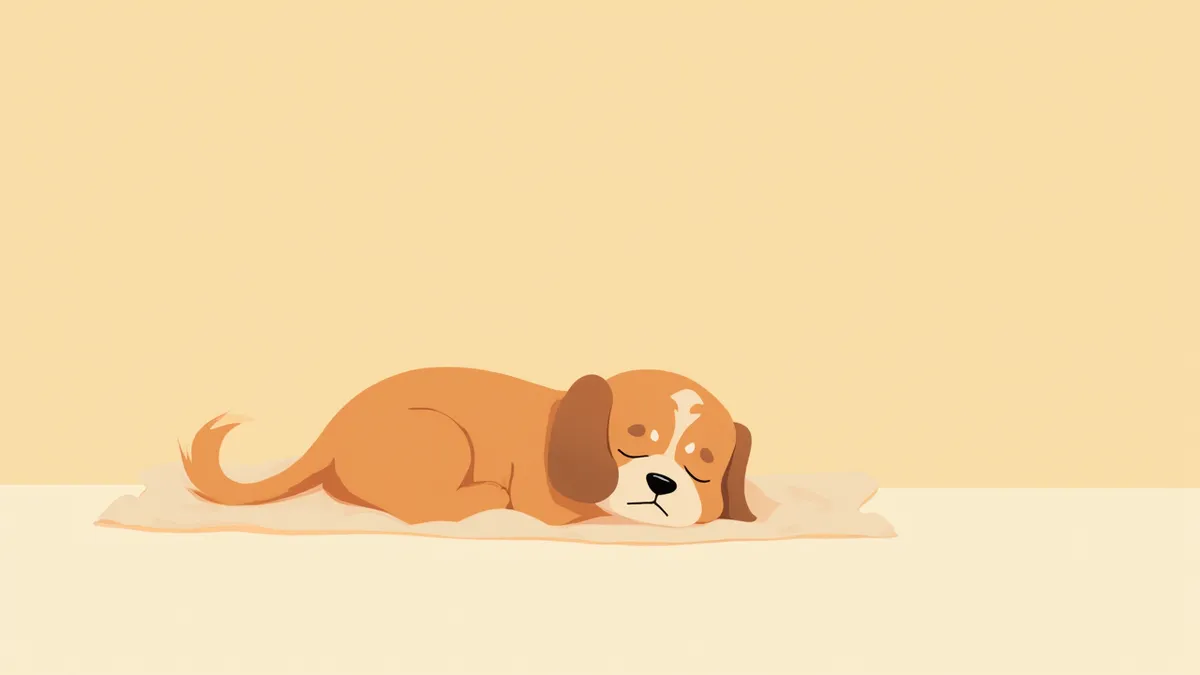
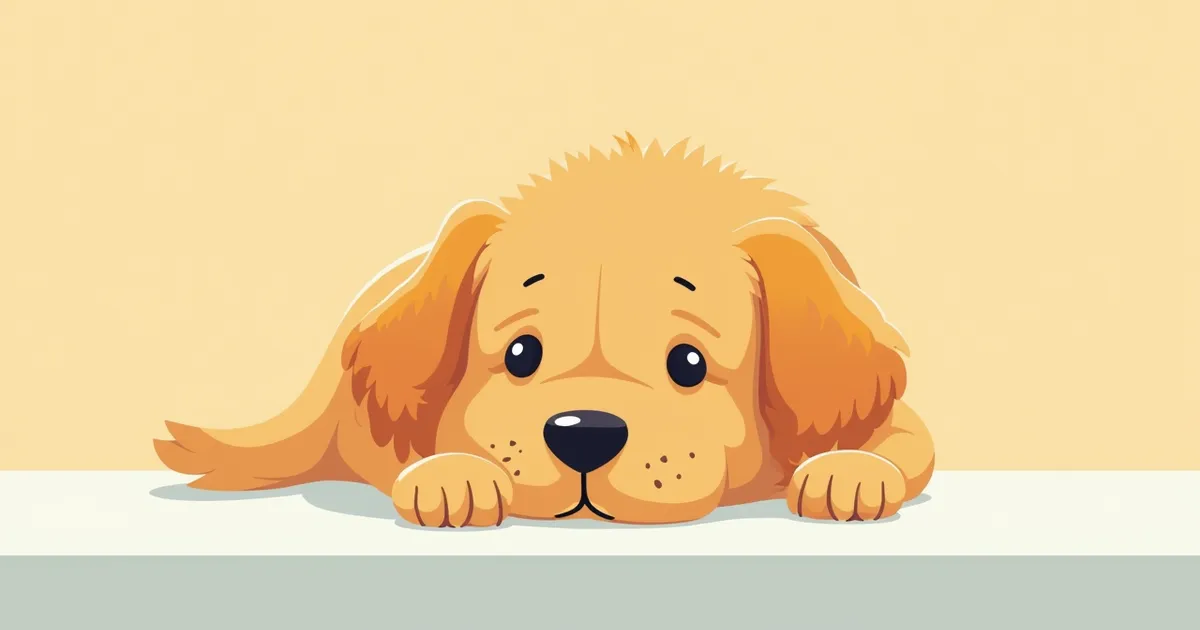
A small dog resting on a blanket at home.
Canine meningoencephalitis is a neurological disease characterized by inflammation of the brain and the surrounding membranes (meninges). It typically presents with sudden-onset symptoms such as seizures, severe neck pain, and gait abnormalities. According to veterinary textbooks, while individual responses to treatment vary significantly depending on the disease subtype, some dogs can achieve symptom improvement and stable remission through aggressive therapy and consistent management. Early detection and sustained treatment are crucial for this condition.

Causes and Background of Meningoencephalitis

The exact cause of meningoencephalitis remains unknown, but the veterinary community considers an autoimmune reaction the most likely culprit. In this condition, immune cells mistakenly attack the brain tissue, triggering inflammation. While infectious agents such as bacteria, viruses, and fungi can also cause the disease, non-infectious immune-mediated meningoencephalitis is far more common in dogs. Small breeds and terriers are suspected to be predisposed, and the typical age of onset varies by type. Granulomatous meningoencephalitis (GME) commonly affects middle-aged dogs between 4 and 8 years old, whereas necrotizing encephalitis tends to occur more frequently in young dogs under 4 years of age. Although certain breeds appear to have a higher predisposition, the precise mechanism of disease development remains unclear, and any dog breed can be affected.

Checklist of Main Symptoms of Meningoencephalitis
Symptoms of meningoencephalitis vary depending on the location of the inflammation. If your pet exhibits any of the following signs, suspect a neurological issue:
Seizures: Sudden full-body stiffness or loss of consciousness leading to collapse.
Neck pain: Severe pain when the neck is touched, making it difficult to lower the head.
Gait abnormalities: Stumbling or walking in circles.
Vision impairment: Suddenly bumping into objects or behaving as if blind.
Lethargy: Sudden weakness and loss of appetite.
High fever: Persistent fever with no apparent cause.
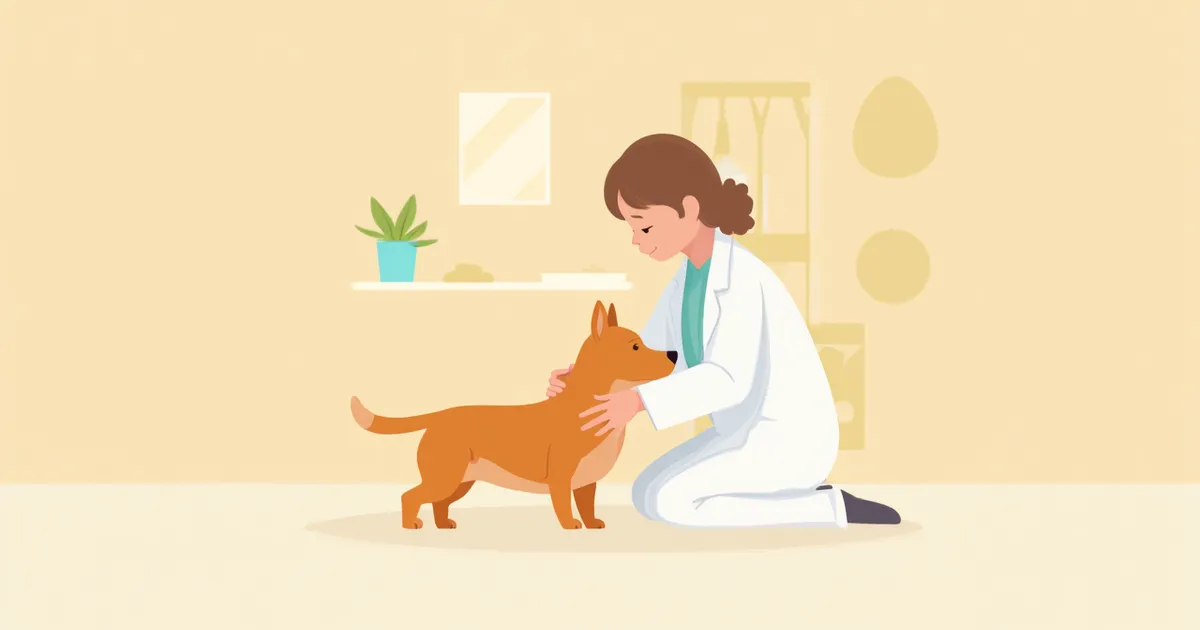
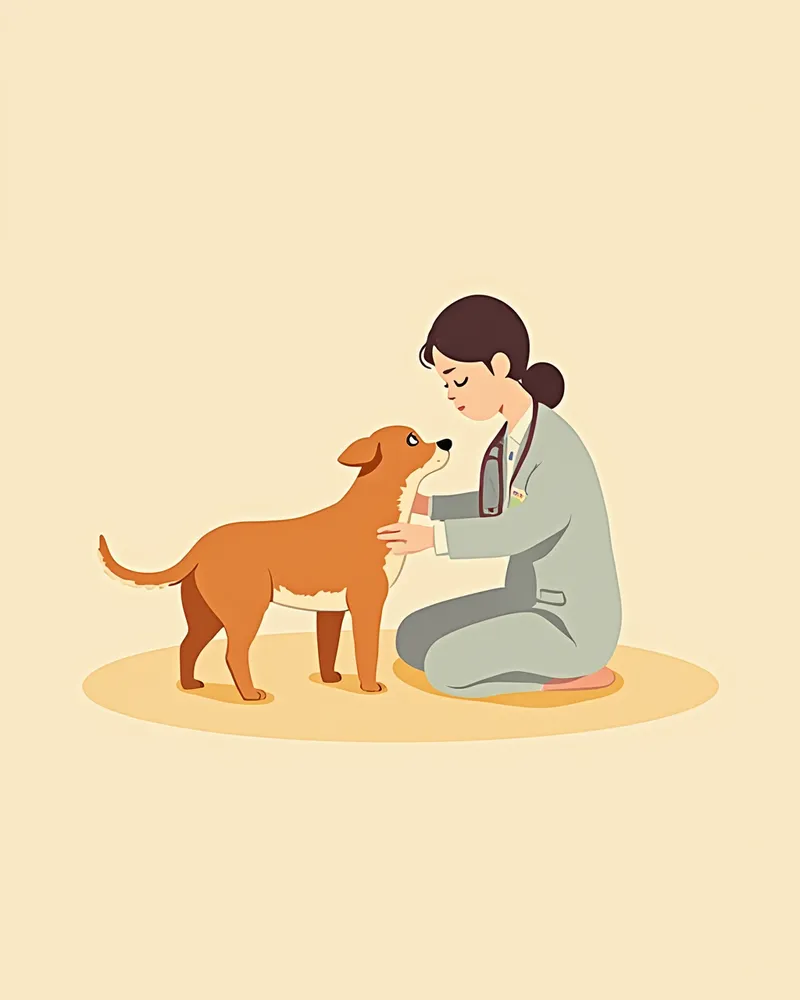
A veterinarian gently examining the head and neck of a small dog.

Comparison of Characteristics by Meningoencephalitis Type

Non-infectious meningoencephalitis in dogs is broadly categorized into three types, each with distinct characteristics and breed predispositions.
TypeCharacteristicsPredisposed Breeds
Granulomatous meningoencephalitisGranuloma formation in the brain, spinal cord, and eyesSmall breeds, Terriers in general
Necrotizing encephalitisNecrotic lesions in the cerebrumPugs, Maltese, Chihuahuas
Necrotizing leukoencephalitisNecrosis in the white matter of the brainYorkshire Terriers
Because definitive classification requires histopathological examination, these conditions are often collectively referred to as "idiopathic meningoencephalitis" in clinical practice.

How Is Meningoencephalitis Diagnosed?

Meningoencephalitis is a challenging condition to definitively diagnose. While veterinary textbooks state that a definitive diagnosis can only be made through brain tissue examination, in clinical practice, veterinarians typically reach a diagnosis by synthesizing results from multiple tests.
MRI: This is the most critical imaging test for identifying the location and extent of inflammation in the brain.
Cerebrospinal Fluid (CSF) Analysis: If elevated protein levels and an increased cell count are detected in the CSF, it raises suspicion of inflammation.
Blood Tests: Basic blood work is performed alongside other tests to rule out infectious causes.
By combining these diagnostic findings, veterinarians often arrive at a presumptive diagnosis of "meningoencephalitis of unknown origin" (MUO).
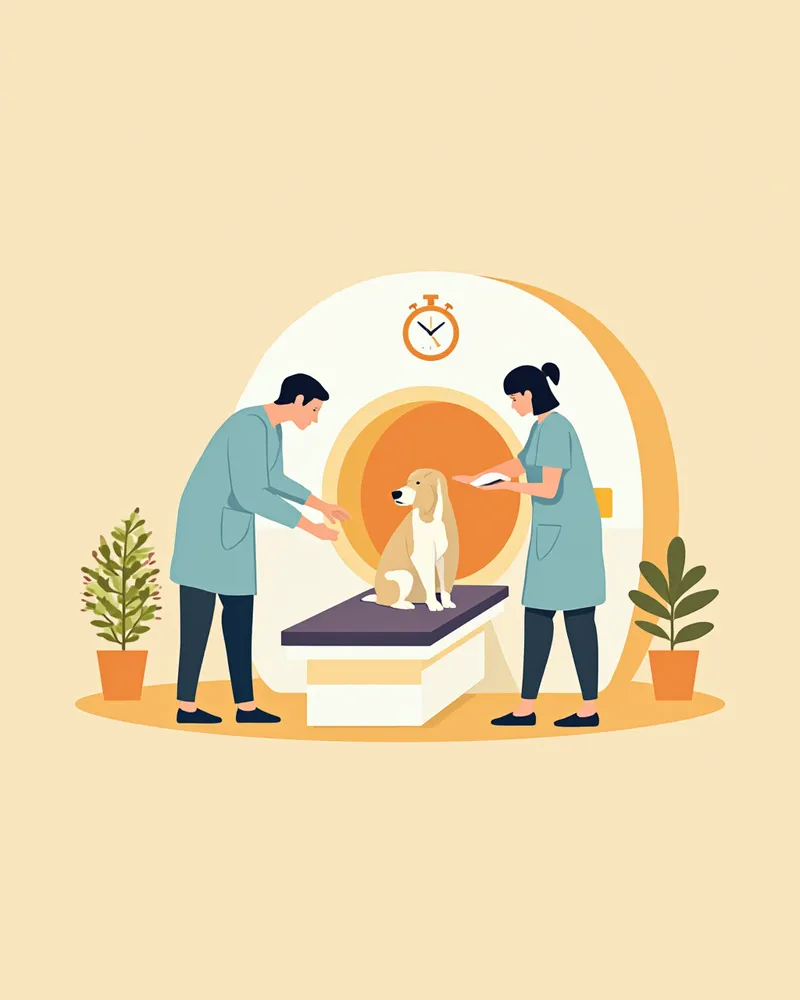
A small dog being prepared for a brain MRI at a veterinary hospital

Go to the Emergency Room Immediately If You See These Symptoms

If seizures last longer than five minutes or recur multiple times in a day, it’s an emergency. Severe brain swelling can lead to brain herniation and even respiratory arrest. If your pet suddenly loses consciousness, becomes completely paralyzed, or develops irregular breathing, seek immediate care at the nearest emergency animal hospital. Time can be the difference between life and death.

Treatment Methods for Meningoencephalitis
The cornerstone of meningoencephalitis treatment is immunosuppressive medication, which calms brain inflammation by suppressing an overactive immune response.
Corticosteroids: These are the foundational immunosuppressants, typically started at a high dose and then gradually tapered down.
Additional immunosuppressants: If corticosteroids alone are insufficient, your veterinarian may prescribe additional medications. The specific drug and dosage are determined based on your pet’s weight and clinical condition.
Treatment can last from several months to several years. Even if symptoms improve, stopping medication without veterinary guidance significantly increases the risk of relapse, so it is crucial to follow your veterinarian’s instructions and administer medication consistently.
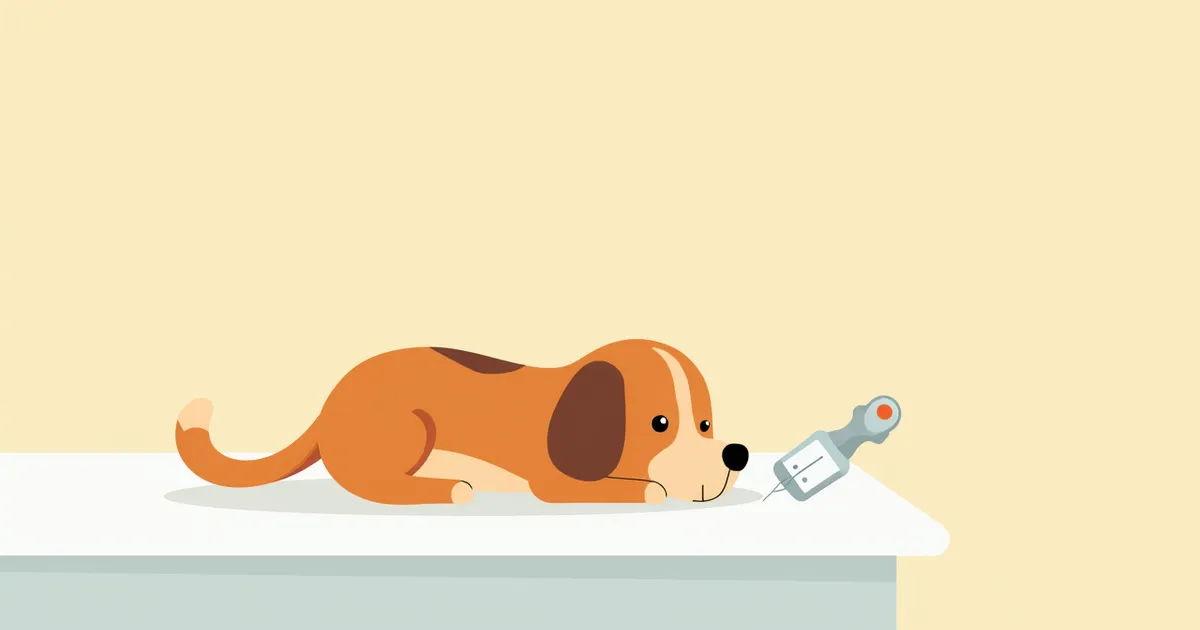
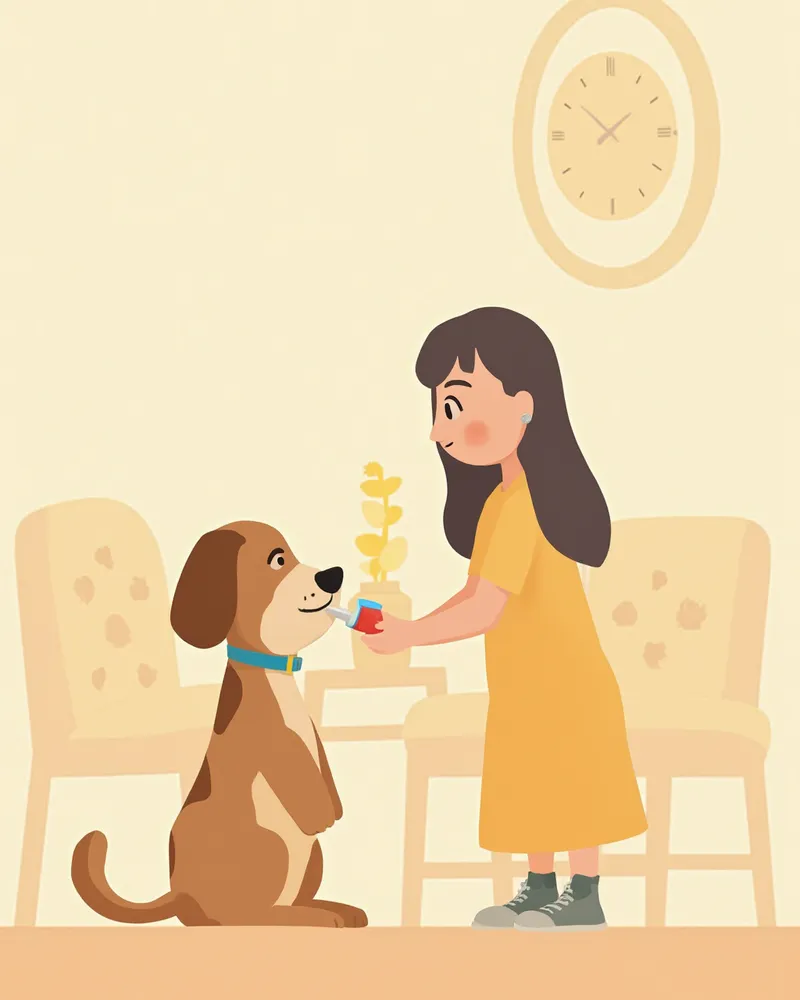
A pet owner administering medication to a small dog at home.

Home Care and Prognosis

Consistent home care is essential for dogs undergoing treatment for meningoencephalitis. Long-term steroid use can lead to side effects such as increased appetite, increased water consumption, and weight gain. While these are common reactions, please consult your veterinarian if the changes occur suddenly. Regular blood tests are necessary to monitor for medication side effects. For dogs experiencing seizures, ensure their environment is safe to prevent falls from heights. Prognosis varies significantly depending on the type of meningoencephalitis and the response to treatment; however, early and aggressive intervention can help maintain a good quality of life for months to years.

Pay Special Attention to These Breeds

Small breeds and terriers are at a higher risk of developing meningoencephalitis. In particular, Pugs, Yorkshire Terriers, Maltese, Chihuahuas, Shih Tzus, and Pekingese are known to be predisposed to this condition. If you own one of these breeds, it’s important to be especially vigilant about sudden neurological symptoms. If your dog experiences seizures, neck pain, or gait abnormalities, don’t wait and see—seek veterinary care immediately.

Reviewed by a veterinarian

Dr. Tony — Punnawat Phongkittirak

Dr. Tony — Punnawat Phongkittirak

Veterinarian

A veterinarian who majored in veterinary medicine at Khon Kaen University, Thailand, and completed the IVSA program at North Carolina State University in the United States. Drawing on clinical experience at animal hospitals, he works in the pet healthcare field and is dedicated to building a digital care environment that connects pet parents with veterinarians.

Frequently Asked Questions

Can canine meningoencephalitis be transmitted to other animals or humans?
Non-infectious immune-mediated meningoencephalitis is not contagious. Since the dog’s own immune system attacks its brain tissue, it cannot be transmitted to other animals or humans. However, in rare cases where the condition is caused by a bacterial or fungal infection, precautions against the specific pathogen may be necessary.
How much does it cost to treat meningitis?
When MRI scans, cerebrospinal fluid tests, and long-term medication are involved, the costs can be quite significant. Since expenses vary widely depending on the clinic and location, we recommend discussing estimated costs with your veterinarian in advance. Having pet insurance can help reduce the financial burden.
Do I need to give my pet medication for meningitis for the rest of its life?
In many cases, medication is needed for several months to years. Once symptoms stabilize, your veterinarian will gradually reduce the dosage, but in some cases, it may be difficult to stop the medication entirely. Stopping the medication without consulting your veterinarian can increase the risk of recurrence, so it's important to follow their instructions carefully.
Can canine meningitis be prevented?
Non-infectious immune-mediated meningoencephalitis is difficult to prevent because its exact cause remains unknown. If you have a breed prone to this condition, it’s best to familiarize yourself with potential neurological symptoms and seek veterinary care promptly if any abnormalities are noticed.
Can a puppy with meningitis still live a normal life?
If the response to treatment is good, your pet can lead a fairly normal daily life. With proper symptom management through medication, they can go for walks and live as usual. However, this requires regular check-ups and consistent medication, and it's best to consult with your veterinarian before engaging in strenuous exercise.

Share

Related Guides

References

[1] Schaer M. Clinical Medicine of the Dog and Cat, 4th Edition, CRC Press

[2] Ramsey I. Notes on Canine Internal Medicine, 4th Edition, Wiley-Blackwell

This information is based on veterinary literature and does not replace diagnosis or treatment. Please consult a veterinarian for specific health concerns.

Metapet Co., Ltd. | CEO: Park Sung-yong | Business Reg. No. 417-88-02562 | Seoul, South Korea | Customer Center

Canine Meningoencephalitis: Symptoms, Treatment & Prognosis | Meongsiljang