Like
Share
멍실장
강아지 요관 결석·요관 폐색 자주 묻는 질문 Q&A — 보호자가 꼭 알아야 할 핵심

Ureteral stones in dogs causing obstruction? — How to recognize emergency warning signs

KidneyQ&AMeongsiljang Veterinary Advisory Board

Ureteral stones in dogs are a condition where the ureter becomes blocked, making it difficult to pass urine, and can lead to acute pain and kidney damage. Here’s a summary of key information that pet owners should know.

What are ureteral stones and ureteral obstruction in dogs?
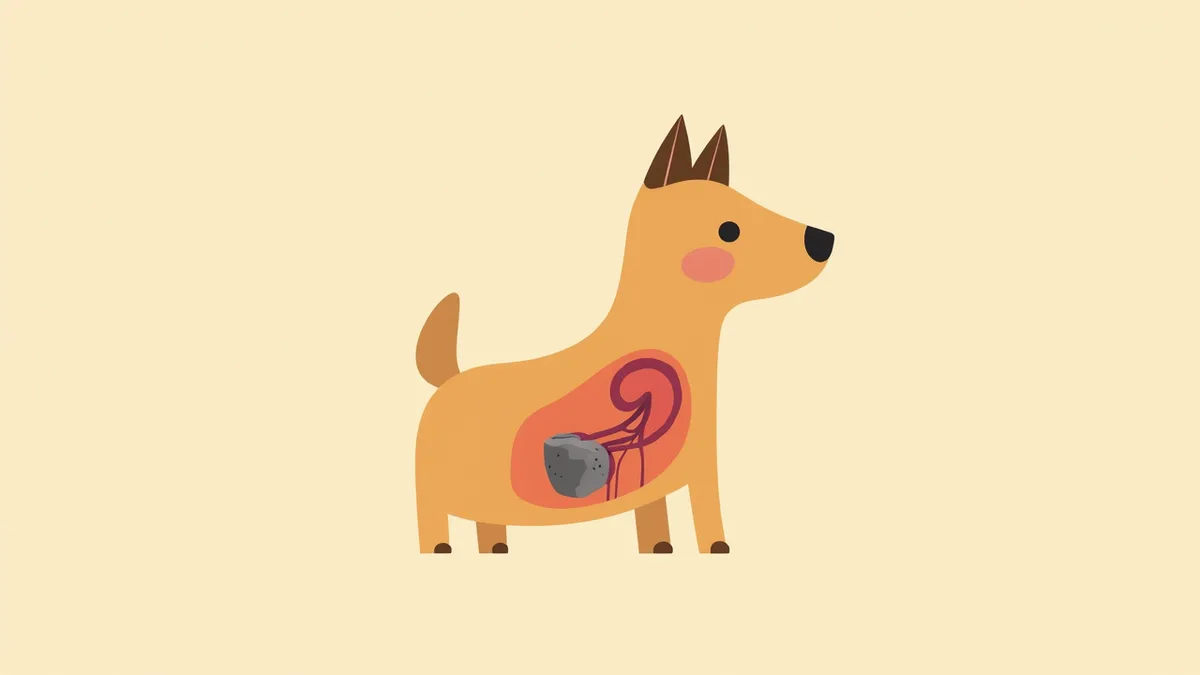
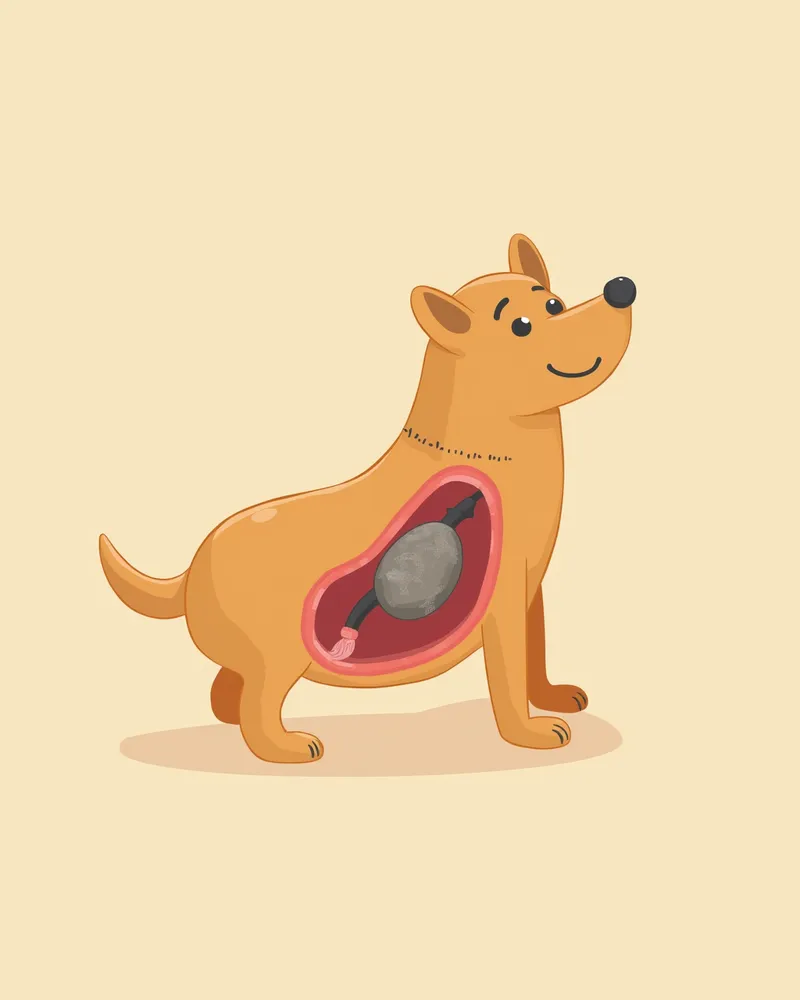
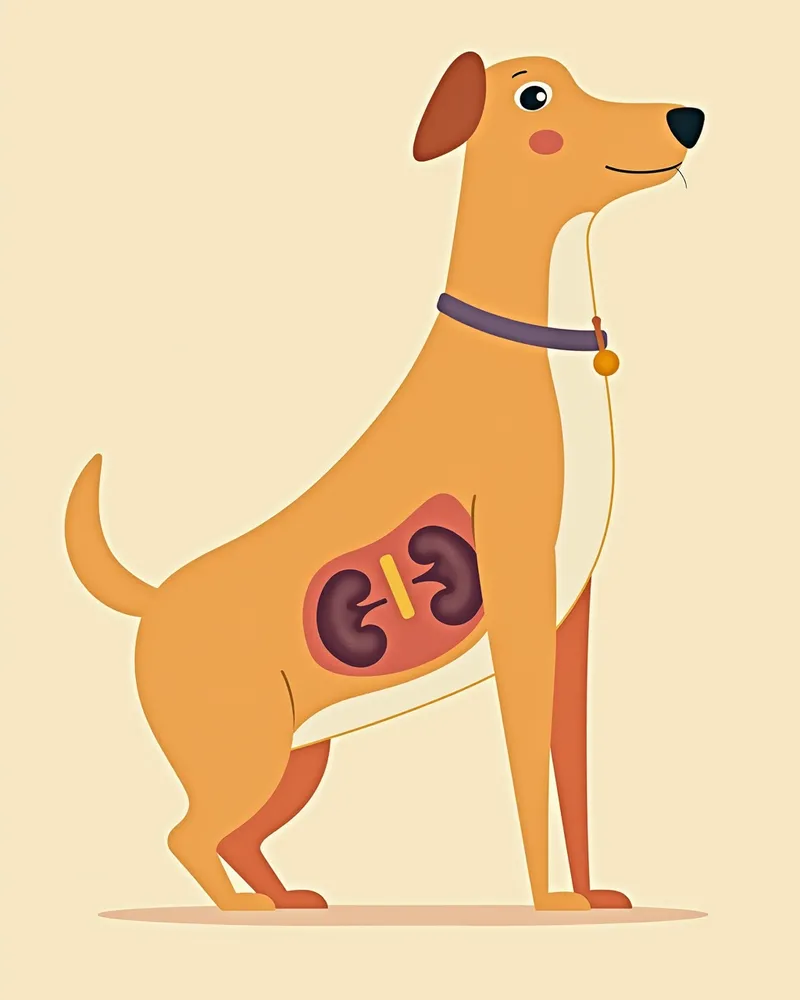
An anatomical diagram illustrating urethral obstruction caused by urethral calculi in dogs.
Ureteral stones in dogs occur when stones block the ureters, the tubes that carry urine from the kidneys to the bladder, leading to impaired urine flow. This condition not only causes acute pain but can also result in severe kidney damage. If the stones completely obstruct the ureters, urine flow may stop entirely, potentially leading to acute kidney injury. Immediate veterinary care is essential, as untreated cases can cause long-term kidney damage or even death. Early detection and treatment are key to improving survival rates. Ureteral obstruction: A medical emergency where urine flow is blocked, causing the kidneys to swell, often accompanied by pain and vomiting.

Why do ureteral stones form?

Urinary tract stones form when minerals in the urine become concentrated or when the urine’s acidity (pH) changes, causing crystals to clump together. Dehydration concentrates the urine, making stone formation easier, and stones are more likely to develop when mineral levels rise and factors that inhibit crystallization decrease. Urinary tract infections, particularly those involving bacteria that break down urea and make the urine alkaline, are associated with struvite stones. Additionally, certain breeds are at higher risk: calcium oxalate stones are more common in small breeds such as Miniature Schnauzers, Lhasa Apsos, Shih Tzus, Yorkshire Terriers, and Bichon Frises, while urate stones are more prevalent in Dalmatians and English Bulldogs. Inadequate water intake is one of the main causes of stone formation. Factors contributing to stone formation: dehydration, changes in mineral levels and pH, genetic (breed) predisposition, urinary tract infections, and increased urine concentration.
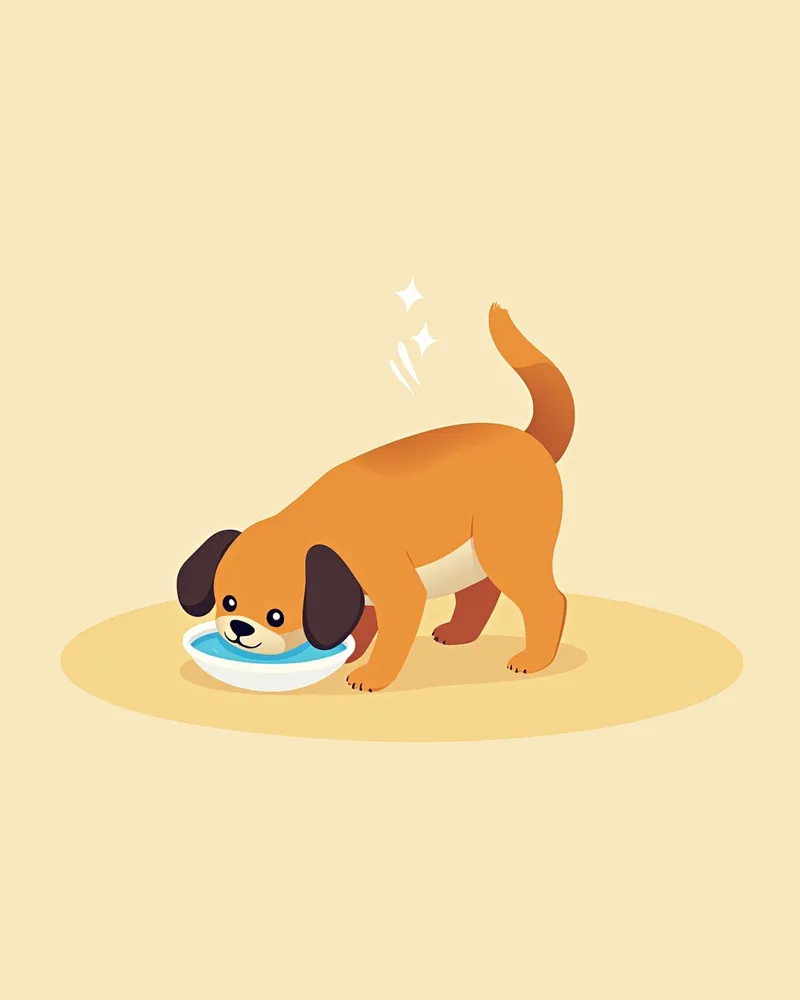
Emphasize the importance of hydration by showing your dog drinking plenty of water.

What are the main symptoms of ureteral obstruction?
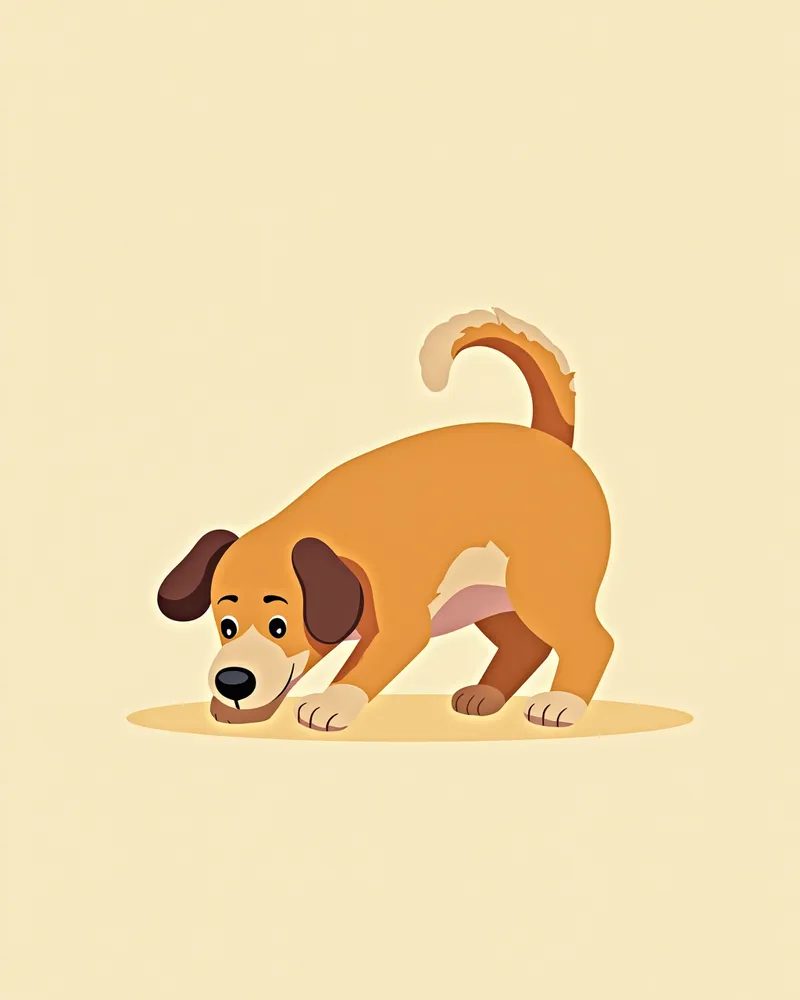
If your dog suddenly clutches its abdomen, shows signs of abdominal pain, or experiences repeated vomiting, there is a high possibility of ureteral obstruction. Another important sign is when your dog tries to urinate but nothing comes out, or repeatedly attempts to urinate without success. You may also notice a sudden loss of appetite or your dog lying down and not moving. If the pain becomes severe, your dog may breathe rapidly or show signs of trembling. This is an emergency situation that requires immediate veterinary attention. Emergency symptoms: Abdominal pain, vomiting, inability to urinate, loss of appetite, reduced movement.
A puppy experiencing abdominal pain due to urethral obstruction

Symptoms requiring immediate veterinary visit

If your dog suddenly shows signs of abdominal pain, experiences repeated vomiting, or attempts to urinate but produces no urine, you should seek veterinary care immediately. These are signs of acute kidney injury caused by a ureteral obstruction.

Symptoms and responses by severity of ureteral obstruction

ItemMildModerateSeverity
Pain LevelMild discomfortPersistent painSevere agony
Urine OutputIncreased attempts to urinateDecreased urine outputCompletely unable to urinate
Behavioral ChangesBecomes quietReduced movementDoes not move
Emergency ResponseConsult a veterinarianVisit the hospital immediatelyEmergency surgery required

As symptoms worsen, the duration and cost of treatment increase, so early detection is important.

How is it diagnosed?
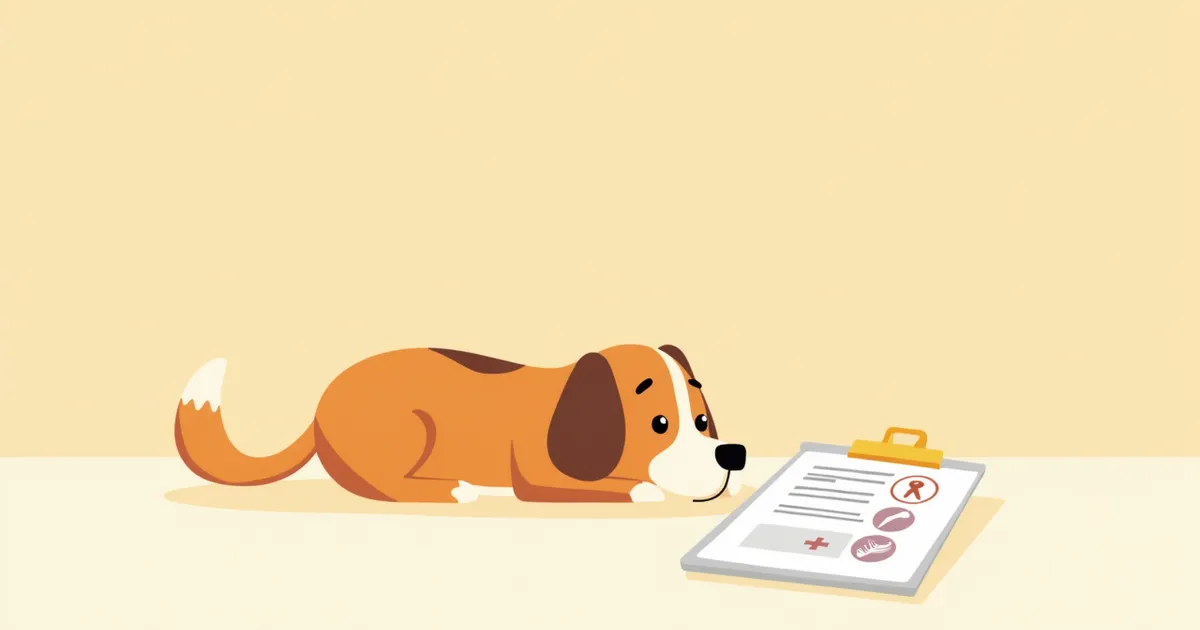
Ureteral obstruction is accurately diagnosed through a combination of diagnostic tests. - Ultrasound: Provides a detailed assessment of the kidneys and ureter, including the precise location and size of any stones. - Radiography (X-rays): Helps determine the density and shape of stones, particularly those composed of calcium, which are clearly visible on X-rays. - Blood tests: Evaluate kidney function and measure levels of uremic toxins to assess the severity of renal impairment. - Urinalysis: Checks for blood in the urine, signs of inflammation, and potential urinary tract infections. A definitive diagnosis is made by comprehensively analyzing the results of these tests.
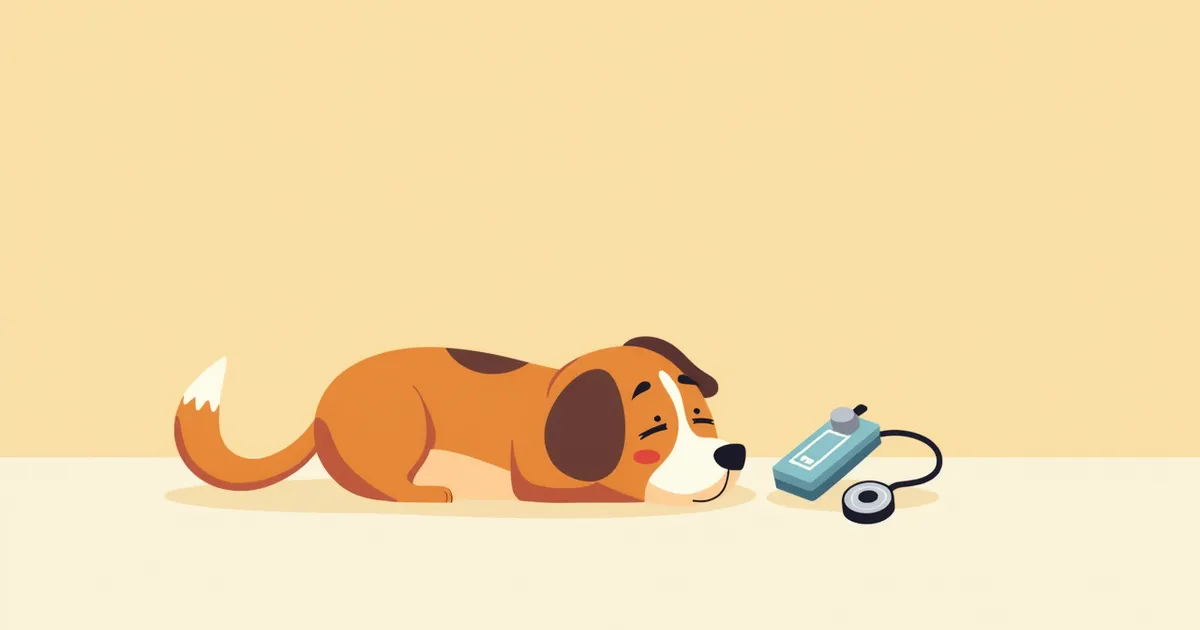
A veterinarian performing an abdominal ultrasound on a puppy.

What are the treatment options?

Treatment depends on the size and location of the stones, as well as your dog’s overall condition. Small stones may be dissolved with medication or passed naturally, while larger ones often require surgical or endoscopic removal. Pain relief medication and fluid therapy are essential, and hospitalization is typically needed to stabilize your dog’s condition. In some cases, a ureteral stent may be placed. Regular follow-up exams are necessary even after treatment. Treatment options: Medication, surgery, endoscopic removal, pain management, and fluid therapy.
A scene of a dog undergoing ureteral stone removal surgery using an endoscope.

How can you manage it at home?

During the recovery period after treatment for ureteral obstruction, it is essential to follow your veterinarian’s instructions regarding medication and dietary management. Ensuring your pet drinks plenty of water frequently is crucial to help dilute the urine. You should consistently monitor urine output, paying close attention to both frequency and volume. Reducing stress and appropriately managing activity levels also aid in recovery. Regular check-ups are mandatory to monitor for any recurrence. Recovery Management: Hydration, medication adherence, urine monitoring, stress management, and regular veterinary examinations.
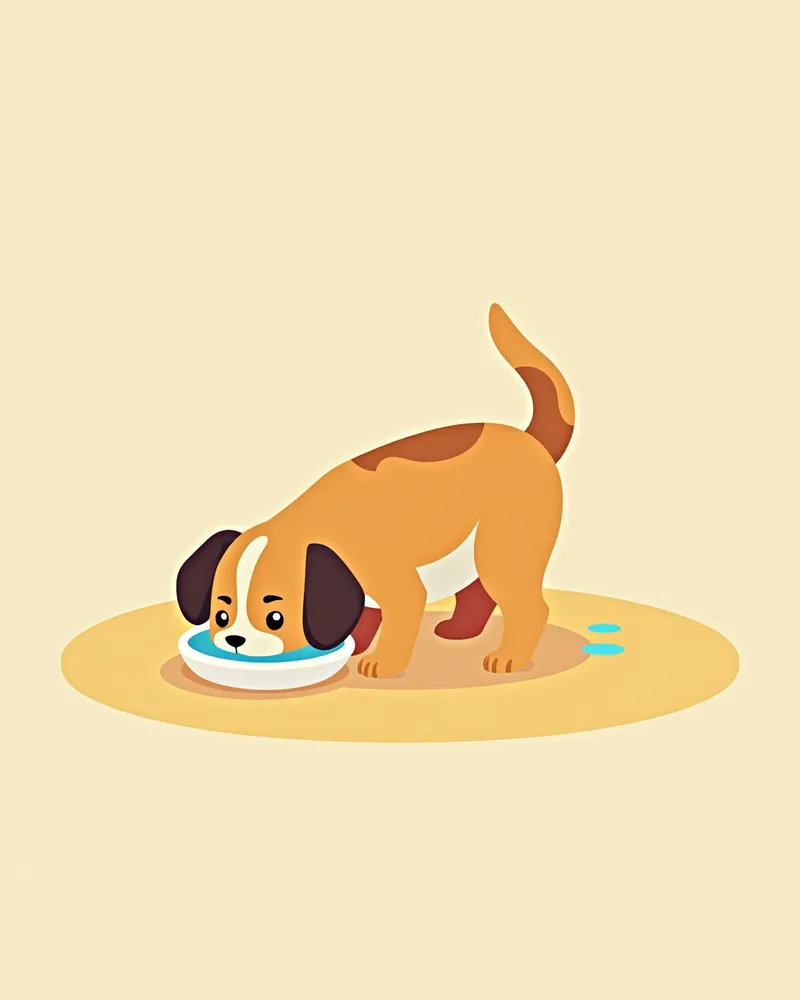
Highlighting the importance of hydration by showing a puppy drinking water.

Precautions to prevent recurrence

Ureteral stones have a high likelihood of recurrence. It is important to manage your pet’s diet with the special prescription food recommended by your veterinarian and to have annual check-ups. Most importantly, be sure to encourage a habit of drinking plenty of water.

Reviewed by a veterinarian

Dr. Tony — Punnawat Phongkittirak

Dr. Tony — Punnawat Phongkittirak

Veterinarian

A veterinarian who majored in veterinary medicine at Khon Kaen University, Thailand, and completed the IVSA program at North Carolina State University in the United States. Drawing on clinical experience at animal hospitals, he works in the pet healthcare field and is dedicated to building a digital care environment that connects pet parents with veterinarians.

Frequently Asked Questions

Can ureteral stones be completely cured?
While the stones themselves can be removed, ongoing management is essential to reduce the risk of recurrence. Dietary adjustments and adequate hydration are key.
Which breeds are more commonly affected by ureteral obstruction?
Dalmatians and English Bulldogs are at particularly high risk for urate stones, while small breeds such as Miniature Schnauzers, Lhasa Apsos, Shih Tzus, Yorkshire Terriers, and Bichon Frises are more susceptible to calcium oxalate stones. Because genetic predisposition can play a role, it’s important to check your dog’s background before adoption.
I noticed my pet isn’t urinating at home. What should I do?
You need to go to the vet immediately. Inability to urinate is a life-threatening emergency. Handle your pet gently during transport.
Can stones be treated without surgery?
Depending on the size and location of the stones, they can sometimes be dissolved with medication or encouraged to pass naturally. However, larger stones may require surgical removal.
What kind of food should I give my pet for prevention?
Veterinarian-recommended prescription diets help regulate urine pH and inhibit stone formation. Always consult a professional before selecting a diet.

Share

Related Guides

References

[1] Sparkes AH, Caney S, Chalhoub S, et al. Clinical Medicine of the Dog and Cat, 4th Ed. Wiley-Blackwell, 2019.

[2] Notes on Canine Internal Medicine, 4th Ed. Wiley-Blackwell, 2020.

[3] Englar RE. Common clinical presentations in dogs and cats. Hoboken, NJ: Wiley/Blackwell, 2019.

This information is based on veterinary literature and does not replace diagnosis or treatment. Please consult a veterinarian for specific health concerns.

Metapet Co., Ltd. | CEO: Park Sung-yong | Business Reg. No. 417-88-02562 | Seoul, South Korea | Customer Center

Dog Ureteral Stones & Obstruction: Emergency Warning Signs | Meongsiljang