

How Many Types of Cat Ear Shapes Are There? — A Quick Guide to Breed-Specific Ear Forms
Cat ear shapes can be broadly categorized into upright, folded, and curled types, with variations in shape and health considerations depending on the genetic traits of each breed. Here’s a summary of the characteristics and care points for each type.
What Is Cat Ear Shape Classification?

How Is Ear Shape Determined?
Representative Breeds and Characteristics by Ear Shape
| Item | Erect ears | Folded ears | Curled ears |
|---|---|---|---|
| Representative breeds | Korean Shorthair, Persian, Siamese | Scottish Fold | American Curl |
| Ear direction | Stands straight up | Folds forward and down | Curls back and up |
| Genetic disease risk | Low | Osteochondrodysplasia (high) | Relatively low |
| Hearing | Normal | Normal | Normal |
| Special care | General ear cleaning | Periodic joint condition checks | Keeping the inner ear clean |
Even within the same breed, ear cartilage condition can differ between individuals
Prick Ears — The Most Common Form
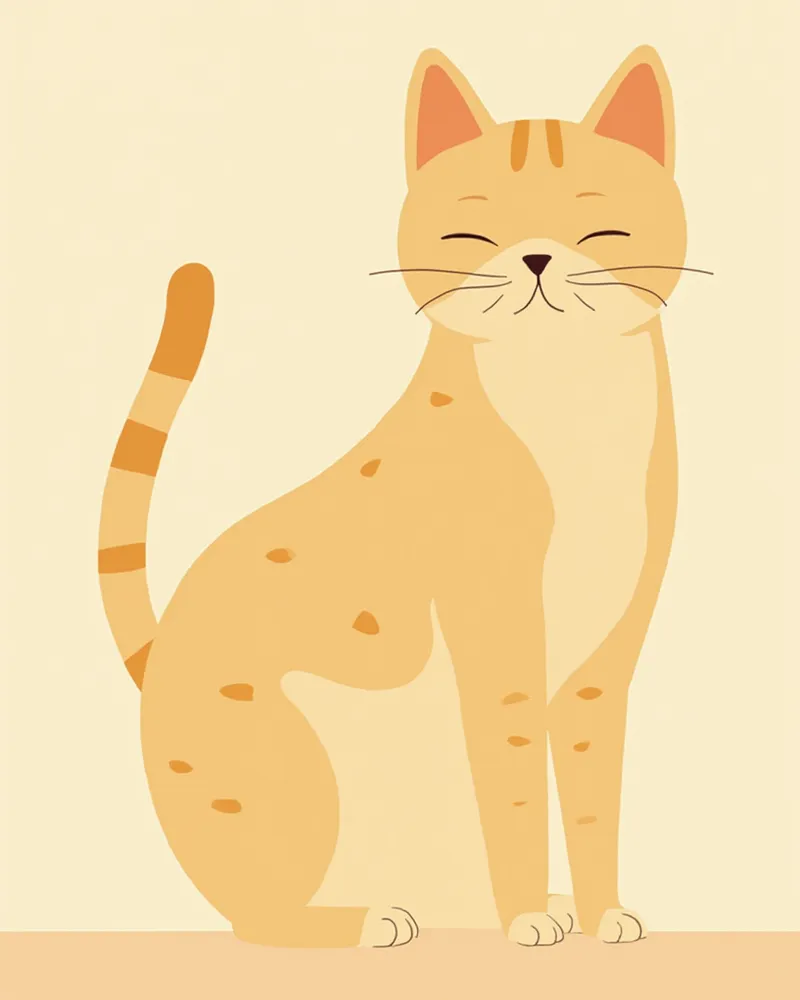
Folded-Ear Breeds: Key Points to Check
Breeds with folded ears, such as Scottish Folds, may carry a hereditary joint condition called osteochondrodysplasia. This disorder affects not only the ear cartilage but also the joints in the legs and tail, which can lead to lameness as the cat grows. If you have adopted a folded-ear cat, we recommend consulting with your veterinarian to monitor joint health regularly throughout its growth stages. If you notice decreased mobility or reluctance to jump, seek veterinary care immediately.
Curled Ears — Characteristics of the American Curl

Common Care Points by Ear Shape
Precautions for Breed Mating
Breeding two Scottish Folds together significantly increases the risk of genetic disorders, so it’s not recommended by international cat associations. Even kittens born from a Scottish Fold and a straight-eared cat may still be at risk for osteochondrodysplasia, so it’s important to check the health history of the parents before adopting. Instead of choosing a cat based solely on appearance, please consider the lifelong commitment to their healthcare and well-being.
Reviewed by a veterinarian

Dr. Tony — Punnawat Phongkittirak
VeterinarianA veterinarian who majored in veterinary medicine at Khon Kaen University, Thailand, and completed the IVSA program at North Carolina State University in the United States. Drawing on clinical experience at animal hospitals, he works in the pet healthcare field and is dedicated to building a digital care environment that connects pet parents with veterinarians.
Reviewed 2026-04-26
Frequently Asked Questions
One of my cat’s ears is folded. Is this normal?
My Scottish Fold is slightly limping. Could this be related to their ear shape?
Does ear shape affect hearing ability?
Is it okay to manually straighten the ears of a fold-eared cat?
Can you tell a mixed-breed cat’s lineage by its ear shape?
Share
Related Guides

Primary vs. Secondary Veterinary Hospitals: A Comparison

5 Easy-to-Raise Cat Breeds for First-Time Owners — Grooming Difficulty Comparison

Top 7 Short-Legged Dog Breeds
Why Get a Kidney Ultrasound for Your Dog? — When to Test and What It Reveals

Should You Feed Prescription Renal Diets to Dogs? — Effects and Feeding Guidelines

What Are Kidney Tumors in Dogs? — How to Spot Early Symptoms

Is Even One Grape Dangerous for Dogs? — Q&A on Raisin Poisoning Symptoms and Emergency Response

Early Screening for Kidney Function in Dogs (SDMA) — Why It’s Needed and When to Get It

Is Your Dog’s Dehydration a Risk to the Kidneys? — Signs You Must Not Miss

Is EPO Deficiency the Cause of Anemia in Dogs with CKD? — From Symptoms to EPO Treatment
References
[1] Little SE, The Cat: Clinical Medicine and Management, 2nd Edition, Elsevier, 2022
[2] Maggs DJ et al., Slatter's Fundamentals of Veterinary Ophthalmology, 6th Edition, 2018
[3] Kunzel W, Breit S, Oppel M, Morphometric investigations of breed-specific features in feline skulls, Anat Histol Embryol, 2003;32(4):218–223