

If Your Senior Dog Barks at Night and Wanders Aimlessly — Key to Diagnosing Canine Cognitive Dysfunction (Dementia)
We’ve compiled a guide to help you assess key symptoms of canine cognitive dysfunction (often referred to as doggy dementia), such as nighttime barking and disorientation, using the DISHAA checklist. It also covers early diagnosis, medication, dietary adjustments, and environmental management strategies.
What Is Canine Cognitive Dysfunction?

Why Does Dementia Occur in Senior Dogs?
DISHAA 5 Key Symptom Checklist
How Is It Diagnosed at the Clinic?
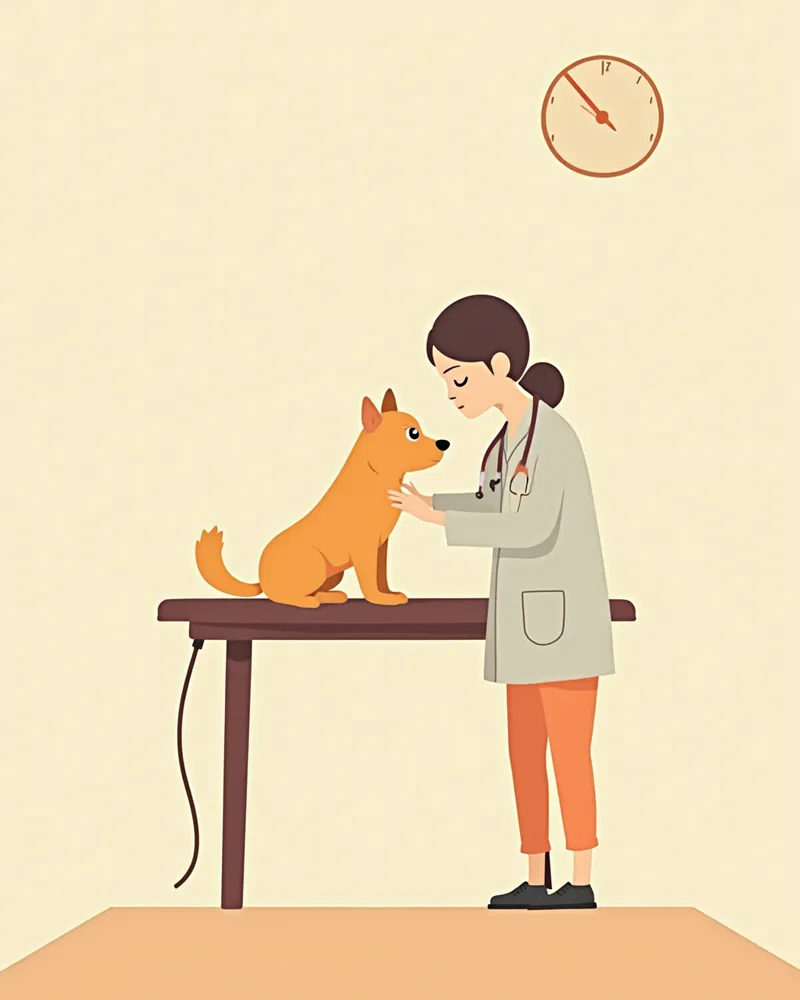
Visit the Clinic Immediately for These Symptoms
Even if it looks like simple dementia, it could be an emergency. If you notice any of the following signs, visit a veterinary clinic within 24 hours. - Sudden seizures or loss of consciousness - Persistent circling in one direction - Sudden onset of head tilt - Refusal to eat or drink for more than 24 hours - Labored breathing with pale or bluish gums In particular, seizures and circling may indicate a brain tumor or vestibular syndrome. Do not assume it is dementia and wait.
What Medications Are Available for Dementia?
Management Points by Stage of Dementia Progression
| Item | Early (mild) | Middle (moderate) | Late (severe) |
|---|---|---|---|
| Main symptoms | Slightly disrupted sleep cycle, occasional blank expression | Frequent nighttime barking, beginning of house-soiling accidents | Fails to recognize the owner, disoriented all day |
| DISHAA assessment | Low score range (mild changes) | Middle score range (symptoms across several domains) | High score range (impairment in most domains) |
| Recommended measures | Diet / environment adjustments + regular checkups | Selegiline + antioxidants + diet | Medication + 24-hour owner care + nighttime lighting |
| Prognosis | Progression can be delayed with management | Symptoms eased with medication / diet | Care focused on maintaining quality of life |
DISHAA is an owner-questionnaire-based assessment tool, so the stage divisions are estimates; an accurate score and stage require veterinary evaluation.
Dietary and Environmental Management You Can Do at Home
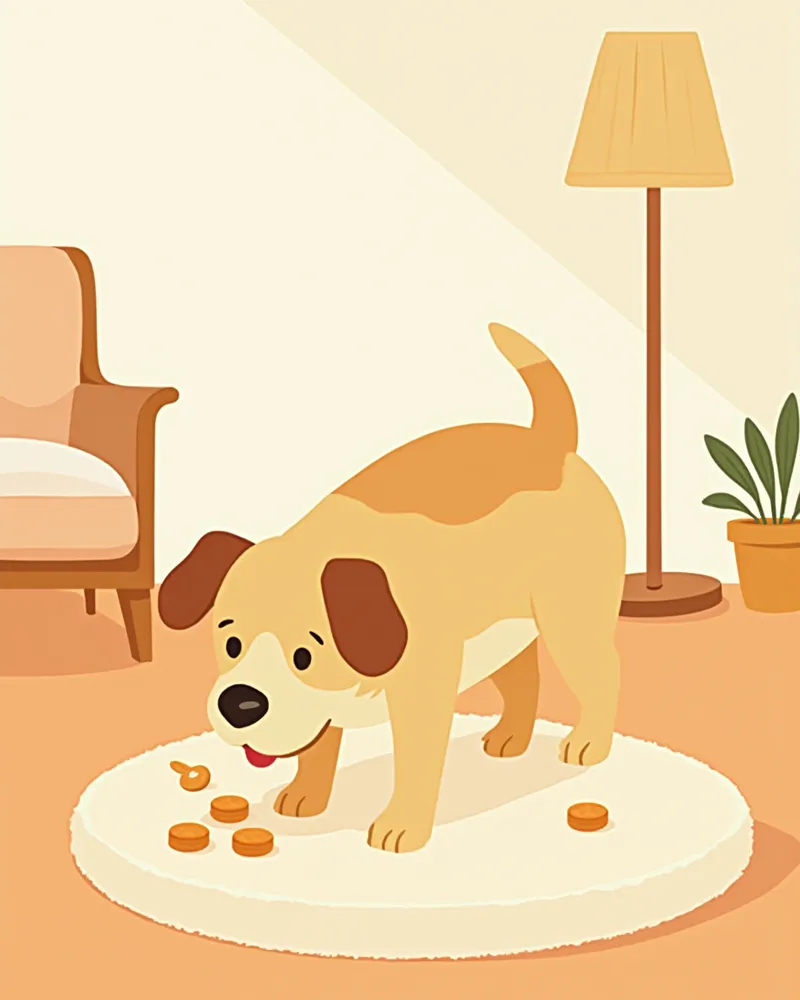
Incorrect Responses to Nighttime Barking
Scolding or isolating an older dog that barks at night can increase its anxiety and worsen the symptoms. Veterinary textbooks emphasize that dogs should never be scolded for accidents or nighttime behaviors. Please avoid the following: - Yelling or scolding loudly (triggers anxiety) - Leaving the dog alone in a dark room (worsens disorientation) - Suddenly withholding water or food before bedtime (risk of dehydration and hypoglycemia) Instead, keep a dim night light on and move the dog’s sleeping area closer to your bedroom to provide a sense of security. If nighttime barking occurs daily and becomes more frequent, you should seriously discuss medication options with your veterinarian.
Reviewed by a veterinarian

Dr. Tony — Punnawat Phongkittirak
VeterinarianA veterinarian who majored in veterinary medicine at Khon Kaen University, Thailand, and completed the IVSA program at North Carolina State University in the United States. Drawing on clinical experience at animal hospitals, he works in the pet healthcare field and is dedicated to building a digital care environment that connects pet parents with veterinarians.
Reviewed 2026-05-05
Frequently Asked Questions
At what age should you start suspecting canine cognitive dysfunction in older dogs?
Can dementia be cured?
What are some good supplements for dementia?
My dog only barks at night—could it be dementia?
Should I keep taking my pet for walks?
Share
Related Guides

7 Behavioral Enrichment Strategies for Mental Stimulation Recommended by Veterinarians
Top 5 Recommended Cognitive Supplements for Cats in 2026

Top 5 Calming Supplements for Dogs and Cats in 2026
Anesthesia for Senior Pets: How to Ensure Safety — Pre-Anesthetic Tests You Must Check
Brachycephalic Breed Anesthesia Protocol and Risks
Are ACE Inhibitors Really Effective for Protecting Dogs and Cats' Kidneys?
What is Peritoneal Dialysis for Dogs and Cats? — Possibilities, Indications, and When It’s Needed

Pet Kidney Transplants: Are They Really Possible? Reality and Limitations
Nephrotic Syndrome (Proteinuria, Hypoalbuminemia)
What is Immunohistochemistry (IHC) Staining? Its Significance in Tumor Diagnosis
References
[1] Nutrient Requirements of Dogs and Cats — Effects in Geriatric Nutrition (NRC)
[2] Applied Veterinary Clinical Nutrition, 2nd Ed — Senior Dog and Cat Nutrition
[3] Introduction to Animal Behavior and Veterinary Behavioral Medicine — Cognitive Decline in Senior Dogs
[4] Landsberg G. et al., Cognitive Dysfunction Syndrome: A Disease of Canine and Feline Brain Aging, Vet Clin North Am Small Anim Pract, 2012