
Like
Share
멍실장
강아지 폐혈전색전증 자주 묻는 질문 Q&A — 보호자가 꼭 알아야 할 핵심

Canine Pulmonary Thromboembolism FAQ — Key Information for Pet Owners

RespiratoryQ&AMeongsiljang Veterinary Advisory Board

Canine pulmonary thromboembolism is a life-threatening condition that can cause acute respiratory distress. Here’s a summary of the causes, symptoms, and management strategies that pet owners should know.

What is Canine Pulmonary Thromboembolism?

An anatomical illustration of a blood clot obstructing the pulmonary artery in a dog
Canine pulmonary thromboembolism is a life-threatening condition in which a blood clot blocks the pulmonary artery, obstructing blood flow and potentially causing acute respiratory distress and hypoxemia, requiring immediate treatment. It can arise from underlying diseases, post-surgical states, hormonal imbalances, heart disease, or tumors, with the risk increasing when blood coagulation becomes excessively activated. Because it can lead to systemic hypoxia, early detection and prompt intervention are crucial for improving survival rates. Additionally, if the underlying condition is not properly managed, the risk of recurrence is high.

Why Does Pulmonary Thromboembolism Occur?
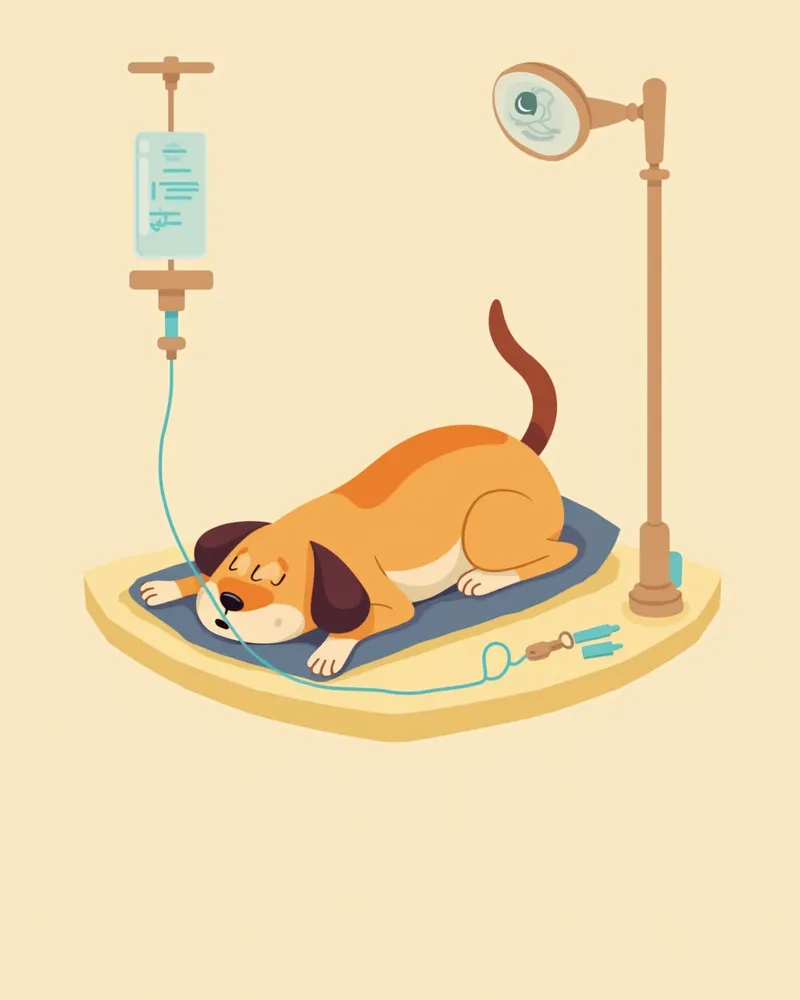
Canine pulmonary thromboembolism occurs when a blood clot blocks the pulmonary artery, typically arising from underlying conditions, post-surgical states, hormonal imbalances, heart disease, or tumors. When the blood’s clotting mechanism becomes overly active, clot formation increases, potentially obstructing the pulmonary vessels. Chronic illnesses, lack of exercise, and inflammatory diseases also serve as risk factors. This condition goes beyond simple vascular blockage, potentially causing systemic hypoxia. Early prevention and management of risk factors are crucial.
After surgery, dogs are at an increased risk of blood clots.

What Are the Main Symptoms?

The primary symptoms of pulmonary thromboembolism in dogs include sudden difficulty breathing and rapid respiration. As oxygen levels drop, the lips and oral mucous membranes may become pale or turn blue (cyanosis). A sharp drop in blood pressure can lead to shock, lethargy, collapse, and decreased consciousness. In severe cases, this condition can progress to hypotension, cardiac arrest, and sudden death, making immediate veterinary care essential. Be especially alert for any unusual breathing patterns or reduced activity levels. Early detection and prompt intervention significantly improve the chances of successful treatment.
Signs of breathing difficulty in dogs: open-mouth breathing and rapid breaths

Signs Requiring Immediate Veterinary Care

If your dog suddenly starts panting heavily, has pale gums, collapses, or appears disoriented, seek immediate veterinary care. These are emergency signs of a pulmonary thromboembolism.

How Is It Diagnosed?
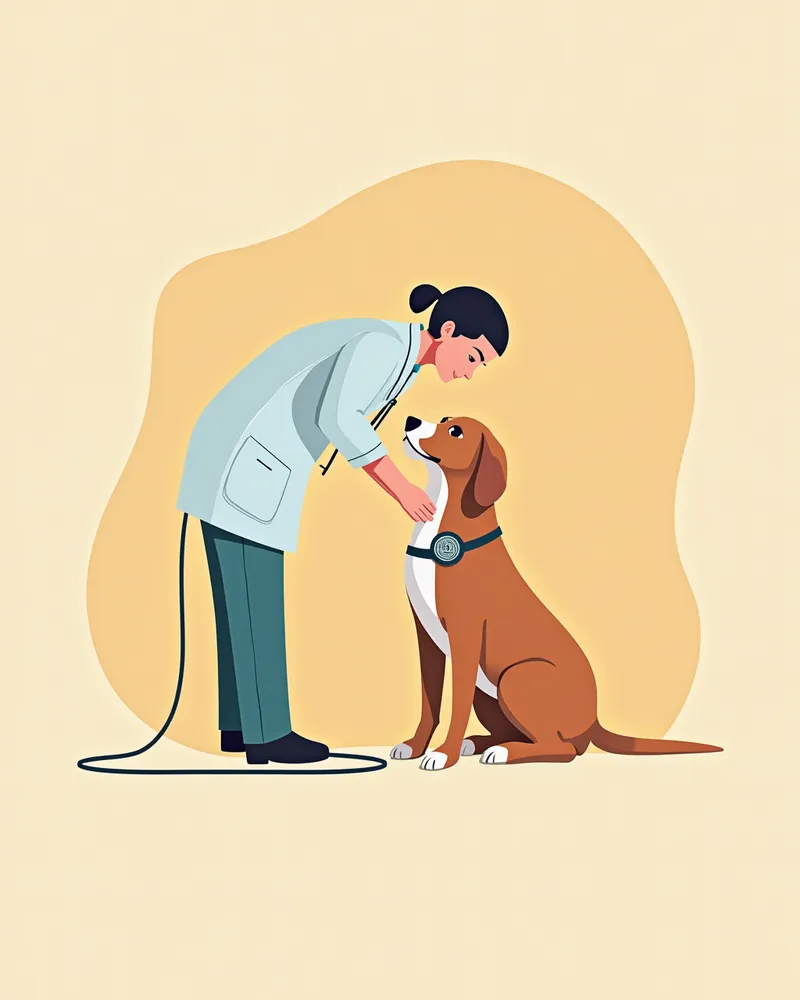
Diagnosing pulmonary thromboembolism in dogs requires a comprehensive approach using chest X-rays, blood tests, cardiac ultrasound (echocardiography), and CT pulmonary angiography. Because confirming the diagnosis in a living patient can be challenging, multiple tests are often used together. Echocardiography helps assess right ventricular function and the condition of the pulmonary artery, while CT pulmonary angiography is increasingly used to identify blood clots (filling defects) within the vessels. Chest X-rays may reveal an enlarged pulmonary artery or changes in the shape of the right side of the heart. For an accurate diagnosis, it is essential to combine these tests and rely on the veterinarian’s comprehensive clinical judgment.
Chest X-ray for diagnosing canine pulmonary thromboembolism

What Are the Treatment Options?

Treatment involves managing the underlying condition, providing oxygen therapy, administering anticoagulants, and using thrombolytics when necessary. Oxygen therapy is essential to relieve respiratory distress and prevent hypoxemia. Anticoagulants help prevent new clots from forming and may need to be given long-term, depending on your veterinarian’s assessment. Regular check-ups and monitoring of medications are important throughout the treatment period. Thrombolytics may be considered, especially if blood circulation is unstable.
Oxygen therapy is being administered to the puppy.

Home Management Strategies

After a dog experiences a pulmonary thromboembolism, proper management is crucial and includes addressing the underlying condition, administering anticoagulants, restricting activity, and scheduling regular veterinary check-ups. If oxygen supplementation is needed, home oxygen capsules or masks can be used. Exercise should be gradually reintroduced under veterinary guidance, and weight management is essential. Dietary adjustments and stress reduction also aid recovery. Medications must be given at the correct times and doses, and any side effects should be reported to the vet immediately. Consistent care is key to preventing recurrence.
The puppy is wearing an oxygen mask at home.

Symptom Comparison by Severity: Mild vs. Moderate vs. Severe

ItemMildModerateSevere
Breathing difficultySlightly short of breathPersistent shortness of breathSevere shortness of breath, mouth open
Lip/mucous membrane colorNormalSlightly palePale or blue (cyanosis)
Level of consciousnessNormalDrowsyClouded consciousness or collapse
Activity levelNormalDecreased activityUnable to move

The higher the severity, the greater the risk of hypotension and cardiac arrest, so an immediate hospital visit is needed.

Reviewed by a veterinarian

Dr. Tony — Punnawat Phongkittirak

Dr. Tony — Punnawat Phongkittirak

Veterinarian

A veterinarian who majored in veterinary medicine at Khon Kaen University, Thailand, and completed the IVSA program at North Carolina State University in the United States. Drawing on clinical experience at animal hospitals, he works in the pet healthcare field and is dedicated to building a digital care environment that connects pet parents with veterinarians.

Frequently Asked Questions

Is canine pulmonary thromboembolism treatable?
This condition is treatable. With early diagnosis and appropriate treatment, recovery is possible; however, because definitive diagnosis during life can be challenging and the prognosis is guarded, severe cases carry a risk of death. Effective management of underlying diseases and the use of anticoagulants are key components of treatment. Prompt veterinary care is essential.
Can it be prevented?
Prevention is possible. You can reduce the risk by managing underlying conditions, controlling activity levels after surgery, and administering prophylactic anticoagulants to high-risk patients. It’s important to consult with your veterinarian to develop a personalized prevention plan.
Which dogs are at risk?
Dogs with underlying conditions such as immune-mediated hemolytic anemia, sepsis, hyperadrenocorticism (a hormonal disorder), tumors, or nephrotic syndrome are at higher risk. The risk also increases in situations where blood clots excessively, blood flow stagnates, or the inner lining of blood vessels is damaged. Caution is also advised for dogs that lie down for prolonged periods or have chronic illnesses.
Are there any side effects of anticoagulants?
Yes, there is a risk of bleeding. While your pet is taking this medication, it’s important to monitor for any signs of bleeding, such as bruising on the skin, blood in the stool, or bleeding from the gums or nose. If you notice any of these symptoms, please contact your veterinarian immediately.
Is it possible to provide oxygen therapy at home?
Yes, it is possible. You can use oxygen capsules or masks recommended by a veterinarian. Regular check-ups and monitoring are necessary, and oxygen supply helps alleviate hypoxemia.

Share

Related Guides

References

[1] Plumb's Veterinary Drug Handbook, 9th ed. 2022. Wiley-Blackwell.

[2] Ettinger, S.J. & Feldman, E.C. (2021). Textbook of Veterinary Internal Medicine, 9th ed. Elsevier.

[3] American College of Veterinary Internal Medicine (ACVIM). (2020). Consensus Statement on Canine Pulmonary Thromboembolism. Journal of Veterinary Internal Medicine, 34(3), 1023–1034.

This information is based on veterinary literature and does not replace diagnosis or treatment. Please consult a veterinarian for specific health concerns.

Metapet Co., Ltd. | CEO: Park Sung-yong | Business Reg. No. 417-88-02562 | Seoul, South Korea | Customer Center

5 FAQs About Canine Pulmonary Thromboembolism | Meongsiljang