Like
Share
멍실장
노견 시력 저하 적응 도움

Helping Senior Dogs Adapt to Vision Loss

Eye HealthQ&AMeongsiljang Veterinary Advisory Board

Vision loss in senior dogs is a gradual change that occurs with aging. Maintaining consistent furniture placement, using vocal cues, and practicing safe walking techniques can help your dog adapt comfortably.

How Can You Help a Senior Dog with Vision Loss?
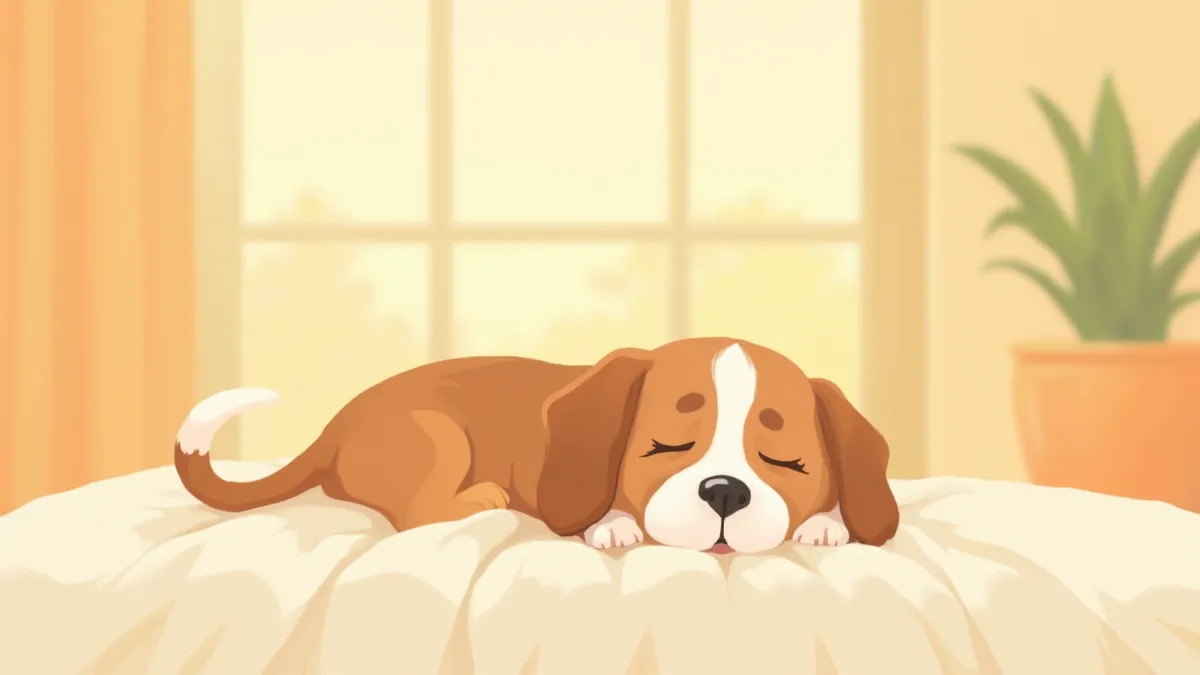
An elderly dog resting in the sunlight by the window.
Vision loss in senior dogs is a condition where the lens, retina, and optic nerve gradually deteriorate due to aging, causing the dog to see things blurry. The most important thing is to keep the environment unchanged. By keeping furniture in the same place, using your voice and footsteps to guide them, and adding safety measures to stairs and slopes, your dog can memorize the layout of the house through smell and hearing, allowing them to live as usual.

Why Does Vision Decline with Age?

Dogs typically begin to show age-related changes in their eye tissues after the age of seven. The most common conditions include nuclear sclerosis, where the lens hardens and appears cloudy; cataracts, caused by the degeneration of lens proteins; and progressive retinal atrophy (PRA), in which retinal cells gradually deteriorate. When these conditions are compounded by systemic diseases such as glaucoma, hypertension, or diabetes, vision loss can progress more rapidly.

What Are the Differences in Eye Changes in Senior Dogs?

ItemNuclear sclerosisCataractProgressive retinal atrophy
Eye colorBluish / grayishCloudy white and opaqueAppears normal
Effect on visionAlmost noneModerate to blindnessGradual vision loss and blindness
Rate of progressionVery slowDays to years (diabetic types, etc., may appear suddenly)Months to years
TreatabilityNo treatment neededRecoverable with surgeryUntreatable, management only

It is difficult to distinguish by the naked eye, so an accurate diagnosis requires an ophthalmic examination.

How to Check for Signs of Vision Loss
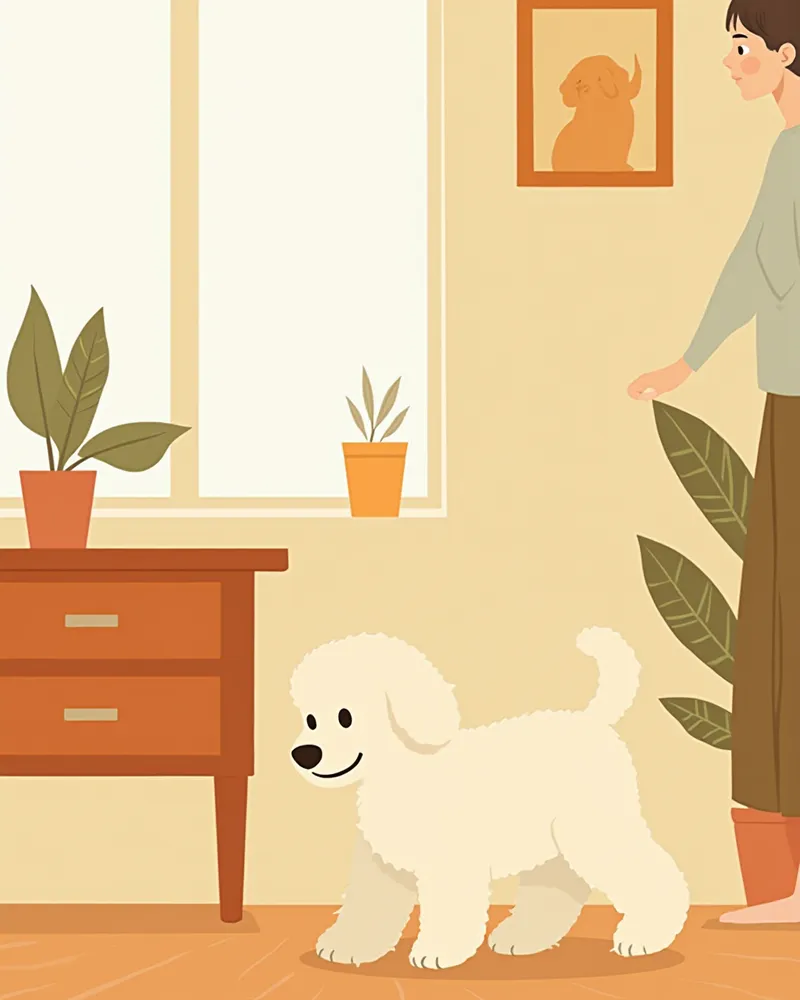
Vision loss typically progresses gradually, making it difficult for pet owners to notice. If you observe any of the following behaviors persisting for more than two weeks, we recommend scheduling an ophthalmic examination at a veterinary clinic. - Bumping into furniture edges: Hesitating or walking along walls even on familiar paths - Fear of stairs: Pausing or refusing to go up or down - Locating toys only by scent: Sniffing out a rolled ball rather than tracking it visually - Increased anxiety in low light: Frequently stopping or stumbling during evening walks - Looking in the wrong direction when called: Relying on hearing rather than sight to locate you
An elderly dog with impaired vision walking carefully indoors

When to Go to the Vet Immediately

Sudden vision changes may not be simple age-related decline. Acute glaucoma, retinal detachment, and hypertensive retinopathy can lead to irreversible blindness within hours to days. If your pet suddenly starts bumping into walls, shows red, congested eyes with signs of pain, or has unequal pupil sizes, seek emergency veterinary care immediately. In diabetic pets, rapid whitening of the eyes may indicate acute diabetic cataracts, requiring prompt surgical evaluation. Since cataracts can develop suddenly, it’s safest to have an ophthalmic exam as soon as you notice any unusual changes.

How to Adjust the Home Environment
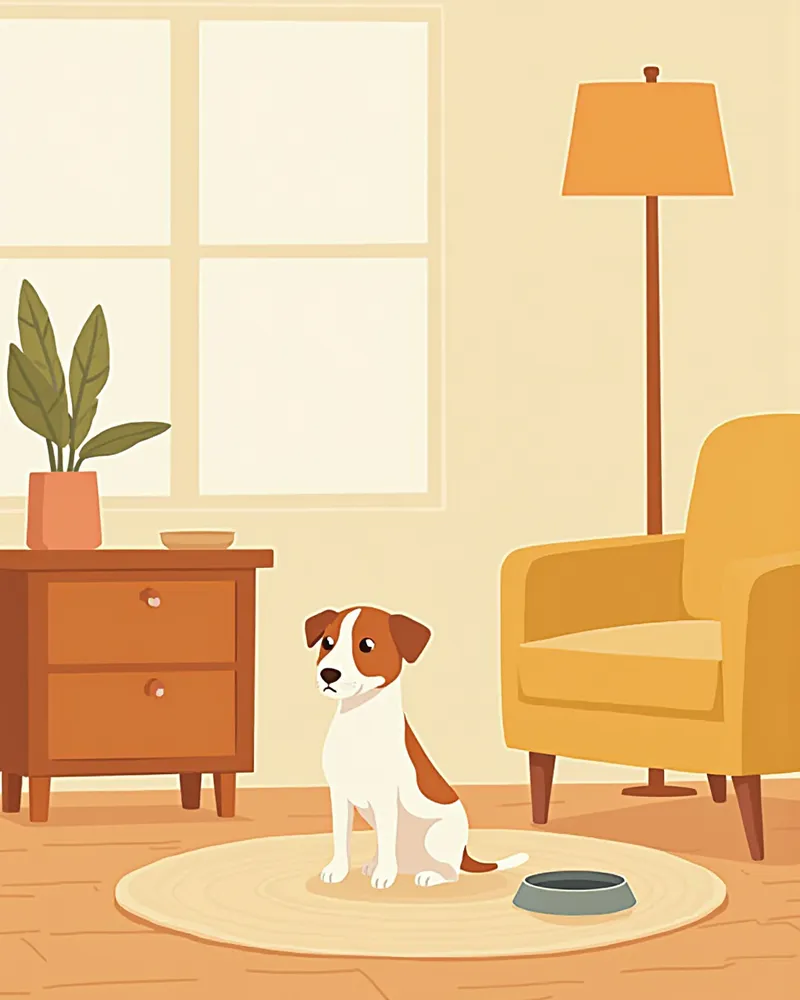
Senior dogs rely on their sense of smell, hearing, and memory to navigate their surroundings. Frequent changes to the environment can increase anxiety and the risk of accidents. - Keep furniture arrangements consistent: Do not move the locations of food and water bowls or bedding. - Install corner guards: Apply cushioning tape to the edges of tables and furniture. - Use stair gates: Block access to stairs on both the upper and lower levels to prevent falls. - Prevent slipping on floors: Use rugs or yoga mats to clearly mark walking paths. - Provide nighttime lighting: Keep gentle sensor lights on in hallways and around bathrooms. - Use scent markers: Place a diffuser or a specific fragrance near feeding areas to help your dog orient themselves.
An indoor environment for senior dogs, equipped with non-slip mats.

Guide Direction with Voice and Signals

For a dog with poor vision, your voice is their most reliable GPS. Using consistent words and tone helps reduce their anxiety significantly. - When approaching: Call their name and approach slowly. Sudden movements may startle them, potentially causing a defensive bite. - At stairs or thresholds: Use short, consistent cues like “stairs” or “careful.” - When changing direction during walks: Say “left” or “right” before gently guiding with the leash. - Before petting: Let them sniff your hand first, then stroke their shoulders or chest. Reaching over their head can be startling.

How to Walk Safely?

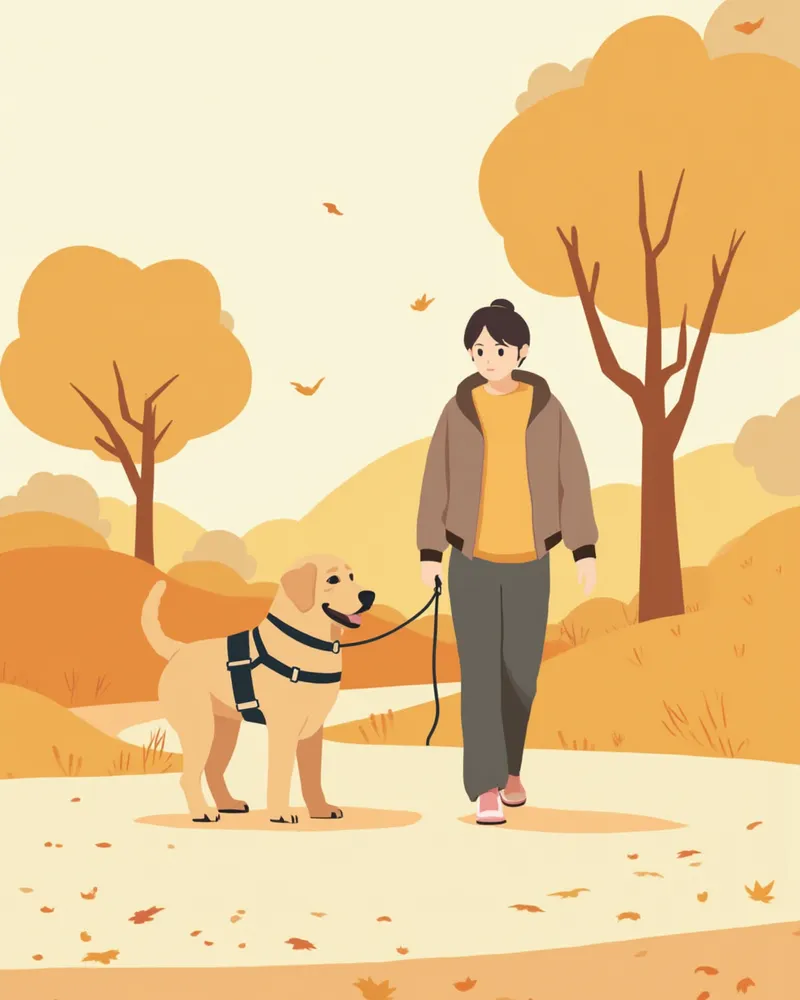
Even if your pet’s vision declines, regular walks remain essential. Stimulating their sense of smell and maintaining muscle strength help prevent dementia and sarcopenia. - Stick to familiar routes: Repeat walks in parks and neighborhoods they already know rather than exploring new paths. - Short and frequent: Instead of one long walk, split it into two or three sessions of 15–20 minutes each. - Walk during daylight: Daylight provides better contrast, making it easier for them to navigate. - Use a Y-shaped harness: Opt for a chest-and-back distributing harness instead of a collar to reduce impact from sudden stops or collisions. - Reflective and LED collars: These help cyclists and other dogs notice your pet sooner. - Avoid sudden stimuli: Steer clear of ball games and bicycle lanes to minimize unexpected noises or movements.
An elderly dog wearing a harness and taking a slow walk with its owner.

Be More Careful When Accompanied by Dementia

Vision loss in senior dogs often overlaps with Canine Cognitive Dysfunction Syndrome (CDS). CDS is not uncommon in older dogs, and its prevalence tends to increase with age. When vision declines, behaviors such as pacing at night or hiding in corners may worsen. If you also notice nighttime wandering, day-night reversal, or failure to recognize their owner, please schedule both an ophthalmic examination and a neurological and behavioral assessment.

Reviewed by a veterinarian

Dr. Tony — Punnawat Phongkittirak

Dr. Tony — Punnawat Phongkittirak

Veterinarian

A veterinarian who majored in veterinary medicine at Khon Kaen University, Thailand, and completed the IVSA program at North Carolina State University in the United States. Drawing on clinical experience at animal hospitals, he works in the pet healthcare field and is dedicated to building a digital care environment that connects pet parents with veterinarians.

Frequently Asked Questions

My senior dog’s eyes have a bluish tint—could it be cataracts?
Most cases are nuclear sclerosis, a natural age-related hardening of the lens that doesn’t significantly affect vision. However, it can be difficult to distinguish from cataracts with the naked eye, so a veterinary ophthalmic exam is the safest way to confirm the diagnosis.
Can a pet that has completely lost its vision still live a happy life?
Yes, dogs have excellent senses of smell and hearing, so they can adapt well even without vision. By keeping their environment consistent and using clear, predictable cues, they can comfortably go for walks, eat meals, and play.
Can eye supplements slow down vision loss in senior dogs?
Research suggests that antioxidants may help reduce oxidative damage to eye tissues. However, they cannot reverse cataracts or retinal atrophy that have already developed. Always consult your veterinarian before using any supplements, and use them only as a complementary support.
Is it okay to have my dog live with other dogs?
Most dogs get along well. However, if you approach them suddenly, they may startle and react defensively. If the puppy is overly energetic, please provide a separate space and quiet time for them to rest.
Is it okay to move house or go on a trip?
Environmental changes can be highly stressful for dogs with poor vision. If a move is necessary, bring along familiar items such as their usual cushion, toys, and blanket to provide comfort. For the first few days in the new space, keep them on a leash so they can safely and gradually learn the layout of their new surroundings.

Share

Related Guides

References

[1] Ettinger SJ, Feldman EC, Côté E. Textbook of Veterinary Internal Medicine: Diseases of the Dog and the Cat. 8th ed. Elsevier; 2017.

[2] Maggs DJ, Miller PE, Ofri R. Slatter's Fundamentals of Veterinary Ophthalmology. 6th ed. Elsevier; 2018.

[3] Landsberg GM, Nichol J, Araujo JA. Cognitive dysfunction syndrome: a disease of canine and feline brain aging. Vet Clin North Am Small Anim Pract. 2012;42(4):749-68.

[4] Côté E. Clinical Veterinary Advisor: Dogs and Cats. 3rd ed. Elsevier Mosby; 2015.

This information is based on veterinary literature and does not replace diagnosis or treatment. Please consult a veterinarian for specific health concerns.

Metapet Co., Ltd. | CEO: Park Sung-yong | Business Reg. No. 417-88-02562 | Seoul, South Korea | Customer Center

Helping Your Senior Dog Adapt to Vision Loss: Daily Care Tips | Meongsiljang