
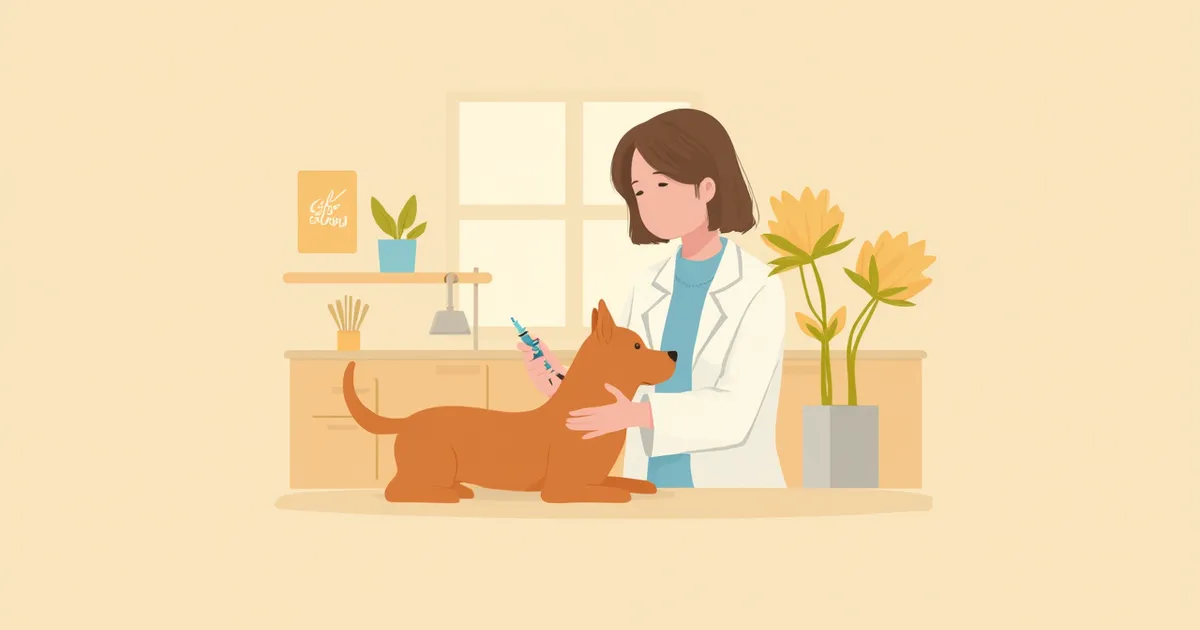
How to Administer Insulin Injections at Home
We’ve compiled a guide based on veterinary textbooks on how to safely administer insulin injections at home for diabetic pets, along with storage and precautionary tips.
What Are Home Insulin Injections?
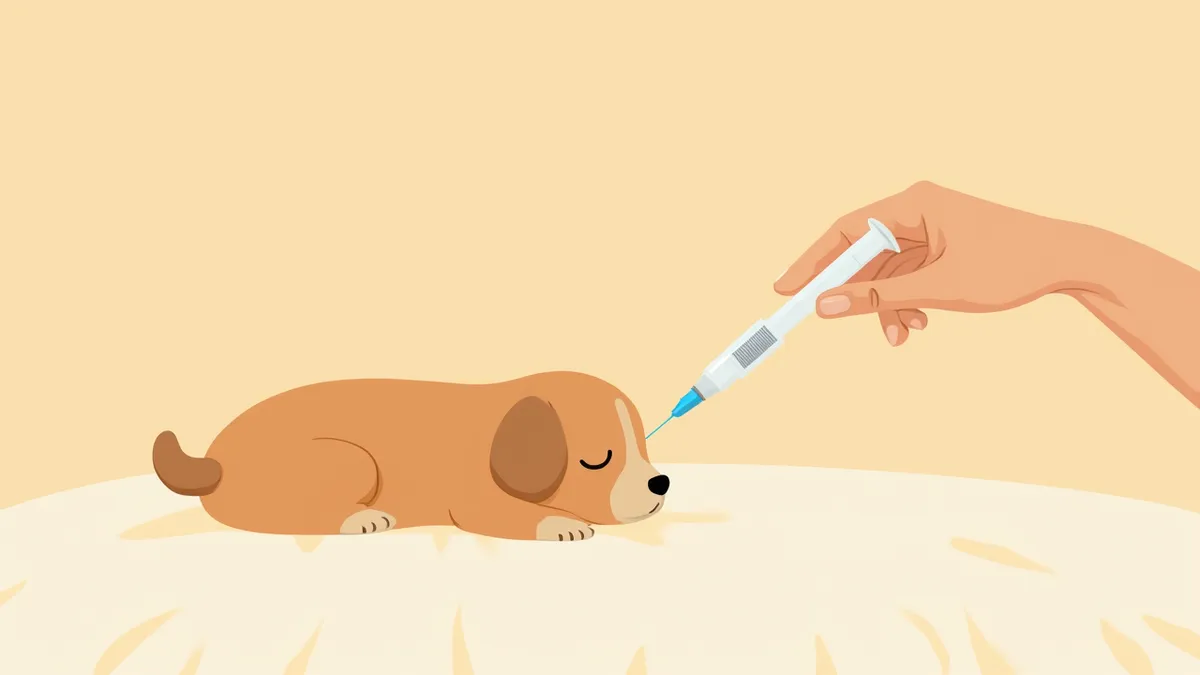
Why Should You Administer Them at Home?
Comparison of Major Insulin Types
| Item | Lente (Vetsulin) | PZI | Glargine (Lantus) |
|---|---|---|---|
| Main target | Dogs and cats | Dogs and cats | Dogs and cats |
| Duration of action | Approximately 8–24 hours | Approximately 6–28 hours | More than 24 hours (>24 hours) |
| Frequency of administration | 1–2 times daily | 1–2 times daily | 1–2 times daily |
| Storage | Refrigerated 2–8℃ | Refrigerated 2–8℃ | Refrigerated 2–8℃ |
Always follow your attending veterinarian's instructions for actual prescription and dosage.
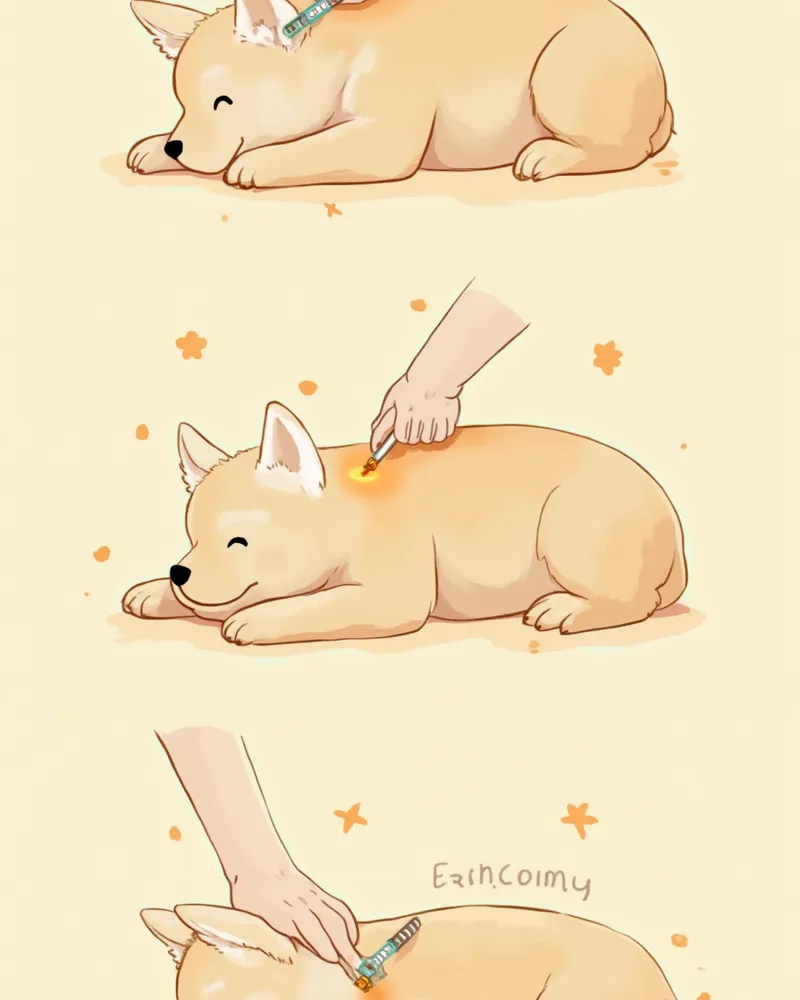
5 Steps for Administering the Injection
Mistakes to Avoid at All Costs
Insulin loses its effectiveness if it’s frozen, left in a hot car, or used past its expiration date. Always double-check the dose right before administering it, and if you’re unsure whether you’ve already given it, never give an extra dose. Overdosing can cause life-threatening hypoglycemia. If your pet refuses to eat, don’t administer the usual dose without consulting your veterinarian first—call for advice instead.
How to Respond to Hypoglycemia

Storage and Hygiene Checkpoints
Regular Blood Glucose Testing Is Essential
According to emergency and critical care veterinary textbooks, persistent hyperglycemia in diabetic patients always requires a thorough evaluation of the underlying cause. Even if insulin is being administered correctly at home, blood glucose curve testing—which tracks how blood sugar levels fluctuate over the course of a day—should be performed at the clinic every one to four weeks, depending on the patient’s clinical condition, to ensure proper dosage adjustment. If dose adjustments are needed, retesting may be required within one week; if blood glucose levels are well controlled, re-evaluation is recommended at four-week intervals, as outlined in clinical guidelines. While home blood glucose monitors can be helpful, they cannot replace periodic veterinary assessments.
Reviewed by a veterinarian

Dr. Tony — Punnawat Phongkittirak
VeterinarianA veterinarian who majored in veterinary medicine at Khon Kaen University, Thailand, and completed the IVSA program at North Carolina State University in the United States. Drawing on clinical experience at animal hospitals, he works in the pet healthcare field and is dedicated to building a digital care environment that connects pet parents with veterinarians.
Reviewed 2026-04-19
Frequently Asked Questions
I forgot to give the injection. Can I give a double dose?
My pet is afraid of injections and cries. What should I do?
It feels like the needle slipped out a little. Should I put it back in?
Is the injection method different for cats and dogs?
I need to travel. How should I pack my insulin?
Share
Related Guides

Chitosan Effects and Obesity/Fat Absorption

Top 5 Weight-Management Dog Food Recommendations for 2026

7 Best Cat Weight-Loss Diets Recommended by Veterinarians and How to Choose

What Is Your Cat’s Play Style? — How to Match Stimulation to Personality

How to Change Kidney Diets for Senior Cats — Key Stage-by-Stage Feeding Guide

Feline Cholangitis and Cholangiohepatitis Guide: From Symptoms to Treatment

Pituitary Tumors and Hormonal Imbalances: How to Recognize and Respond
Perianal Fistulas in Dogs (German Shepherds)

Causes and Management of Macular and Retinal Degeneration
Do pets need blood transfusions too — what happens if blood types don't match?
References
[1] Plumb's Veterinary Drug Handbook, 10th Ed — Insulin chapter
[2] Handbook of Veterinary Pharmacology — III. Hormones and Agents Affecting Endocrine Function, Ch.12
[3] Advanced Monitoring for Small Animal Emergency and Critical Care, 2nd Ed — Hyperglycemia management