Like
Share
멍실장
간 수치(ALT·AST·GGT) 의미와 상승 원인

Meaning of Liver Values (ALT, AST, GGT) and Causes of Elevation

Liver HealthQ&AMeongsiljang Veterinary Advisory Board

We’ve compiled a guide explaining what elevated liver enzymes (ALT, AST, GGT, ALP) mean in blood tests, their causes, differences in interpretation between dogs and cats, emergency symptoms, and home care tips.

What Are Liver Values? How to Read Blood Test Results
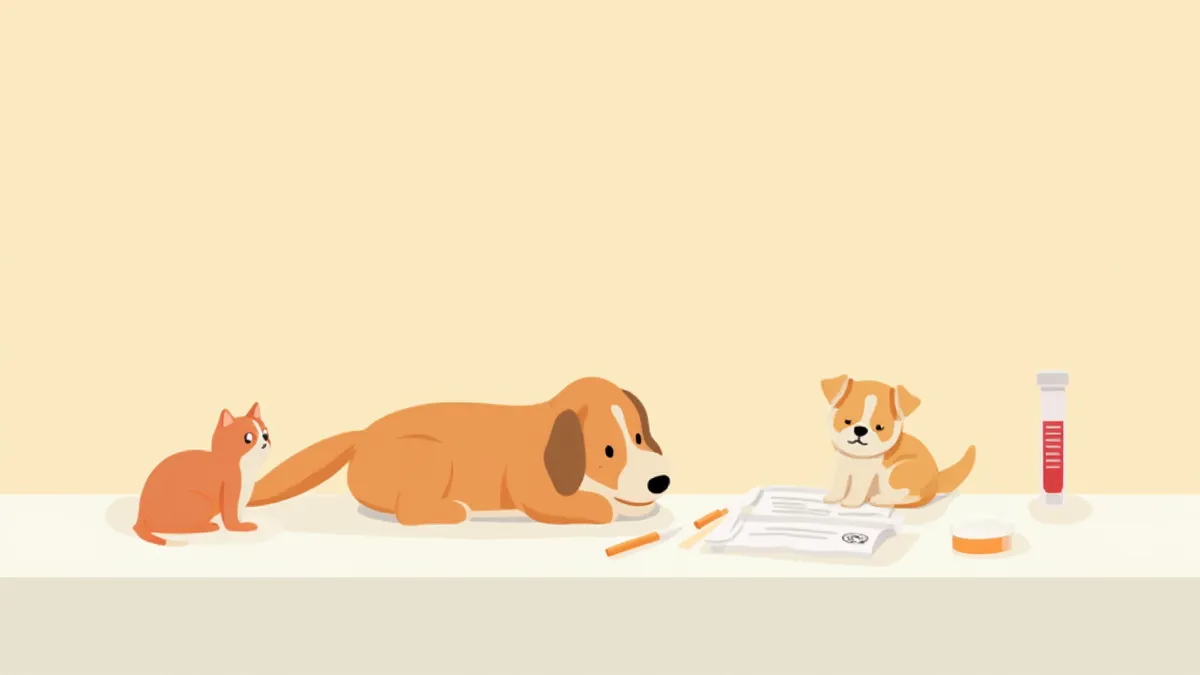
A pet at the animal hospital with its blood test results
Liver values refer to liver-related enzymes (ALT, AST, GGT, ALP) measured in blood tests, serving as health indicators that reveal the extent of liver cell damage and any abnormalities in bile flow. The most important thing to remember is that elevated levels do not automatically mean your pet has liver disease. The underlying cause can vary significantly depending on which specific enzymes are elevated, by how much, and in what combination. These abnormalities are often discovered incidentally during routine health screenings or pre-surgical exams, so the first step is to stay calm and work with your veterinarian to develop a plan for further testing.

What Do ALT, AST, GGT, and ALP Tell You?

ALT (Alanine Aminotransferase): This enzyme is found in high concentrations within liver cells. Elevated levels signal liver cell damage. While it is a key indicator of hepatocellular injury in both dogs and cats, it can also rise in cases of severe muscle damage, so it should be interpreted alongside other test results.
AST (Aspartate Aminotransferase): This enzyme is present not only in the liver but also in muscle and heart tissue. When AST rises alongside ALT, it suggests a liver issue; if only AST is elevated, muscle damage is suspected.
GGT (Gamma-Glutamyl Transferase): This enzyme is associated with the bile ducts (the pathways through which bile flows). Levels increase when there is an issue with bile flow.
ALP (Alkaline Phosphatase): This enzyme is produced by several organs, including bones, bile ducts, and the adrenal glands. It can be naturally elevated in growing puppies and young animals, so it must be interpreted in conjunction with other values.

Reference Ranges for Liver Values in Dogs and Cats

ItemDogCat
ALT10–125 U/L12–130 U/L
AST0–50 U/L10–80 U/L
GGT0–11 U/L0–4 U/L
ALP23–212 U/L14–111 U/L

Your veterinarian will interpret the results based on the clinic's reference values.

Main Causes of Elevated Liver Values
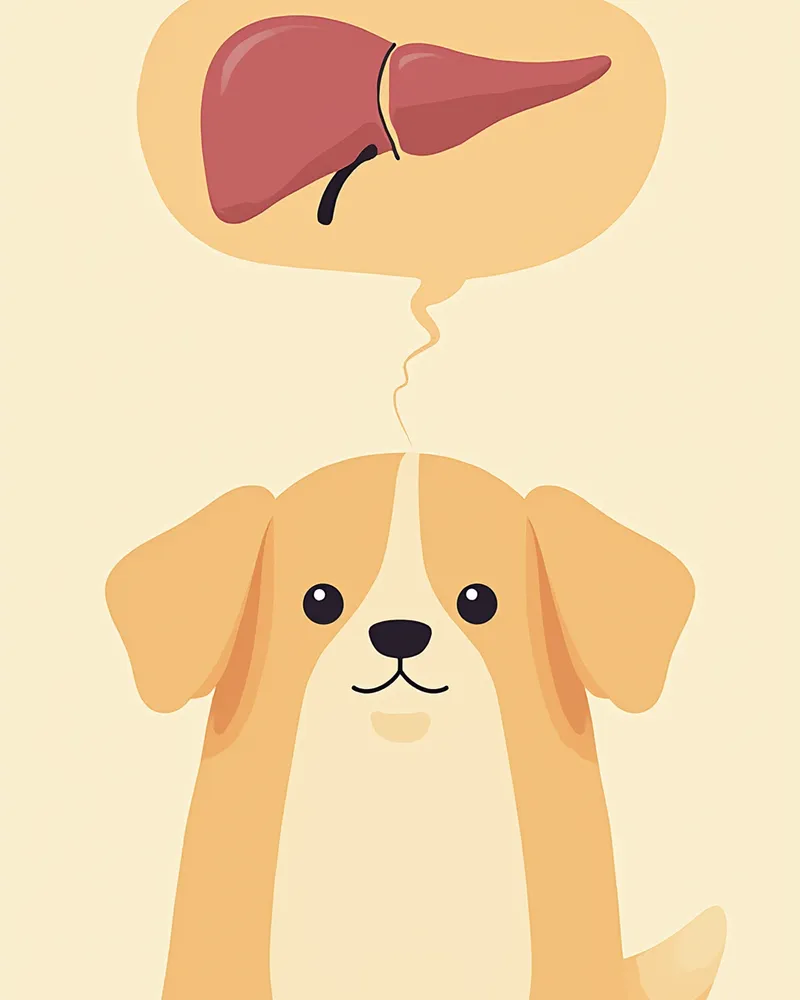
Hepatocellular damage (elevated ALT and AST): This can be caused by viral or bacterial infections, ingestion of toxic substances (such as xylitol, certain medications, or plants), fatty liver disease, or chronic hepatitis. Cholestasis (elevated GGT and ALP): When bile ducts become blocked or narrowed, bile flow is impaired, causing these enzyme levels to rise. Pancreatitis may also occur concurrently. Extrahepatic factors: Conditions such as Cushing’s disease (hyperadrenocorticism), thyroid disorders, and heart disease can also affect liver enzyme levels. If your pet is taking steroid medications, an increase in ALP is a common response.
Illustration comparing a healthy liver with a damaged one

Go to the Vet Immediately If These Symptoms Appear

If abnormal liver values are accompanied by any of the following symptoms, it may be an emergency: jaundice (yellowing of the eyes, gums, or skin), repeated vomiting and diarrhea, complete loss of appetite lasting more than 48 hours, abdominal distension (a bloated abdomen), or sudden lethargy and decreased consciousness. If any of these signs appear, seek immediate care at an emergency veterinary clinic.

Differences in Interpreting Liver Values Between Dogs and Cats

In dogs, ALP levels often rise significantly due to steroid medications or Cushing’s disease. If ALT and GGT levels remain normal, it is unlikely that the liver itself is the primary issue. In cats, ALP has a short half-life, so even a slight increase can be clinically significant. Because even a modest rise in ALP compared to dogs may indicate liver abnormalities, active follow-up evaluation with a veterinarian is recommended regardless of the degree of elevation. Additionally, feline hepatic lipidosis (fatty liver disease) can progress rapidly from loss of appetite alone, so if a cat refuses food for more than two to three days, immediate veterinary care is essential.
A dog and a cat sitting side by side at the veterinary clinic

Additional Tests for Abnormal Liver Values

Liver enzyme levels alone aren’t enough to pinpoint the exact cause, so your veterinarian will typically recommend additional tests.
Abdominal ultrasound: This allows direct visualization of the liver’s size, shape, and bile ducts, helping to detect tumors or gallstones.
Bile acids test: This evaluates whether the liver is actually functioning properly. It’s possible for enzyme levels to be elevated while liver function remains normal.
Coagulation panel: Since the liver produces clotting factors, severe liver dysfunction can increase the risk of bleeding.
Liver biopsy: If the cause is unclear or chronic liver disease is suspected, a small tissue sample is collected under ultrasound guidance for further analysis.

Home Care Tips for Maintaining Liver Health

Blocking toxic substances: Treats containing xylitol, grapes and raisins, onions and garlic, and houseplants such as cycads are extremely hazardous to your pet’s health. The mechanisms of toxicity vary: some directly damage liver cells, while others, like onions, destroy red blood cells and can lead to jaundice. Please also store any human medications securely out of your pet’s reach.
Regular health check-ups: For pets aged seven years and older, we recommend blood tests once or twice a year. Liver disease often presents with few or no symptoms in its early stages, so it is frequently detected only through testing.
Dietary management: If liver disease is diagnosed, a veterinarian-prescribed therapeutic diet formulated for liver support can be beneficial. Do not administer supplements without professional guidance; always consult your veterinarian first.
A healthy dog enjoying its meal in a safe home environment

Inform Your Veterinarian If Your Pet Is Taking Medications or Supplements

Certain medications—such as steroids, anticonvulsants, nonsteroidal anti-inflammatory drugs (NSAIDs), and antifungals—can themselves elevate liver enzyme levels. Be sure to inform your veterinarian about any medications or nutritional supplements your pet is currently taking before a health checkup. If the elevated values are medication-induced, the issue can often be resolved by adjusting the dosage or switching to an alternative drug.

Reviewed by a veterinarian

Dr. Tony — Punnawat Phongkittirak

Dr. Tony — Punnawat Phongkittirak

Veterinarian

A veterinarian who majored in veterinary medicine at Khon Kaen University, Thailand, and completed the IVSA program at North Carolina State University in the United States. Drawing on clinical experience at animal hospitals, he works in the pet healthcare field and is dedicated to building a digital care environment that connects pet parents with veterinarians.

Frequently Asked Questions

My pet’s liver enzyme levels are slightly elevated, but there are no symptoms. Is that okay?
The liver has a large functional reserve, so noticeable symptoms often don’t appear until significant damage has occurred. Even if the values are slightly elevated, it’s safest to recheck in 2–4 weeks to monitor the trend.
Does an elevated liver enzyme level always indicate liver disease?
Not necessarily. There are many non-liver-related causes, such as muscle damage, endocrine disorders, and drug reactions. A comprehensive assessment is needed, considering which specific enzymes are elevated and the results of other tests.
Can I give my pet supplements that are said to be good for the liver?
Although many supplements are marketed as beneficial for liver health, veterinary evidence supporting their efficacy remains limited. Relying solely on supplements without identifying the underlying cause can be risky, so please always consult your veterinarian before giving your pet any supplement.
When should I schedule a follow-up test to recheck my pet’s liver values?
The recommended follow-up depends on how much the values have risen. Mild elevations are typically rechecked in 2–4 weeks, while more pronounced increases warrant a follow-up in 1–2 weeks. Your veterinarian will set the schedule based on your pet’s individual condition.
My cat hasn’t eaten for two days. Could it be a liver problem?
Cats can develop hepatic lipidosis, also known as fatty liver disease, if they go without food for just two to three days. If your cat has lost its appetite for more than two days, please take it to the vet for an examination as soon as possible.

Share

Related Guides

References

[1] Stockham SL, Scott MA. Fundamentals of Veterinary Clinical Pathology, 3rd Edition. Wiley-Blackwell.

[2] Schaer M, Gaschen F. Clinical Medicine of the Dog and Cat, 4th Edition. CRC Press.

[3] Little SE. The Cat: Clinical Medicine and Management, 2nd Edition. Elsevier.

This information is based on veterinary literature and does not replace diagnosis or treatment. Please consult a veterinarian for specific health concerns.

Metapet Co., Ltd. | CEO: Park Sung-yong | Business Reg. No. 417-88-02562 | Seoul, South Korea | Customer Center

Liver Values (ALT, AST, GGT) in Dogs & Cats: Causes | Meongsiljang