Like
Share
멍실장
강아지 임신·수유 중 기생충 관리 자주 묻는 질문 Q&A — 보호자가 꼭 알아야 할 핵심

Frequently Asked Questions on Parasite Management During a Dog’s Pregnancy and Lactation — Key Points for Pet Owners

Infection/ParasitesQ&AMeongsiljang Veterinary Advisory Board

Managing parasites during a dog’s pregnancy and lactation can be a major concern for pet owners. Here’s a summary of safe management methods and important precautions.

Parasite Management During a Dog’s Pregnancy and Lactation Requires Safe Methods

A pregnant puppy receiving parasite prevention treatment together with a veterinarian.
Managing parasites during pregnancy and lactation is a major concern for dog owners. Medications must be used with caution during pregnancy, and during lactation, parasite larvae can be transmitted to puppies through the mother’s milk. In fact, parasites such as Toxocara (roundworms) can cross the placenta during pregnancy and pass to puppies via milk during the first three weeks after birth. These transmitted parasites can cause severe symptoms in young puppies, which may appear even before eggs are detected in their feces. Therefore, it is essential to establish a prevention and deworming plan at the appropriate times under veterinary guidance, and self-medication should be strictly avoided.

The Key to Parasite Management During Pregnancy Is Timing and Medication Selection
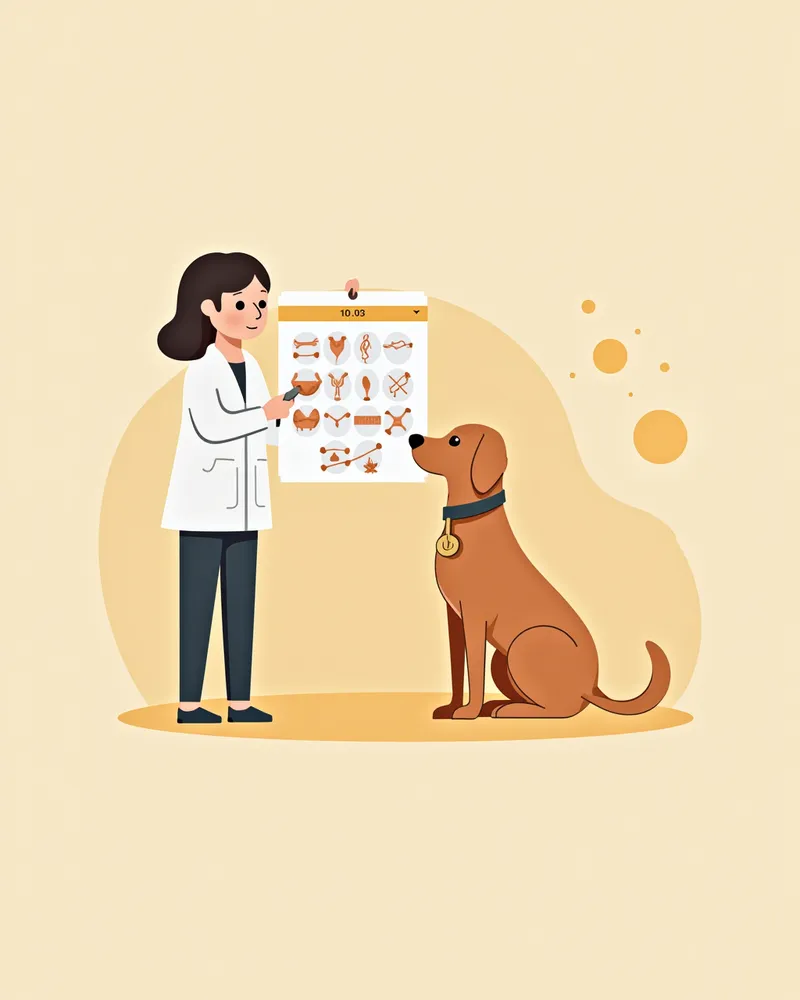
Managing parasites during pregnancy requires careful attention to timing and medication selection. For safety, always use parasiticides under a veterinarian’s diagnosis and prescription, with decisions made cautiously based on the stage of pregnancy and the individual animal’s condition. Parasites such as Toxocara (roundworms) and hookworms can be transmitted to the fetus through the placenta during pregnancy and to the puppies through milk after birth, so it is essential to consult your veterinarian to implement prevention at the appropriate time. Self-prescribing is strictly prohibited; medications must be prescribed by a veterinarian who considers the animal’s body weight and gestational stage.
A chart outlining the safe use of medications for parasite prevention during pregnancy, organized by trimester.

Preventing Parasites During Lactation Is the First Step in Protecting Puppies’ Health

Preventing parasites in nursing puppies is key to protecting their health. Parasite larvae can be transmitted through the mother’s milk; specifically, Toxocara larvae can pass to puppies via breast milk during the first three weeks of nursing. Therefore, safe deworming under a veterinarian’s guidance is necessary even while the mother is nursing. Veterinarians typically recommend managing both the mother and her puppies together, adjusting the medication and timing according to the puppies’ age and weight. Since young puppies can show symptoms even before parasite eggs are detected in their feces, early prevention and close observation are beneficial for their growth and overall health.
A nursing mother dog with her healthy puppies.

Comparison Chart of Deworming Medication Timing During Pregnancy and Lactation

ItemStageUsable MedicationsPrecautionsRecommended
Early pregnancy (weeks 1–4)Limited use possible at the veterinarian's discretionDecide on medication use carefully during pregnancyMedication use in early pregnancy is not absolutely prohibited, but should be used cautiously and only when truly necessary⚠️
Mid pregnancy (weeks 5–6)Medication use possible based on veterinary prescriptionAccurate dosage and timing are importantAlways consult a veterinarian about medication use during pregnancy
Late pregnancy (weeks 7–8)Medication use under veterinary guidanceConcurrent management of mother and puppies is recommended to prevent infection of the puppies after birthRegular examination and management are essential
During nursing (after birth)Use medications recommended by the veterinarianBecause larvae can be transmitted through the milk, deworm under veterinary guidanceAdjust dosage considering the puppies' age and weight

All medications must be used under a veterinarian's prescription, and dosage is adjusted according to weight and age. It is recommended that puppies be dewormed for the first time at 2 weeks of age, again 2–3 weeks later, and once more at around 2 months of age; at this time it is advisable to deworm the mother as well.

Forced Use of Deworming Medication During Pregnancy Can Be Dangerous to the Fetus

We do not recommend self-administering deworming medication during pregnancy. Because drug use must be carefully considered during this period, self-prescribing or arbitrary use is strictly prohibited. The choice of medication and timing should be determined by a veterinarian’s accurate diagnosis and prescription. During pregnancy, medications should only be used when absolutely necessary and under veterinary guidance, with regular check-ups to determine the safest time for treatment.

5 Daily Care Tips for Parasite Prevention

Preventing parasites isn’t just about medication—daily care plays a crucial role. - Environmental Cleaning: Clean and disinfect the areas where puppies play most frequently every day. - Food Hygiene: Store food in airtight containers and regularly wash individual feeding bowls. - Post-Outing Care: Clean your pet’s paws and fur after going outside, and take care to prevent parasites from attaching to their coat. - Regular Check-ups: Work with your veterinarian to schedule routine parasite screenings and establish a preventive care plan. - Nursing Care: During nursing, combine medication and hygiene practices to prevent parasites from being transmitted through breast milk.
A scene depicting the management of a healthy living environment for dogs and puppies.

Using Deworming Medication Without a Veterinarian Can Cause Serious Harm to Puppies

Using dewormers without a veterinarian’s prescription can harm puppies. During lactation, medications ingested by the mother or parasite larvae may be transmitted to the puppies through breast milk, so self-prescribing is strictly prohibited. A veterinarian must adjust the medication and dosage according to the puppy’s weight and age. Young puppies can exhibit severe symptoms even before parasite eggs appear in their feces, so early collaboration with a veterinarian for proper management is essential.

The Success of Parasite Prevention Begins with Regular Check-ups and Collaboration
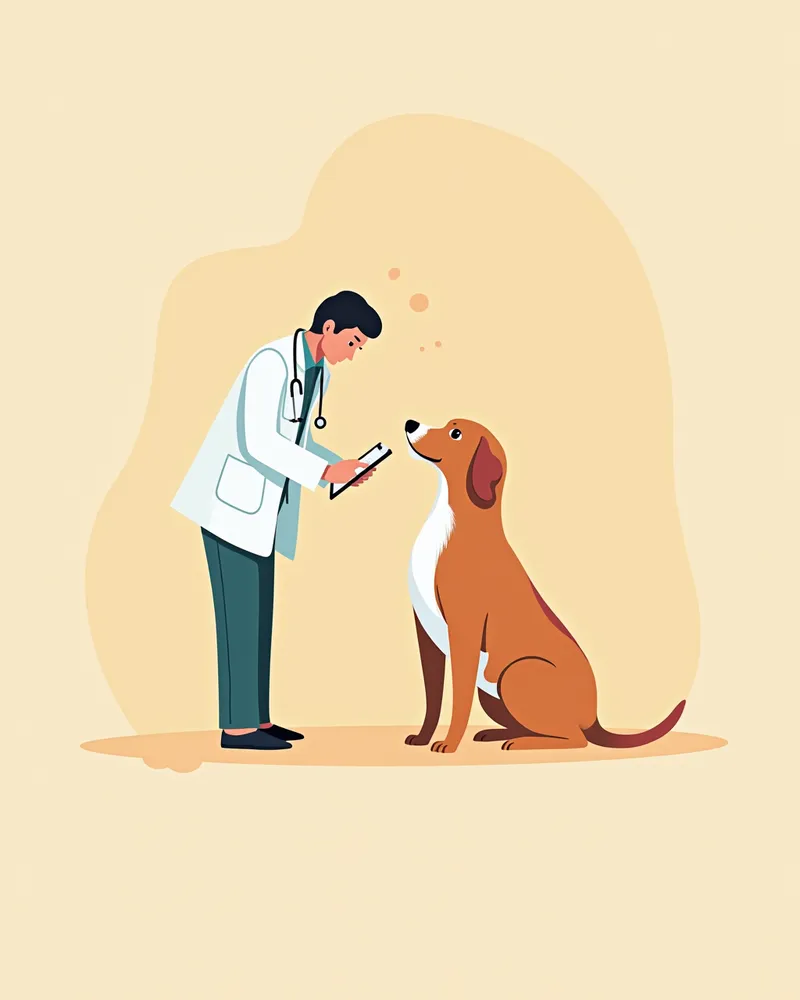
Parasite prevention is not just about administering medication; regular collaboration with your veterinarian is key. During pregnancy and lactation, significant physiological changes occur, so it’s essential to confirm whether parasites are present through regular check-ups and fecal examinations. Your veterinarian will help manage every aspect, from selecting the right medication and timing deworming to monitoring for side effects. As a pet owner, you should also closely watch your puppy for parasite-related symptoms such as diarrhea, weight loss, or poor growth. Even if eggs aren’t visible in the stool yet, consult your vet immediately if you notice any abnormalities. Early detection is the key to effective management.
A veterinarian examining a pregnant dog.

Reviewed by a veterinarian

Dr. Tony — Punnawat Phongkittirak

Dr. Tony — Punnawat Phongkittirak

Veterinarian

A veterinarian who majored in veterinary medicine at Khon Kaen University, Thailand, and completed the IVSA program at North Carolina State University in the United States. Drawing on clinical experience at animal hospitals, he works in the pet healthcare field and is dedicated to building a digital care environment that connects pet parents with veterinarians.

Frequently Asked Questions

When is it safe to start using deworming medication during pregnancy?
Using medications during pregnancy requires particular caution in the early stages, and even afterward, they should only be used safely under a veterinarian’s diagnosis and prescription. The appropriate timing varies depending on the gestational age and the individual animal’s condition, so professional consultation is essential.
Is it safe to give deworming medication while my pet is nursing?
Vet-recommended safe medications can be used during lactation. However, since Toxocara larvae can be transmitted to puppies through breast milk during the first three weeks of nursing, careful application under veterinary guidance is necessary, and the dosage should be precisely adjusted according to the puppy's weight and age.
What effects can improper administration of deworming medication have on puppies?
Young puppies are sensitive to even minor issues, so improper medication can be harmful. Self-prescribing is strictly prohibited; always follow your veterinarian’s instructions for the correct medication and dosage.
Why is parasite prevention especially important during pregnancy?
Parasites like Toxocara can be transmitted to the fetus through the placenta during pregnancy and to the puppies through milk after birth. Therefore, it is important to consult with a veterinarian to ensure proper prevention and deworming at the right time during pregnancy and lactation, and to maintain the health of both the mother and her puppies through regular check-ups.
What can you do in your daily routine to prevent parasites?
Keeping the environment clean, ensuring food hygiene, cleaning paws after outdoor activities, scheduling regular check-ups, and caring for nursing mothers are all important. Daily care is just as crucial as medication for prevention. For puppies, it’s recommended to deworm them for the first time at two weeks of age, again two to three weeks later, and once more around two months old. Deworming the mother at the same time is also advisable.

Share

Related Guides

References

[1] Serrano et al. (1964) Nutrient Requirements of Dogs and Cats. National Academies Press.

[2] Applied Veterinary Clinical Nutrition, 2nd Ed. (2010). Blackwell Publishing.

[3] 100 Top Consultations in Small Animal General Practice. (2011). Blackwell Publishing.

This information is based on veterinary literature and does not replace diagnosis or treatment. Please consult a veterinarian for specific health concerns.

Metapet Co., Ltd. | CEO: Park Sung-yong | Business Reg. No. 417-88-02562 | Seoul, South Korea | Customer Center

Parasite Care for Pregnant & Nursing Dogs: Key FAQs | Meongsiljang