Like
Share
멍실장
고양이 저혈당증 자주 묻는 질문 Q&A — 보호자가 꼭 알아야 할 핵심

My Cat Keeps Collapsing — Is It a Sign of Hypoglycemia? Causes and Emergency Response

EndocrineQ&AMeongsiljang Veterinary Advisory Board

Feline hypoglycemia is a serious condition that can lead to shock due to a rapid drop in blood sugar levels. Here’s a summary of key information pet owners should know.

What Is Feline Hypoglycemia?
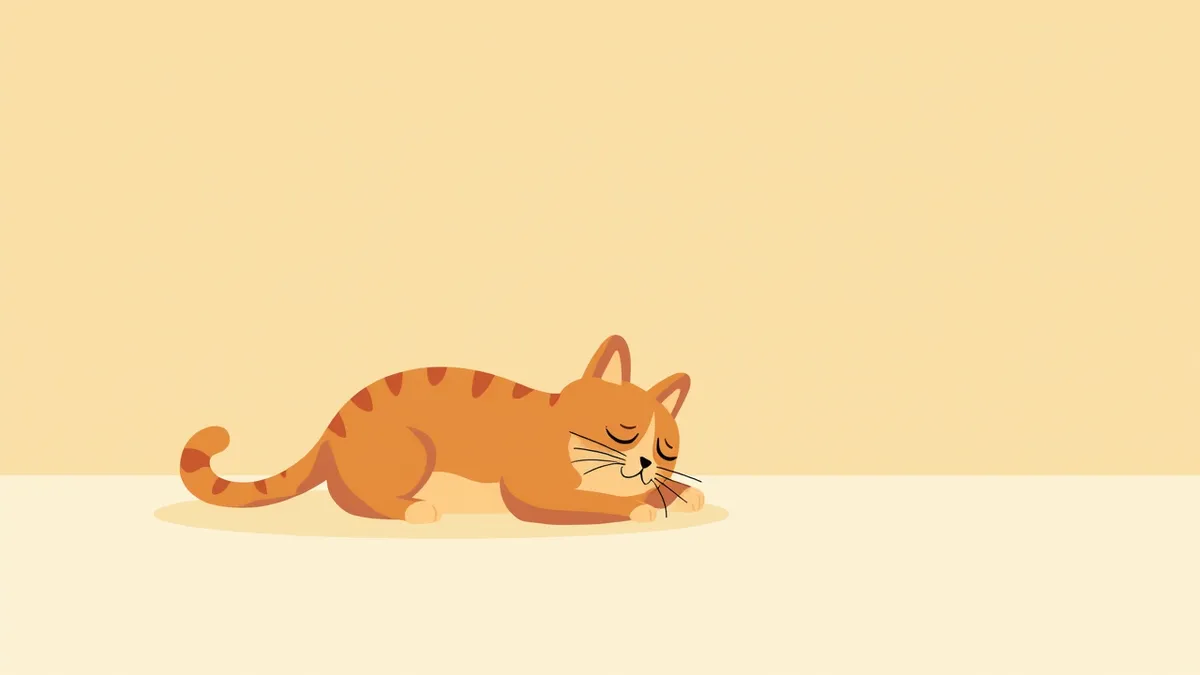
A cat in shock due to hypoglycemia
Feline hypoglycemia occurs when blood glucose levels drop below normal. Although there is no official diagnostic threshold for cats, a blood glucose level below 70 mg/dL is generally considered low. - Low Blood Sugar: Since the brain relies primarily on glucose for energy, low blood sugar can disrupt neurological function. - Warning Signs: Symptoms may include weakness, unsteady gait, tremors, and decreased consciousness. - Acute Condition: Without prompt treatment, it can lead to permanent neurological (brain) damage or death. - Urgency of Treatment: Immediate glucose supplementation is essential, and accurate diagnosis and treatment are critical to saving your cat’s life. - High-Risk Group: Cats being treated for diabetes with insulin are at particularly high risk.

Why Do Cats Experience Hypoglycemia?

The primary cause of hypoglycemia in cats is excessive insulin administration. - Excessive insulin: Blood sugar levels can drop rapidly if the dosage is too high or food intake is insufficient. - Delayed meals: The risk increases significantly if feeding is delayed after insulin administration. - Underlying conditions: Liver dysfunction, severe infections, and cancer can also trigger hypoglycemia. - Changes in activity level: A sudden increase in a cat’s activity raises energy expenditure. - Essential management: Consistency in medication and feeding is directly tied to survival.
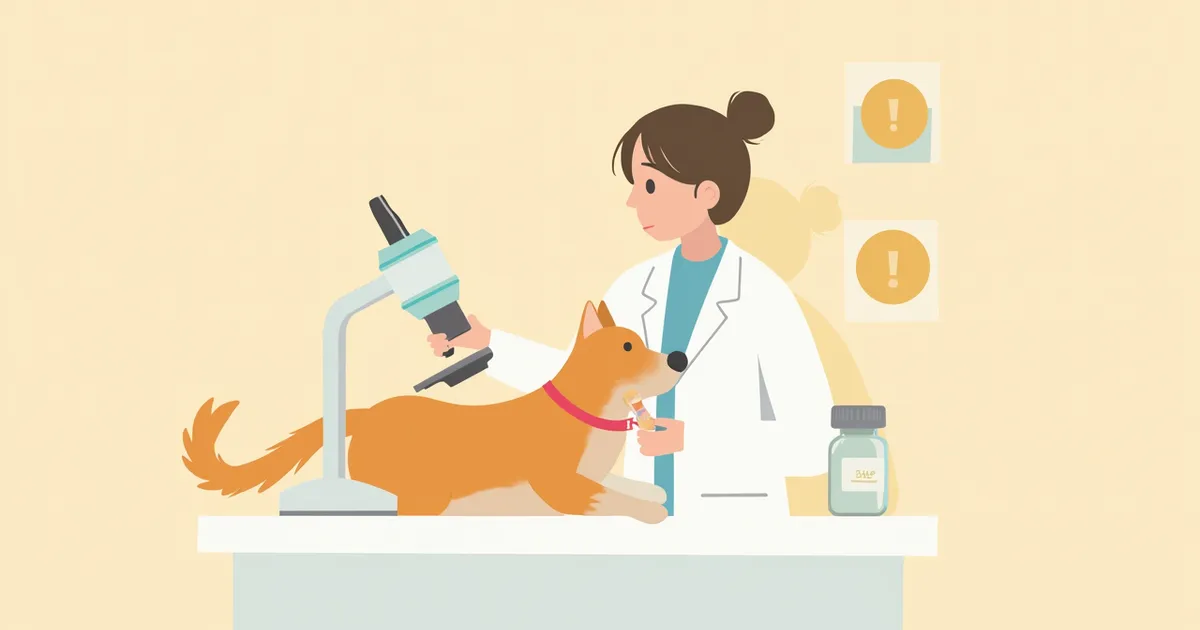
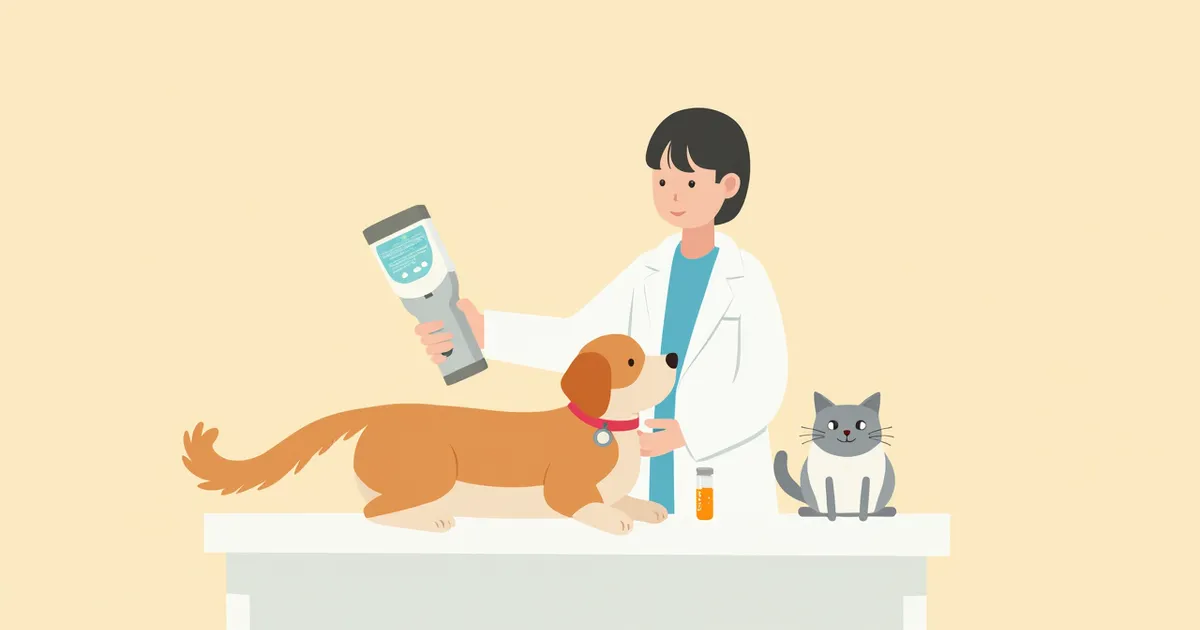
A veterinarian measuring a cat's blood sugar level

What Are the Main Symptoms of Hypoglycemia?
The early signs of hypoglycemia in cats include lethargy, an unsteady gait, and weakness. - Weakness: Your cat may suddenly be unable to move or stand up. - Neurological symptoms: Tremors, seizures, decreased consciousness, behavioral changes, and collapse may occur. - Triggers: Symptoms may appear or worsen after exercise or excitement. - Immediate action: If your cat is unresponsive or has collapsed, seek veterinary care immediately. - Importance of record-keeping: Carefully document and monitor any changes in your cat’s daily behavior.
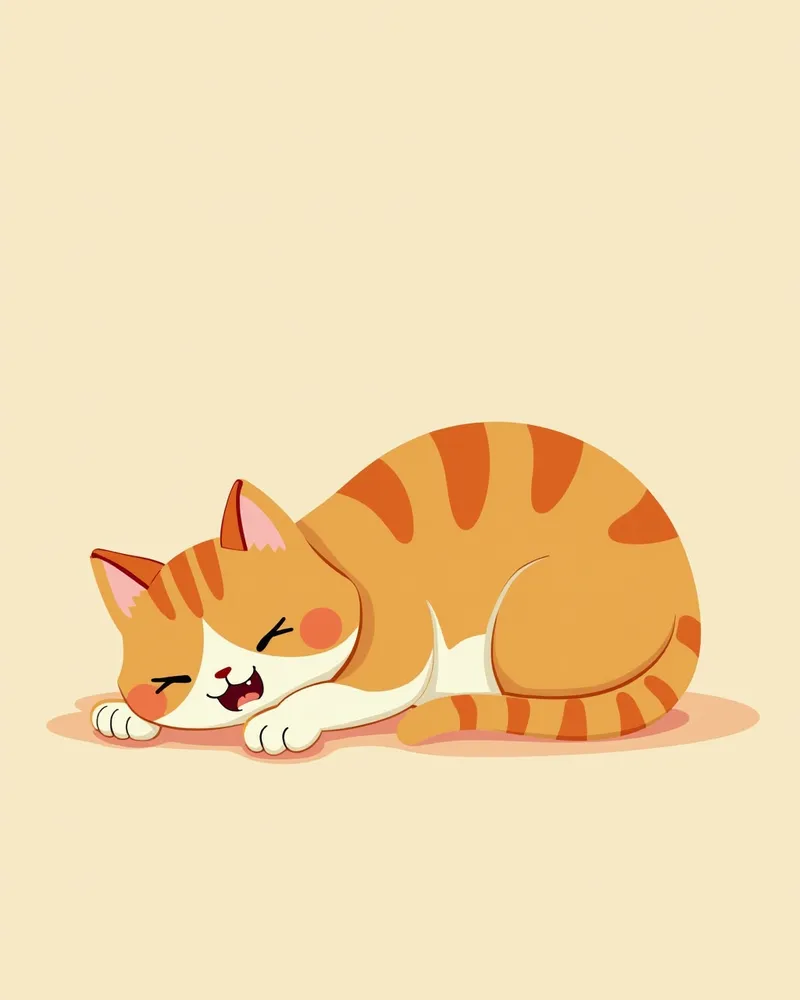
A cat trembling due to hypoglycemia

Signs That Require Immediate Veterinary Care

If your cat collapses, experiences prolonged seizures, or loses consciousness, seek veterinary care immediately. Severely low blood sugar can cause brain damage. In the emergency room, glucose must be administered intravenously; delays significantly increase the risk of death.

How Is Hypoglycemia Diagnosed?
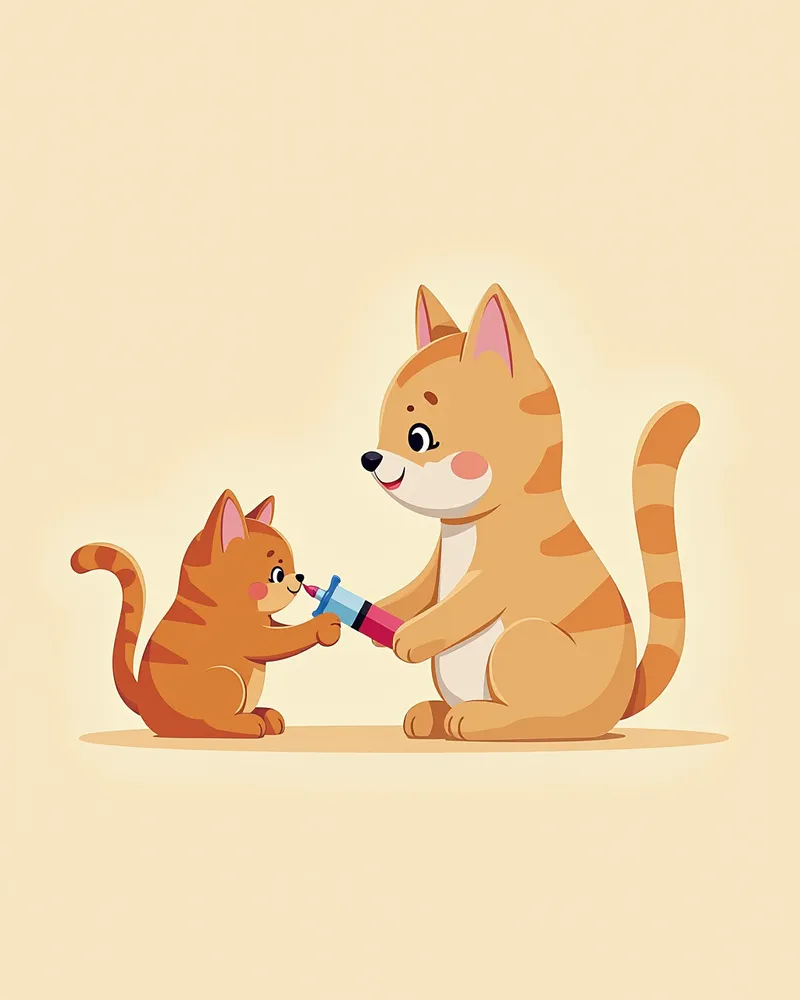
Veterinarians measure blood glucose levels through blood tests. - Blood glucose reference: A cat is considered to have low blood sugar if the level is below 70 mg/dL. - Comprehensive testing: When necessary, additional tests such as blood biochemistry, liver function tests, and insulin level measurements may also be performed. - Identifying the cause: The underlying cause is determined by combining clinical symptoms with test results. - Regular monitoring: For cats undergoing diabetes treatment, regular blood glucose monitoring (including glucose curves) is essential. - Diagnostic accuracy: Appropriate treatment is impossible without an accurate diagnosis.
A veterinary assistant drawing blood from a cat

Emergency Response for Hypoglycemia

For a conscious cat, gently apply a small amount of sugar water or honey to the lips or place a tiny amount inside the mouth. - Immediate supplementation: If the mouth is closed, gently apply it to the gums. - Caution: Do not force food or liquid into the mouth if the cat is unconscious or experiencing persistent seizures. - Emergency action: Seek veterinary care immediately. - Veterinary treatment: In the emergency room, glucose (dextrose) solution is administered directly via intravenous injection. - Do not delay: Delaying treatment can lead to brain damage or death.
A pet owner applying honey to their cat's lips

How to Prevent Hypoglycemia

It’s essential to precisely match insulin dosage with food intake. - Consistency is key: It’s important to provide the same amount of food at the same time every day. - Insulin and meals: If your cat doesn’t eat properly after receiving insulin, the risk of hypoglycemia increases significantly. - Close monitoring: Carefully observe any changes in your cat’s activity level or signs of illness. - Record keeping: Keep detailed records of behavioral changes and consult with your veterinarian regularly. - Prevention-focused care: Prevention is the most effective approach to management.
A cat eating its food at a set time

Precautions During Diabetes Treatment

Cats being treated for diabetes are at high risk of hypoglycemia. Owners should carefully monitor and record insulin administration schedules, food intake, and any changes in behavior. If you notice any sudden changes, contact your veterinarian immediately. Never adjust the dosage on your own.

Reviewed by a veterinarian

Dr. Tony — Punnawat Phongkittirak

Dr. Tony — Punnawat Phongkittirak

Veterinarian

A veterinarian who majored in veterinary medicine at Khon Kaen University, Thailand, and completed the IVSA program at North Carolina State University in the United States. Drawing on clinical experience at animal hospitals, he works in the pet healthcare field and is dedicated to building a digital care environment that connects pet parents with veterinarians.

Frequently Asked Questions

Can feline hypoglycemia be treated?
Yes, most pets recover fully with prompt glucose supplementation and treatment of the underlying cause. However, because delays can lead to brain damage or even death, quick action is essential.
What happens if hypoglycemia keeps recurring?
If left untreated, it can impair brain function and lead to long-term nerve damage. A precise treatment plan and careful management are essential.
Can I measure blood sugar at home?
Yes, you can measure blood sugar at home using a glucometer recommended by your veterinarian. However, it's best to receive guidance from your vet to ensure accurate results.
What should you do if your pet develops hypoglycemia?
You need to go to the vet immediately. Your pet will require intravenous glucose administration in the emergency room, and the underlying cause must be identified to prevent recurrence.
What should you watch out for to prevent hypoglycemia?
Administer insulin at the correct time and in the right amount relative to your cat’s meals, and carefully monitor any changes in behavior. Consult your veterinarian immediately if you notice any sudden changes.

Share

Related Guides

References

[1] Feline Emergency and Critical Care Medicine, 2nd Ed. (2018). Blackwell Publishing.

[2] Nelson, R.W., et al. (2001). Efficacy of protamine zinc insulin for treatment of diabetes mellitus in cats. J. Am. Vet. Med. Assoc.

[3] Stockham, S.L., & Scott, M.A. (2008). Fundamentals of Veterinary Clinical Pathology, 2e. Ames, Iowa: Blackwell Pub.

This information is based on veterinary literature and does not replace diagnosis or treatment. Please consult a veterinarian for specific health concerns.

Metapet Co., Ltd. | CEO: Park Sung-yong | Business Reg. No. 417-88-02562 | Seoul, South Korea | Customer Center

Is Your Cat Lethargic? Hypoglycemia Signs, Causes, and Emergency Care | Meongsiljang