Like
Share
멍실장
고양이 안구 건조증 치료(사이클로스포린) 자주 묻는 질문 Q&A — 보호자가 꼭 알아야 할 핵심

Frequently Asked Questions (FAQ) on Treating Feline Dry Eye (Cyclosporine) — Key Information Every Pet Owner Should Know

Eye HealthQ&AMeongsiljang Veterinary Advisory Board

Feline dry eye, or keratoconjunctivitis sicca, is a condition caused by insufficient tear production, and cyclosporine is a primary treatment. Here’s a summary of the key information every pet owner should know.

Key Summary of Treating Feline Dry Eye (Cyclosporine)
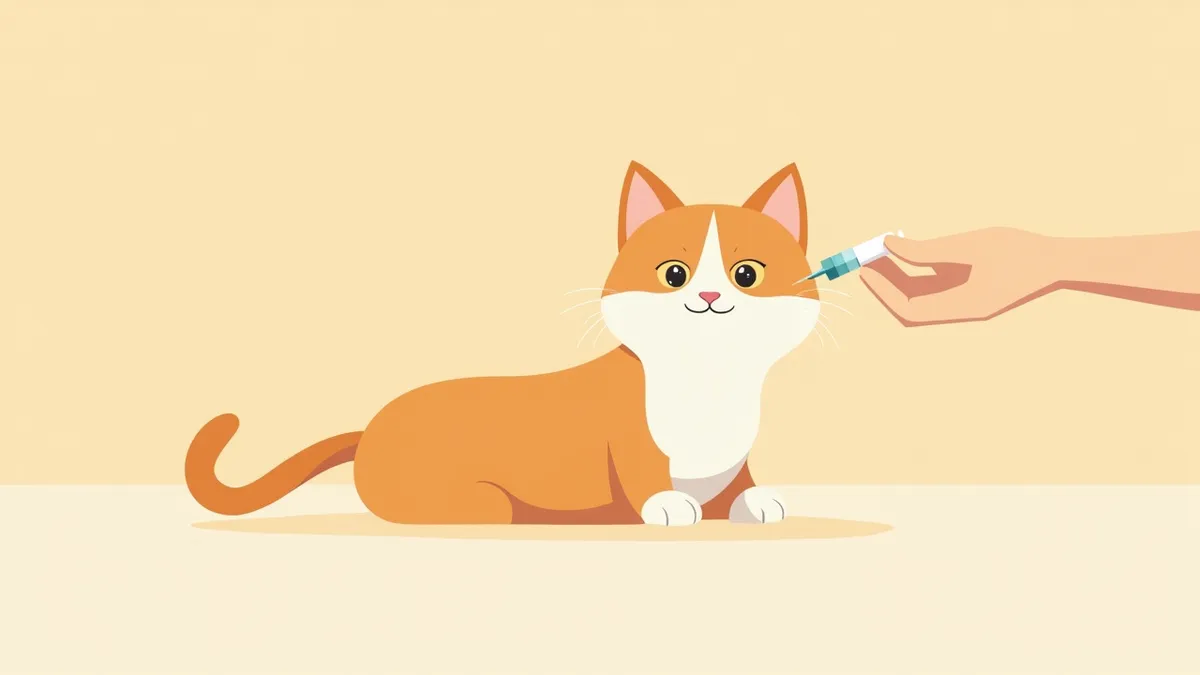
A veterinarian administering cyclosporine eye drops to a cat
Feline dry eye, or keratoconjunctivitis sicca, is a condition in which tear production decreases due to immune-mediated damage to the lacrimal gland tissue. Cyclosporine is a topical medication that suppresses T-cell immune activity, thereby reducing inflammation in the lacrimal glands and promoting tear production. Because this condition often requires long-term management rather than a definitive cure, medication may need to be administered for extended periods, sometimes indefinitely, to prevent disease progression. Since the timing and degree of response to treatment vary significantly among individual cats, it is important to have regular veterinary check-ups to monitor tear production through Schirmer tear tests. When using topical cyclosporine, potential side effects such as periorbital dermatitis, hair loss, hypersensitivity reactions, or gastrointestinal discomfort should be monitored. Systemic side effects like liver dysfunction or blood abnormalities are more commonly associated with other immunosuppressive drugs; since precautions vary by medication, always follow your veterinarian’s guidance.

Why Is Cyclosporine Effective?

One common cause of dry eye, or keratoconjunctivitis sicca, in cats is an immune-mediated reaction where the immune system attacks the tear gland tissue. Cyclosporine helps reduce inflammation in the tear glands and restore normal tear production by suppressing T-cell activation. As an immunosuppressant, it is known for its relatively wide safety margin and may be used as an adjunctive therapy alongside medications such as corticosteroids or tacrolimus when tear film abnormalities persist. However, the timing and degree of response vary significantly among individuals, and long-term, consistent use is often necessary to prevent disease progression, so patience and adherence to the treatment plan are essential. Additionally, since dry eye is uncommon in cats and can occur secondary to feline herpesvirus (FHV-1) infection, a thorough evaluation to identify the underlying cause is also necessary.
An image visualizing the mechanism by which cyclosporine suppresses immune cells

How Long Does Treatment Take?

The timing and extent of response to cyclosporine therapy vary widely among cats, making it difficult to establish a definitive treatment duration. Because keratoconjunctivitis sicca often requires long-term management rather than a complete cure, medication may need to be administered for extended periods, and sometimes indefinitely, to prevent disease progression. During this time, your veterinarian will regularly assess treatment efficacy by measuring tear production using the Schirmer tear test (STT). The normal tear production level in cats is approximately 17 mm per minute; if the value is low, it is evaluated in conjunction with clinical signs. Because individual responses vary significantly, consistent follow-up visits are essential. Do not discontinue medication prematurely without veterinary guidance, as this can lead to symptom exacerbation. While tear production may begin to change during the initial phase of treatment, it takes time to stabilize.
A calendar showing the stages of tear production improvement over the treatment period

Cyclosporine vs. Other Treatments

ItemCyclosporineTacrolimus (Topical)Artificial Tears (Adjunctive Drops)
Durability of EffectUsed for long-term managementUsed for long-term managementShort-term adjunctive
Side EffectsPeriocular dermatitis, hair loss, etc.Periocular dermatitis, hair loss, etc.Very low
Frequency of UseUsually twice a dayUsually twice a daySeveral times a day
Cost LevelModerateModerateLow

Cyclosporine and tacrolimus are used for long-term management when tear film abnormalities persist, and it is common to combine them with adjunctive treatments such as artificial tears. Both drugs can cause local side effects such as periocular dermatitis and hair loss.

Precautions When Using Cyclosporine

Common side effects of topical cyclosporine include dermatitis and hair loss around the eyes, hypersensitivity reactions, and gastrointestinal discomfort. Therefore, monitor the skin around the eyes and your pet’s overall condition closely during treatment. Note that side effects such as liver dysfunction or bone marrow suppression (reduced blood cell counts) are primarily associated with other immunosuppressants like azathioprine or systemic corticosteroids. Since precautions vary by medication, follow your veterinarian’s guidance. Inform your vet about any other medications your pet is taking to avoid potential drug interactions. Never discontinue the medication or adjust the dosage on your own. If you notice adverse symptoms such as increased redness in the eyes or decreased appetite after administration, contact your clinic immediately. Maintaining appropriate ambient humidity during treatment can also be helpful.
A veterinarian reviewing a cat’s blood test results.

Signs That Require an Immediate Vet Visit

If your pet’s eyes become severely red, stop producing tears, or they are unable to open their eyes, you should visit the vet immediately. These could be signs of infection or worsening condition.

Care Tips for Pet Owners During Treatment
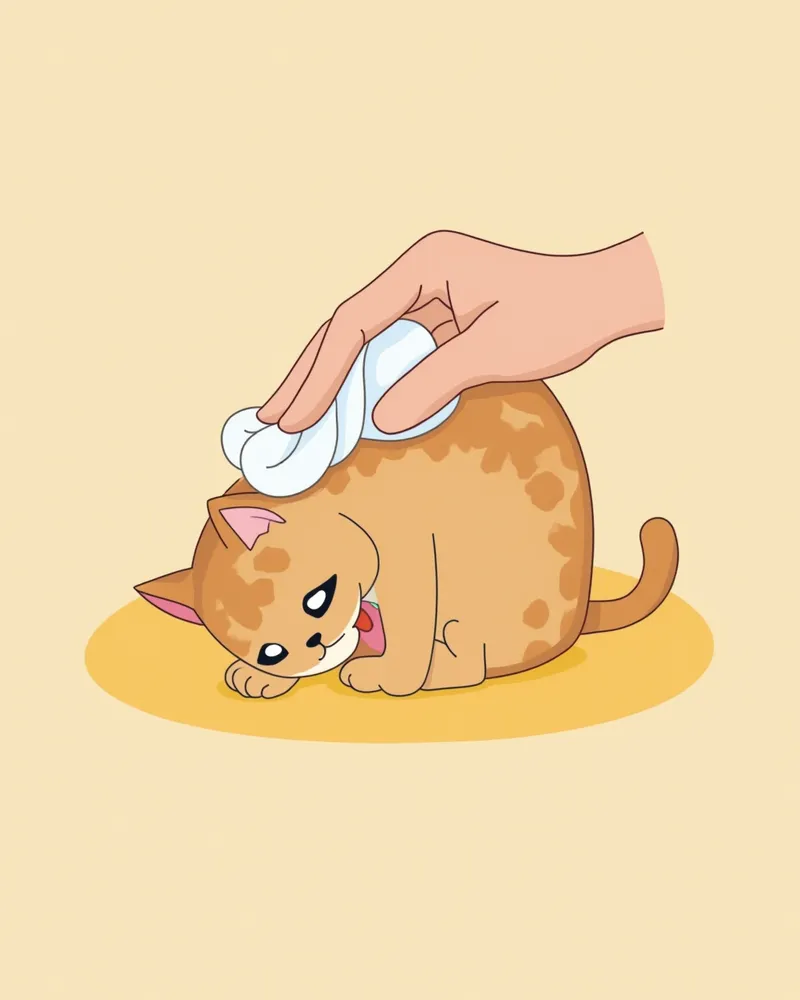
During treatment, gently wipe around your cat’s eyes with a soft cloth regularly, and take care to keep the area from drying out. Using a humidifier to maintain indoor humidity can be helpful. Administer medication at the prescribed times, and do not stop or adjust the dosage without your veterinarian’s guidance. Keep all scheduled follow-up appointments and carefully monitor any changes in symptoms. If your cat seems uncomfortable, contact your veterinarian immediately. Consistent care and attention are essential for maintaining healthy eyes.
A caregiver gently wiping around a cat’s eyes

Reviewed by a veterinarian

Dr. Tony — Punnawat Phongkittirak

Dr. Tony — Punnawat Phongkittirak

Veterinarian

A veterinarian who majored in veterinary medicine at Khon Kaen University, Thailand, and completed the IVSA program at North Carolina State University in the United States. Drawing on clinical experience at animal hospitals, he works in the pet healthcare field and is dedicated to building a digital care environment that connects pet parents with veterinarians.

Frequently Asked Questions

Is cyclosporine safe for cats?
Yes, it’s safe when prescribed by a veterinarian based on your pet’s weight and condition. However, regular check-ups are necessary for long-term use.
Should I keep my pet’s eyes closed right after applying the medication?
Keep your pet’s eyes closed for 1–2 minutes after applying the drops to ensure proper absorption. Opening the eyes too soon can cause the medication to leak out.
Can I give my pet other medications while it’s undergoing treatment?
Because this medication may interact with other drugs, be sure to inform your veterinarian. Always check with your vet before administering.
Giving medication to my pet is difficult. What should I do?
Gently hold your cat's head, lift the lower eyelid slightly, and then administer the drops. Your veterinarian will show you how to do this properly at first.
What should I do if my pet’s eyes remain dry even after treatment is completed?
Because there’s a risk of recurrence, it’s a good idea to consult with your veterinarian and schedule regular check-ups. Preventive care is key.

Share

Related Guides

References

[1] Dodi PL. Immune-mediated keratoconjunctivitis sicca in dogs: current perspectives on management. Vet Med (Auckl). 2015;6:341–347.

[2] Hendrix DV, Adkins EA, Ward DA, Stuffle J, Skorobohach B. An investigation comparing the efficacy of topical ocular application of tacrolimus and cyclosporine in dogs. Vet Med Int. 2011;2011:487592.

[3] Plumb's Veterinary Drug Handbook, 10th Ed. Wiley Blackwell, 2021.

This information is based on veterinary literature and does not replace diagnosis or treatment. Please consult a veterinarian for specific health concerns.

Metapet Co., Ltd. | CEO: Park Sung-yong | Business Reg. No. 417-88-02562 | Seoul, South Korea | Customer Center

Cat Dry Eye Treatment (Cyclosporine): Key Q&A | Meongsiljang