Like
Share
멍실장
강아지 중성화 수술 비용, 과정, 회복까지 총정리

Dog Neutering: Costs, Procedure, and Recovery Explained

ImmunityQ&AMeongsiljang Veterinary Advisory Board

We’ve put together everything pet owners need to know about dog neutering, including the procedure, costs, and pre- and post-operative care.

Is Dog Neutering Necessary?
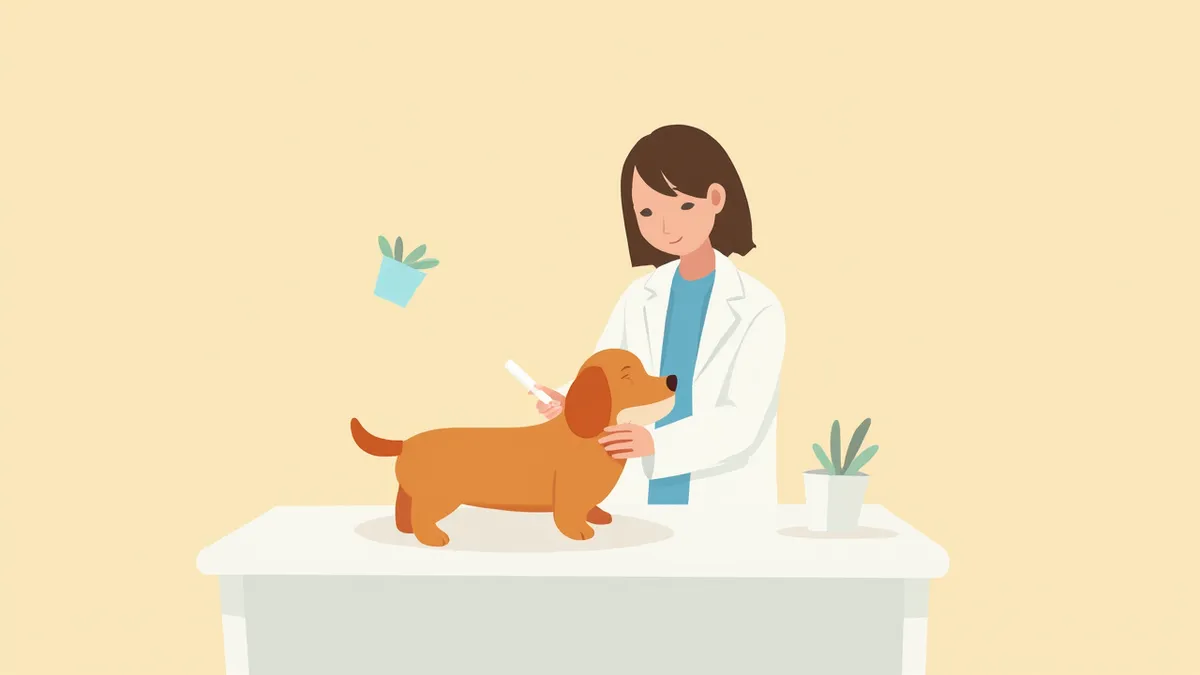
A puppy being examined by a veterinarian at an animal hospital
Spaying and neutering are important choices that benefit both your dog’s health and behavior. In females, the procedure helps prevent reproductive diseases such as pyometra and mammary tumors, while in males, it significantly reduces the risk of prostate disease and testicular tumors. Of course, the same timing and approach aren’t right for every dog. The ideal time for surgery varies depending on breed, size, and overall health, so it’s best to consult with your veterinarian before making a decision. In this article, we’ll walk you through everything pet owners commonly wonder about, from the surgical process and costs to post-operative care.

Health Benefits of Neutering

Spaying and neutering offer health benefits that go far beyond simply preventing reproduction. For female dogs: Prevention of mammary tumors: Performing the surgery before the first heat cycle significantly reduces the risk and severity of mammary cancer. Prevention of pyometra: This procedure eliminates the risk of pyometra, a life-threatening condition in which the uterus fills with pus. Prevention of other reproductive disorders: It also helps prevent and treat various reproductive issues, such as ovarian cysts, uterine torsion, and uterine tumors. For male dogs: Elimination of testicular disease risks: Since the testicles are removed, the risk of testicular tumors is completely eliminated. Reduced risk of hormone-dependent conditions: The risk of conditions influenced by sex hormones, such as prostate disease, may be reduced. Please consult your veterinarian for specific details on these benefits. Hormone-related behavioral changes: Behaviors associated with mating instincts, such as territorial marking and roaming, may decrease.

When Is the Right Time for Surgery?

The ideal timing for spaying or neutering depends on your dog’s size, breed, growth rate, and overall health, so there’s no one-size-fits-all answer. The table below is for general reference only; always consult your veterinarian to determine the best timing for your pet.
CategoryNotesRemarks
Small breeds (under 10 kg)Faster growth allows for earlier considerationCheck individual growth status
Medium breeds (10–25 kg)Consider skeletal developmentVeterinarian consultation recommended
Large breeds (over 25 kg)Wait until joints and skeleton are fully developedVeterinarian consultation recommended
Females (for mammary tumor prevention)Surgery before the first heat cycle reduces the risk and severity of mammary tumorsVeterinarian consultation essential
In particular, spaying female dogs before their first heat cycle can help lower the risk of mammary tumors. Please discuss with your veterinarian to find the most suitable timing for your pet.

How Is the Surgical Procedure Performed?
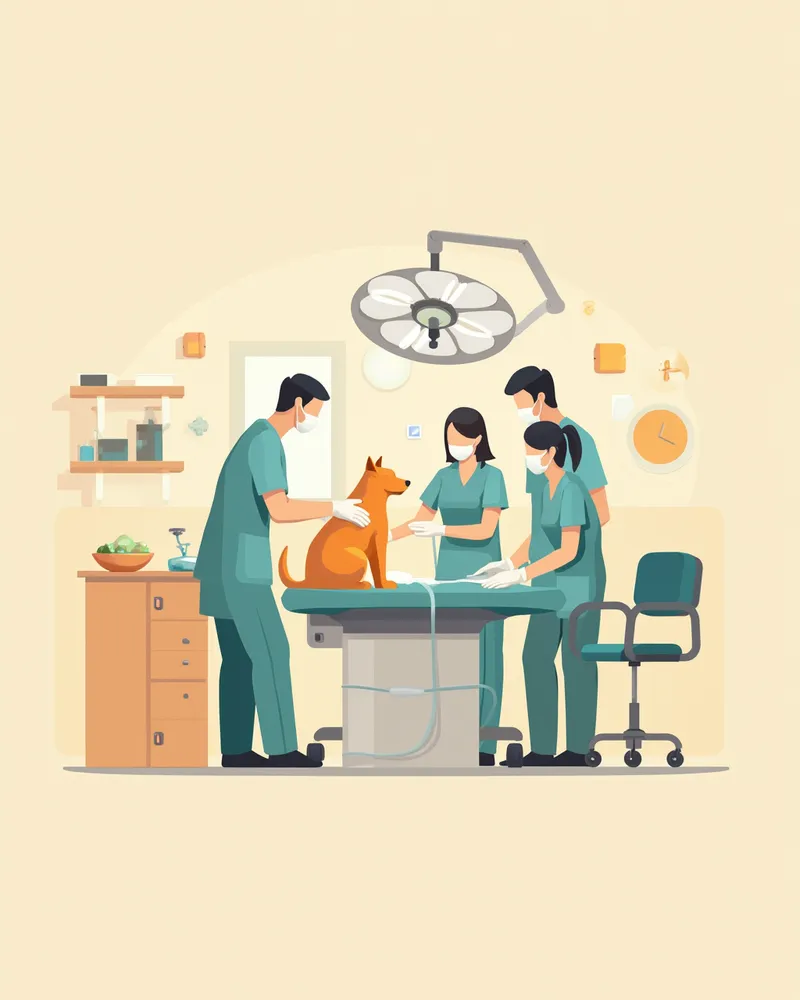
Neutering is a surgical procedure performed under general anesthesia. Understanding the process in advance can help ease your concerns.
Step 1 — Pre-operative Examination: We confirm that anesthesia is safe through blood tests and chest X-rays, carefully checking for any issues with heart, liver, or kidney function.
Step 2 — Anesthesia and Preparation: After inducing general anesthesia, we shave and disinfect the surgical site. Many clinics now combine inhalation anesthesia with pain management protocols.
Step 3 — The Procedure: For males, a small incision is made in front of the scrotum to remove the testicles; for females, an abdominal incision is made to remove the ovaries and uterus. The surgery typically takes 15–30 minutes for males and 30 minutes to 1 hour for females.
Step 4 — Suturing and Recovery: The incision is sutured, and you will be contacted as soon as your pet wakes up from anesthesia.
A veterinarian preparing for surgery in a clean operating room at an animal hospital.

Essential Pre-Operative Precautions

Fasting from food for at least 8 to 12 hours before surgery is essential. However, water is often permitted up to 1 to 2 hours before the procedure, so be sure to confirm the specific instructions from your veterinarian. If food remains in the stomach, there is a serious risk of aspiration due to vomiting during anesthesia. Since fasting and water restrictions can vary by clinic, please follow your veterinarian’s guidance precisely. If your pet is currently taking any medications, be sure to inform your veterinarian before surgery.

How Much Does Dog Neutering Cost?

The cost of spaying or neutering varies depending on the clinic, location, and your dog’s size and sex. Here’s a general price range for reference:
CategoryCost RangeIncluded Items
Male small-breed dogs$100 to $200Surgery fee, anesthesia fee, basic medication fee
Male large-breed dogs$200 to $300Surgery fee, anesthesia fee, basic medication fee
Female small-breed dogs$200 to $300Surgery fee, anesthesia fee, basic medication fee
Female large-breed dogs$200 to $400Surgery fee, anesthesia fee, basic medication fee
Additional costs may apply for pre-surgical blood tests, hospitalization, pain medication, and other services. Many local governments offer spay/neuter subsidy programs that can help reduce these expenses, so be sure to check if your area provides such support before scheduling the procedure.

Key Points for Post-Operative Recovery Care

Post-operative care plays a crucial role in recovery speed. Please strictly follow the key points below.
Wear an Elizabethan collar (E-collar): If your dog licks or chews at the surgical site, it may become infected or the sutures may come undone. Please ensure the collar is worn at all times until the sutures are removed.
Restrict activity: For 7–10 days after surgery, please restrict running and climbing stairs. Keep walks short, keep your dog on a leash, and walk slowly.
Monitor the surgical site: Check the surgical area daily. If you notice excessive swelling, bleeding, or discharge, contact your veterinarian immediately.
Dietary management: On the day of surgery, feed only about half of your dog’s usual amount. You can resume normal feeding the following day. If vomiting occurs, withhold food and contact your veterinarian.
A dog resting comfortably while wearing a neck collar.

Visit the Vet Immediately If You Notice These Symptoms

Please visit a veterinary clinic immediately if you notice any of the following symptoms after surgery: continuous bleeding or pus-like discharge from the surgical site, significant swelling or dehiscence (opening) of the incision, refusal to eat at all more than 24 hours post-surgery, severe lethargy or unresponsiveness, or persistent fever of unknown origin or an abnormally hot body temperature. These signs may indicate infection, internal bleeding, or wound dehiscence, making prompt action essential. If you notice anything unusual, please contact the clinic without hesitation.

Weight Management Is Important After Neutering

After spaying or neutering, hormonal changes reduce your pet’s basal metabolic rate, making them more prone to weight gain even when eating the same amount of food. Studies show that both spayed females and neutered males are at a higher risk of becoming overweight or obese compared to intact dogs. Obesity can lead to various health issues, including cranial cruciate ligament rupture, diabetes, and dermatitis.
Adjusting Food Portions: Once the post-surgical recovery period is over, gradually adjust the amount of food based on observed weight changes. The appropriate adjustment range may vary depending on breed, age, and activity level, so consult with your veterinarian.
Consider Sterilized Dog Food: Sterilized dog food, which reduces calories while maintaining protein levels, is also a good option.
Regular Exercise: After the recovery period, maintain a healthy weight through daily walks and play. Weight management directly impacts joint health and overall quality of life.
A healthy puppy taking a walk in the park with its owner.

Reviewed by a veterinarian

Dr. Tony — Punnawat Phongkittirak

Dr. Tony — Punnawat Phongkittirak

Veterinarian

A veterinarian who majored in veterinary medicine at Khon Kaen University, Thailand, and completed the IVSA program at North Carolina State University in the United States. Drawing on clinical experience at animal hospitals, he works in the pet healthcare field and is dedicated to building a digital care environment that connects pet parents with veterinarians.

Frequently Asked Questions

Does a pet's personality change after neutering?
Hormone-driven behaviors linked to heat cycles, such as marking territory and roaming, may decrease. However, your dog's core personality won't change. An energetic dog will remain lively, and a calm dog will stay gentle.
When are the stitches removed after neutering surgery?
Sutures are typically removed 10 to 14 days after surgery. However, absorbable sutures are now commonly used, eliminating the need for suture removal in many cases. Please follow your veterinarian’s post-operative instructions.
What problems can occur if a pet is not spayed or neutered?
Female pets are at higher risk for reproductive disorders such as pyometra and mammary tumors, as well as experiencing stress during heat cycles and the possibility of unwanted pregnancies. Male pets may face an increased risk of various conditions influenced by sex hormones. For detailed information on specific risk factors and preventive benefits, please consult with your veterinarian.
When is it safe to bathe my pet after surgery?
Bathing is only possible after the sutures have been removed and the surgical site has fully healed. It is generally safe to bathe your pet at least two weeks after surgery, once your veterinarian has confirmed that the wound has healed properly. Until then, please limit cleaning to gently wiping the area with a damp cloth.
How do I apply for the local government’s spay/neuter subsidy program?
You can inquire through the websites of your local city, county, or district office, or contact their animal welfare departments. Applications are typically accepted at the beginning of the year, and subsidies are provided to cover part of the surgical costs for registered dogs. Since subsidy amounts and eligibility criteria vary by region, it’s a good idea to check the details in advance.

Share

Related Guides

References

[1] Fossum, T. W. (2018). Small Animal Surgery (5th ed.). Elsevier. Chapter 26: Surgery of the Reproductive and Genital Systems.

[2] Root Kustritz, M. V. (2012). Effects of Surgical Sterilization on Canine and Feline Health and on Society. Reproduction in Domestic Animals, 47(Suppl 4), 214–222.

[3] Howe, L. M. (2006). Surgical methods of contraception and sterilization. Theriogenology, 66(3), 500–509.

[4] 대한수의사회 (2024). 반려동물 중성화 수술 가이드라인.

This information is based on veterinary literature and does not replace diagnosis or treatment. Please consult a veterinarian for specific health concerns.

Metapet Co., Ltd. | CEO: Park Sung-yong | Business Reg. No. 417-88-02562 | Seoul, South Korea | Customer Center

Dog Neutering: Costs, Procedure & Recovery Explained | Meongsiljang