Like
Share
멍실장
강아지 구강 진균 감염 자주 묻는 질문 Q&A — 보호자가 꼭 알아야 할 핵심

Frequently Asked Questions About Canine Oral Fungal Infections — Key Information Every Pet Owner Should Know

Oral HealthQ&AMeongsiljang Veterinary Advisory Board

Delayed treatment of fungal infections in a dog’s mouth can lead to severe oral damage. Here’s a summary of the key information every pet owner should know.

Canine Oral Fungal Infection Is an Infectious Disease Characterized by White Spots in the Mouth

White spots appearing in a puppy’s mouth are a classic sign of a fungal infection.
Canine oral fungal infections occur when fungi, such as Candida, colonize the oral mucosa. Although Candida is a normal commensal organism in the mouth, it can overgrow and cause infection if the mucosa is damaged or the immune system is compromised. Early signs may include white spots or plaques in the mouth, which can lead to pain and decreased appetite. Severe oral discomfort can make eating difficult, so early detection is crucial. Dogs with weakened immune systems are more susceptible to infection and require closer monitoring. Regular oral examinations and good hygiene are key to prevention.

Why Do Dogs Get Oral Fungal Infections?

Oral fungal infections in dogs often occur when the immune system is weakened or the oral mucosa is damaged. Candida is a commensal organism normally present in the mouth, but it can overgrow and cause infection if the mucosa becomes ulcerated or systemic immunity declines. As a result, these infections are more common in dogs with other illnesses or those recovering from them, as well as in dogs with poor dental and oral hygiene. Dogs with compromised immunity are even more susceptible to such infections. It is important to maintain good oral hygiene and overall health to preserve the balance of the oral mucosa. Early prevention and consistent care are paramount.
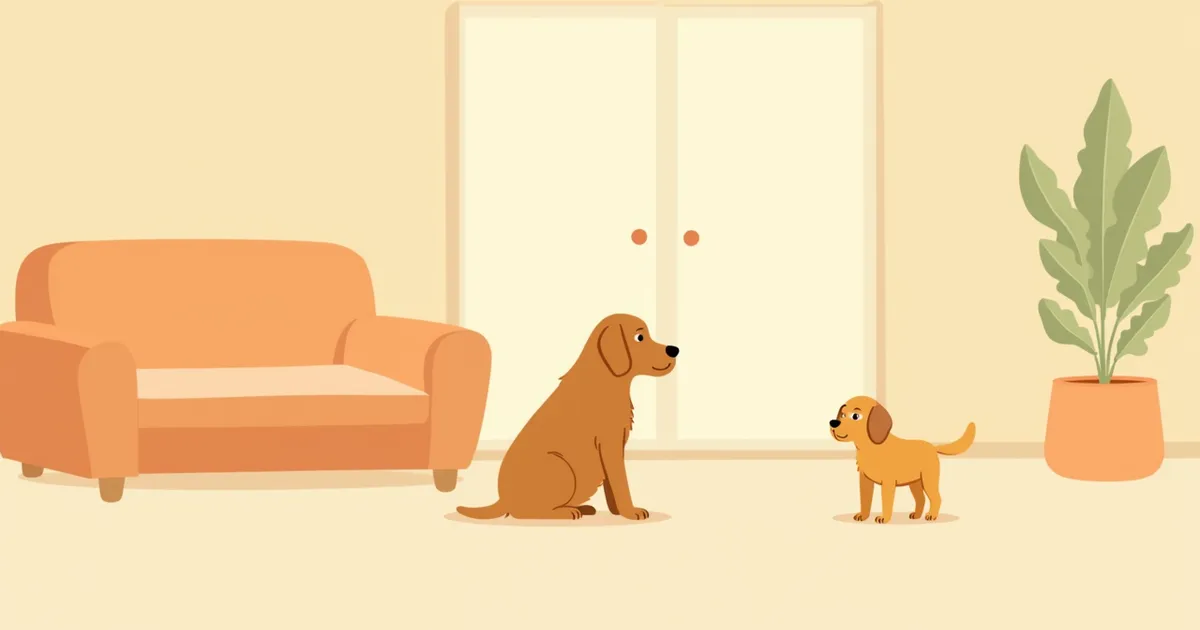
Plaque buildup on a dog’s teeth and gums, risk factors

4 Main Symptoms of Oral Fungal Infection

White patches in the mouth: White lumps or spots may appear on the gums or tongue. They typically do not wipe off easily and can persist alongside tissue changes.
Worsening bad breath: When oral disease is present, bacteria can multiply on necrotic tissue or leftover food debris, leading to a stronger odor. The breath may smell noticeably different from usual.
Decreased appetite: Pain in the mouth may cause your pet to refuse food or quickly spit it out after eating.
Reluctance to open the mouth: Your pet may open its mouth or chew less frequently, which can be due to pain.
A puppy with white spots in its mouth and reluctance to open its mouth

Symptoms Requiring Immediate Veterinary Visit

If you notice white spots in your dog’s mouth, a loss of appetite, or weight loss, it’s best to visit the vet early. Dogs with other health conditions or weakened immune systems may experience a faster progression of symptoms. Delaying treatment can lead to severe oral pain, making it difficult for your dog to eat. White spots can appear in various oral diseases, not just fungal infections, so early diagnosis and treatment are crucial for recovery and a better prognosis.

How Is the Diagnosis Made?
The veterinarian will directly examine the mouth, scrape the white spots to collect a sample, and check for fungal presence under a microscope. If necessary, blood tests or other exams to identify underlying conditions may also be performed. In some cases, a tissue biopsy of the infected area may be conducted for an accurate diagnosis. Prompt diagnosis is crucial, as it significantly impacts treatment timing and outcomes. Early diagnosis is key to preventing complications and improving recovery speed. Collaboration with your veterinarian is essential for an accurate diagnosis.
A veterinarian examining a puppy’s mouth, diagnostic process

How Does Treatment Progress in Stages?

- Initial treatment: Clean the infected areas in the mouth, and receive antifungal medication as prescribed by your veterinarian. - Intermediate treatment: Take oral antifungal medication, usually administered with food to enhance absorption. - Recovery phase: As symptoms improve, gradually reduce medication under veterinary guidance and strengthen oral hygiene care. - Preventing recurrence: Minimize recurrence by managing underlying conditions and performing regular oral cleaning. It is important to consult regularly with your veterinarian during treatment and strictly follow medication instructions. Successful treatment begins with consistent care and cooperation.
A puppy receiving medication from a veterinarian, the treatment process

Home Care Management Methods

- Mouth rinsing: Gently wipe your dog’s mouth daily with an antibacterial cleanser diluted in water. - Diet adjustment: Offer soft, easily digestible food. If your dog’s mouth is sore, liquid food is also a good option. - Medication management: Administer medications exactly as prescribed by your veterinarian, following the correct dosage and schedule. - Regular check-ups: Visit the clinic every 2–4 weeks after treatment to monitor your dog’s condition. - Environment management: Keep your dog’s living area clean and wash their food and water bowls daily. Consistent care greatly helps prevent recurrence.
How to care for your dog when feeding soft food

Points to Note: Drug Interactions and Side Effects

Antifungal medications can affect liver function, and dogs with pre-existing conditions may experience more severe side effects. If your dog develops vomiting, diarrhea, or loss of appetite while taking the medication, contact your veterinarian immediately. Additionally, because interactions with other medications are possible, always inform your veterinarian before starting any new treatment.

Comparison Table of Oral Fungal Infection Treatments

ItemAntifungal AgentAdministrationMain Side EffectsTreatment Duration
ItraconazoleOral administrationUsually 1–2 times/dayLiver dysfunction, vomiting2–4 weeks or longer
FluconazoleOral administrationUsually 1–2 times/day (about 12-hour intervals)Gastrointestinal disorders, liver dysfunctionSeveral weeks or longer
ClotrimazoleTopical (external) medicationAs directed by the veterinarianPossible local irritationAccording to the veterinarian's judgment

Treatment methods vary depending on the dog's condition and the veterinarian's judgment. Be sure to follow the dosage instructions.

Reviewed by a veterinarian

Dr. Tony — Punnawat Phongkittirak

Dr. Tony — Punnawat Phongkittirak

Veterinarian

A veterinarian who majored in veterinary medicine at Khon Kaen University, Thailand, and completed the IVSA program at North Carolina State University in the United States. Drawing on clinical experience at animal hospitals, he works in the pet healthcare field and is dedicated to building a digital care environment that connects pet parents with veterinarians.

Frequently Asked Questions

Are white spots in a dog’s mouth always caused by a fungal infection?
No. White spots can appear not only with fungal infections but also with dental hygiene issues, ulcers, autoimmune diseases, tumors, and other lesions. A veterinary examination is necessary for an accurate diagnosis.
Can oral fungal infections in pets be transmitted to humans?
Candida is a commensal organism normally present in the mouth, so it usually doesn’t cause concern. However, caution is advised for individuals with weakened immune systems, such as children, the elderly, and those with underlying health conditions. If you’ve touched an infected dog’s mouth, be sure to wash your hands thoroughly.
White spots remain in the mouth even after treatment. Is this normal?
Even after treatment, some white spots may remain. However, if they persist or reappear, it’s important to visit the clinic for further diagnosis. It’s also a good idea to have a follow-up check to confirm improvement after treatment.
How can we prevent it?
Regular oral hygiene, a balanced diet, and proper management of underlying health conditions are essential. Antibiotics should only be used when necessary, and extra attention should be paid to oral hygiene during treatment.
Can senior dogs also get oral fungal infections?
Yes, it’s possible. Dogs with weakened immune systems are more susceptible to infections, and extra caution is warranted if they have underlying health conditions or poor dental and oral health. Be sure to schedule regular veterinary check-ups.

Share

Related Guides

References

[1] Muller, W.H., Griffin, C.E. and Campbell, K.L. (2013) Muller & Kirk’s Small Animal Dermatology, 7th edn. Elsevier, St. Louis.

[2] Plumb's Veterinary Drug Handbook, 9th ed. (2022). Wiley-Blackwell.

[3] Koehler, J.E. et al. (2019) Fungal Infections in Dogs: Diagnosis and Management. Veterinary Clinics of North America: Small Animal Practice, 49(3), 545–562.

This information is based on veterinary literature and does not replace diagnosis or treatment. Please consult a veterinarian for specific health concerns.

Metapet Co., Ltd. | CEO: Park Sung-yong | Business Reg. No. 417-88-02562 | Seoul, South Korea | Customer Center

Dog Oral Fungal Infection Q&A: Symptoms and Treatment | Meongsiljang