
Understanding Canine Korean Medicine (Acupuncture and Herbal Medicine)
We’ve compiled evidence-based veterinary insights on the principles, applicable conditions, treatment process, and how to choose a clinic for canine Korean medicine (acupuncture and herbal medicine).
Is Canine Korean Medicine Really Effective?

Which Dogs Benefit from Korean Medicine Treatment?
Principles and Types of Acupuncture
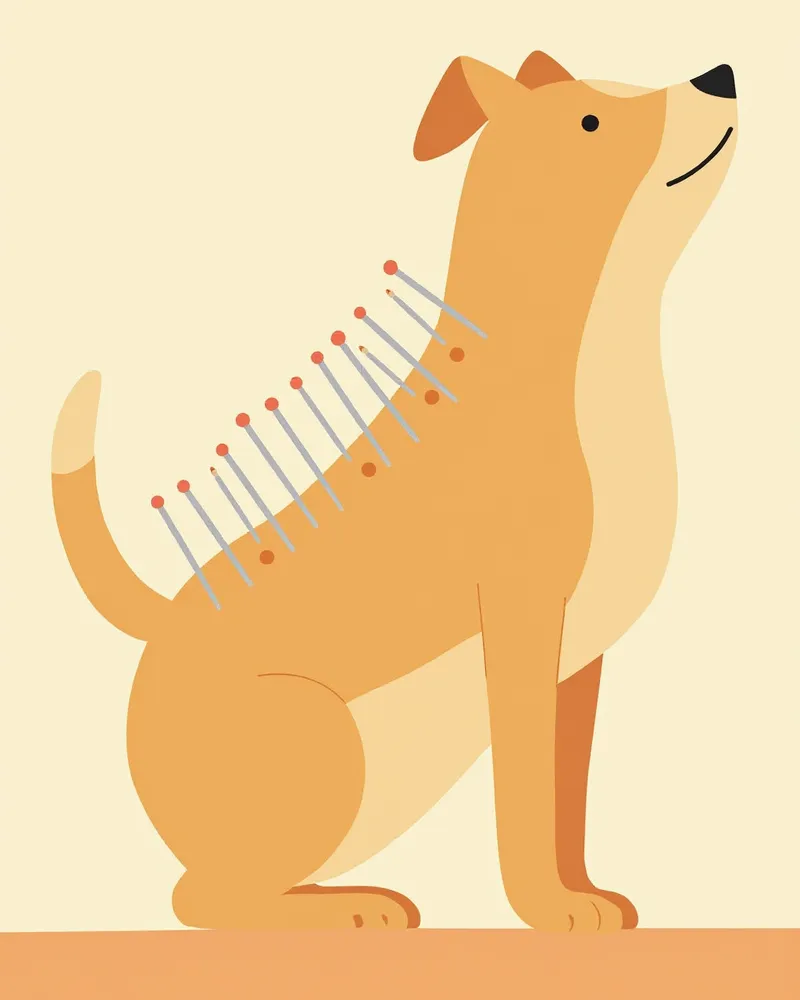
How Do Acupuncture and Herbal Medicine Differ?
| Item | Acupuncture treatment | Herbal medicine treatment |
|---|---|---|
| Mechanism of action | Neural regulation and pain relief through acupoint stimulation | Systemic supportive treatment through herbal combinations |
| Main applications | Relief of joint and nerve pain | Chronic inflammation and systemic supportive treatment |
| Treatment time | Varies by treatment method and condition | Varies by prescription |
| Perceived effect | May vary by individual and condition | Consistent administration is recommended |
| Risk of side effects | Generally low, but requires a professional practitioner | Risk of toxicity with an incorrect prescription |
Representative Herbal Prescriptions and Research Evidence
Do Not Discontinue Current Treatments
Acupuncture and herbal medicine are complementary treatments. Stopping your pet’s current veterinary care in favor of traditional Korean medicine alone could worsen their condition. In particular, delaying necessary surgery to pursue traditional Korean medicine may cause you to miss the optimal treatment window. Always consult your veterinarian before deciding whether to combine these approaches.
Treatment Process — From the First Visit to Follow-up Monitoring
How to Choose a Canine Korean Medicine Clinic?

Do Not Feed Human Herbal Medicine to Dogs
Administering remedies found online or human herbal medicines to your dog without veterinary guidance can lead to liver damage or poisoning. Some ingredients in traditional herbal formulas are toxic to dogs, so it is essential to obtain a prescription from a veterinarian.
Reviewed by a veterinarian

Dr. Tony — Punnawat Phongkittirak
VeterinarianA veterinarian who majored in veterinary medicine at Khon Kaen University, Thailand, and completed the IVSA program at North Carolina State University in the United States. Drawing on clinical experience at animal hospitals, he works in the pet healthcare field and is dedicated to building a digital care environment that connects pet parents with veterinarians.
Reviewed 2026-04-14
Frequently Asked Questions
Does acupuncture treatment hurt dogs?
How can I find out the cost of traditional Korean veterinary treatment?
Can Korean herbal medicine alone completely cure a disease?
Can my pet receive acupuncture treatment after surgery?
Can any breed receive Korean herbal medicine treatment?
Share
Related Guides
Top 5 Patellar Support Braces for Dogs — Stage-by-Stage Size Guide
Curcumin Efficacy and Anti-inflammatory/Joint Support

Top 5 Recommended Joint Supplements for Dogs in 2026

Dog Uric Acid Uroliths FAQ — Key Information for Pet Owners

Frequently Asked Questions About Chronic Recurrent Urinary Tract Infections in Dogs — Key Points Every Pet Owner Should Know

Dog Neurogenic Bladder FAQ — Key Information for Pet Owners

Frequently Asked Questions About the Relationship Between High Blood Pressure and Proteinuria in Dogs — Key Points for Pet Owners

Dog Hematuria FAQ — Key Information Every Pet Owner Should Know

Dog Cystine Urolithiasis FAQ — Key Information for Pet Owners

Dog Bladder Ultrasound Exam FAQ — Key Information Every Pet Owner Should Know
References
[1] Jeong SM. Effects of electroacupuncture on minimum alveolar concentration of isoflurane and cardiovascular system in isoflurane anesthetized dogs. Journal of Veterinary Science, 2002;3(3):193-201
[2] Miscioscia E, Repac J. Evidence-based complementary and alternative canine orthopedic medicine. Veterinary Clinics of North America, 2022;52:925-938
[3] Roynard P, Frank L, Xie H, Fowler M. Acupuncture for small animal neurologic disorders. Veterinary Clinics of North America, 2018
[4] Ko JC (ed.). Small Animal Anesthesia and Pain Management: A Color Handbook, 3rd Edition. CRC Press