Like
Share
멍실장
강아지 연간 구충 스케줄 자주 묻는 질문 Q&A — 보호자가 꼭 알아야 할 핵심

Dog Annual Deworming Schedule FAQ — Key Information Every Pet Owner Must Know

Lifestyle & Age CareQ&AMeongsiljang Veterinary Advisory Board

An annual deworming schedule is essential for maintaining your dog's health. Here’s a summary of the key information every pet owner should know.

Why Is an Annual Deworming Schedule Important for Dogs?
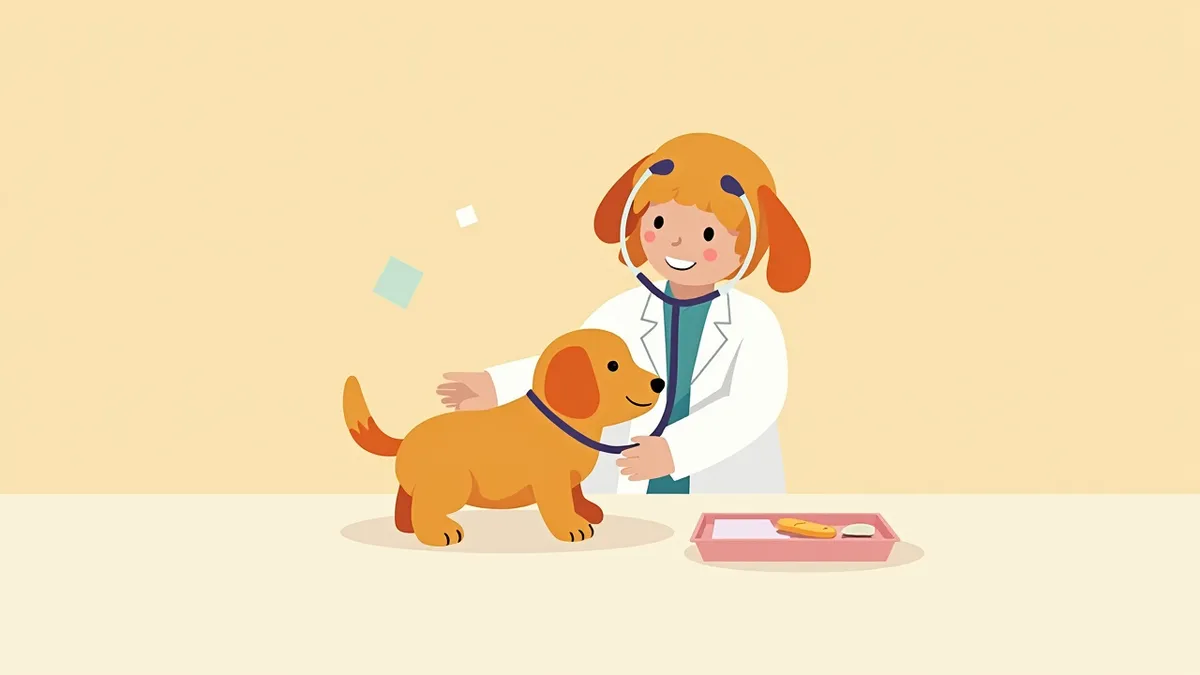
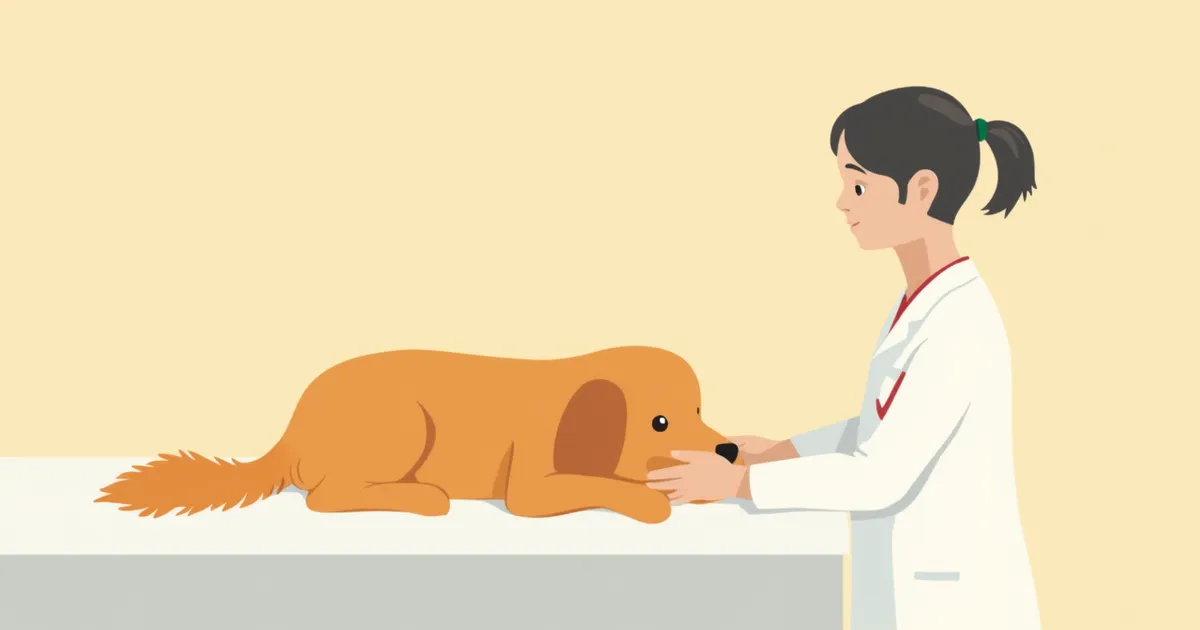
A veterinarian checking a puppy's health.
A yearly deworming schedule is a key preventive measure against diseases caused by internal parasites. Puppies, in particular, are at higher risk of parasitic infections due to their immature immune systems. Deworming helps prevent the reproduction and spread of parasites, while also protecting the health of your family members. - Prevention of Internal Parasites: Parasites can multiply in the intestines, leading to nutritional deficiencies or enteritis. - Support for Healthy Growth: Regular deworming positively impacts your puppy's growth and development. - Blocking Infection Spread: Some parasites can be transmitted to humans, so deworming is essential for safeguarding the health of your entire family. - Use of Veterinarian-Recommended Products: For safe and effective care, it is important to always follow the guidance of a professional.

What Are the Basic Principles of a Deworming Schedule?

Deworming schedules should be tailored to each dog’s living environment, activity level, local parasite types, weight, and age. Puppies are especially vulnerable to congenital or milk-borne infections, so early deworming is standard. It is generally recommended to begin every two weeks as early as 2–3 weeks of age, continue monthly until six months old, and then repeat periodically due to the risk of reinfection. Adult dogs with frequent outdoor exposure, hunting habits, or raw meat diets may require deworming 4–12 times per year. - Age-based schedule differences: Puppies have weaker immune systems and are more susceptible to parasites, making regular deworming from an early age essential. - Consider living environment: Dogs with extensive outdoor activity or frequent contact with other dogs face a higher risk of parasite exposure. - Check local parasite types: Predominant parasites vary by region, so a veterinarian-based risk assessment is necessary. - Veterinary consultation is essential: Self-prescribing or overdosing can cause adverse effects. - Regular check-ups: Deworming schedules should be reviewed and adjusted in consultation with a veterinarian for safety.
A calendar and medications for managing deworming schedules

Things to Check Before Administering Dewormer
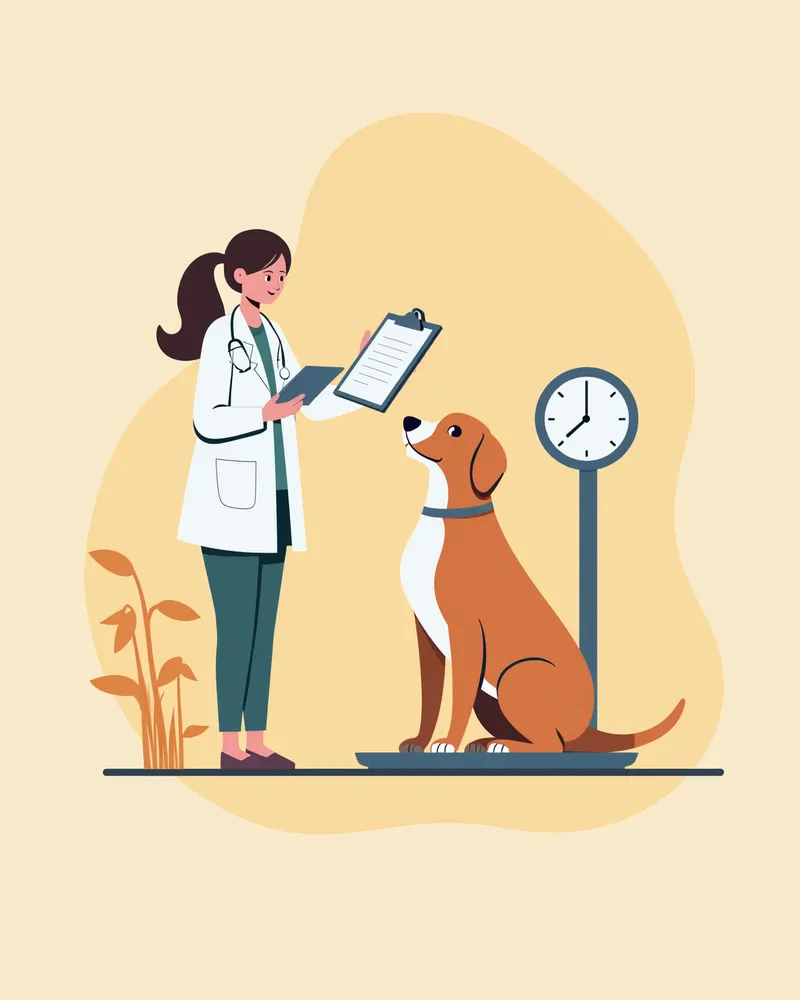
Before administering dewormer, carefully check your dog’s weight, overall health status, and recent medication history. An incorrect dose based on inaccurate weight can lead to adverse side effects. - Accurate Weight Measurement: Dewormer dosage varies by weight, so precise measurement is essential. - Health Status Check: If your dog has recently been ill or has had hypersensitivity reactions to medications, consult your veterinarian. - Review Medication History: Keep a record of any previous dewormer use and note any reactions that occurred. - Confirm Administration Method: Recommendations on whether to give the medication with food or on an empty stomach vary by product, so follow the product instructions and your veterinarian’s guidance for safety. Consult your vet in advance if your dog has a sensitive stomach. - Post-Administration Monitoring: Closely observe your dog for any abnormal reactions for 24 hours after administration.
A veterinarian measuring a puppy's weight.

Comparison of Dewormer Types by Features

ItemMain Target ParasitesDosing IntervalRecommended Timing
Oral Medication (benzimidazole-based)Nematodes such as roundworms, hookworms, and whipworms, and some tapeworms (e.g., Taenia)Every 6–8 weeksPuppies and dogs in high-risk environments
Topical Skin Treatment (selamectin-based)Fleas, ear mites, sarcoptic mites, Cheyletiella, etc.Every monthSpring to fall
Heartworm Preventive (ivermectin-based)Heartworm, some roundwormsEvery monthYear-round

Choose based on the products and timing recommended by your veterinarian.

Possible Side Effects After Taking Dewormer
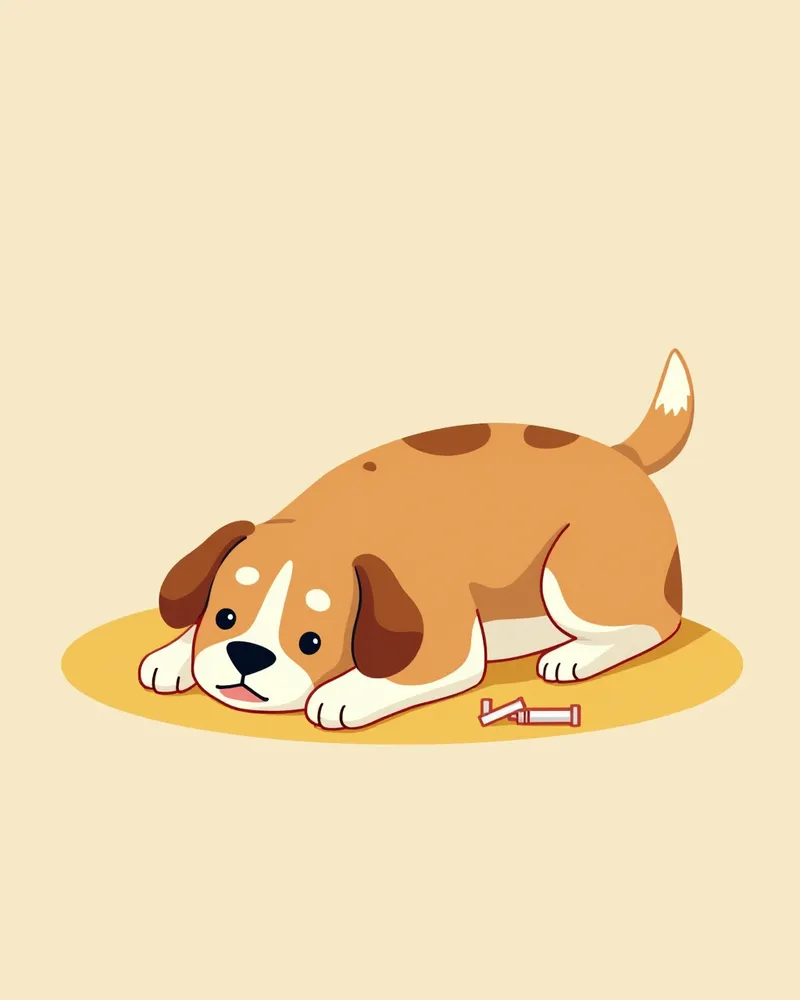
Mild side effects may occur after administering deworming medication. These typically include nausea, diarrhea, drowsiness, and decreased appetite, and they usually resolve within one to two days. - Mild reactions: Most side effects are temporary and resolve naturally without specific treatment. - Watch for severe reactions: Seek immediate veterinary care if you observe difficulty breathing, seizures, frequent vomiting, or blood in the stool. - Managing hypersensitivity: If your pet shows signs of hypersensitivity to the medication, switching to a different product may be an option. - Always inform your veterinarian: Be sure to notify your veterinarian of any side effects. - Keep records: Documenting any reactions can help guide the selection of deworming medications in the future.
Puppies showing side effects after taking deworming medication

When to Seek Immediate Veterinary Care

If your dog experiences difficulty breathing, seizures, persistent vomiting, bloody stools, or lethargy after taking dewormer, seek veterinary care immediately. These symptoms may indicate a serious adverse drug reaction. Puppies and dogs with low body weight are at higher risk for side effects. While dewormers are generally safe, improper use can be dangerous, so caution is essential.

Tips for Effectively Managing Your Deworming Schedule
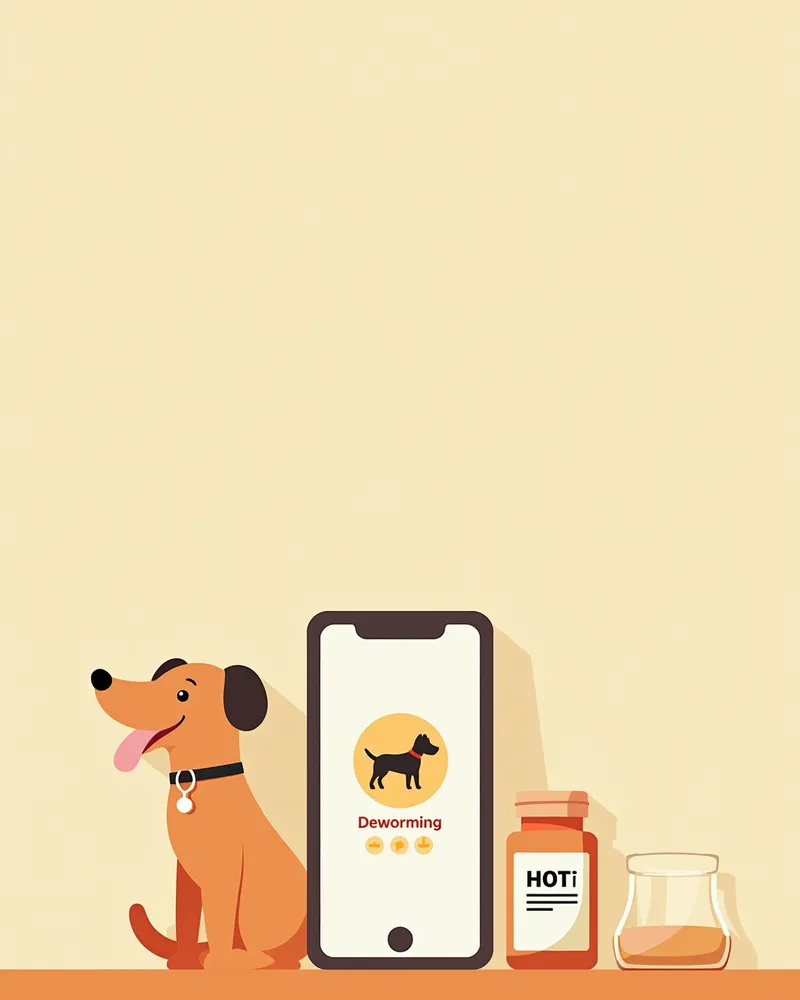
To manage your deworming schedule effectively, use smartphone alarms or calendar apps. Setting reminders in advance helps prevent missed doses. - Set alarms: Since it can be difficult to remember each dose date, rely on smartphone alarms. - Keep records: Note down the administration date and product name, or log them in an app. - Storage: Store deworming medication in a cool place away from direct sunlight and moisture. Refrigeration is generally not required. - Monitor for reactions: Observe your dog’s behavior and bowel movements for 24 hours after administration. - Regular consultations: Consult with your veterinarian every six months to review and adjust the schedule. - Share with family: Share the dosing schedule with family members so everyone can help manage it together.
A scene showing how to manage deworming schedules using smartphone alarms.

Reviewed by a veterinarian

Dr. Tony — Punnawat Phongkittirak

Dr. Tony — Punnawat Phongkittirak

Veterinarian

A veterinarian who majored in veterinary medicine at Khon Kaen University, Thailand, and completed the IVSA program at North Carolina State University in the United States. Drawing on clinical experience at animal hospitals, he works in the pet healthcare field and is dedicated to building a digital care environment that connects pet parents with veterinarians.

Frequently Asked Questions

Should I give my puppy deworming medication every month?
Heartworm preventatives are typically given monthly, while intestinal dewormers are usually administered every three months. The exact schedule may vary depending on your veterinarian’s recommendation.
What should I do if I missed giving my pet deworming medication?
If you realize you’ve missed a dose, administer it as soon as possible and consult your veterinarian before adjusting the subsequent schedule. This is especially important for heartworm preventatives, as the longer the gap between doses, the higher the risk of infection. For safety, work with your vet to review the missed period and plan the restart accordingly.
Can I buy deworming medication at home and give it to my pet myself?
Deworming medications should not be purchased or administered without a veterinarian’s prescription. Using the wrong product or incorrect dosage can cause adverse side effects. Always consult your veterinarian before use.
My dog won’t take deworming medication. What should I do?
Oral medications are easier to administer when mixed into food or placed in special pill pockets. Follow your veterinarian’s recommended method. Topical skin medications are applied directly onto the fur.
Should deworming medication be given year-round?
Heartworm preventatives are recommended for year-round administration. Intestinal dewormers can be given periodically according to the season. Follow the schedule recommended by your veterinarian.

Share

Related Guides

References

This information is based on veterinary literature and does not replace diagnosis or treatment. Please consult a veterinarian for specific health concerns.

Metapet Co., Ltd. | CEO: Park Sung-yong | Business Reg. No. 417-88-02562 | Seoul, South Korea | Customer Center

Puppy Annual Deworming Schedule: 5 FAQs | Meongsiljang