Like
Share
멍실장
고양이 심낭삼출·심낭압전 자주 묻는 질문 Q&A — 보호자가 꼭 알아야 할 핵심

What is Feline Pericardial Effusion and Cardiac Tamponade? — Emergency Warning Signs and Treatment Timing

HeartQ&AMeongsiljang Veterinary Advisory Board

Feline pericardial effusion and cardiac tamponade are emergency conditions that threaten heart function. We’ve summarized the key symptoms and response steps that pet owners should know.

Feline Pericardial Effusion and Cardiac Tamponade are Emergency Conditions Threatening Heart Function
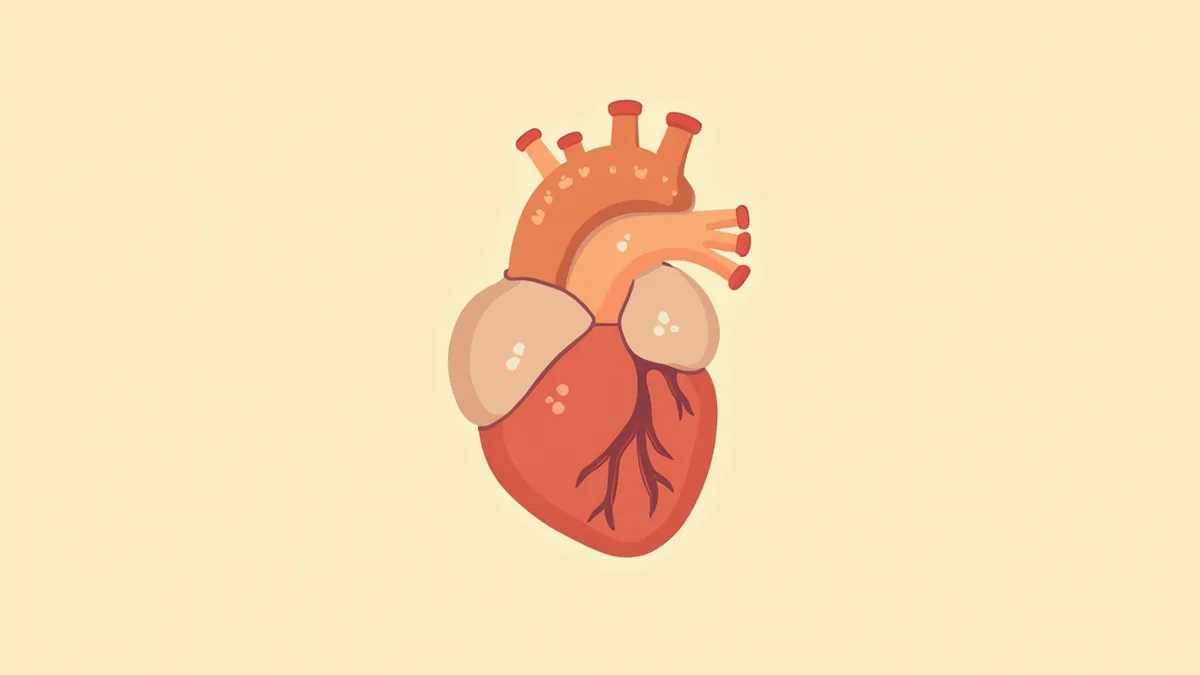
Anatomical diagram of a cat's heart with pericardial effusion
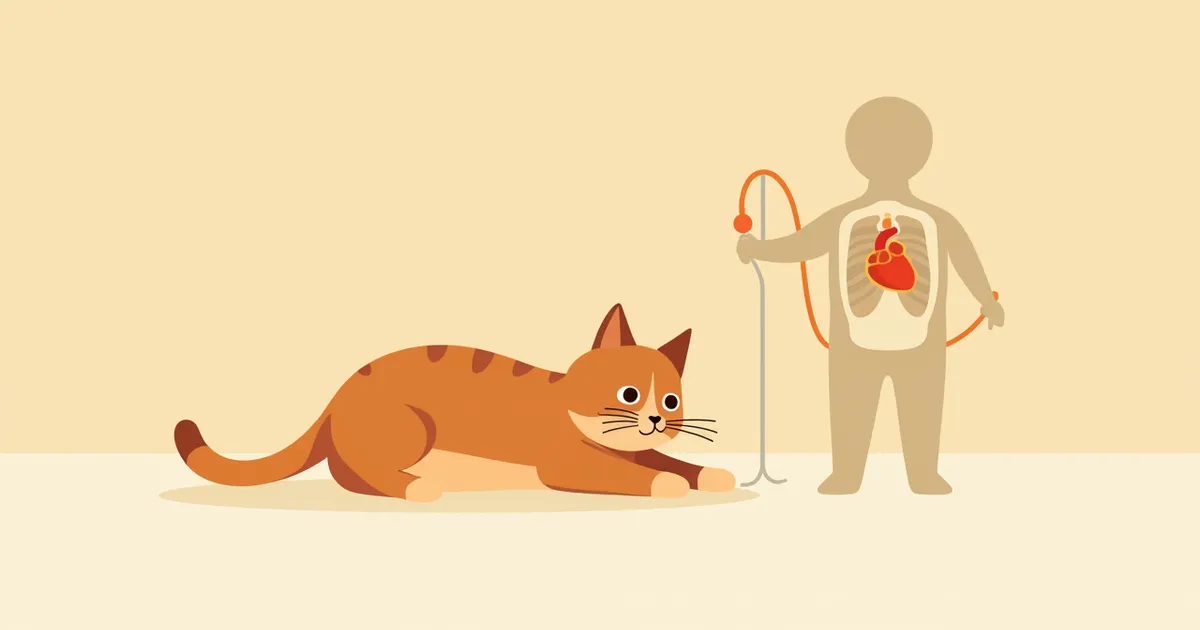
Feline pericardial effusion is a condition in which an abnormal amount of fluid accumulates within the pericardial sac surrounding the heart. If this fluid builds up rapidly or excessively, it can prevent the heart from filling adequately with blood during diastole, disrupting normal hemodynamics and potentially leading to hypotension and cardiac arrest—a condition known as cardiac tamponade. - Cardiac tamponade: A life-threatening emergency in which sudden or excessive fluid accumulation in the pericardial sac restricts cardiac filling, potentially causing hypotension and shock. - Pericardial effusion: The presence of increased fluid within the pericardial sac; even small volumes can impair venous return (preload) to the heart. - Urgency: Because cardiac tamponade is life-threatening, prompt diagnosis and treatment are essential. - Timing of treatment: Early diagnosis and intervention can significantly improve the prognosis.

What are the Main Causes of Pericardial Effusion?
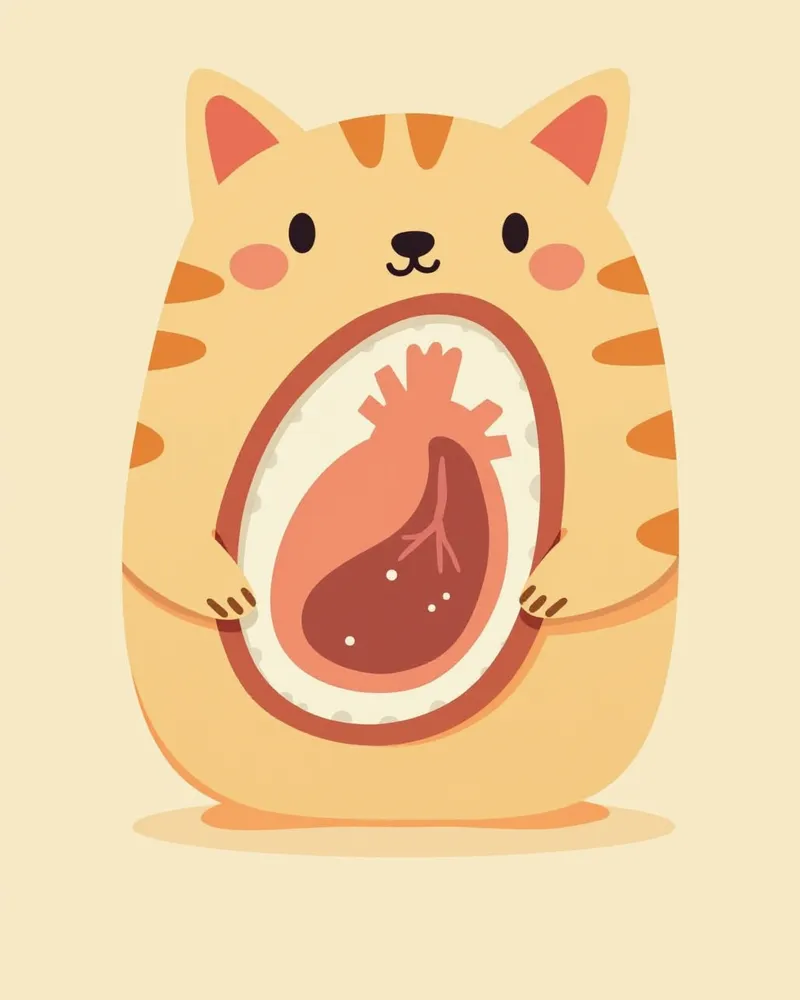
Pericardial effusion is less common in cats than in dogs, and when it does occur, it is usually associated with congestive heart failure (CHF). Other frequently reported causes include tumors and idiopathic (unknown cause) effusion. - Congestive heart failure: Pericardial effusion in cats often occurs alongside heart failure. - Tumors: Cardiac hemangiosarcoma, chemodectoma, mesothelioma, and lymphoma can all lead to pericardial fluid accumulation. - Idiopathic: Idiopathic effusion, which arises without a clear underlying cause, is also a common factor. - Trauma and coagulopathies: Trauma or coagulopathies, such as anticoagulant rodenticide poisoning, can rarely be the cause. - High-risk groups: Extra caution is warranted for cats with heart disease, particularly those with a history of heart failure.
The causes of pericardial effusion due to cardiac tumors

What are the Main Symptoms of Cardiac Tamponade?

Pericardial tamponade progresses acutely, and there are several warning signs that pet owners need to recognize immediately. - Difficulty breathing: Your pet may pant heavily or repeatedly breathe with its mouth open. - Signs of shock: The paw pads may become pale or cold, and your pet may appear disoriented or lethargic. - Weakened heart pulse: The pulse may feel weak or irregular. - Postural changes: Your pet may struggle to breathe while sitting or lying down and try to stand up immediately. - Fatigue: Your pet may seem unusually sleepy or show a sudden drop in activity levels. - Early detection: If any of these symptoms appear, seek veterinary care right away.
Cats experiencing breathing difficulties due to pericardial compression

Cardiac Tamponade is a Life-Threatening Emergency

When excessive fluid accumulates in the pericardial sac, the heart cannot fill adequately during diastole, leading to circulatory collapse, hypotension, and potentially cardiac arrest. This is a life-threatening emergency; if your pet shows signs of difficulty breathing, shock, or decreased consciousness, seek immediate veterinary care.

How is Cardiac Tamponade Diagnosed?
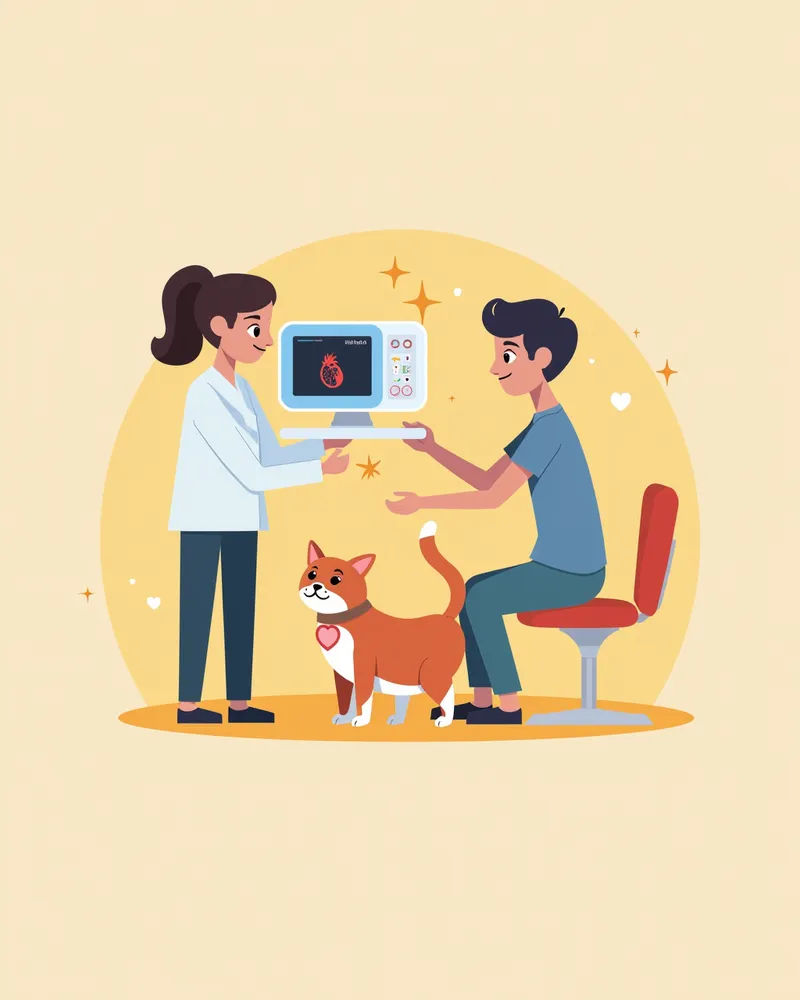
Cardiac tamponade is accurately diagnosed using an echocardiogram (cardiac ultrasound). - Echocardiogram: Allows real-time assessment of the amount of fluid surrounding the heart and cardiac function. - Thoracic radiographs (X-rays): Help evaluate changes in heart size and shape. - Electrocardiogram (ECG): Assesses abnormalities in the heart’s electrical activity. - Clinical correlation: Diagnosis is made by integrating clinical signs with imaging results. - Urgency: An immediate treatment plan is established following diagnosis.
Diagnosing cardiac tamponade using an echocardiogram

What are the Treatment Methods for Cardiac Tamponade?

The key to treating pericardial effusion is the immediate removal of fluid. - Pericardiocentesis: This is an emergency procedure that uses a syringe to drain the fluid surrounding the heart. - Immediate effect: Breathing difficulties and heart function improve rapidly after the procedure. - Identifying the cause: The underlying cause is determined through fluid analysis or a biopsy after drainage. - Ongoing management: If a tumor is the cause, surgery or chemotherapy may be necessary. - Treatment plan: A customized treatment plan follows, based on the identified cause.
The process of draining fluid through pericardiocentesis

Post-Treatment Care and Prognosis for Cardiac Tamponade
After treatment for cardiac tamponade, it is essential to identify the underlying cause and provide ongoing care. - Cause-specific management: If a tumor is the cause, surgery or chemotherapy may follow; if infection is the cause, antibiotic treatment will continue. - Regular check-ups: Monitor for recurrence through periodic heart ultrasounds and blood tests. - Lifestyle management: Reduce stress and adjust activity levels to minimize strain on the heart. - Prognosis: Early treatment improves survival chances, and some pets can return to normal daily life with long-term management. - Owner’s role: Consistently record any changes in symptoms and schedule regular veterinary visits.
A cat recovering after treatment for pericardial compression

Caution is Needed for Senior Cats and Those with a History of Heart Disease

Pericardial effusion is rare in cats, but it can occur alongside heart disease, particularly congestive heart failure, so vigilance is essential. Regular cardiac screenings and monitoring of respiratory status are important. If sudden difficulty breathing or signs of shock appear, immediate veterinary care is required.

Reviewed by a veterinarian

Dr. Tony — Punnawat Phongkittirak

Dr. Tony — Punnawat Phongkittirak

Veterinarian

A veterinarian who majored in veterinary medicine at Khon Kaen University, Thailand, and completed the IVSA program at North Carolina State University in the United States. Drawing on clinical experience at animal hospitals, he works in the pet healthcare field and is dedicated to building a digital care environment that connects pet parents with veterinarians.

Frequently Asked Questions

Is cardiac tamponade a common condition in cats?
Pericardial tamponade is a relatively rare condition, but the risk is higher in older cats and those with a history of heart disease. Prompt intervention can be life-saving, so it’s important to stay vigilant.
Is cardiac tamponade treated with surgery?
Emergency treatment to remove the fluid, usually through pericardiocentesis, is the first priority. If the cause is a tumor, additional surgery or chemotherapy may be necessary.
Can cardiac tamponade recur?
Yes, especially if the cause is a tumor or chronic inflammation, there is a possibility of recurrence. Regular check-ups and proper management are important.
What is the prognosis for pericardial compression?
The prognosis varies depending on the underlying cause, but early diagnosis and treatment significantly improve the chances of survival. If a tumor is the cause, the prognosis may be less favorable.
Can pericardial tamponade be prevented?
While direct prevention is challenging, early detection is possible through regular cardiac screenings and monitoring of respiratory status in senior cats. It’s important to pay close attention to early symptoms.

Response Methods Based on the Severity of Cardiac Tamponade Symptoms

ItemSymptom SeverityKey SignsEmergency ResponseWhether a Vet Visit Is Needed
MildSlight breathing difficulty, mild fatigueShortness of breath or frequent resting behaviorSchedule a vet appointment as soon as possibleNeeded (breathing difficulty in cats is not normal, so a checkup is recommended)
ModeratePersistent shortness of breath, open-mouth breathingDifficulty breathing while sitting or lying downVisit the hospital immediatelyEssential
SevereDecreased consciousness, signs of shock, bluish mouthWeak or irregular heartbeatRequest emergency transportImmediately required

The higher the severity, the greater the threat to life, so an immediate vet visit is essential.

Share

Related Guides

References

[1] The Cat, Clinical Medicine and Management, 2nd Edition, 2020

[2] Small Animal Critical Care Medicine, 3rd Ed, 2018

[3] Textbook of Cardiovascular Medicine in Dogs and Cats, 2021

This information is based on veterinary literature and does not replace diagnosis or treatment. Please consult a veterinarian for specific health concerns.

Metapet Co., Ltd. | CEO: Park Sung-yong | Business Reg. No. 417-88-02562 | Seoul, South Korea | Customer Center

Feline Pericardial Effusion & Cardiac Tamponade Explained | Meongsiljang