

Frequently Asked Questions About Feline Aspiration Pneumonia — Key Information for Pet Owners
Aspiration pneumonia in cats occurs when food or saliva enters the airways, causing lung inflammation. Early recognition and proper management are crucial for survival.
What Is Feline Aspiration Pneumonia?
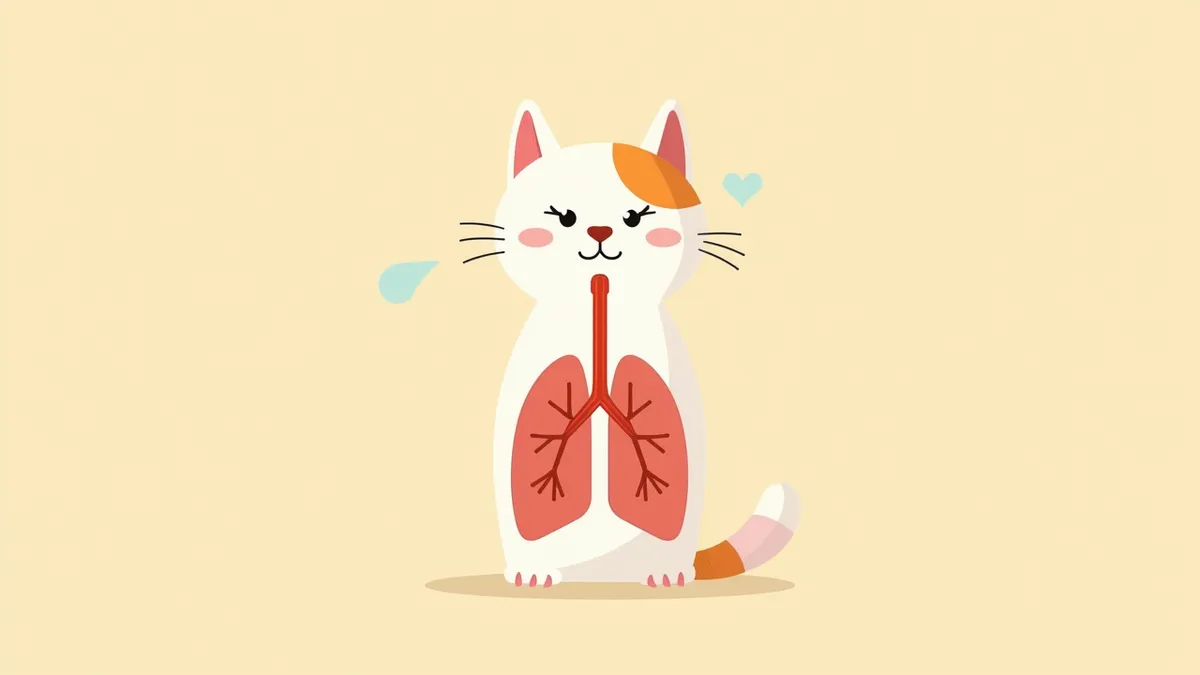
Why Can Cats Develop Aspiration Pneumonia?
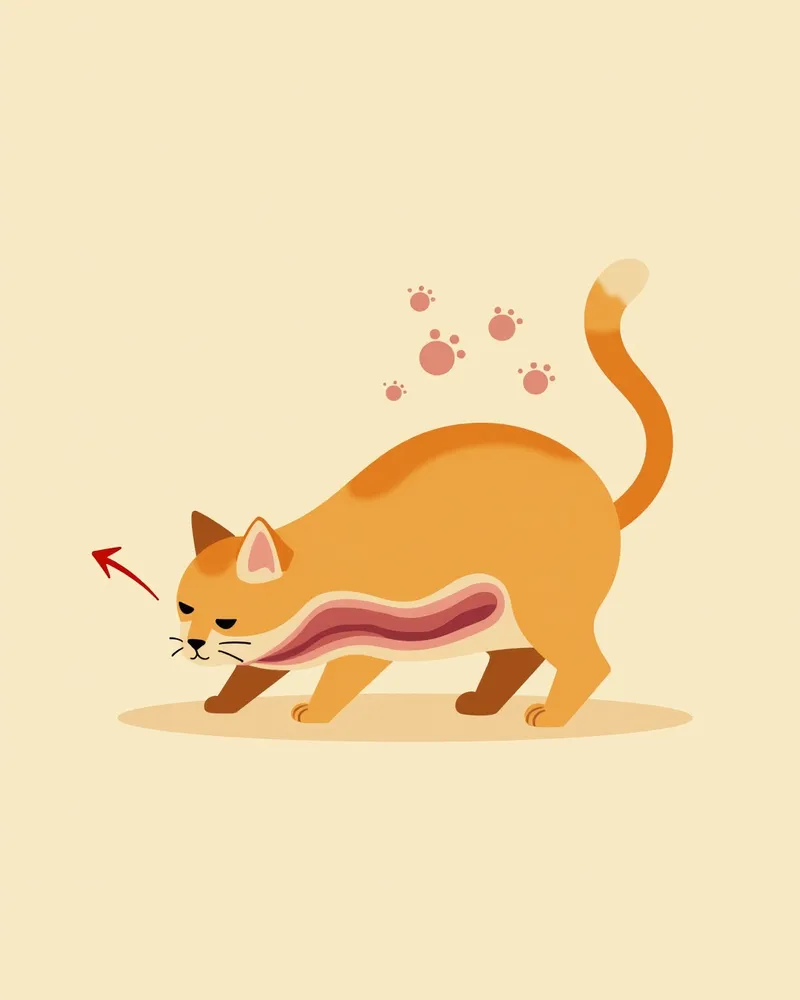
What Are the Main Symptoms of Aspiration Pneumonia?

Signs That Require Immediate Veterinary Care
If your cat is coughing severely, panting, has blue-tinged gums or lips (cyanosis), appears lethargic and unresponsive, or repeatedly coughs immediately after eating, seek veterinary care right away. Cyanosis signals oxygen deprivation and suggests a high likelihood of serious lung damage.
How Is Aspiration Pneumonia Diagnosed?
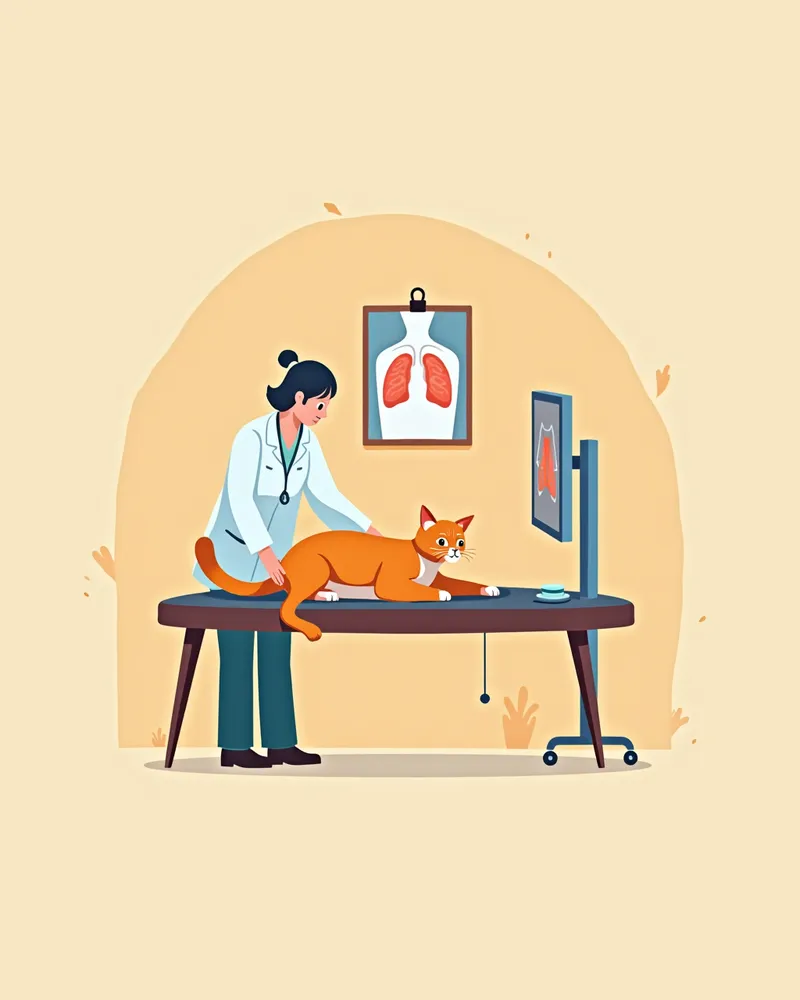
What Are the Treatment Options?

Home Care Management

Comparison of Responses Based on Symptom Severity
| Item | Main symptoms | Response method | Whether to visit the hospital |
|---|---|---|---|
| Mild | Slight cough, slightly decreased appetite | Adjust eating posture, provide hydration | Consult a veterinarian if needed |
| Moderate | Persistent cough, breathing difficulty, rapid breathing (may accompany hypothermia) | Take antibiotics, provide oxygen, prepare for hospitalization | Visit the hospital immediately |
| Severe | Cyanosis, severe breathing difficulty, limpness | Emergency treatment, oxygen therapy, bronchial lavage | Emergency room visit essential |
If symptoms worsen, an immediate hospital visit is necessary. Early diagnosis and treatment can positively affect the course and survival rate.
Caution: Preventing Recurrence of Aspiration Pneumonia Is Important
Aspiration pneumonia can recur, so extra caution is needed for cats recovering from anesthesia, those with a diminished cough reflex, or cats with esophageal motility disorders. Regular check-ups, managing feeding habits, and promptly cleaning up after vomiting are essential.
Reviewed by a veterinarian

Dr. Tony — Punnawat Phongkittirak
VeterinarianA veterinarian who majored in veterinary medicine at Khon Kaen University, Thailand, and completed the IVSA program at North Carolina State University in the United States. Drawing on clinical experience at animal hospitals, he works in the pet healthcare field and is dedicated to building a digital care environment that connects pet parents with veterinarians.
Reviewed 2026-06-29
Frequently Asked Questions
Can aspiration pneumonia be fatal in cats?
Does a coughing cat always have aspiration pneumonia?
Can aspiration pneumonia be prevented?
How long should I continue giving my pet antibiotics?
How long does recovery take after aspiration pneumonia?
Share
Related Guides

Top Recommended Feline Bronchodilators and Selection Criteria: A Complete Guide

Best Recommendations and Selection Criteria for Monitoring Your Cat’s Respiratory Rate (RR) During Sleep for Heart Care

Best Recommendations and Selection Criteria for Monitoring Your Dog’s Respiratory Rate (RR) During Sleep for Heart Care

A Comprehensive Guide to Antihistamine Use and Side Effects in Dogs and Cats

Tips for Changing Wound Dressings and Bandages for Dogs and Cats

Tuxedo Cat Characteristics and Personality

Symptoms and Management of Tracheal Collapse in Dogs

Emergency Response for Canine Gastric Dilatation-Volvulus (GDV)

Feline Ringworm (Fungal Dermatitis): Symptoms and Treatment

Cat Allergy Types and Management
References
[1] Littman MP, et al. (2018). Aspiration Pneumonia in Cats: Clinical Features and Prognostic Factors. Journal of Feline Medicine and Surgery, 20(5), 432–439.
[2] Plumb DC. (2022). Plumb's Veterinary Drug Handbook, 10th ed. Wiley-Blackwell.
[3] Kass PH, et al. (2020). Risk Factors for Aspiration Pneumonia in Cats: A Multicenter Case-Control Study. Veterinary Medicine and Science, 6(3), 1123–1132.