Like
Share
멍실장
종양 통증 관리 약물·접근

Medications and Approaches for Tumor Pain Management

ImmunityQ&AMeongsiljang Veterinary Advisory Board

Tumor-related pain in pets can’t be managed with a single medication alone. Here’s how to effectively combine multi-drug therapy with non-pharmacological approaches.

How Should Tumor Pain Be Managed?

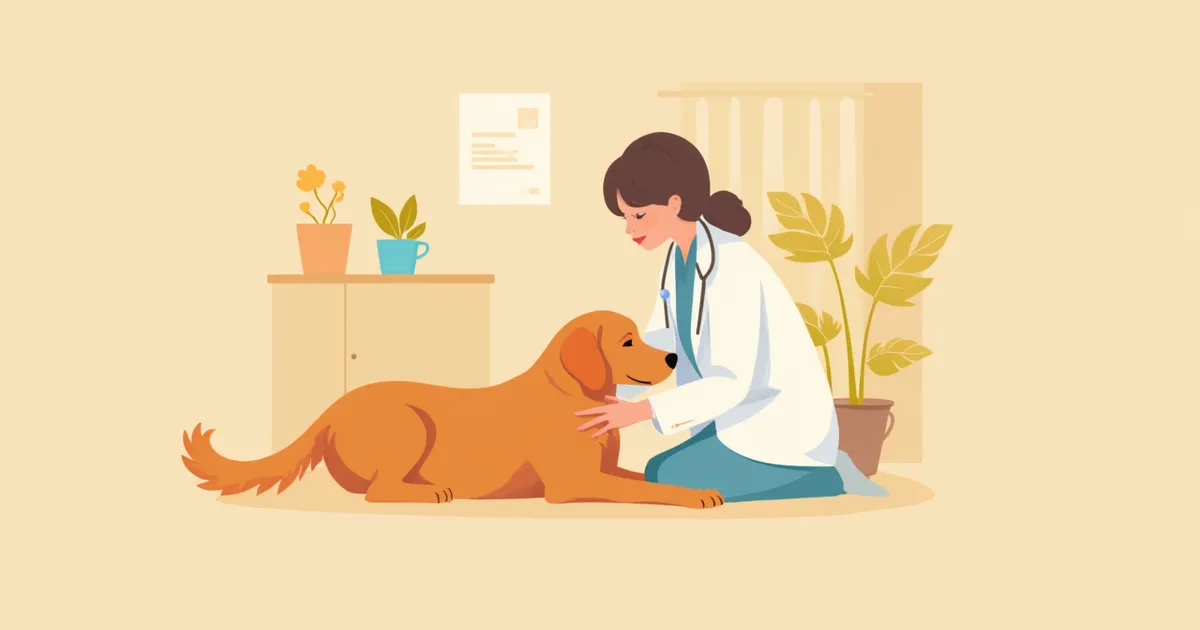
An elderly dog lying comfortably but showing signs of pain
Tumor-related pain is a complex issue arising from the interplay of the tumor itself with surrounding tissues, nerves, and the immune system. A single analgesic is often insufficient; the key is multimodal therapy, which combines medications with different mechanisms of action. At home, your first priority is to not miss any signs of pain. A decreased appetite, reluctance to move, or avoidance of previously comfortable positions may indicate worsening pain, signaling the need to revisit your veterinarian to adjust the medication regimen.

Why Is Tumor Pain Considered 'Complex Pain'?

According to veterinary internal medicine textbooks, tumor-related pain isn't just caused by a mass pressing on surrounding tissues. Tumor cells, stromal cells, and sensory nerves interact through complex signaling, simultaneously triggering inflammatory pain (mediated by prostaglandins and bradykinin), neuropathic pain (from nerve compression or invasion), and central sensitization (chronically amplified pain pathways). Tumors that invade bone, such as osteosarcoma, can cause severe pain even with minimal movement. That's why a single medication is often insufficient to address all the pain pathways involved.

Comparison of Main Medications Used for Tumor Pain

ItemMain roleRepresentative drugs
Nonsteroidal anti-inflammatory drugs (NSAIDs)First choice for inflammatory painMeloxicam, carprofen, robenacoxib
OpioidsModerate to severe painTramadol, buprenorphine, fentanyl patch
Anticonvulsants (neuropathic pain control)Neuropathic painGabapentin, pregabalin
NMDA receptor antagonistsSuppression of central sensitizationAmantadine, ketamine (during hospitalization)
BisphosphonatesBone pain from bone tumorsPamidronate/zoledronate (intravenous injection)

Actual prescriptions must always follow the judgment of the attending veterinarian. Drugs and dosages are adjusted to the patient's condition.

Why 'Multimodal Analgesia' Is the Standard
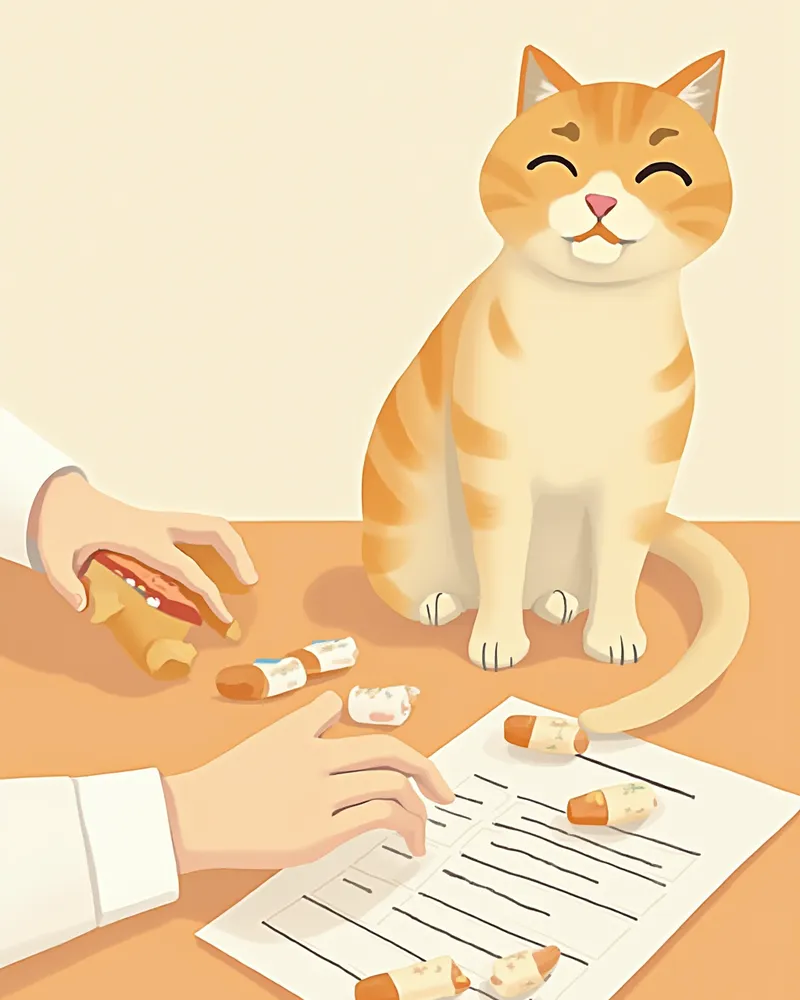
Both veterinary anesthesia and pain management textbooks, as well as oncologic surgery textbooks, recommend a multimodal approach as the standard for managing cancer-related pain. For example, in dogs with osteosarcoma pain, we simultaneously block four pathways: NSAIDs for inflammation, gabapentin for neuropathic pain, amantadine for central sensitization, and opioids if needed. Rather than increasing the dose of a single medication, combining drugs with different mechanisms at moderate doses reduces side effects while enhancing efficacy.
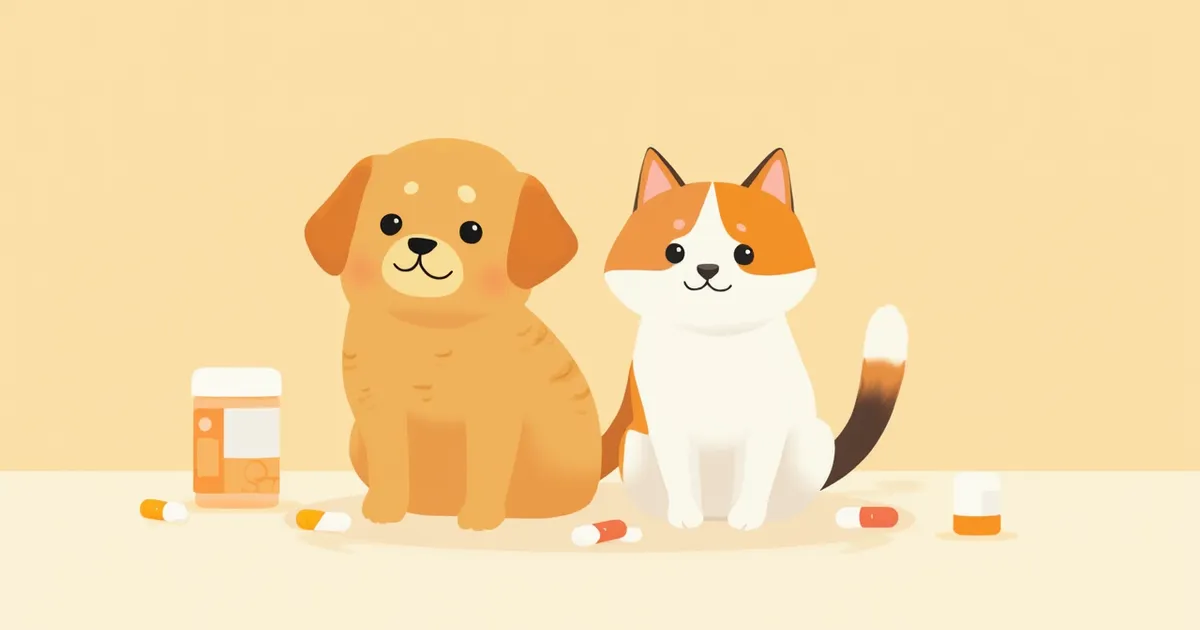
A scene showing various types of painkillers and prescriptions while explaining the treatment plan.

Essential Checks When Using Medications in Cats and Senior Dogs

Cats have different metabolic pathways than dogs. Even NSAIDs that are safe for humans and dogs can cause significantly stronger kidney and liver toxicity in cats. Tramadol is used in both dogs and cats, but cats may react more sensitively to it. In senior dogs, reduced kidney and liver function can slow drug metabolism, which may require lowering the dosage. Never administer human pain relievers (such as ibuprofen or acetaminophen) to your pet on your own — acetaminophen is fatal to cats.

Methods to Reduce Pain Beyond Medications

Veterinary surgical oncology and anesthesiology textbooks emphasize that adjunctive therapies, in addition to medications, play a key role in pain management. Palliative radiation therapy (PRT) aims to alleviate pain in bone-invasive tumors such as osteosarcoma by delivering a low total dose in 3–5 fractions, thereby minimizing acute side effects to normal tissues. While surgery to reduce tumor mass or radiation itself can serve as pain management strategies, pain at the treatment site must also be addressed. At home, environmental adjustments such as non-slip mats, restricted access to stairs, and cushioned beds that reduce joint stress can help minimize pain-triggering movements. If your pet is overweight, weight management can also relieve joint burden and support pain control.
An elderly dog resting comfortably on a non-slip mat and an orthopedic bed

How to Read Pain Signals at Home

Dogs and cats often mask their pain, so it’s crucial for pet owners to first learn to recognize subtle changes in their usual behavior. Veterinary textbooks emphasize that because many dogs and cats are skilled at hiding discomfort, it is important to interpret their body language and behavior to detect faint signs of pain and intervene promptly. The earliest signs owners typically notice include decreased appetite, reluctance to jump, unstable posture, and changes in grooming habits. - Loss of appetite: Refusing even favorite treats - Hiding behavior: Seeking out spaces under furniture or in dark areas - Postural changes: Arching the back or avoiding certain positions - Increased respiration and heart rate: Panting even while at rest - Aggression or irritability: A normally calm pet becoming sensitive or easily annoyed If these signs persist for more than 24 hours, the current medication regimen should be reevaluated.

Palliative Care (Hospice Care) Stage

For patients with end-stage tumors, the goal shifts from "cure" to "quality of life." Veterinary internal medicine textbooks emphasize regular pain score assessments (using tools like the Glasgow Pain Scale) and owner education during the hospice phase. Preparing a "home care plan" with your veterinarian that grants owners the authority to adjust medication dosages within a specified range allows for a swift response to sudden deteriorations at night or on weekends. Discussing the timing of euthanasia when quality of life consistently declines is also an integral part of pain management.

Reviewed by a veterinarian

Dr. Tony — Punnawat Phongkittirak

Dr. Tony — Punnawat Phongkittirak

Veterinarian

A veterinarian who majored in veterinary medicine at Khon Kaen University, Thailand, and completed the IVSA program at North Carolina State University in the United States. Drawing on clinical experience at animal hospitals, he works in the pet healthcare field and is dedicated to building a digital care environment that connects pet parents with veterinarians.

Frequently Asked Questions

Should pain medication be started immediately once a tumor is confirmed?
If there are signs of pain, or if the tumor is expected to be painful (such as bone or oral tumors), start treatment immediately after diagnosis. Once pain becomes chronic, it becomes harder to manage, so the key is to act early and provide adequate relief.
Is it safe to give NSAIDs long-term?
Long-term use of NSAIDs can place a significant burden on the kidneys, liver, and gastrointestinal tract. Veterinarians typically monitor this through regular blood and kidney function tests, often combining NSAIDs with other medications to keep the dosage as low as possible. Never extend the treatment duration or adjust the dose on your own.
I’ve heard that tramadol isn’t used as much as it used to be. Is that true?
Tramadol is still used today, but it’s typically employed in a multimodal approach, combined with medications that work through different mechanisms, such as NSAIDs and gabapentin, rather than being used alone. Veterinary textbooks also recommend tramadol (or other opioids) as an adjunctive or complementary analgesic option to NSAIDs. Since tramadol alone may not provide sufficient pain relief, the specific combination of medications is determined by your veterinarian based on your pet’s individual condition.
Gabapentin isn't a sleeping pill, is it?
Gabapentin is originally an anticonvulsant, but it is widely used to manage neuropathic pain. Drowsiness is a common side effect, but it tends to improve over time. It is often used in combination with NSAIDs when those alone are insufficient for pain caused by nerve compression or damage.
Can I use herbal medicine or CBD oil together?
Always consult your veterinarian before adding any complementary therapies. Some supplements can affect liver enzymes and alter how your pet’s current pain medication is metabolized. Adding them on your own, even if you think they’ll help, can lead to dangerous drug interactions.

Share

Related Guides

References

[1] Ettinger SJ, Feldman EC, Cote E, Textbook of Veterinary Internal Medicine, 8th Ed

[2] Grimm KA et al., Veterinary Anesthesia and Analgesia (Lumb and Jones), 5th Ed

[3] Kudnig ST, Seguin B, Veterinary Surgical Oncology, 2nd Ed

[4] Shearer TS, Small Animal Anesthesia and Pain Management: A Color Handbook, 3rd Ed

[5] Schaer M, Clinical Medicine of the Dog and Cat, 4th Ed

This information is based on veterinary literature and does not replace diagnosis or treatment. Please consult a veterinarian for specific health concerns.

Metapet Co., Ltd. | CEO: Park Sung-yong | Business Reg. No. 417-88-02562 | Seoul, South Korea | Customer Center

Tumor Pain Management in Pets: Medications & Approaches | Meongsiljang