
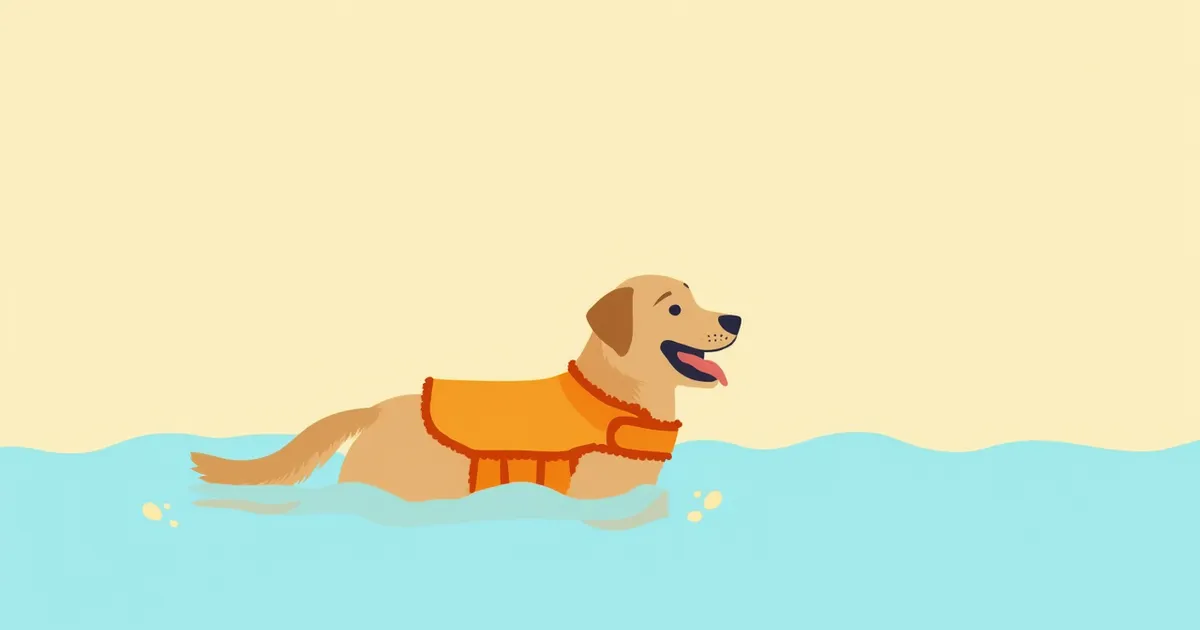
Beach & Pool Safety: How to Keep Your Pet Safe During Water Play?
We’ve compiled safety guidelines and emergency response steps to help prevent drowning, waterborne infections, and heatstroke in pets at beaches and swimming pools.
What Is Beach & Pool Safety?

Why Are Beaches & Pools Dangerous?
Beach vs. Pool: Comparing Risk Factors
| Item | Beach (seawater) | Pool (chlorine) | Valley·lake |
|---|---|---|---|
| Main risk | Salt poisoning·drowning in waves | Chlorine conjunctivitis·dermatitis | Leptospira infection |
| If swallowed | Vomiting·diarrhea·seizures | Gastrointestinal irritation·vomiting | Bacterial enteritis |
| Skin effects | Salt irritation·UV burns | Dryness·itching | Parasites·ticks |
| Recommended stay | Rest every 30 minutes | Within 20–30 minutes | Enter after checking current speed |
Depending on build and stamina, cut the times in half.
Essential Safety Gear to Bring

Emergency Signs Requiring Immediate Veterinary Care
If your pet shows any of the following symptoms after swimming, take them to a 24-hour veterinary clinic immediately: • Repeated vomiting and diarrhea (suspected ingestion of large amounts of seawater) • Persistent coughing or labored breathing (possible aspiration pneumonia due to inhalation of water or foreign objects) • Gums turning purple or dark blue (a sign of oxygen deprivation) • Staggering, collapse, or seizures • Increased respiratory rate and effort, accompanied by ongoing lethargy In particular, swallowing large amounts of water can lead to aspiration pneumonia, and symptoms may not appear immediately. Therefore, it is essential to closely monitor your pet’s coughing, respiratory rate, and energy levels for at least 48 hours after swimming.
Essential Post-Swim Care

Can I Take My Cat to the Beach or Pool?
Additional Precautions by Breed
Brachycephalic breeds (Bulldogs, Pugs, Shih Tzus, Persians): Their shortened and narrowed nasal and airway structures make them prone to breathing difficulties due to Brachycephalic Airway Obstruction Syndrome (BAOS). Please avoid swimming altogether and limit water exposure to paw soaks only. Large breeds (Labradors, Retrievers): While they have good stamina, their body temperature can rise quickly during exercise. Be sure to let them rest in the shade after 30 minutes of swimming. Senior dogs and those with heart conditions: Avoid prolonged swimming without consulting your veterinarian. Thin-coated breeds (Italian Greyhounds, Sphynx): Their sparse coats make them vulnerable to UV rays, so please apply pet-safe sunscreen thoroughly.
Reviewed by a veterinarian

Dr. Tony — Punnawat Phongkittirak
VeterinarianA veterinarian who majored in veterinary medicine at Khon Kaen University, Thailand, and completed the IVSA program at North Carolina State University in the United States. Drawing on clinical experience at animal hospitals, he works in the pet healthcare field and is dedicated to building a digital care environment that connects pet parents with veterinarians.
Reviewed 2026-04-29
Frequently Asked Questions
Is the chlorine in swimming pools harmful to the skin?
My pet drank a little seawater. Is that okay?
Even if your dog is a good swimmer, a life jacket is still essential.
How many days should I observe my pet after swimming?
Can puppies enjoy swimming too?
Share
Related Guides

Top 7 Short-Legged Dog Breeds

Primary vs. Secondary Veterinary Hospitals: A Comparison

5 Easy-to-Raise Cat Breeds for First-Time Owners — Grooming Difficulty Comparison

What Are Hormone-Responsive Tumors in Dogs? — Essential Q&A for Progesterone and Neutering Owners

What Is Feline Tumor Immunotherapy? — Essential Q&A for Pet Owners on Principles to Efficacy
Feline Tumor CT/MRI Staging FAQ — Key Information Every Cat Owner Must Know
Cat Tumor Biopsy and Fine-Needle Aspiration FAQ — Key Information for Pet Owners

What is Feline Squamous Cell Carcinoma? — What Symptoms Should Raise Suspicion?

When to Spay Your Cat to Prevent Mammary Tumors — Key Prevention Q&A

How to Reduce Pain in Cats with Cancer at Home — Key Q&A on Palliative Care
References
[1] BSAVA Manual of Canine and Feline Dermatology, 4th Edition - Sun Protection and Photodermatitis
[2] Small Animal Critical Care Medicine, 3rd Edition - Drowning and Near-Drowning
[3] Ettinger's Textbook of Veterinary Internal Medicine, 8th Ed - Heatstroke and Environmental Emergencies