Like
Share
멍실장
고양이 임신·수유 관련 호르몬 이상 자주 묻는 질문 Q&A — 보호자가 꼭 알아야 할 핵심

What are hormonal imbalances in pregnant and lactating cats — what signs to watch for after delivery

EndocrineQ&AMeongsiljang Veterinary Advisory Board

We’ve compiled the essential information every cat owner should know about hormonal imbalances that can occur during pregnancy and lactation. Get a clear overview of symptoms, causes, and how to manage them.

Hormonal imbalances during pregnancy and lactation are important signals for cat owners

A cat resting comfortably in a cozy nest with her kittens.
Hormone levels shift significantly during a cat’s pregnancy and lactation. Progesterone, in particular, begins to rise within 24 hours after ovulation and remains elevated throughout gestation, then drops rapidly just before and after delivery [E10]. While these fluctuations are normal, this period requires careful monitoring because it can occasionally lead to rare but life-threatening conditions such as postpartum hypocalcemia (eclampsia) [E15]. - Normal hormonal changes: High progesterone levels during pregnancy and the sharp decline around the time of birth are natural processes [E10]. - Monitoring appetite changes: As delivery approaches, your cat may show reduced appetite, restlessness, or nesting behavior [E3]. - Weight changes: Lactation demands significant energy, so any sustained weight loss beyond the normal range should be closely monitored. - Emergency signs: Symptoms such as tremors, muscle spasms, or an unsteady gait may indicate eclampsia and require immediate veterinary consultation [E1].

Key mechanisms of hormonal changes during pregnancy and lactation

During pregnancy, progesterone levels rise within 24 hours after ovulation, reaching 60–90 ng/mL around days 20–25, and remain elevated throughout the gestation period. However, levels drop to approximately 2 ng/mL a few days before delivery and fall below 1 ng/mL immediately after birth [E10]. - Role of progesterone: While high progesterone levels help maintain pregnancy, they can also predispose the uterus to pyometra, a condition in which the uterus becomes vulnerable to infection via the vagina [E20]. - Postpartum changes: Progesterone levels drop sharply right after delivery, and during lactation, hormonal influences related to milk production come into play [E10]. - Lactational anestrus: After weaning, cats may experience lactational anestrus, a period during which estrus is suppressed for up to 8 weeks [E10]. - Individual variation: Since responses vary from cat to cat, consistent monitoring and early detection through collaboration with your veterinarian are essential.
A subtle expression of stress visible on the cat's face

Main symptoms and signs of hormonal imbalance
Changes during pregnancy and lactation may not be simple stress but could signal an emergency condition, so don’t overlook them. Pay special attention to symptoms of hypocalcemia (eclampsia) after giving birth [E1, E15]. Be sure to check for the following signs.
Loss of appetite: Appetite may decrease and your pet may eat poorly as labor approaches or progresses [E3].
Tremors and muscle spasms: Shaking or twitching muscles are classic signs of eclampsia [E1].
Abnormal gait and restlessness: Your pet may stagger (ataxia), pace, or become unusually sensitive [E1].
Generalized seizures: Stiffening or tonic-clonic seizures can become life-threatening within hours and require immediate emergency care [E1].
Weight and overall condition: If your pet continues to lose weight or shows declining general health while nursing, a veterinary examination is necessary.
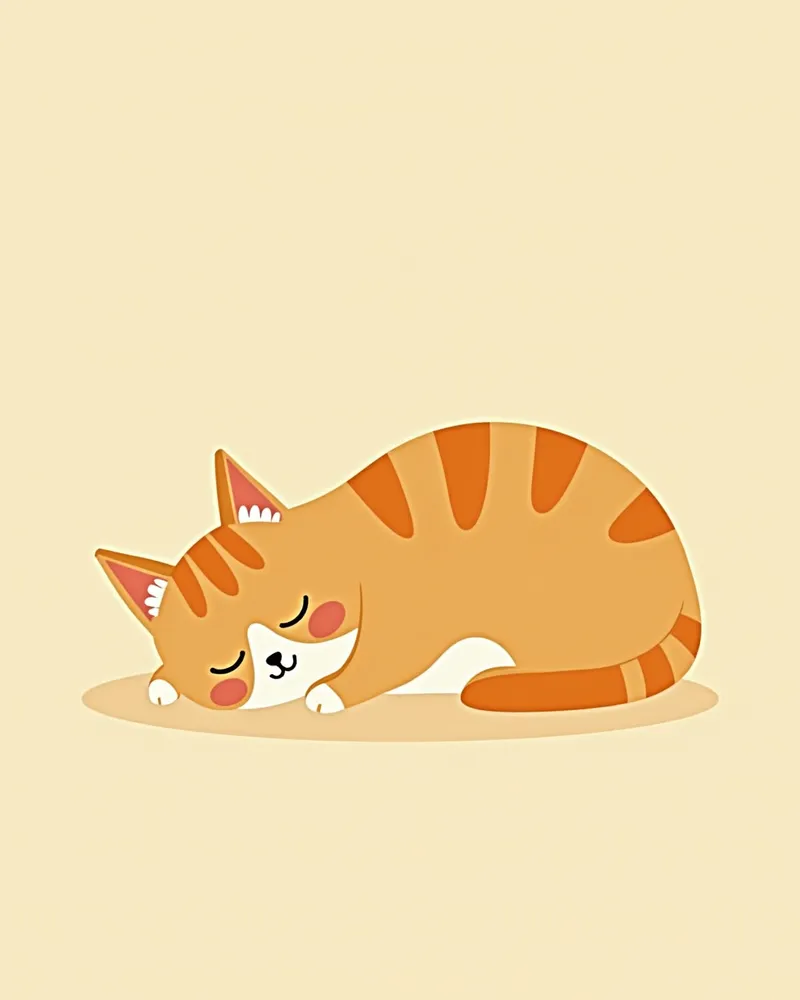
A cat with its eyes closed, not moving in an unusual way.

Signs requiring immediate veterinary visit

If your pet experiences tremors, muscle spasms, abnormal gait, or seizures during pregnancy or lactation, consult a veterinarian immediately. These symptoms may indicate an emergency condition such as postpartum hypocalcemia (eclampsia), which can be fatal within hours, or they may be signs of dystocia, postpartum infection, or mammary gland disease [E1, E3, E15].

Causes and risk factors of hormonal imbalance

The risk of hormone-related disorders during pregnancy and lactation is influenced by several factors, including estrus and pregnancy history, hormone medication use, and increased calcium demands after giving birth. - Recent estrus or nulliparity: Cats that have been in heat within the last 12 weeks or have never given birth (nulliparous) are at higher risk for pyometra [E16]. - History of hormone medication use: Prior use of hormones such as progestins or estrogens increases the risk of uterine disease [E16, E20]. - Prolonged exposure to progesterone: Extended exposure of the uterus to progesterone can lead to endometrial changes and predispose the cat to infection [E20]. - Increased calcium demand after parturition: The significant rise in calcium requirements during lactation can rarely lead to eclampsia [E4, E15]. - Mammary hyperplasia: An excessive response to progesterone can cause mammary hyperplasia, an abnormal enlargement of the mammary glands [E17]. Early diagnosis and management are essential.
A cat showing signs of stress in a noisy environment

Management and care strategies

If a hormonal imbalance is suspected, your veterinarian will confirm the underlying cause through blood tests, ultrasound, and other diagnostic methods. - Nutritional Management: Because nutritional demands are high during pregnancy and lactation, ensure adequate intake of protein and calcium. If appetite declines, encourage voluntary food intake or provide nutritional support as needed. - Environmental Adjustments: Provide a quiet space and maintain a consistent routine to minimize stress. - Behavioral Monitoring: Record daily food intake, activity levels, and sleep patterns to share with your veterinarian. - Medical Treatment: Treatment varies depending on the cause. For example, calcium supplementation is used for eclampsia, while medications such as aglepristone or cabergoline may be prescribed by your veterinarian for mammary hyperplasia. - Regular Check-ups: Have your pet’s condition evaluated even after the lactation period ends to prevent recurrence. Consistent care supports a healthy recovery.
A notebook for recording your cat's meals and behavior, along with a food bowl

Comparison of stage-specific symptoms and management of hormonal imbalance

ItemStageMain symptomsManagementVeterinary consultation required
MildSlightly decreased appetite, restlessnessTransient anxiety/nesting behaviorStabilize the environment, boost nutrition/calciumNo
ModeratePersistent decreased appetiteTrembling, muscle twitching, hypersensitivityVeterinary examination and testingYes
SevereTrembling progressing to convulsions/seizuresRigidity, ataxia, may worsen within a short timeImmediate emergency examination and treatmentAbsolutely

If symptoms progress to trembling, convulsions, or seizures, they can be fatal within a few hours, so an immediate hospital visit is recommended[E1].

Precautions for pregnant and lactating cats

Pregnant and nursing cats are highly sensitive to stress and have increased nutritional needs. Minimize exposure to other animals, loud noises, and environmental changes, and provide a calm, stable space. During lactation, calcium requirements rise significantly; an imbalance in nutrition can rarely lead to postpartum hypocalcemia (eclampsia), so ensuring adequate and balanced nutrition is essential [E15, E18].

Reviewed by a veterinarian

Dr. Tony — Punnawat Phongkittirak

Dr. Tony — Punnawat Phongkittirak

Veterinarian

A veterinarian who majored in veterinary medicine at Khon Kaen University, Thailand, and completed the IVSA program at North Carolina State University in the United States. Drawing on clinical experience at animal hospitals, he works in the pet healthcare field and is dedicated to building a digital care environment that connects pet parents with veterinarians.

Frequently asked questions

My pregnant cat isn’t eating. Is that okay?
Appetite may decrease in late pregnancy or as labor approaches. However, if your pet stops eating entirely or continues to lose weight, it could indicate complications such as dystocia, so please consult your veterinarian.
My nursing cat is extremely sleepy. Is this normal?
Nursing demands a lot of energy, so your pet may feel tired. However, if you notice trembling, muscle spasms, restlessness, or difficulty walking after delivery, it could be hypocalcemia (eclampsia), which can become life-threatening within hours. Seek veterinary care immediately [E1, E15].
Can hormonal imbalances be treated?
It depends on the underlying cause. For example, eclampsia can be treated with calcium supplementation [E15], while mammary hyperplasia may be managed with medications such as aglepristone or cabergoline [E17]. A veterinary examination is essential for an accurate diagnosis.
Is it safe to give nutritional supplements during pregnancy?
Supplements recommended by veterinarians are safe to use. However, self-administration can be risky, so please consult with your vet before making any decisions.
My pregnant cat has suddenly become aggressive. Why is this happening?
Hormonal changes or stress can trigger defensive behaviors. It’s best to provide a quiet space and avoid frequent handling.

Share

Related Guides

References

[1] Margolis, C.A. & Casal, M.L. (2023). Feline Emergency and Critical Care Medicine, 2nd Edition. Elsevier.

[2] The Cat, Clinical Medicine and Management, 2nd Edition (2022). Elsevier.

[3] A Professional’s Guide to Feline Behaviour (2021). Wiley-Blackwell.

This information is based on veterinary literature and does not replace diagnosis or treatment. Please consult a veterinarian for specific health concerns.

Metapet Co., Ltd. | CEO: Park Sung-yong | Business Reg. No. 417-88-02562 | Seoul, South Korea | Customer Center

Hormonal Imbalance in Pregnant and Nursing Cats: Q&A Guide | Meongsiljang