

How should you adjust your pet’s food during seasonal transitions?
We’ve outlined why your pet’s appetite and digestive function may change during seasonal transitions, along with how to adjust their food portions and types. Abrupt changes can actually lead to gastrointestinal upset.
What is seasonal diet adjustment?
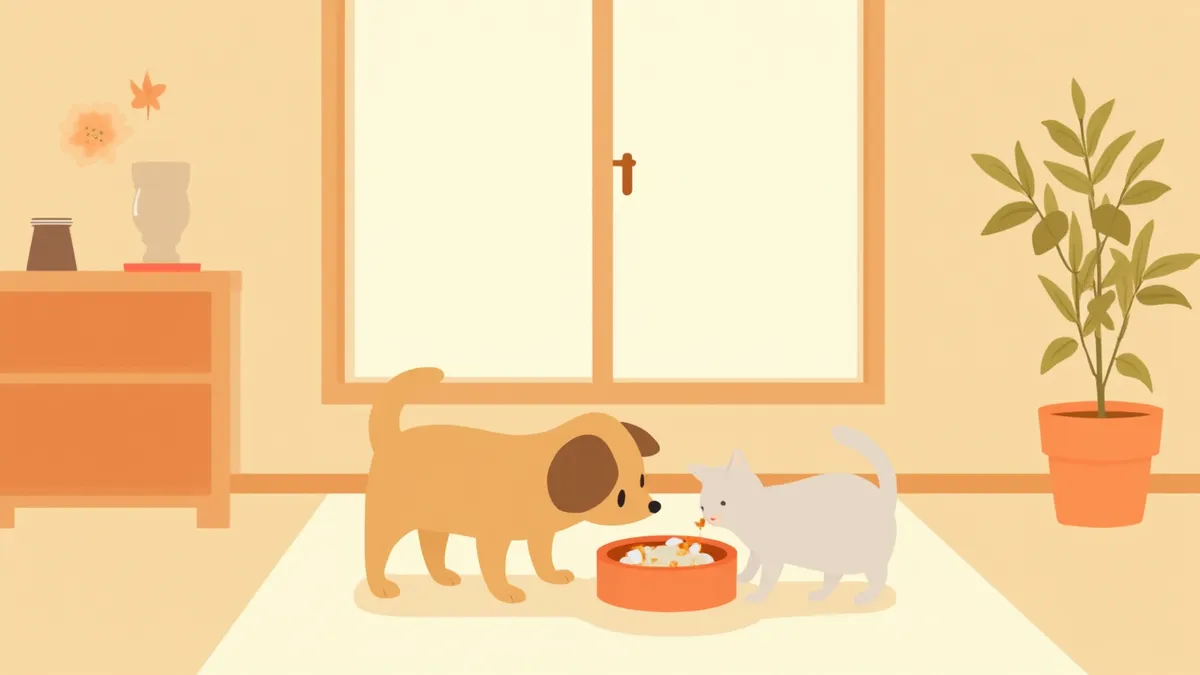
Why do appetite and digestion change during seasonal transitions?
Check for signs of appetite changes during seasonal transitions

Key points for seasonal diet adjustments
| Item | Spring | Summer | Fall | Winter |
|---|---|---|---|---|
| Change in Feeding Amount | Maintain usual level | Adjust in small amounts if needed after observing weight changes | Consider small increases while watching weight and activity level | Gradually increase if needed while watching activity level and weight changes |
| Key Nutrients | Omega-3 for skin and coat care | Water and electrolytes | Immunity and joints | Calories and fat |
| Water Intake | Usual level | Provide ample water (increase recommended) | Usual level | Maintain usual level (watch for decrease) |
| Symptoms to Watch | Allergies and itching | Food poisoning and diarrhea | Sudden appetite increase and weight gain | Constipation and dehydration |
Individual differences are significant, so adjust while observing body weight and stool condition together
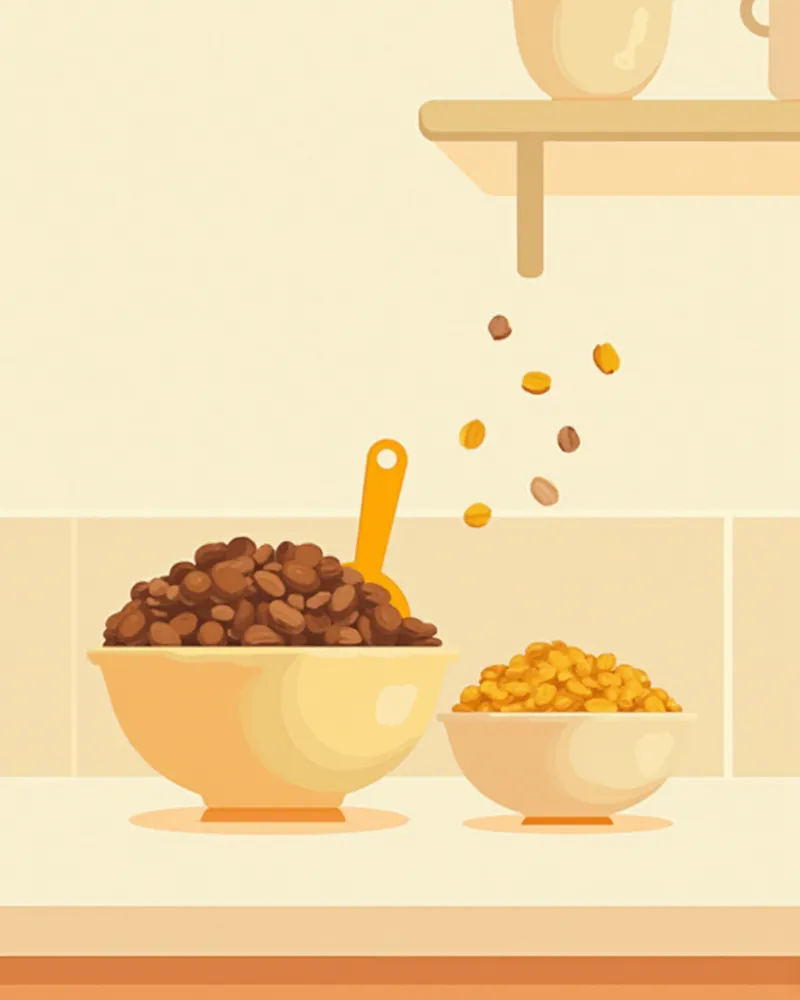
Transition to new food gradually over 7–10 days
When to seek veterinary care instead of adjusting food
If your pet’s loss of appetite lasts more than a day, or if vomiting and diarrhea recur, it may be more than just a seasonal change. Seek immediate veterinary care if you notice rapid weight loss, blood in the stool or black/tarry stools, lethargy, or signs of dehydration. Dehydration can be assessed by checking for reduced skin elasticity or dry gums. Puppies, kittens, and senior pets are especially vulnerable to rapid dehydration, so don’t delay getting them to the clinic if you suspect any of these symptoms.
Methods to use when appetite decreases
Nutrients to focus on during seasonal transitions
오메가3(Omega-3)
피부·털 건강, 항염증
Dosage: 체중 1kg당 50~75mg EPA+DHA
수의영양학 교과서 권장
프로바이오틱스(Probiotics)
장내 균형, 무른 변 개선
Dosage: 제품 표기 기준 급여
베타글루칸(Beta-glucan)
면역 세포 활성화
Dosage: 체중에 맞춰 조정
비타민E(Vitamin E)
항산화, 환절기 스트레스 완화
Dosage: 사료 내 함유량 기준
Mistakes to absolutely avoid when feeding during seasonal transitions
Avoid using human food to stimulate your pet’s appetite. Onions, garlic, grapes, and chocolate can cause poisoning even in small amounts. Additionally, abruptly switching to a new food or randomly mixing low-cost and premium brands can burden the digestive system. When introducing supplements for nutritional support, start with only one product at a time, waiting two weeks before adding another, to make it easier to identify the cause of any adverse reactions.
Reviewed by a veterinarian

Dr. Tony — Punnawat Phongkittirak
VeterinarianA veterinarian who majored in veterinary medicine at Khon Kaen University, Thailand, and completed the IVSA program at North Carolina State University in the United States. Drawing on clinical experience at animal hospitals, he works in the pet healthcare field and is dedicated to building a digital care environment that connects pet parents with veterinarians.
Reviewed 2026-04-27
Frequently Asked Questions
Do I really need to change my pet’s food during seasonal transitions?
Do cats also need their diet adjusted during seasonal transitions?
How much should I increase the feeding amount during seasonal transitions?
If my pet's appetite decreases during the changing seasons, how many days should I monitor them before seeking help?
Does soaking or warming the food really help?
Share
Related Guides

My Senior Cat Won’t Eat — A Complete Guide to Choosing Food for Cats with Weak Digestion

Top 5 Prescription Diets for Feline Pancreatitis Recommended by Veterinarians — Low-Fat, Highly Digestible Food Guide

Royal Canin vs Hill’s vs Purina vs Orijen — Which Brand Is Right for Your Pet, According to Veterinarians?

Frequently Asked Questions About Dog Teeth Grinding — Key Points Every Pet Owner Should Know

Frequently Asked Questions About Feline Tooth Fractures — Key Information for Pet Owners

Cat Tooth Extraction Indications and Methods: Frequently Asked Questions (Q&A) — Key Information for Pet Owners

Frequently Asked Questions (FAQ) on Retained Deciduous Teeth in Cats — Key Information for Pet Owners

Feline Periodontal Disease Stage-by-Stage Management FAQ — Key Points Pet Owners Must Know

Feline Oral Ulcers FAQ — Key Information Every Pet Owner Should Know

Frequently Asked Questions About Cat Oral Pain Signals — Key Information Every Owner Must Know
References
[1] Fascetti AJ, Delaney SJ, Applied Veterinary Clinical Nutrition, 2nd Ed — Ch.8 Commercial and Home-Prepared Diets
[2] Schaer M, Clinical Medicine of the Dog and Cat, 4th Ed — Ch.25 Nutritional Support
[3] AAFCO Official Publication, Pet Food Labeling Guidelines