Like
Share
멍실장
강아지 발치 적응증과 방법 자주 묻는 질문 Q&A — 보호자가 꼭 알아야 할 핵심

Dog Tooth Extraction Indications and Methods FAQ — Key Points Pet Owners Must Know

Oral HealthQ&AMeongsiljang Veterinary Advisory Board

Dog tooth extraction is a necessary procedure when severe pain or tooth damage occurs due to dental disease. Here’s a summary of the indications, surgical methods, and precautions that pet owners should know.

When is dog tooth extraction necessary?
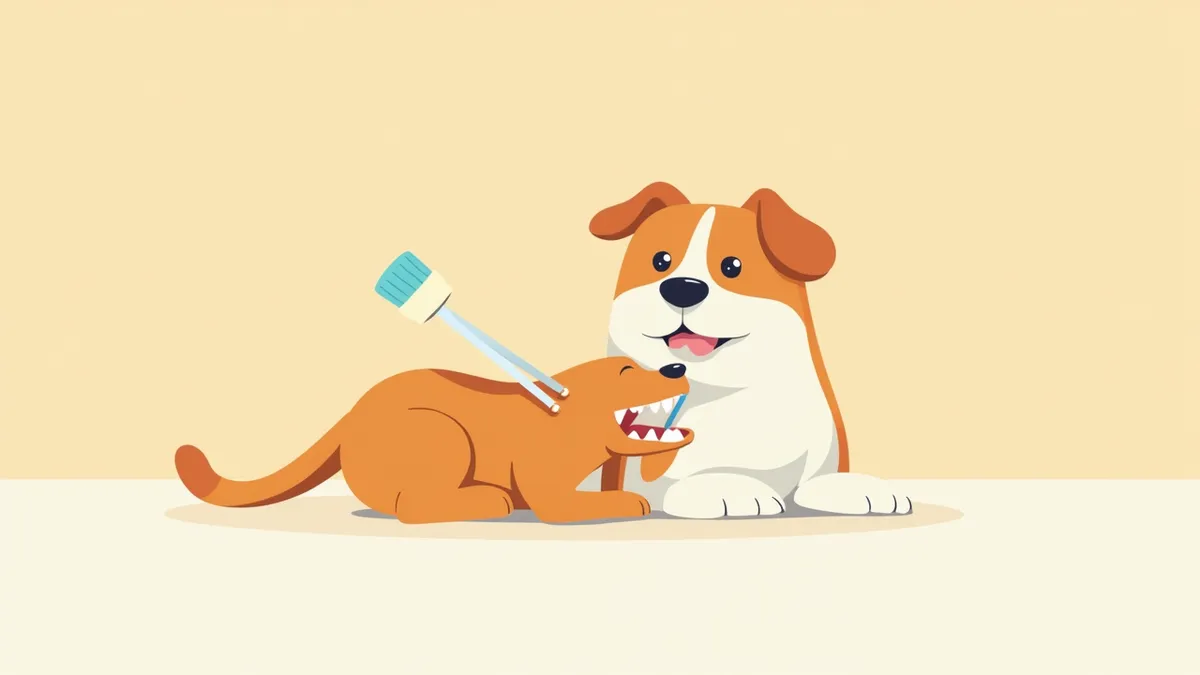
A dog undergoing a tooth extraction surgery under general anesthesia
- Tooth Fracture: When a tooth is cracked or the root is damaged, it can cause significant pain and increase the risk of infection. - Severe Periodontal Disease: If the gums are swollen, bleeding repeatedly, and the teeth are loose, extraction may be necessary. Periodontal disease is one of the most common reasons for tooth extraction. - Root Infection: Root infections confirmed via X-ray may sometimes be treated with surgical or endodontic procedures, but if the root damage is severe or the inflammation has spread, extraction should be considered. - Dental Anomalies: If teeth fail to grow normally, or if baby teeth do not fall out and overlap with permanent teeth causing malocclusion, this can lead to problems with surrounding teeth. A veterinarian will evaluate whether extraction is necessary. - Retained Deciduous Teeth or Pre-Exfoliation State: If baby teeth do not fall out as permanent teeth emerge, or if a tooth is about to fall out, it can affect surrounding teeth. Accurate diagnosis by a veterinarian and X-ray examination are crucial.

What are the main causes requiring tooth extraction?
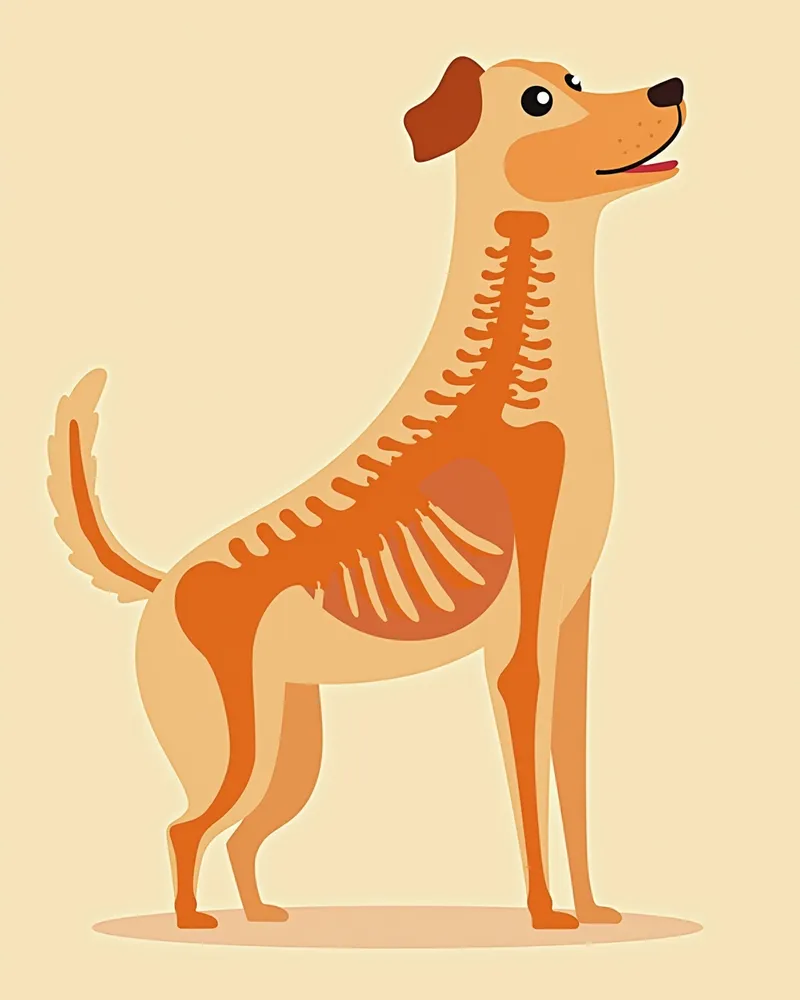
- Tooth Fracture: If your dog’s tooth breaks from chewing on hard objects, the exposed area can become infected. - Severe Periodontitis: When gums are swollen, bleed persistently, and teeth become loose, it becomes difficult to save the teeth. Periodontitis is the most common reason for tooth extraction. - Root Infection: Once the root is damaged, it is difficult to treat completely with medication alone, and pain can become severe. In some cases, surgical intervention is possible, and the decision to extract is made after a comprehensive evaluation. - Dental Malformations: Abnormal tooth development or overcrowding can push other teeth out of alignment, causing malocclusion. In such cases, your veterinarian may recommend extraction to protect the health of surrounding teeth. - Pre-exfoliation Stage: If a tooth is about to fall out, the process can affect neighboring teeth. A professional veterinary diagnosis is essential.
An X-ray image of a dog’s jaw showing a damaged tooth root and bone loss.

What are the precautions before and after tooth extraction surgery?

- Fasting before surgery: Since general anesthesia is required for tooth extraction, withhold both food and water. Follow your veterinarian’s specific instructions regarding the exact fasting period. - Fasting after surgery: After the procedure, offer soft food only at the time recommended by your veterinarian, taking into account your pet’s pain level and recovery status. - Mouth care: Keep an Elizabethan collar on to prevent your pet from frequently licking the surgical site. - Medication: Administer the prescribed antibiotics and pain relievers exactly as directed by your veterinarian, ensuring they are given at the correct times. - Follow-up visit: Be sure to return to the clinic on the date specified by your veterinarian to check on your pet’s recovery progress. - Activity restriction: For one week after surgery, avoid excessive running or playing.
A dog resting comfortably while wearing a cone after having its teeth extracted.

Determining the Need for Extraction: Mild vs. Moderate vs. Severe Symptoms Comparison

ItemSymptom TypeTooth ConditionSurgery RequiredVeterinarian Response
MildSlight tooth mobilityFine cracks on tooth surfaceObservation and follow-up careContinuous monitoring
ModerateProgressing tooth damageModerate periodontitisConsider extractionEstablish treatment strategy based on severity
SevereTooth root damageTooth root infectionExtraction recommendedOptimal decision based on radiographic examination

Determined by the veterinarian's diagnostic criteria; X-ray is essential

How does the recovery process after tooth extraction proceed?

- Recovery immediately after surgery: Pain and swelling may occur, but they will gradually decrease under the veterinarian's care. - Medication: Be sure to administer antibiotics and pain relievers as directed by your veterinarian. - Diet management: Offer only soft food and avoid hard or sticky foods. It is best to maintain a soft diet until the wound has fully healed. - Oral care: Use an oral rinse recommended by your veterinarian. - Follow-up visits: Be sure to visit the clinic on the schedule set by your veterinarian to check on the recovery progress. - Activity restriction: Be cautious, as excessive exercise can hinder recovery.
A puppy recovering after tooth extraction eating soft food

Signs Requiring Immediate Veterinary Visit

If your pet experiences severe bleeding, high fever, loss of appetite, or vomiting during the recovery period after tooth extraction, contact your veterinarian immediately. These symptoms may indicate complications such as infection or wound dehiscence.

5 Tips for Post-Extraction Care

- Dietary management: Switch to soft, easily digestible food. - Oral care: Use an oral rinse as directed by your veterinarian. - Elizabethan collar: Keep the collar on to prevent licking or chewing at the surgical site. The duration of use may vary based on your veterinarian’s assessment. - Medication: Administer antibiotics and pain relievers exactly on schedule. - Follow-up visit: Attend the scheduled recheck appointment. This is essential for monitoring your pet’s recovery. - Activity restriction: Avoid excessive running or play for one week after surgery.
A veterinarian explains post-extraction oral care to a dog owner.

Reviewed by a veterinarian

Dr. Tony — Punnawat Phongkittirak

Dr. Tony — Punnawat Phongkittirak

Veterinarian

A veterinarian who majored in veterinary medicine at Khon Kaen University, Thailand, and completed the IVSA program at North Carolina State University in the United States. Drawing on clinical experience at animal hospitals, he works in the pet healthcare field and is dedicated to building a digital care environment that connects pet parents with veterinarians.

Frequently Asked Questions

Does puppy teething cause a lot of pain?
Since general anesthesia is used, your pet won’t feel any pain during the surgery. There may be some temporary discomfort afterward, but your veterinarian will prescribe pain medication to keep them comfortable.
Will the tooth grow back after extraction?
A dog’s permanent teeth do not grow back once they are lost. After extraction, the tooth will remain missing, and because neighboring teeth can shift into the gap, proper care is essential.
How much does a tooth extraction surgery cost?
The cost varies depending on the number of teeth and the complexity of the procedure. Generally, extracting one to three teeth costs between $70 to $200. You can get an accurate estimate after consulting with your veterinarian.
How long should my dog wear the cone after a tooth extraction?
There is no fixed duration for wearing the device; follow your veterinarian’s instructions. If your pet has mouth pain or a habit of licking, it may need to wear it for a longer period. Always adhere to your veterinarian’s guidance.
How should I feed my pet after a tooth extraction?
Start offering soft food at the time your veterinarian specifies after surgery. Use wet food, soupy meals, or a special diet recommended by your vet. Avoid hard or crunchy foods.

Share

Related Guides

References

[1] BSAVA Manual of Canine and Feline Dermatology, 4th Ed, 2023

[2] Applied Veterinary Clinical Nutrition, 2nd Ed, 2021

[3] The Dog Care Handbook, Things I Wish My Vet Had Told Me, Hutchinson, 2019

This information is based on veterinary literature and does not replace diagnosis or treatment. Please consult a veterinarian for specific health concerns.

Metapet Co., Ltd. | CEO: Park Sung-yong | Business Reg. No. 417-88-02562 | Seoul, South Korea | Customer Center

Dog Tooth Extraction Indications & Methods: Owner FAQ | Meongsiljang