
How to Manage Obesity Diets for Dogs and Cats Step by Step?
For overweight pets, a weight-loss diet involves reducing calories by 20–30% below the ideal body weight requirement, with gradual weight loss of 0.5–1% per week. We’ve outlined a step-by-step approach, including prescription diets, exercise, and maintenance strategies.
What Is an Obesity Diet? Why Gradual Weight Loss Is the Answer
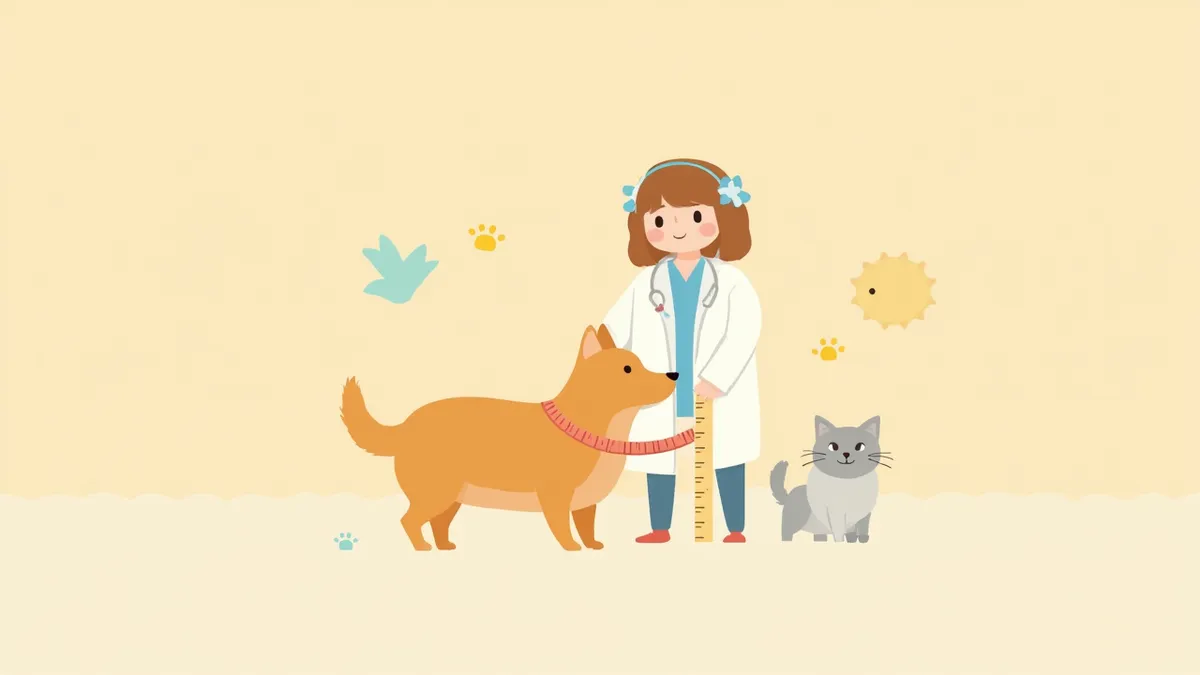
Is My Pet Really Obese?
BCS Stages and Management Strategies
| Item | 4-5 Points (Ideal) | 6-7 Points (Overweight) | 8-9 Points (Obese) |
|---|---|---|---|
| Rib Palpation | Easily felt | Covered by fat layer | Barely felt |
| Waist Curve | Distinct | Diminished | Absent |
| vs. Ideal Weight | Appropriate | +10-20% | Over +20% |
| Recommended Management | Maintenance feeding | 10-15% reduced feeding | Prescription diet + veterinary consultation |
| Weight-Loss Period | Not applicable | 2-3 months | 4-6 months or more |
The 9-point BCS scale is based on the Purina standard.
Step 1: Assessing Current Calorie Intake and Setting Goals
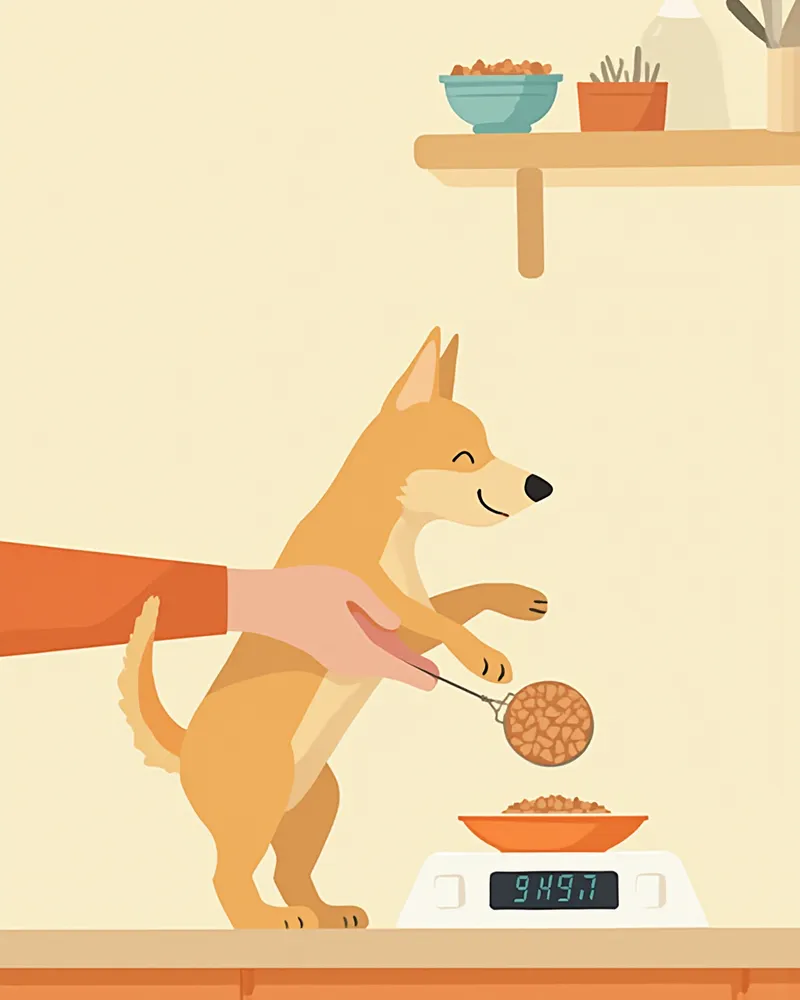
Rapid Weight Loss Is Strictly Prohibited
Losing more than 10% of body weight in a month is dangerous. In cats, even a short period of inadequate food intake can lead to hepatic lipidosis (fatty liver disease), which can be life-threatening. Relying solely on internet "diet foods" and cutting portions in half is also risky. Always calculate the appropriate caloric intake based on ideal body weight, and monitor progress by weighing your pet every two weeks to adjust the feeding rate. If weight loss exceeds 1% per week, increase the food portion.
Step 2: Combining Weight-Loss Diet and Exercise

Weight Loss in Cats Differs from Dogs
Never starve a cat. Forced fasting or feeding only once a day significantly increases the risk of hepatic lipidosis (fatty liver disease). Weight loss should also be managed more gradually and slowly than in dogs. Cats are naturally adapted to "frequent, small meals," so using an automatic feeder to provide small portions four to five times a day is ideal. Additionally, using "food puzzles" can stimulate their hunting instincts and increase activity levels. Unlike dogs, forcing long walks can cause stress, so it's better to increase activity through indoor play.
Step 3: Transitioning to Maintenance and Preventing Relapse
Reviewed by a veterinarian

Dr. Tony — Punnawat Phongkittirak
VeterinarianA veterinarian who majored in veterinary medicine at Khon Kaen University, Thailand, and completed the IVSA program at North Carolina State University in the United States. Drawing on clinical experience at animal hospitals, he works in the pet healthcare field and is dedicated to building a digital care environment that connects pet parents with veterinarians.
Reviewed 2026-04-27
Frequently Asked Questions
Should I completely stop giving treats during weight loss?
How can I determine my pet’s ideal body weight?
Can I use regular pet food to help my pet lose weight without a prescription?
My pet gained weight after being spayed or neutered. What should I do?
What should I do if my pet dislikes exercise?
Share
Related Guides
Chitosan Effects and Obesity/Fat Absorption
Top 5 Weight-Management Dog Food Recommendations for 2026
7 Best Cat Weight-Loss Diets Recommended by Veterinarians and How to Choose
What is Canine Hypertrophic Cardiomyopathy? — A Disease of Thickened Heart Walls, Symptoms, and Treatment
Frequently Asked Questions on the Controversy Between Grain-Free Dog Food and DCM — Key Facts Every Pet Owner Should Know
How Much Exercise Is Safe for Dogs with Heart Disease? — Safety Guidelines and Warning Signs
If Your Dog’s Heartbeat Is Irregular — Causes of Ectopic Beats and When to Visit the Vet
Dog Heart Failure Emergency: What to Do at Home? — Golden Hour Response for Breathing Difficulties
My Dog’s Heart Is Beating Irregularly — Causes of Atrial Fibrillation and When to Seek Veterinary Care
Why Do Dogs Need Antiarrhythmic Medications? — Essential Q&A on Drug Types and Side Effects
References
[1] Burkholder WJ. Use of body condition scores in clinical assessment of the provision of optimal nutrition. J Am Vet Med Assoc 2000;217(5):650-4.
[2] Clinical Medicine of the Dog and Cat, 4th Ed, Chapter 26: Management of the Obese Dog or Cat
[3] Applied Veterinary Clinical Nutrition, 2nd Ed, Chapter 9: Nutritional Management of Body Weight
[4] The Veterinary Workbook of Small Animal Clinical Cases — New Puppy Wellness Examination (BCS 9-point system)