

Cat External Parasite Prevention (Ticks & Fleas) FAQ — Key Information for Pet Owners
Preventing external parasites in cats is key to stopping the spread of disease. Ticks and fleas can cause dermatitis, anemia, and infectious diseases, so consistent management is essential.
Why is preventing external parasites in cats essential?

Why do indoor cats also need external parasite prevention?

Types and effects of external parasite preventatives

4 key points to check when choosing a preventative
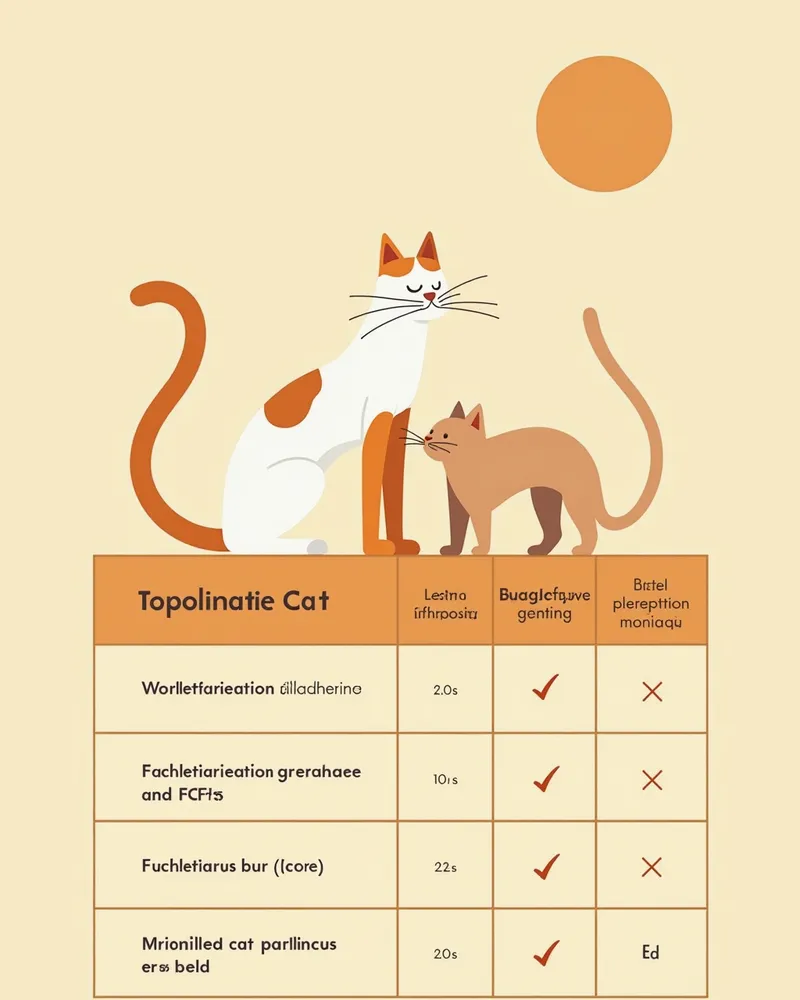
External Parasitive Preventative Comparison Chart (1–3 months duration)
| Item | Product Name | Ingredient | Duration | Method of Use |
|---|---|---|---|---|
| BEST 1 | Fipronil Spot-On | fipronil | 1 month | Drip onto the back of the neck |
| BEST 2 | Fluralaner Capsule | fluralaner | As indicated on the product | Oral administration |
| BEST 3 | Selamectin Spot-On | selamectin | 1 month | Drip onto the back of the neck |
Decide on the safety of each ingredient after consulting a veterinarian. Since some ingredients can be highly toxic to cats, be sure to use only cat-specific products.
Caution: Some ingredients can be fatal to cats
Certain spot-on treatments, particularly those containing pyrethroids, are highly toxic to cats. Always use only products specifically formulated for cats when applying flea or tick preventatives; never use dog products on your cat. If your cat ingests the medication or shows any skin reactions, seek veterinary care immediately. Some ingredients can cause neurotoxicity, so it is essential to consult your veterinarian before use.
Precautions after using preventatives

Prevention and management checklist

Reviewed by a veterinarian

Dr. Tony — Punnawat Phongkittirak
VeterinarianA veterinarian who majored in veterinary medicine at Khon Kaen University, Thailand, and completed the IVSA program at North Carolina State University in the United States. Drawing on clinical experience at animal hospitals, he works in the pet healthcare field and is dedicated to building a digital care environment that connects pet parents with veterinarians.
Reviewed 2026-06-29
Frequently Asked Questions
What should I do if my cat gets bitten by fleas?
Is it dangerous if my cat licks the area after applying the preventive medication?
Do indoor cats also need monthly preventive medication?
Can preventive medications sometimes be ineffective?
Which preventive medication is the safest for cats?
Share
Related Guides

Top Recommendations and Selection Criteria for Cat FIV and FeLV Testing

Top Microchip Implantation Management Recommendations for Dogs and Key Selection Criteria

Complete Guide to Choosing, Comparing, and Managing the Best Heartworm Preventives for Dogs

Pet Evacuation Guide for Natural Disasters

Assembling a Home Emergency Kit

How to Safely Manage Multiple Medications in Senior Cats: Interactions and Administration Principles

The Complete Guide to Managing Multiple Medications in Senior Dogs

The Complete Guide to Joint-Support Products for Senior Dogs (Jump Pads, Mats, and Stairs)

How to Protect Your Senior Cat’s Vision

Vision Care for Senior Dogs (Lighting & Slip Prevention)
References
[1] BSAVA Manual of Canine and Feline Dermatology, 4th Ed. British Small Animal Veterinary Association, 2022.
[2] Principles and Practices of Canine and Feline Clinical Parasitic Diseases. Wiley-Blackwell, 2010.
[3] American Association of Feline Practitioners (AAFP). Feline Parasite Control Guidelines. 2023.