Like
Share
멍실장
남은 펫의 슬픔 관리

After Saying Goodbye to a Companion — Do Surviving Pets Feel Grief Too?

ImmunityQ&AMeongsiljang Veterinary Advisory Board

We’ve outlined how to understand the grief responses that can appear in a surviving pet after losing a companion, along with practical care strategies to help them return to their daily routine.

What Is Grief in a Surviving Pet?
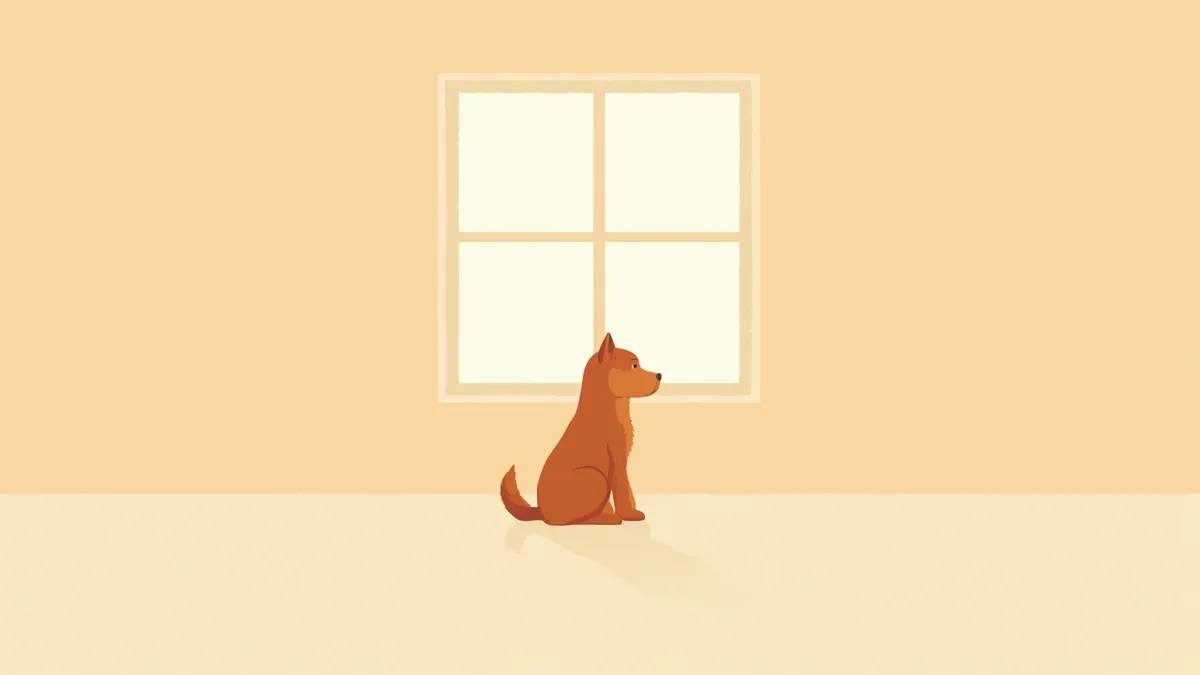
The remaining dog sits quietly by the window, gazing outside.
The grief experienced by a surviving pet is an attachment-loss reaction that occurs after losing a companion animal they lived with, manifesting as symptoms such as decreased appetite, lethargy, and anxiety. These changes can vary in timing and intensity from one individual to another. If you notice behavioral changes that differ from your pet’s usual routine, do not dismiss them as merely a “mood issue.” Instead, monitor your pet closely by keeping a record of their eating, sleeping, and elimination patterns. If the symptoms persist or significantly interfere with daily life, we recommend consulting a veterinarian.

Why Surviving Pets Experience Grief

When a companion animal with whom they shared space, scent, and daily routines disappears, dogs and cats perceive the entire environment as suddenly changed. From a veterinary behavioral perspective, this is known as a "social attachment loss response," which can exhibit patterns similar to human grief. The intensity and duration of the response vary individually, depending on the depth of the bond and the extent of shared daily life between the two animals. If you notice behavioral changes, consistently recording their eating, sleeping, and activity levels can be helpful for veterinary consultations.

Key Changes in Surviving Pets

Reactions vary from pet to pet. The table below summarizes changes that pet owners commonly notice. Experiencing one or two of these signs isn’t necessarily a cause for concern, but if several symptoms persist together for more than two weeks, please consult a veterinarian.

Grief Response Checklist

ItemNormal rangeNeeds attention
EatingEats less for 1–3 daysFasting & weight loss for over a week
Activity levelQuiet for a few daysRefusing walks & lethargy for over 2 weeks
SleepSleeps more than usualCrying or wandering at night
EliminationOccasional accidents outside the spotPersistent incontinence & diarrhea
SociabilityClings to the ownerExtreme attachment or avoidance

If several items persist for more than 2 weeks, a hospital visit is recommended

Differences in Reactions Between Dogs and Cats

Dogs often exhibit behaviors such as clinging to their owners or repeatedly seeking out beds and toys previously used by companion animals. Cats, on the other hand, more commonly show decreased appetite and hiding, along with various behavioral changes—including excessive grooming—as part of their anxiety response. - Dogs: Separation anxiety, clinginess, increased vocalization. - Cats: Loss of appetite, hiding, behavioral changes. Understanding these species-specific traits can help you detect changes more quickly.
A cat hiding under a blanket, quietly gazing outside.

When to Seek Immediate Veterinary Care

Immediate veterinary care is necessary if your pet exhibits complete anorexia, rapid weight loss, diarrhea accompanied by blood in the stool or vomiting, severe lethargy to the point of being unable to walk, or excessive self-grooming and biting of the paws or tail that causes self-injury. Even if these signs appear to be a grief response, underlying medical conditions such as kidney failure, infections, or gastrointestinal diseases may be present. This is especially true for senior dogs and cats, whose chronic conditions are prone to worsening due to stress.

Care Strategies to Help Your Surviving Pet
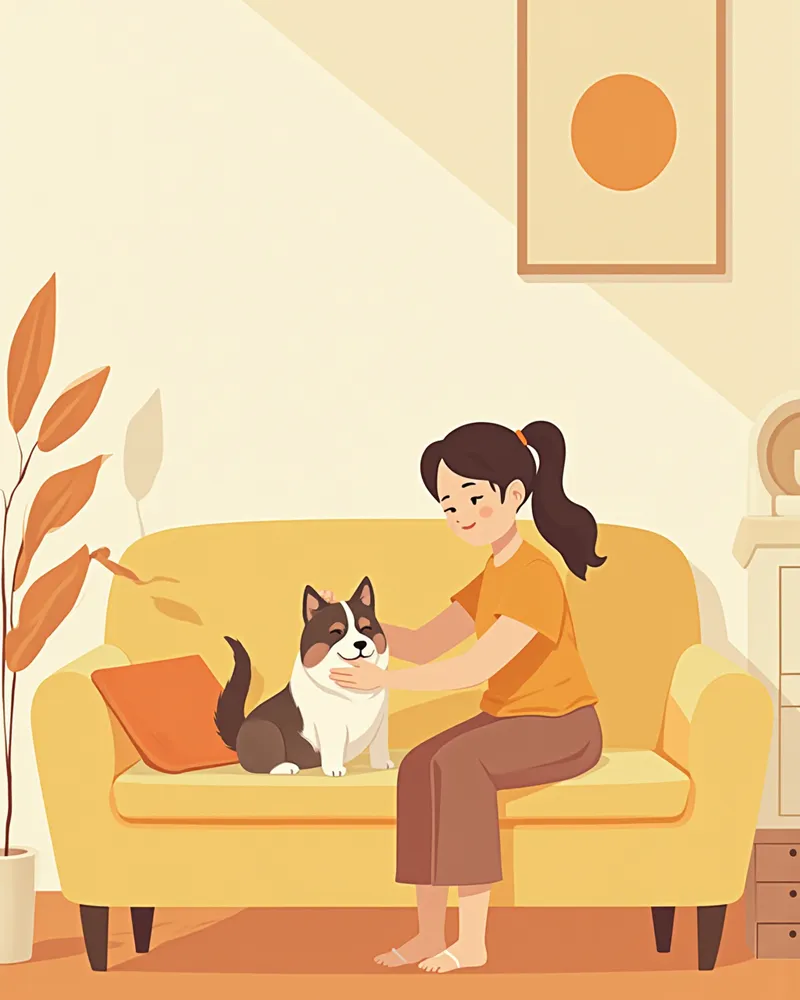
The most important thing is to maintain your pet’s daily rhythm. Please keep meal, walk, and sleep times exactly as they were before. - Maintain the routine: This is the most effective way to minimize confusion. - Bonding time: Spend at least 15 minutes a day focused on petting and playing. - Environmental enrichment: Refresh the environment with new toys, nose work, or short outings. - Scent management: Do not immediately remove the belongings of the departed pet; leave them out for a few days. Excessive sympathy can actually reinforce anxiety.
A pet owner gently stroking their dog on the couch

When Is the Right Time to Adopt a New Pet?

Introducing a new pet before your remaining companion has fully settled can increase their stress. It’s best to carefully time a new adoption after thoroughly observing your current pet’s condition. Signs that they’re ready include a return to normal appetite, activity levels, and sleep patterns, as well as the ability to remain calm and stable without constant supervision. For senior pets or those with low sociability, one-on-one care may be more suitable than bringing in a new companion.

Take Care of Yourself, Too

Surviving pets are highly attuned to their owner’s emotional state. If an owner remains lethargic for extended periods or cries frequently, the surviving pet’s anxiety can intensify. This isn’t about suppressing your grief, but rather about maintaining daily routines together and proactively seeking support through pet loss counseling or owner support groups when needed. Your healing process will guide your surviving pet’s recovery.

Reviewed by a veterinarian

Dr. Tony — Punnawat Phongkittirak

Dr. Tony — Punnawat Phongkittirak

Veterinarian

A veterinarian who majored in veterinary medicine at Khon Kaen University, Thailand, and completed the IVSA program at North Carolina State University in the United States. Drawing on clinical experience at animal hospitals, he works in the pet healthcare field and is dedicated to building a digital care environment that connects pet parents with veterinarians.

Frequently Asked Questions

My pet hasn't eaten for several days. How long should I wait?
If your pet goes more than a day without eating at all, it’s safest to have them checked by a vet. Cats, in particular, can be very sensitive to a loss of appetite, so if they continue to refuse food, it’s recommended to seek veterinary care sooner rather than later. Changes in behavior may signal an underlying health issue beyond just appetite problems.
Should I immediately clear away my departed pet’s belongings?
It’s better to give the remaining pet time to adjust fully before cleaning up. Familiar scents can help ease the shock of environmental changes. You can tidy up naturally once the remaining pet no longer seeks out those items.
My remaining pet keeps wandering around the house, searching for the one who passed away. Is this normal?
This is a normal initial reaction. Your pet is checking familiar spots and scents as part of the process of understanding its new environment. However, if nighttime crying becomes severe enough to disrupt sleep or if these symptoms persist for an extended period, a veterinary visit is necessary.
Can supplements or calming aids help with grief-related stress?
Never give medication to your pet without a veterinarian’s diagnosis. Dosage and the type of medication vary depending on your pet’s weight, underlying health conditions, and sensitivity to drugs. It’s safest to have your pet examined at a clinic and receive a short-term prescription if needed.
Will bringing home a new puppy or kitten immediately comfort your remaining pet?
In fact, it can backfire. Introducing a new pet before the remaining one has settled can compound territorial stress and competition for attention, worsening anxiety. It’s best to wait until the remaining pet’s appetite, activity level, and sleep have fully recovered before making a careful decision.

Share

Related Guides

References

[1] Small Animal Critical Care Medicine, 3rd Ed — Grief and Bereavement in Companion Animals

[2] The Dog Care Handbook — Pet Bereavement and Surviving Companions

[3] Lindemann E, Symptomology and management of acute grief, Am J Psychiatry 101:141-148, 1944

[4] Shear MK, Complicated grief treatment: the theory, practice and outcomes, Bereave Care 29(3):10-14, 2010

This information is based on veterinary literature and does not replace diagnosis or treatment. Please consult a veterinarian for specific health concerns.

Metapet Co., Ltd. | CEO: Park Sung-yong | Business Reg. No. 417-88-02562 | Seoul, South Korea | Customer Center

Do Surviving Pets Grieve After Losing a Companion? | Meongsiljang