Like
Share
멍실장
TENS 전기 자극 재활, 강아지 관절에 효과 있을까?

Is TENS Electrical Stimulation Rehabilitation Effective for Dog Joints?

JointQ&AMeongsiljang Veterinary Advisory Board

TENS (transcutaneous electrical nerve stimulation) is a rehabilitation therapy that helps relieve pain and promote muscle recovery in dogs. We’ve summarized the indications, precautions, and criteria for choosing a home-use device.

What Is TENS Electrical Stimulation Rehabilitation?
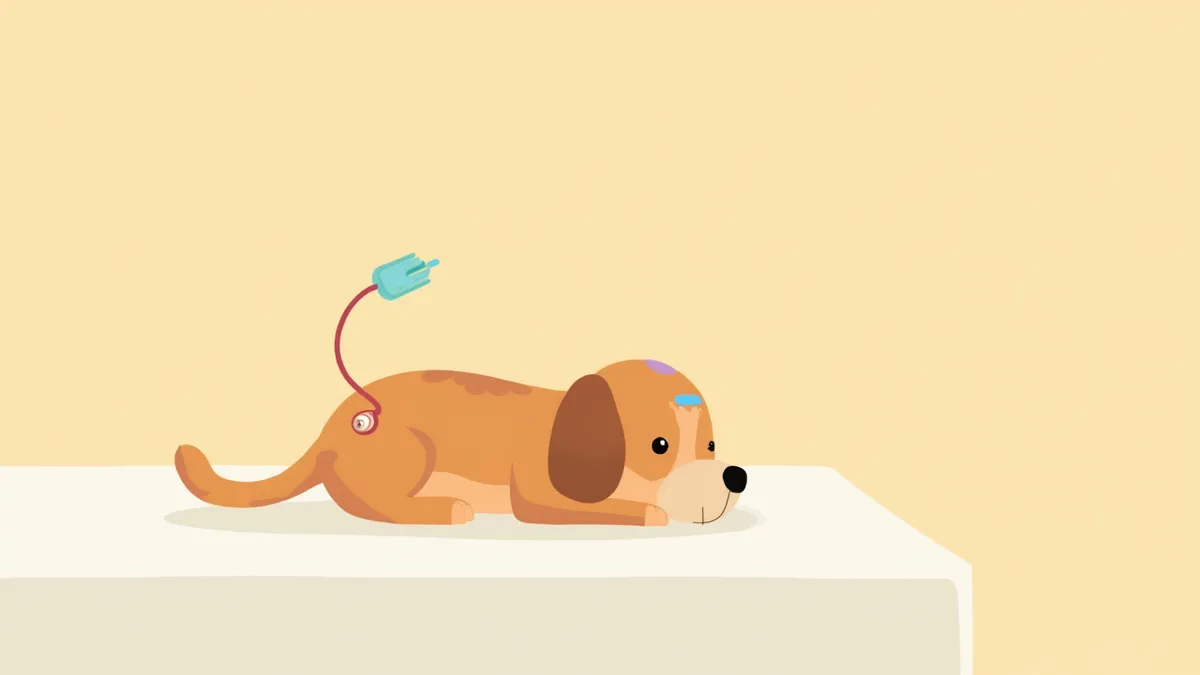
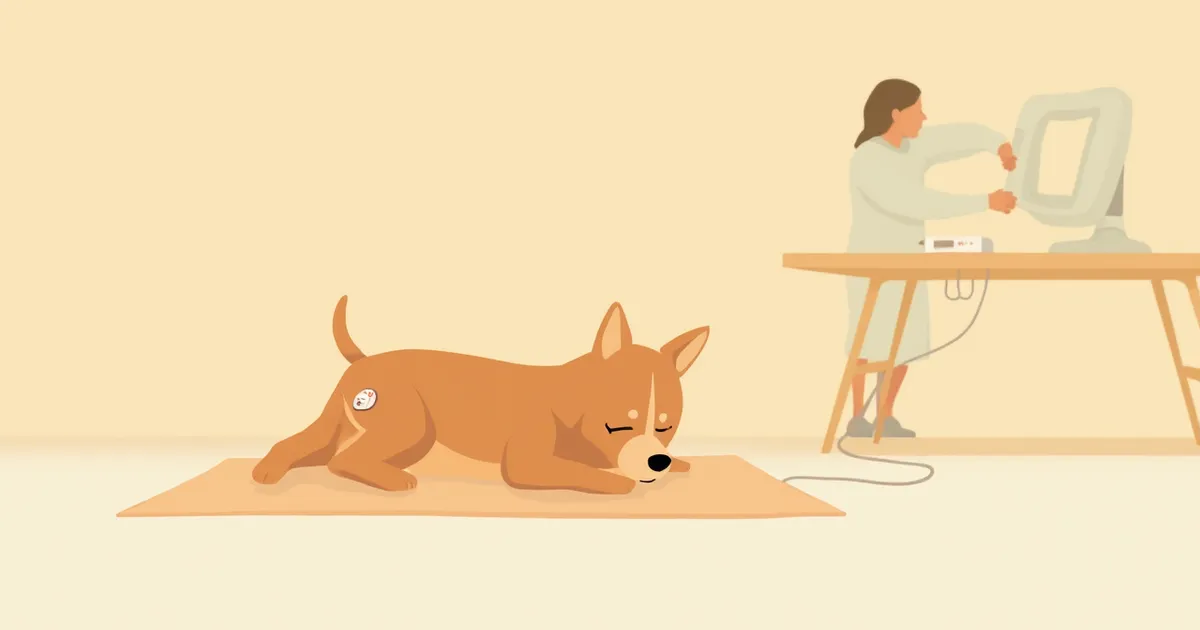
A puppy receiving treatment on a rehabilitation table with TENS electrodes attached to its hind legs.
TENS (Transcutaneous Electrical Nerve Stimulation) is a non-invasive rehabilitation therapy that helps relieve pain and aid recovery by delivering a mild electrical current through electrode pads attached to the skin. The most important thing to know is that it is performed entirely through electrodes on the skin, without anesthesia or needles. Veterinary textbooks report cases of its application in dogs with chronic pain conditions, such as chronic fractures or neurological disorders, and it is also used during the immediate post-operative recovery period. The duration and frequency of sessions are determined by your veterinarian based on your dog’s specific condition, affected area, and overall health. Rather than being used as a standalone treatment, TENS is typically employed as one component of a comprehensive rehabilitation program that may include other modalities such as electrical stimulation, laser therapy, therapeutic ultrasound, and hydrotherapy.

Why Is Electrical Stimulation Used in Dog Rehabilitation?

In veterinary rehabilitation, electrical stimulation is primarily used for two purposes. First, it helps relieve pain. Research has shown that low-frequency electrical stimulation modulates the response of pain-transmitting nerves (dorsal horn neurons in the spinal cord), reducing the transmission of pain signals. Second, it prevents muscle atrophy. NMES delivers electrical current to motor nerves in the muscles through skin electrodes, causing muscle contractions. When applied during recovery periods when pets are unable to use their legs properly or are bedridden, it helps increase joint range of motion and maintain muscle strength and tone. That’s why it’s especially commonly used in dogs recovering from joint surgery.

What Is the Difference Between TENS and NMES?

Electrical stimulation rehabilitation involves two methods that may look similar but serve different purposes. Since pet owners often find them confusing, please refer to the comparison table below. Veterinarians may use one or both methods in combination, depending on your dog's condition.

TENS vs. NMES Comparison

ItemTENS (Transcutaneous Electrical Nerve Stimulation)NMES (Neuromuscular Electrical Stimulation)
Main PurposePain reliefMuscle contraction and strengthening
Stimulation CharacteristicsStimulates sensory nerves at a mild levelLow-frequency, long pulse width stimulates muscle motor nerves
IntensityLevel at which sensation is feltLevel at which muscle visibly contracts
IndicationsChronic pain, neurological disease, post-surgical painPreventing muscle atrophy, recovery when self-movement is difficult
Session DurationSpecified by veterinarian per conditionSpecified by veterinarian per condition

Some home-use devices support both modes. They must only be used after a veterinarian specifies the mode, intensity, and duration.

Which Dogs Benefit From It?
Electrical stimulation isn’t a cure-all for every joint issue. According to veterinary textbooks and research, the most common situations where electrical stimulation (TENS or NMES) is used include: - Chronic pain and osteoarthritis: Helping to relieve pain by modulating pain signals - Recovery after patellar luxation surgery: Preventing atrophy of weakened quadriceps muscles - Recovery after cruciate ligament surgery (such as TPLO): Maintaining hindlimb muscle strength and tone when the dog can’t use the leg normally - Recovery from neurological conditions or intervertebral disc disease: Slowing muscle atrophy and preserving range of motion - Early recovery after orthopedic or neurosurgical procedures: Preventing muscle atrophy and assisting with pain management However, it’s generally not recommended for use immediately after acute trauma, or on areas affected by infection, fever, or tumors. Whether or not to apply electrical stimulation should always be determined by a veterinarian. If you’re interested in post-surgical rehabilitation for patellar luxation, check out our Patellar Luxation Surgery Guide.
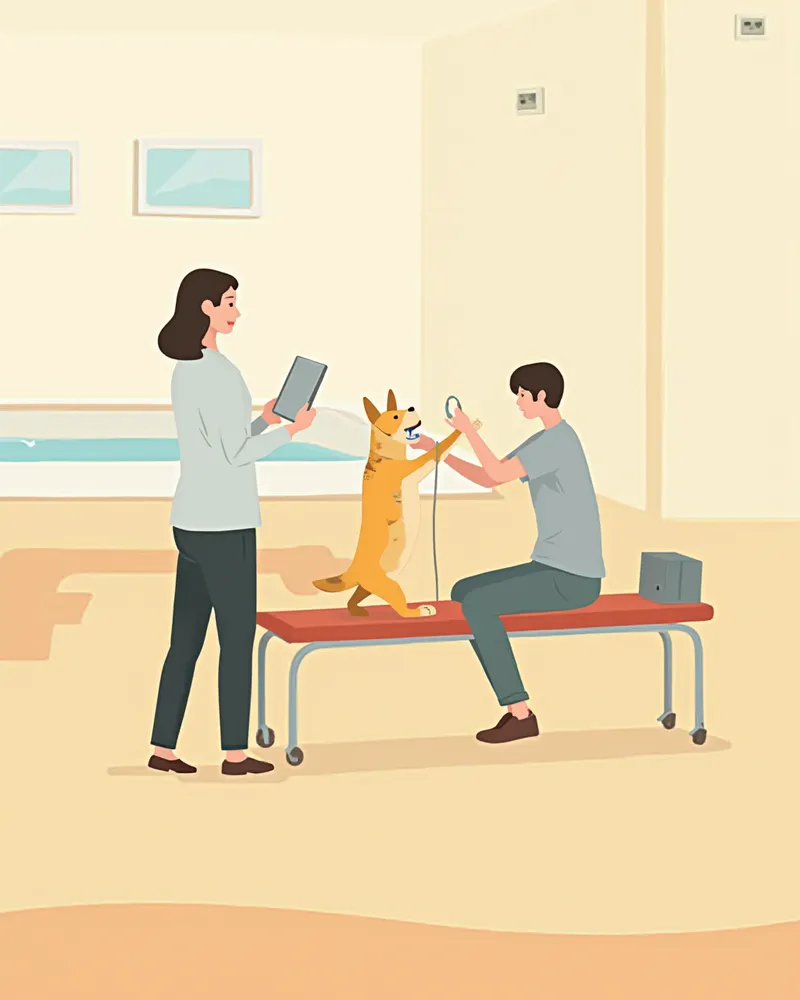
A medium-sized dog undergoing rehabilitation exercises with electrodes attached to its hind legs under the guidance of a physical therapist.

When Electrical Stimulation Should Not Be Used

TENS and NMES should not be used in dogs with any of the following conditions, as they may worsen the condition or cause serious side effects: - Dogs with implanted cardiac pacemakers - Pregnant dogs - Presence of tumors, infections, or open wounds at the electrode attachment site - Dogs with severe arrhythmias or heart disease - Dogs with a history of epileptic seizures (when applied to the head or neck) - Over blood vessels with a risk of thrombosis - Presence of dermatitis or burns at the electrode site If any of these apply, you must inform your veterinarian in advance.

Can You Use It at Home?
Although home-use TENS devices for pets are becoming more common, we do not recommend starting treatment without veterinary guidance. Electrode placement, frequency, intensity, and duration vary depending on the specific condition and body area. The recommended approach is as follows: 1. Consult a veterinary rehabilitation specialist to confirm the indication for use. 2. Receive 2–3 supervised sessions at the clinic to monitor your pet’s response. 3. Only if the veterinarian determines home use is safe, obtain a prescription for the device. 4. Keep photos and notes of the electrode placement and settings. 5. Visit the clinic once or twice a week to monitor progress. Increasing the intensity arbitrarily can cause muscle damage or skin burns.
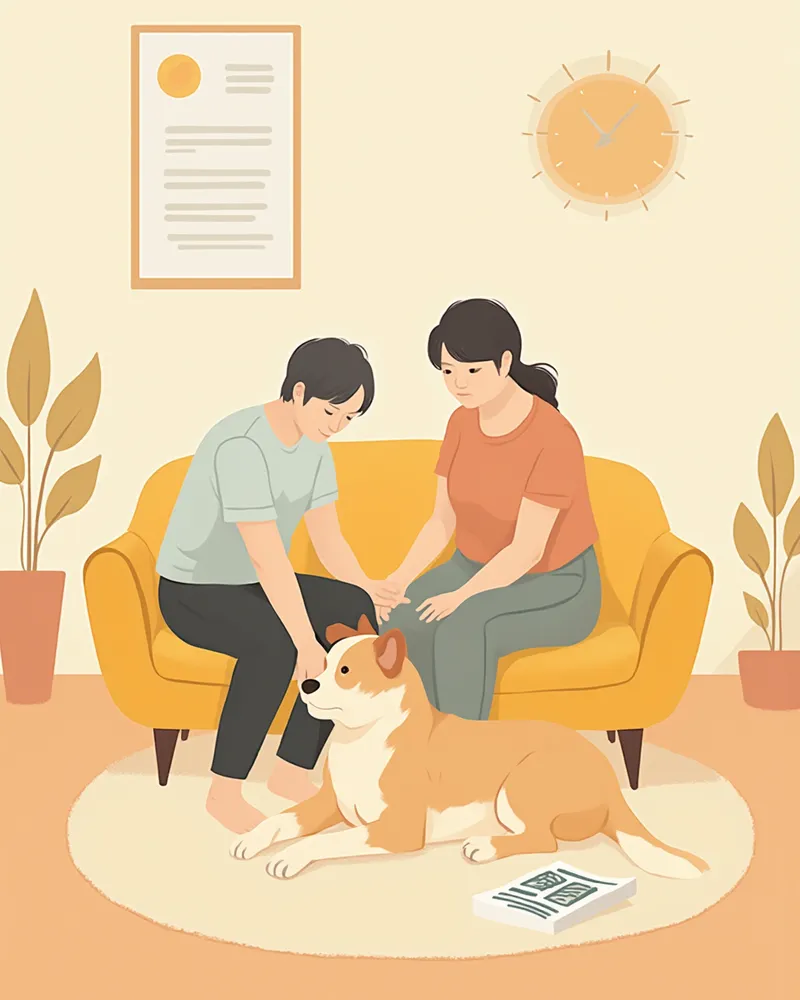
A caregiver's hand attaching TENS electrodes to a dog's thigh at home

How Is the Actual Treatment Conducted?

Here’s how your dog’s first TENS session at a rehabilitation clinic typically unfolds: - Hair trimming: The fur on the electrode attachment sites is clipped short or shaved to ensure proper contact. - Skin assessment: The skin is checked for any wounds, rashes, or sensitive areas. - Electrode placement: Two to four pads are applied on either side of the painful or targeted treatment area. - Intensity adjustment: The intensity starts at the lowest perceptible level that keeps your dog comfortable and is gradually increased. - Session duration: The treatment lasts 15–30 minutes, during which your dog is kept in a stable, comfortable position. - Monitoring: The session is stopped immediately if your dog shows signs of discomfort, trembling, or avoidance. After the first session, carefully noting any changes in daily behavior—such as reduced limping or improved ability to climb stairs—can help guide adjustments to the treatment plan.

Stop Immediately If Side Effects Occur

Although rare, stop treatment immediately and contact your veterinarian if you notice any of the following reactions: - Redness, blisters, or burn marks at the electrode site - Sudden whining or attempts to escape during treatment - Worsening limping after the session - Persistent muscle spasms or continuous trembling - Excessive licking or scratching of the attachment area Small-breed dogs and hairless or short-haired breeds are at higher risk of burns due to their thinner skin, so be sure to check the pads and your dog’s skin before and after every session.

When Can You Expect to Feel the Effects?

The effects of electrical stimulation often build gradually over time rather than appearing dramatically after a single session. The timeline for noticing improvements and the number of sessions required vary significantly depending on your dog’s specific condition, severity, and age, so there is no fixed standard for expecting recovery within a certain number of days. Electrical stimulation is most effective when integrated into a comprehensive rehabilitation program that includes other modalities such as medication, weight management, hydrotherapy, and joint mobilization exercises. Consistency is more important than speed in rehabilitation, so we regularly monitor progress and adjust the intensity and frequency of treatments based on interim assessments. Your rehabilitation veterinarian will determine the specific schedule and duration by closely observing your dog’s response to therapy. If you’re interested in joint supplements, please refer to our Dog Joint Supplement Ingredient Guide.

Reviewed by a veterinarian

Dr. Tony — Punnawat Phongkittirak

Dr. Tony — Punnawat Phongkittirak

Veterinarian

A veterinarian who majored in veterinary medicine at Khon Kaen University, Thailand, and completed the IVSA program at North Carolina State University in the United States. Drawing on clinical experience at animal hospitals, he works in the pet healthcare field and is dedicated to building a digital care environment that connects pet parents with veterinarians.

Frequently Asked Questions

Does my dog feel pain when receiving electrical stimulation?
When set to the appropriate intensity, it provides a gentle vibration and stimulation that isn’t uncomfortable. If your dog seems startled or tries to avoid it, that’s a sign the intensity is too high, so you should lower it immediately.
Will my pet get better right after one treatment?
You may not notice significant changes after just one or two sessions. Typically, consistent treatment over multiple visits is needed to see improvements in pain and mobility, and your veterinarian will determine the appropriate number of sessions and duration based on your dog’s condition.
How much do home-use devices cost?
We avoid mentioning price ranges that are difficult to verify. We recommend consulting with a rehabilitation veterinarian to receive a prescription for a verified device available at the clinic.
Can I use this for my cat too?
This guide is based on dogs. Since cats have different tolerances for electrode attachment and varying levels of skin sensitivity, it is essential to consult with a rehabilitation veterinarian who specializes in feline care.
Can it be started right after surgery?
We’ll begin once the suture site has stabilized and there are no signs of infection, with the exact timing determined by your veterinarian based on the condition of the incision.

Share

Related Guides

References

[1] Millis DL, Levine D, Canine Rehabilitation and Physical Therapy, 2nd Edition, Chapter 18: Electrical Stimulation

[2] Zink MC, Van Dyke JB, Canine Sports Medicine and Rehabilitation, 2nd Edition, Chapter on Therapeutic Modalities

[3] Levine D et al., Electrical Stimulation in Small Animal Rehabilitation, Veterinary Clinics of North America: Small Animal Practice, 2005

This information is based on veterinary literature and does not replace diagnosis or treatment. Please consult a veterinarian for specific health concerns.

Metapet Co., Ltd. | CEO: Park Sung-yong | Business Reg. No. 417-88-02562 | Seoul, South Korea | Customer Center

Dog TENS Therapy: Benefits, Side Effects, and What You Need to Know | Meongsiljang