

Fear-Based Aggression in Dogs: Why It Happens — Core Q&A from Causes to Management
Fear-based aggression in dogs is a defensive behavior triggered by fear. We’ve compiled the causes, warning signs, and step-by-step behavior modification techniques into a Q&A format.
What Is Fear-Based Aggression in Dogs?
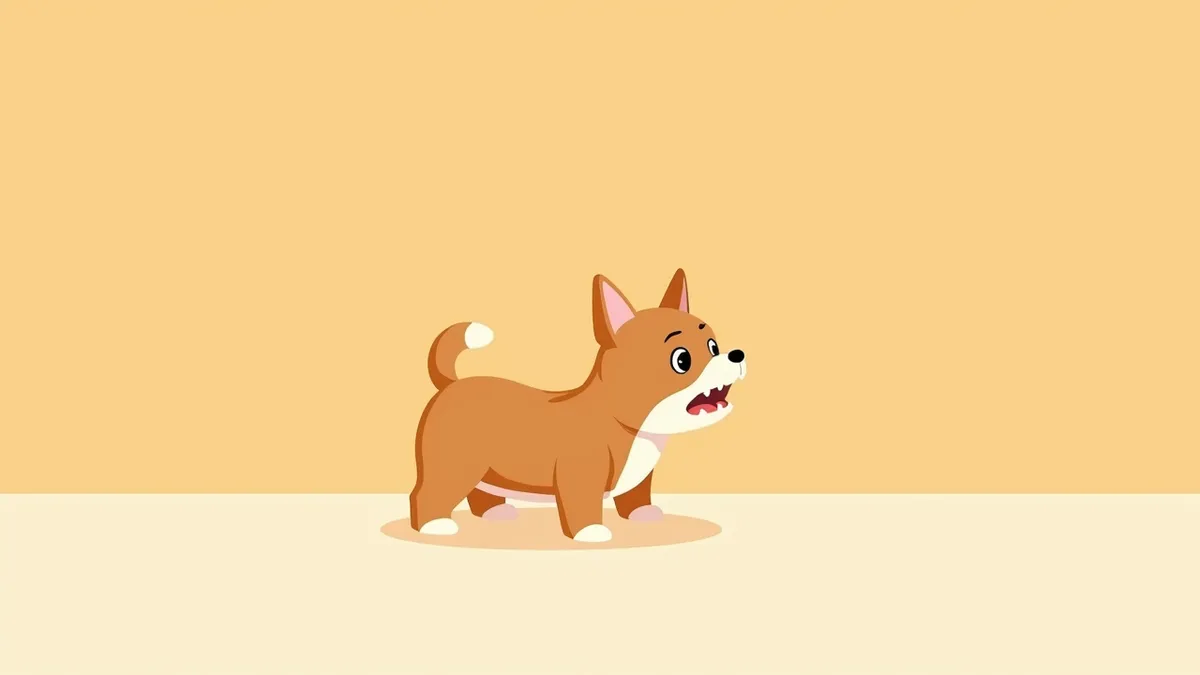
Why Does Fear-Based Aggression Occur?
Fear-Based Aggression vs. Dominance-Based Aggression — How to Tell the Difference?
| Item | Fear-based Aggression | Dominance-based Aggression |
|---|---|---|
| Posture | Crouches the body and pins the ears back | Stands the body tall with ears forward |
| Eye contact | Avoids gaze then suddenly attacks | Sustains an intense direct stare |
| Tail position | Lowered or tucked between the legs | Raised high |
| Main triggering situations | Approach, being cornered, sudden stimuli | Resource competition, status challenges |
| Response direction | Reduce fear, build trust | Maintain clear boundaries and consistency |
Organized according to veterinary behavioral medicine textbook standards—the two types can also be mixed.
Warning Signs That Always Appear Before Biting

When Immediate Professional Consultation Is Necessary
If your dog has bitten someone even once, or if you have young children or elderly family members at home, you should consult a veterinary behaviorist or a certified trainer immediately. Fear-based aggression often worsens in both intensity and frequency if left unaddressed. Attempting to handle this on your own can lead to more serious incidents.
How to Conduct Behavior Modification Step by Step
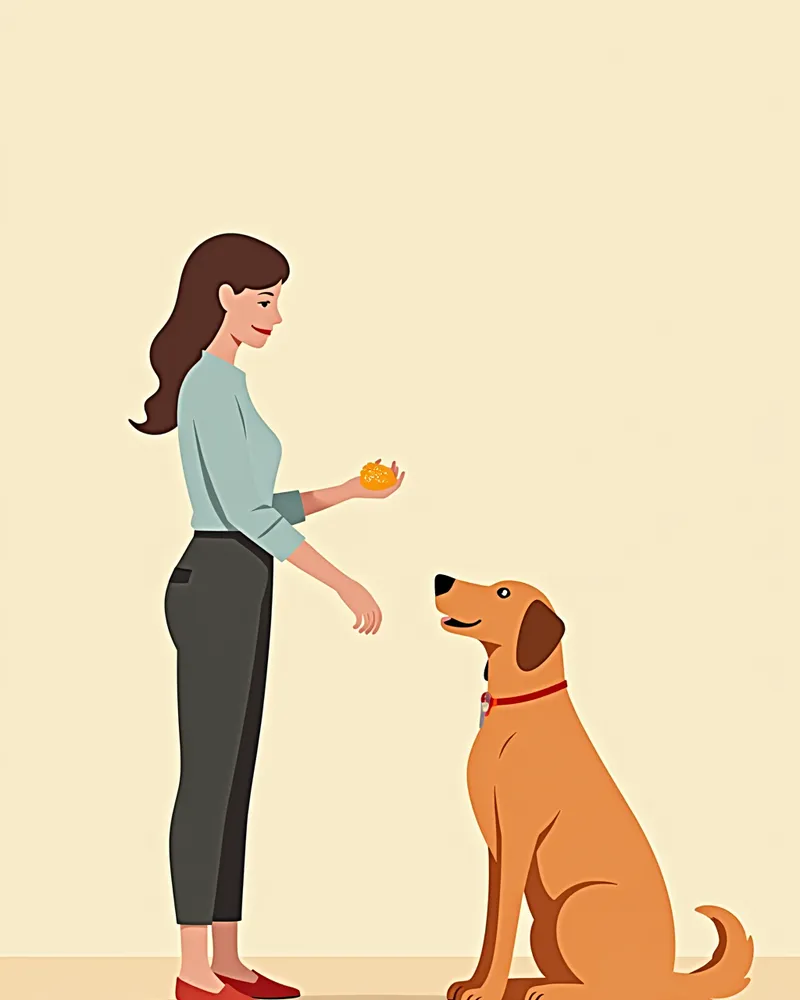
Management Strategies Owners Can Implement at Home

Incorrect Responses to Absolutely Avoid
Punishment, yelling, nose pinching, "alpha rolls" (forced restraint), and dominance-based training can worsen fear-based aggression. The most dangerous outcome is when a dog stops giving warning signals altogether — this can lead to sudden bites without growling, making attacks unpredictable.
Reviewed by a veterinarian

Dr. Tony — Punnawat Phongkittirak
VeterinarianA veterinarian who majored in veterinary medicine at Khon Kaen University, Thailand, and completed the IVSA program at North Carolina State University in the United States. Drawing on clinical experience at animal hospitals, he works in the pet healthcare field and is dedicated to building a digital care environment that connects pet parents with veterinarians.
Reviewed 2026-06-01
Frequently Asked Questions
Can fear-based aggression be completely cured?
Does neutering reduce aggression?
Will putting a muzzle on the dog solve the problem?
It’s been like this since puppyhood—can it still be changed now?
Is medication also necessary?
Share
Related Guides

7 Behavioral Enrichment Strategies for Mental Stimulation Recommended by Veterinarians

Top 5 Calming Supplements for Dogs and Cats in 2026

L-Theanine Effects and Calming Support

Frequently Asked Questions About Feline Dysuria (Straining to Urinate) — Key Points Every Pet Owner Should Know

Feline Calcium Oxalate Uroliths FAQ — Key Information Pet Owners Must Know

Feline Amyloid Nephropathy FAQ — Key Information Every Pet Owner Should Know

Dog Lung Percussion and Thoracentesis FAQ — Key Information for Pet Owners
Canine Pneumothorax FAQ — Essential Information for Pet Owners
Frequently Asked Questions About Canine Oxygen Therapy — Key Information for Pet Owners

Canine Fungal Respiratory Infection (Aspergillosis) FAQ — Key Information for Pet Owners
References
[1] Battersby I. et al., 100 Top Consultations in Small Animal General Practice — Ch.86 Inter-dog and Territorial Aggression, Wiley-Blackwell, 2010
[2] Horwitz D., Landsberg G., Veterinary Guide to Preventing Behavior Problems in Dogs and Cats — Table 9.4 General Treatment Plan for Aggression in Dogs, Wiley-Blackwell, 2022
[3] Hammerle M. et al., Introduction to Animal Behavior and Veterinary Behavioral Medicine — Ch.15 Aggression in Dogs, Wiley-Blackwell, 2022