
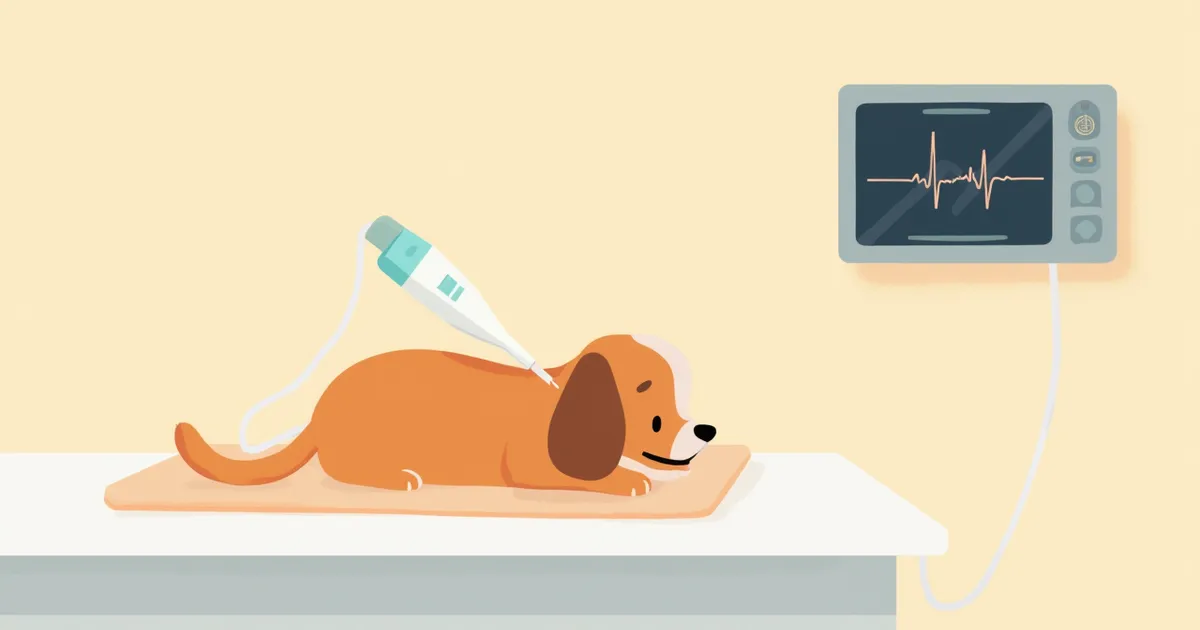
How is an echocardiogram performed? — When is it needed and how are the results interpreted?
Based on veterinary textbooks, we’ll explain the principles, actual procedure, and essential indications for echocardiography in dogs and cats. We’ve also summarized everything you need to know about pre-exam preparation and costs.
What is an echocardiogram?
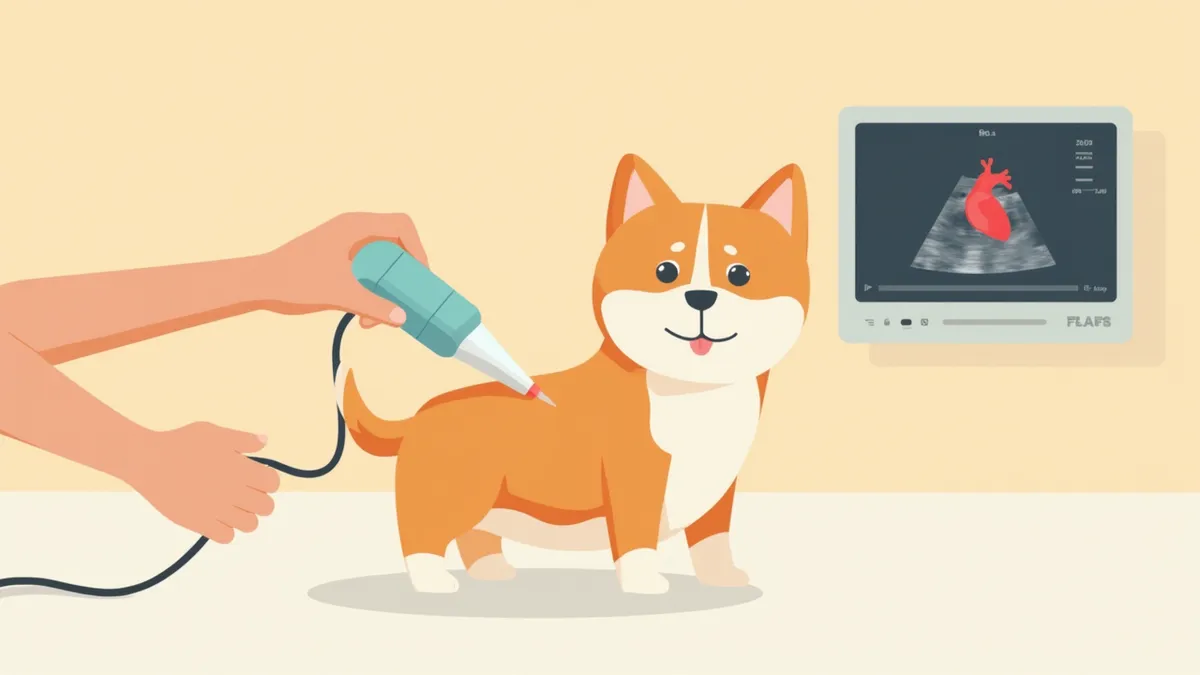
When should the test be performed?
Do not delay and get tested immediately in these situations
If your pet’s breathing becomes noticeably rapid (tachypnea) at rest, their tongue or gums turn blue (cyanosis), or they suddenly collapse and lose consciousness, this is an emergency. Breeds such as Maine Coons and Ragdolls in cats, and King Charles Spaniels, Dachshunds, and Maltese in dogs, are at higher risk for hereditary heart disease, so an echocardiogram is needed immediately if symptoms appear.
How is the test actually performed?

Echocardiogram vs. other cardiac tests
| Item | Echocardiography | Chest X-ray | ECG |
|---|---|---|---|
| Cardiac structure assessment | True | False | False |
| Cardiac function measurement | True | False | False |
| Arrhythmia diagnosis | False | False | True |
| Pulmonary congestion check | False | True | False |
| Anesthesia required | Not required | Not required | Not required |
| Test time | 20–40 minutes | 5–10 minutes | 5–10 minutes |
The three tests are complementary and are often performed together when heart disease is suspected.
What owners should prepare before the test

How are the results interpreted after the test?
Breeds and situations requiring regular screening
Even in the absence of symptoms, regular echocardiograms are recommended in certain cases. For Maine Coons and Ragdolls, which may carry the MYBPC3 gene mutation, we recommend starting annual screenings between 1 and 3 years of age if the cat is intended for breeding, followed by re-screening at ages 5 and 8. For breeds at high risk of heart disease—such as Cavalier King Charles Spaniels, Dachshunds, and Maltese (high risk for mitral valve disease), and Doberman Pinschers and Boxers (high risk for dilated cardiomyopathy)—it is advisable to consult your veterinarian about when to begin screening and the appropriate frequency, even during the asymptomatic phase. Pre-breeding health checks are also essential for any dog or cat planned for breeding.
Reviewed by a veterinarian

Dr. Tony — Punnawat Phongkittirak
VeterinarianA veterinarian who majored in veterinary medicine at Khon Kaen University, Thailand, and completed the IVSA program at North Carolina State University in the United States. Drawing on clinical experience at animal hospitals, he works in the pet healthcare field and is dedicated to building a digital care environment that connects pet parents with veterinarians.
Reviewed 2026-04-21
Frequently asked questions
How much does an echocardiogram cost?
Is it really possible to perform the test without anesthesia?
Is it really necessary to shave your pet’s fur?
Does a heart murmur always mean heart disease?
How often should I receive it?
Share
Related Guides

Coenzyme Q10 Benefits and Administration Guide

Dog Pulmonary Edema Warning — 7 Best Diuretics (Furosemide) for Heart Management

7 Best Prescription Diets for Feline Heart Disease Recommended by Veterinarians — Criteria for Choosing Low-Sodium Food

Feline Spaying and Neutering: Surgical Procedure and Recovery Care

Dog MRI Scan Costs and When It Is Necessary

Causes and Prevention of Canine Urinary Tract Stones

Dog Health Checkup Costs and Test Items

Patellar Luxation in Dogs: Symptoms and Stage-Specific Management

Canine Hydronephrosis FAQ — Key Information Every Owner Must Know
Frequently Asked Questions on the Safety of Anesthesia for Your Dog’s Dental Treatment — Key Information Every Pet Owner Should Know
References
[1] Textbook of Cardiovascular Medicine in Dogs and Cats, Echocardiography Chapter
[2] Small Animal Critical Care Medicine, 3rd Ed, Box 43.1 Indications for Echocardiography
[3] Feline Emergency and Critical Care Medicine, 2nd Ed, Focused Cardiac Ultrasound
[4] Clinical Medicine of the Dog and Cat, 4th Ed, Point-of-care Ultrasound