Like
Share
멍실장
귀약 투여 방법과 주기 완벽 가이드

The Ultimate Guide to Ear Medication Administration and Schedule

ImmunityQ&AMeongsiljang Veterinary Advisory Board

We’ve put together a step-by-step guide for administering ear drops to dogs and cats, including dosing schedules based on symptoms and common mistakes to avoid.

What Is Ear Medication Administration? Key Points
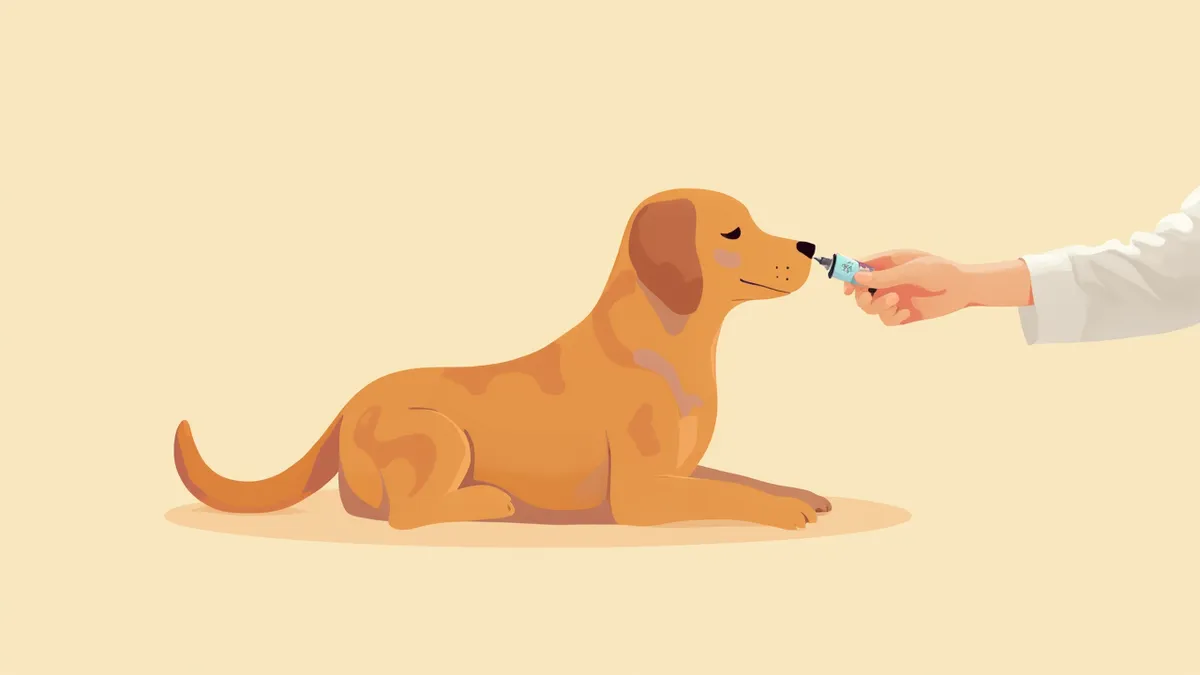
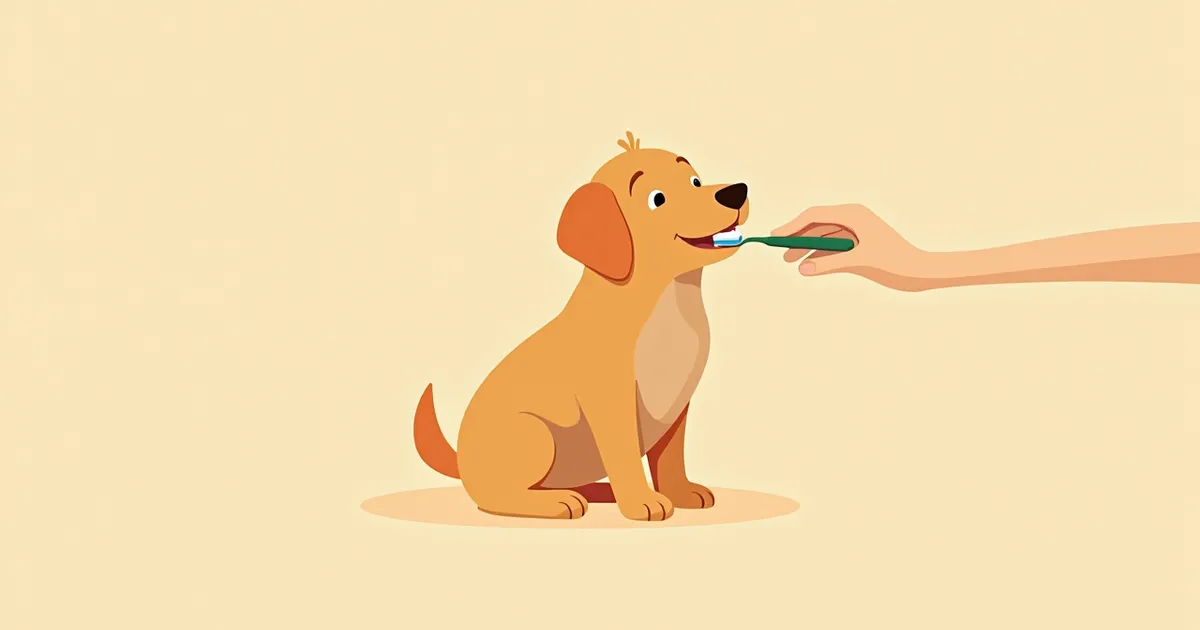
Administering ear drops to a puppy
Ear drops are a topical treatment for dogs and cats that involves applying medication directly into the outer ear canal to treat inflammation, infection, and itching. The key is maintaining the correct technique and consistency. After administering the drops, gently massage the base of the ear (the cartilage at the bottom) for 20–30 seconds to ensure the medication spreads throughout the ear canal. Do not stop treatment midway, even if symptoms improve, as this can allow bacteria to multiply and cause a relapse.

When Should You Use Ear Medication?

If your pet frequently scratches at their ears, shakes their head vigorously, or has brown or yellow discharge with an odor coming from the ears, they likely have otitis externa. According to veterinary textbooks, otitis externa is often caused by bacteria, yeast, or parasites, either alone or in combination. Therefore, it is important to first identify the causative agent through an ear cytology test and then receive a prescription for the appropriate ear medication. Specifically, confirming the cause via cytology before prescribing antibiotics or antifungals is a key principle to prevent antibiotic misuse and ensure the right treatment is chosen. Using leftover ear medication based solely on symptoms can result in using the wrong medication for the underlying cause, which may reduce treatment effectiveness and increase the risk of recurrence.

Essential Items to Prepare Before Administration

Ear cleaner: A veterinarian-prescribed ear-cleaning solution (do not use homemade vinegar or alcohol solutions)
Gauze or cotton pads: For wiping discharge from the ear opening (avoid inserting cotton swabs deep into the ear canal)
Ear medication: The prescribed topical drops (keep the nozzle clean after opening the cap)
Treats: For positive reinforcement and praise immediately after administration
Towel: To gently wrap and secure the body of cats or excitable dogs
Supplies needed for administering Guiyuk

Step-by-Step Administration Method (Common for Dogs and Cats)

Step 1: Have your pet sit comfortably, then gently lift the ear flap upward to open the ear canal. Step 2: Administer the prescribed number of drops into the inner ear, being careful not to let the nozzle touch the ear. Step 3: Gently massage the base of the ear cartilage for 20–30 seconds until you hear a soft squishing sound. Step 4: Release your hand and let your pet shake its head—then wipe away any excess medication with gauze. Step 5: Immediately reward with a treat to reduce resistance during future applications.

What You Must Never Do

Inserting a cotton swab deep into the ear canal can push discharge toward the eardrum, worsening otitis media. Additionally, if the eardrum is perforated, certain antibiotic ingredients may enter the inner ear and cause auditory or balance disturbances. If your pet suddenly begins tilting its head severely or turning it to one side, stop administering the medication immediately and contact your veterinarian.

Administration Schedule — How Many Times a Day and for How Many Days?

The frequency and duration of ear medication for otitis externa depend on the underlying cause, the specific drug used, and the severity of the condition. According to veterinary textbooks, bacterial otitis externa typically requires 14 to 30 days of treatment. Similarly, the treatment duration for Malassezia (yeast) infections or ear mites varies significantly depending on the medication prescribed, so it is essential to strictly follow the prescribed instructions. Your veterinarian will determine the exact dosage frequency and treatment length based on your pet’s weight, the cause of the infection, and its severity. To minimize the risk of recurrence, treatment should only be discontinued after a follow-up ear cytology confirms that the causative organism has been eliminated.
A veterinarian examining a puppy's ears.

Comparison of Ear Medication Schedules by Cause

ItemBacterial otitis externaYeast (Malassezia)Ear mites
Frequency of administration1–2 times daily1–2 times dailyOnce daily or long-acting formulation (e.g., 2-week intervals)
Treatment duration14–30 days14–21 days4–12 weeks (varies by medication)
Cleaning frequencyOnce every 2–3 daysOnce every 2–3 days1–2 times per week
Recheck timingAfter 2 weeks (then every 2 weeks)After 2 weeksAfter 2–4 weeks

Veterinary textbooks recommend confirming improvement or completion with recheck visits and cytology at 2-week intervals. The veterinarian adjusts based on cause and severity; arbitrary extension or shortening is prohibited.

A Different Approach for Cats

Cats have sensitive ears and tend to resist handling, so gently wrapping their body in a towel—a technique known as the "burrito wrap"—can be helpful. According to veterinary textbooks, ear mites (Otodectes) are the most common cause of otitis externa in cats. Treating only one cat often leads to reinfection from other pets living in the same household. Therefore, it is important to check the ears of all cohabiting dogs and cats and, if necessary, manage them together under a veterinarian's guidance to help prevent recurrence. Additionally, cats are particularly sensitive to certain ingredients in topical medications and are prone to contact reactions, so you should only use medications specifically prescribed for cats.

Return for a Recheck Immediately If You See These Signs

• Itching and discharge persist even after 3 to 5 days of treatment. • There is bloody discharge coming from the ear. • The head tilts suddenly to one side, or balance is lost. • The application site becomes severely red, swollen, or painful. • Hearing seems to have diminished. These signs may indicate middle or inner ear problems, or side effects from the medication. Do not stop the medication on your own; contact your veterinarian immediately.

Reviewed by a veterinarian

Dr. Tony — Punnawat Phongkittirak

Dr. Tony — Punnawat Phongkittirak

Veterinarian

A veterinarian who majored in veterinary medicine at Khon Kaen University, Thailand, and completed the IVSA program at North Carolina State University in the United States. Drawing on clinical experience at animal hospitals, he works in the pet healthcare field and is dedicated to building a digital care environment that connects pet parents with veterinarians.

Frequently Asked Questions

My dog shook its head right after I applied the ear medication, and it all came out. Can I reapply it?
Shaking their head after the massage is a normal reaction. Since the medication has already reached the ear canal, there's no need to reapply it. However, if it seems like not even a single drop entered the ear, you may administer one more dose, and then resume the next application at the scheduled time.
My pet’s symptoms have improved—can I stop using the remaining ear medication?
No, you shouldn’t stop. Even if the symptoms disappear, bacteria can remain inside the ear canal, so discontinuing treatment significantly increases the risk of recurrence. For bacterial otitis externa, veterinary textbooks recommend a minimum treatment period of 14 to 30 days. You must complete the full prescribed course and have your veterinarian assess whether treatment can be safely discontinued at a follow-up visit.
Is it necessary to clean the ears before applying the ear medication?
If there’s a lot of discharge, the medication may not reach the ear canal walls, reducing its effectiveness. If your veterinarian has prescribed ear cleaning alongside the medication, use the cleanser first, then wait until the ear is completely dry before applying the ear drops.
Only one ear is showing symptoms—should I still apply the medication to both ears?
As a general rule, only use the ear drops prescribed for that specific ear. If you reuse a nozzle that has been used on one ear for the other, you risk transferring bacteria. Therefore, after using the nozzle on one ear, wipe it clean with sterile gauze before using it on the other. If both ears have been prescribed treatment, simply follow your veterinarian's instructions.
Can I use human ear drops or leftover ear drops on my pet?
Absolutely not. Human ear drops may contain ingredients toxic to pets, such as certain alcohols or acidic solutions, and previously prescribed ear drops may not be appropriate for this current episode of otitis externa, which could have a different underlying cause. Please have your pet examined and receive a new prescription.

Share

Related Guides

References

[1] BSAVA Manual of Canine and Feline Dermatology, 4th Edition — Otitis Externa Chapter

[2] Feline Emergency and Critical Care Medicine, 2nd Edition — Otitis Media Management

[3] The Cat, Clinical Medicine and Management, 2nd Edition — Ear Disease

[4] Tom LW (2000). Ototoxicity of common topical antimycotic preparations. Laryngoscope 110, 509-516

This information is based on veterinary literature and does not replace diagnosis or treatment. Please consult a veterinarian for specific health concerns.

Metapet Co., Ltd. | CEO: Park Sung-yong | Business Reg. No. 417-88-02562 | Seoul, South Korea | Customer Center

Ear Medication for Dogs & Cats: Administration & Schedule | Meongsiljang