Like
Share
멍실장
고양이 횡격막 탈장 자주 묻는 질문 Q&A — 보호자가 꼭 알아야 할 핵심

Frequently Asked Questions About Diaphragmatic Hernia in Cats — Key Information Every Pet Owner Should Know

RespiratoryQ&AMeongsiljang Veterinary Advisory Board

A diaphragmatic hernia in cats is a dangerous condition that can cause acute respiratory distress. We’ve compiled the essential information every pet owner should know in a Q&A format.

What Is a Diaphragmatic Hernia in Cats?
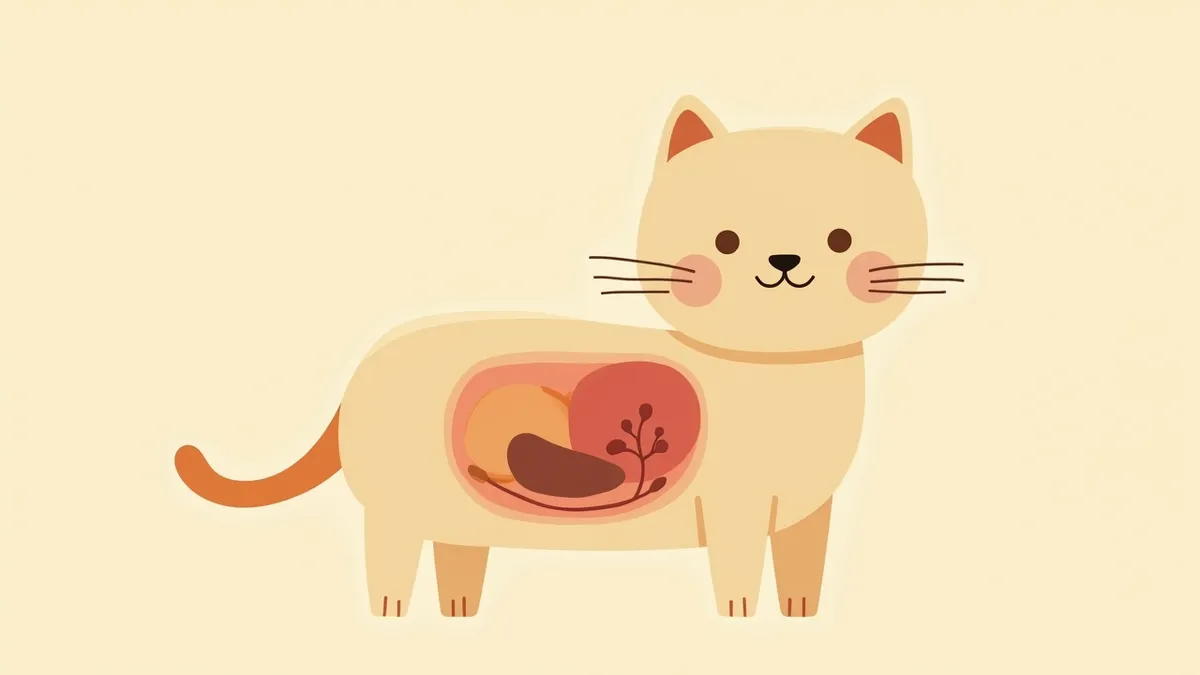
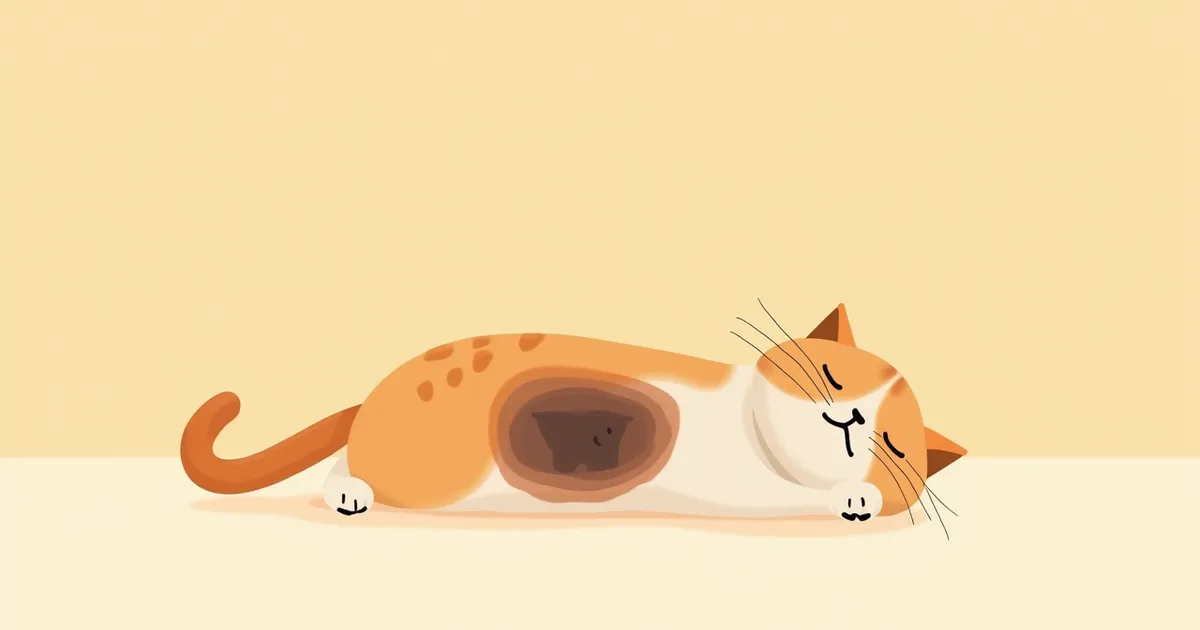
Anatomical diagram of a cat with a diaphragmatic hernia
A diaphragmatic hernia in cats occurs when abdominal organs protrude into the thoracic cavity through a congenital defect or traumatic rupture of the diaphragm, potentially compromising respiratory and digestive function. These hernias are broadly classified as congenital or acquired, with acquired cases—most commonly resulting from trauma such as blunt force—being the most frequent according to veterinary textbooks. The primary concern is not merely the tear in the diaphragm itself, but rather the displacement of abdominal organs into the chest cavity, where they occupy space and compress the lungs. Consequently, respiratory distress may arise from multiple contributing factors, including lung compression, shock, chest wall injury, pulmonary contusion, and pleural effusion, and can be life-threatening in severe cases. Early diagnosis and stabilization are crucial for improving the likelihood of a successful treatment outcome.

Why Do Cats Develop Diaphragmatic Hernias?
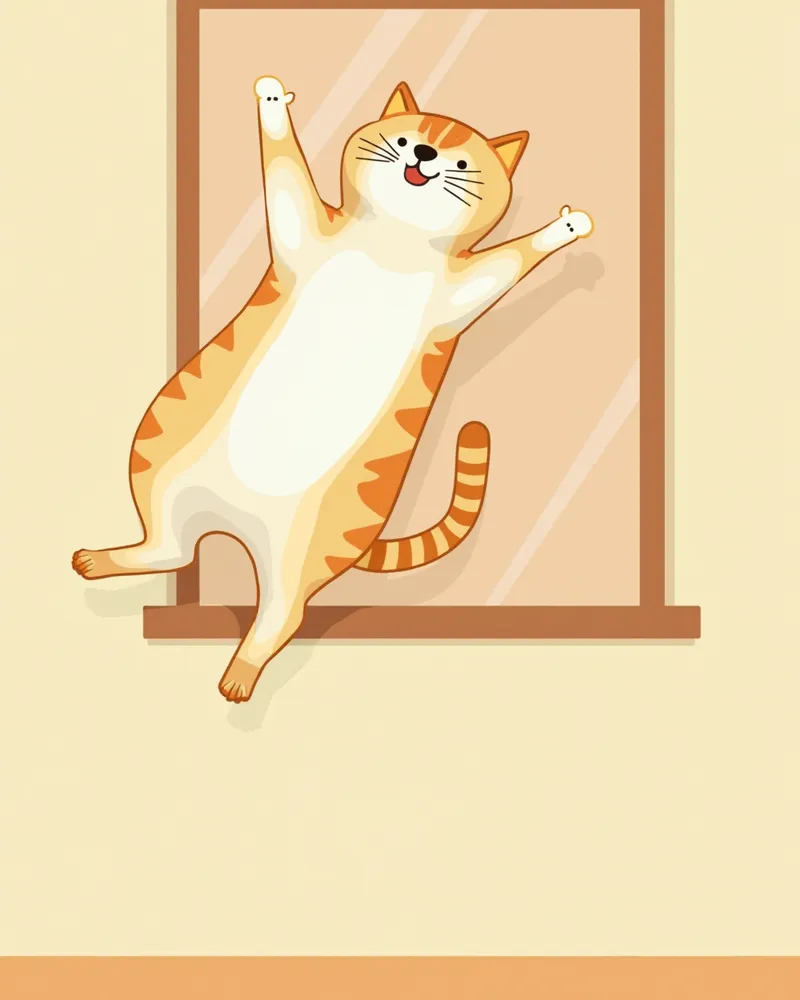
Diaphragmatic hernias in cats are primarily caused by trauma, with falls from heights and vehicle accidents being the most common triggers. - Traumatic Hernia: Impact can tear or weaken the diaphragm, allowing internal organs to protrude through the defect. - Congenital Defects: Hernias may develop if the diaphragm fails to form properly during fetal development. - Risky Behaviors: Activities such as running near windows or falling from elevated surfaces increase the risk of herniation. - Importance of Early Detection: If respiratory abnormalities appear following trauma, immediate veterinary examination is essential.
Trauma in cats that fall from windows

What Are the Main Symptoms of a Diaphragmatic Hernia?

The primary symptom of a diaphragmatic hernia in cats is often difficulty breathing. Signs include rapid, labored breathing with quick chest movements, and cyanosis—a bluish discoloration of the lips or mouth—which indicates insufficient oxygen supply. However, respiratory distress is rarely caused by lung compression alone; it often results from a combination of factors such as shock, impaired chest wall function, pulmonary contusion, or pleural effusion. These symptoms may be accompanied by vomiting, lethargy, and signs of shock, and in severe cases, the cat may collapse or lose consciousness. Because the condition can deteriorate rapidly within hours, prompt veterinary care is crucial. Additionally, closely monitor for abnormal breathing patterns, such as open-mouth breathing.
Image showing symptoms of respiratory distress in cats

Signs That Require Immediate Veterinary Care

If your cat suddenly starts breathing rapidly, develops blue discoloration of the lips or oral mucosa, or appears as though it might collapse, seek veterinary care immediately. These are signs of a life-threatening emergency.

How Is It Diagnosed?
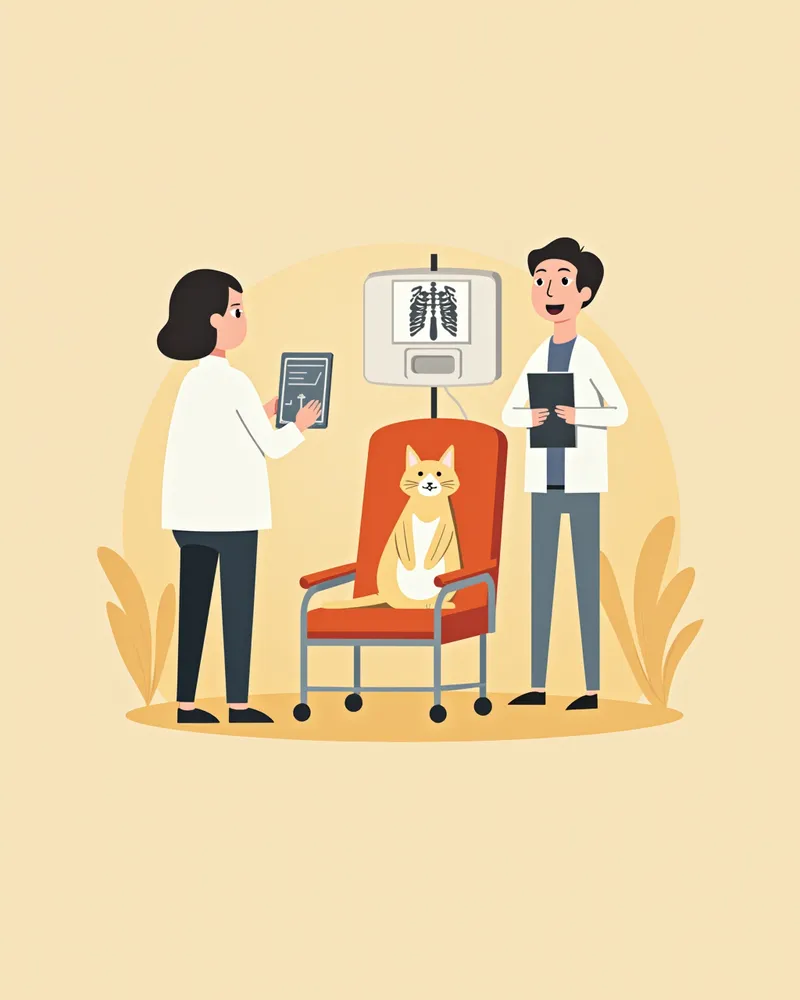
Diaphragmatic hernias can usually be diagnosed with a chest X-ray. - X-ray examination: This allows us to accurately determine whether abdominal organs have entered the thoracic cavity. - Ultrasound and CT: If the X-ray is inconclusive, more detailed imaging tests are used to identify the location and severity of the hernia. - Need for immediate diagnosis: If your pet is experiencing difficulty breathing, imaging tests should be performed immediately. - Veterinarian’s diagnostic criteria: A diagnosis is made by combining clinical symptoms with imaging findings. - Importance of early diagnosis: Early detection significantly increases the success rate of treatment.
A scene of a cat undergoing a chest X-ray.

What Are the Treatment Options?

Diaphragmatic hernias require surgical treatment. - Surgical objective: The primary goal is to return the herniated organs to their normal positions and repair the damage to the diaphragm. - Preoperative preparation: We stabilize the patient’s condition using respiratory support and fluid therapy. - Postoperative care: Close monitoring of respiratory function and effective pain management are essential. - Preventing complications: Regular check-ups are necessary to prevent infections, pneumonia, and recurrence of the hernia. - Recovery period: Restricting activity and ensuring adequate rest for 2 to 4 weeks after surgery is crucial.
Scene from a cat's diaphragmatic hernia surgery

Post-Surgical Care Points

After surgery, it is essential for your cat to get plenty of rest. - Activity Restriction: Avoid walks and running for 2 to 4 weeks. - Medication: Administer antibiotics and pain relievers exactly as prescribed to prevent infection. - Check-up Schedule: Schedule regular check-ups at 1, 2, and 4 weeks post-surgery. - Dietary Management: Switch to soft food and offer small, frequent meals. - Symptom Monitoring: Seek immediate veterinary care if you notice difficulty breathing, shock, or collapse.
A scene showing the care of a cat recovering after surgery.

Comparison of Diaphragmatic Hernia Symptoms and Response Steps

ItemSeverityEmergency response
Difficulty breathingModerateVisit the hospital immediately
Vomiting and loss of appetiteModerateConsult a veterinarian
Cyanosis (bluish lips)SevereTransport to the emergency room
Lethargy and collapseSevereGo to the hospital immediately

If symptoms become severe, they can be life-threatening, so rapid judgment is important.

Reviewed by a veterinarian

Dr. Tony — Punnawat Phongkittirak

Dr. Tony — Punnawat Phongkittirak

Veterinarian

A veterinarian who majored in veterinary medicine at Khon Kaen University, Thailand, and completed the IVSA program at North Carolina State University in the United States. Drawing on clinical experience at animal hospitals, he works in the pet healthcare field and is dedicated to building a digital care environment that connects pet parents with veterinarians.

Frequently Asked Questions

Is diaphragmatic hernia a common condition in cats?
Congenital diaphragmatic hernias are rare in cats, with most cases being acquired due to trauma. While cats living in environments with a high risk of injury, such as car accidents or falls from heights, are more prone to developing this condition, the exact incidence rate is unclear. Diaphragmatic hernias primarily occur as a result of trauma or congenital defects.
What about congenital diaphragmatic hernia?
Congenital diaphragmatic hernia occurs when there is a defect in the formation of the diaphragm at birth, stemming from a developmental abnormality. It is most commonly seen in young cats and can cause symptoms such as difficulty breathing. In some cases, it may also be accompanied by other congenital anomalies, such as sternal defects or heart malformations.
How long does the recovery period after surgery take?
Recovery time varies depending on each patient's individual condition. After surgery, the patient receives antibiotics and pain management, along with chest drainage and fluid monitoring. Once their breathing stabilizes, activity is gradually increased under the veterinarian's guidance. Activity restriction is recommended for a certain period, and it's best to consult with your veterinarian to determine the appropriate duration.
Can diaphragmatic hernias recur?
After surgery, excessive activity or another injury can increase the risk of recurrence. Additionally, delaying surgery raises the likelihood of complications such as lung compression and hypoventilation. Therefore, careful post-operative care and activity restriction are essential.
Is there a way to prevent it?
To reduce the risk of falls from heights, it helps to prevent your cat from running near windows and to create a safe living environment. In cases where the risk of injury is high, preventive measures may be considered, but the specific approach will depend on your cat’s condition and living environment.

Share

Related Guides

References

[1] Hillier, A. et al. (2018) 'Diaphragmatic Hernia in Cats: A Retrospective Study of 45 Cases'. Journal of Feline Medicine and Surgery, 20(6), 543–551.

[2] Lambert, J. & D’Anjou, M. (2020) 'Emergency Management of Diaphragmatic Hernia in Feline Patients'. Veterinary Emergency and Critical Care Medicine, 30(2), 189–197.

[3] American College of Veterinary Surgeons (ACVS). (2021) 'Feline Diaphragmatic Hernia: Clinical Guidelines'. ACVS Clinical Practice Guidelines.

This information is based on veterinary literature and does not replace diagnosis or treatment. Please consult a veterinarian for specific health concerns.

Metapet Co., Ltd. | CEO: Park Sung-yong | Business Reg. No. 417-88-02562 | Seoul, South Korea | Customer Center

Cat Diaphragmatic Hernia: 5 Frequently Asked Questions | Meongsiljang