Like
Share
멍실장
저용량 덱사메타손 억제시험(LDDST) 완벽 가이드

The Complete Guide to the Low-Dose Dexamethasone Suppression Test (LDDST)

WeightQ&AMeongsiljang Veterinary Advisory Board

The low-dose dexamethasone suppression test is a standard blood test used to diagnose Cushing’s disease in dogs and cats. Here’s what you need to know about the procedure, how to interpret the results, and important precautions.

What is the Low-Dose Dexamethasone Suppression Test (LDDST)?
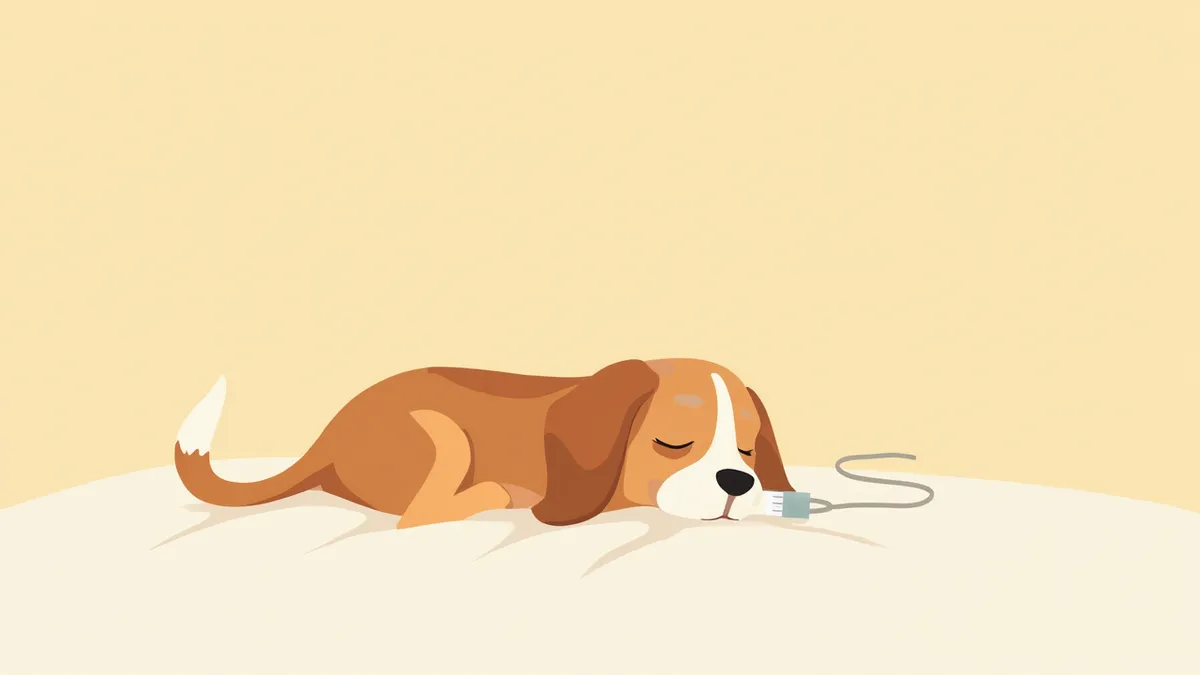
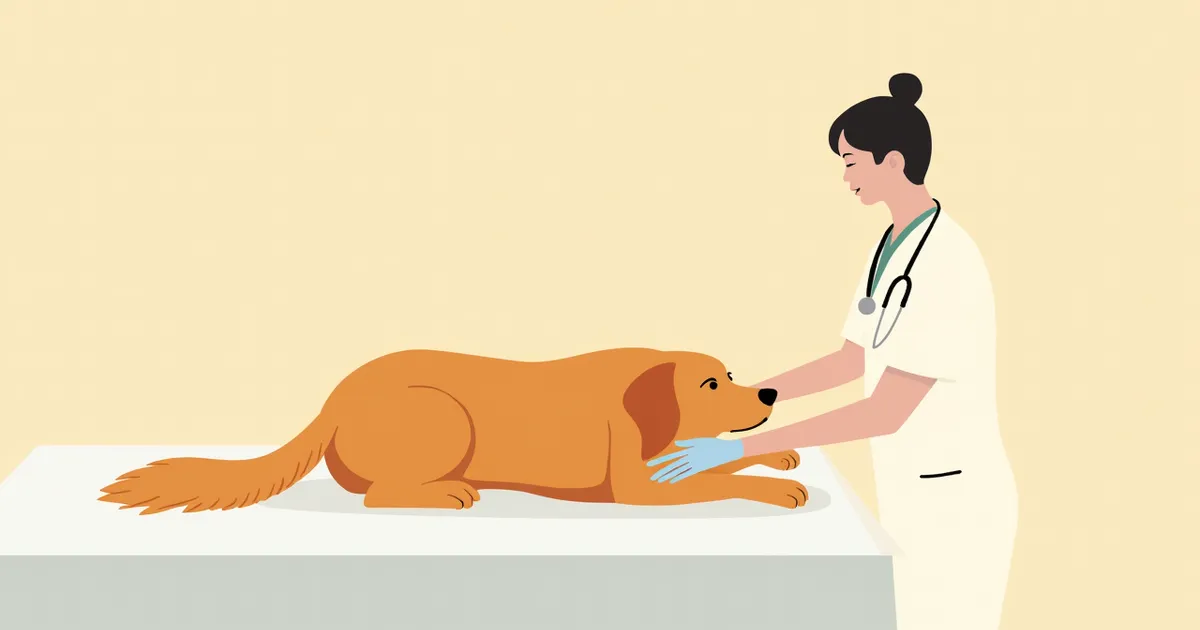
A Beagle puppy waiting for a blood draw at the clinic
The low-dose dexamethasone suppression test (LDDST) is a blood test used to screen for hyperadrenocorticism (Cushing’s disease) in dogs and cats. It involves administering a low dose of dexamethasone and then measuring changes in blood cortisol levels. The key to this test is three blood draws taken over an 8-hour period. In healthy animals, cortisol levels will be suppressed, whereas in those with Cushing’s disease, suppression does not occur. Veterinary internal medicine textbooks rate the LDDST as a screening test for Cushing’s disease with higher diagnostic reliability than the ACTH stimulation test.

Why is this test performed?

This test is performed when Cushing’s disease, caused by excessive cortisol secretion from the adrenal glands, is suspected. Typical signs include excessive thirst and urination, a distended abdomen, hair loss, and thinning of the skin. The low-dose dexamethasone suppression test (LDDST) serves as a screening tool to confirm whether Cushing’s disease is actually present in these suspected cases. It demonstrates high diagnostic sensitivity, approximately 90%, for pituitary-dependent hyperadrenocorticism (PDH) and can detect both adrenal tumor-induced (AT) and pituitary-dependent (PDH) forms.

Overview of the Test Procedure

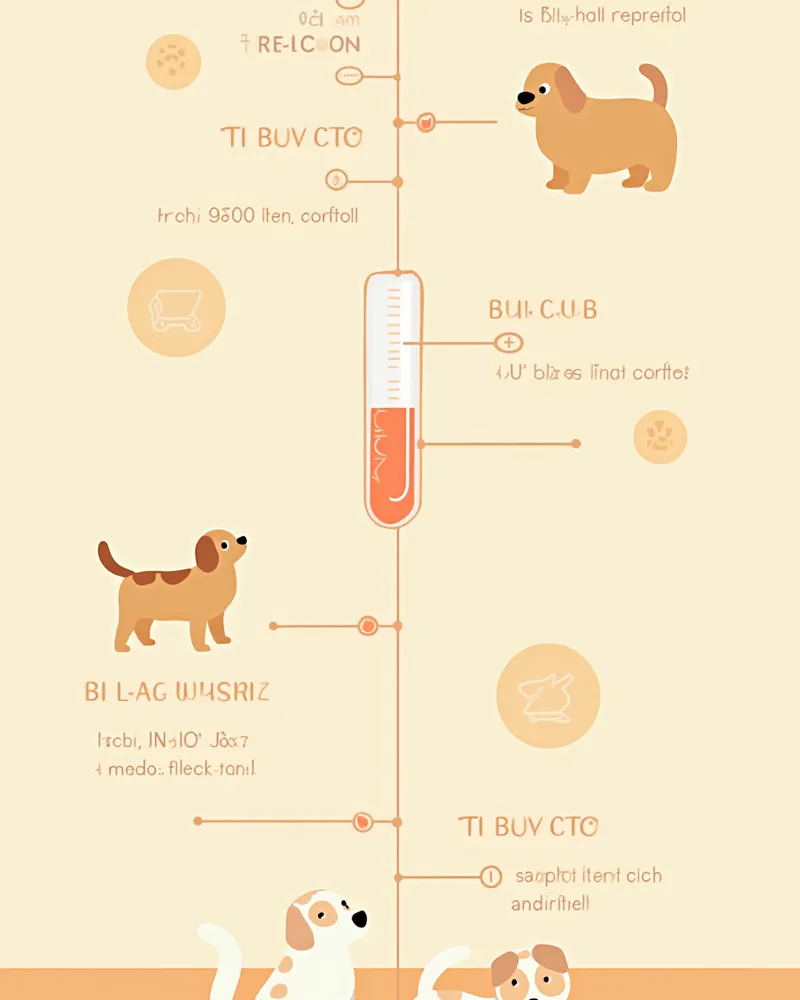
The test usually begins in the morning and involves three blood draws. First, we check the baseline cortisol level, then administer dexamethasone via intravenous injection, followed by additional blood samples at 4 and 8 hours afterward. Since your dog needs to stay at the hospital for about 8 hours, this is often referred to as a one-day hospitalization test.
Timeline for blood sampling during the LDDST test

Step-by-Step Blood Draw Summary for LDDST

Item0 hours (baseline)4 hours8 hours
ProcedureDraw baseline cortisol, then administer dexamethasone intravenouslyDraw blood 4 hours after injectionFinal blood draw 8 hours after injection
MeaningConfirm the reference value and administer the drugDetermine whether partial suppression occurredDetermine whether suppression is maintained
Normal responseWithin normal rangeSuppressed below the laboratory reference valueSuppression maintained (below the laboratory reference value)

Protocols may differ slightly between veterinarians.

Important Precautions Before the Test

If your pet has recently used steroid ointments, eye drops, or oral medications, the test results may be skewed. Be sure to inform your veterinarian in advance. The presence of other conditions—such as diabetes, infections, or chronic kidney disease—can also complicate result interpretation. Since stress can elevate cortisol levels, it’s important to provide a calm, comfortable environment for your pet during the testing process.

How to Interpret the Results

- Normal: Cortisol is adequately suppressed at both 4 and 8 hours (determined as below the reference range provided by the laboratory with the results; for healthy cats, the threshold is approximately less than 1.0 μg/dL). - Suspected Cushing’s Disease: If suppression is not observed at 8 hours, the result is considered positive. - Differentiating the Type: If cortisol levels show a “escape” pattern—temporarily suppressed at 4 hours but rising again by 8 hours—pituitary-dependent hyperadrenocorticism (PDH) is likely. If there is no suppression from the outset, an adrenal tumor (AT) should also be considered. The final diagnosis is made by the veterinarian in conjunction with imaging studies.
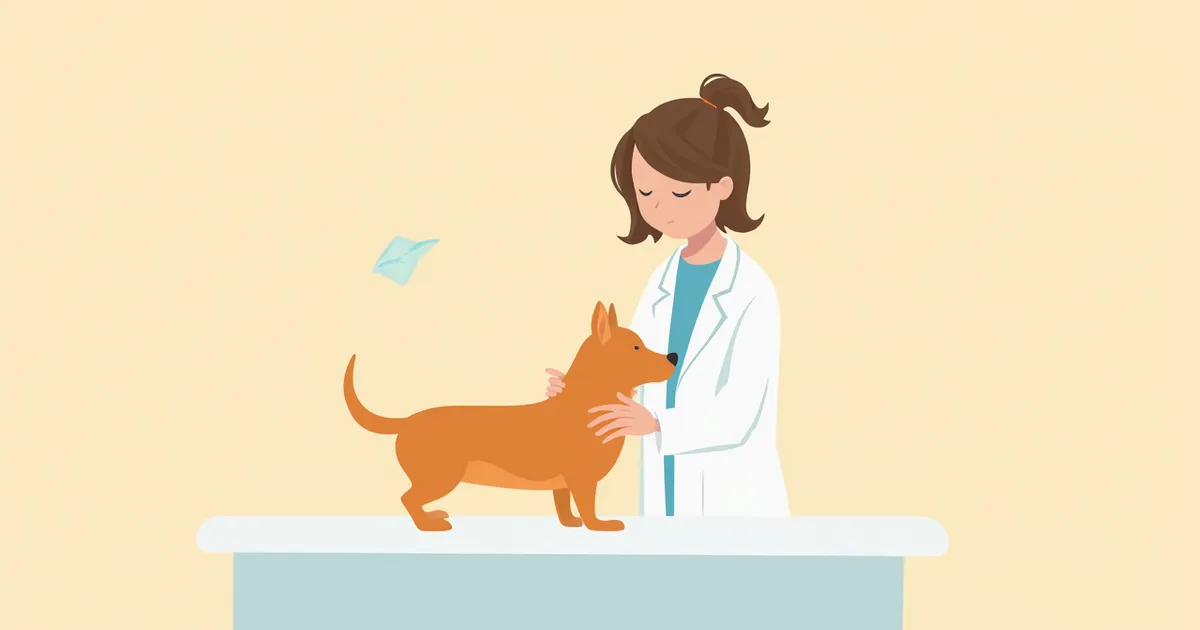
A veterinarian explaining test results to a pet owner.

How Does It Differ from Other Tests?

The most common screening tests for Cushing’s disease are the low-dose dexamethasone suppression test (LDDST), the ACTH stimulation test, and the urine cortisol-to-creatinine ratio (UCCR). The LDDST offers higher diagnostic reliability than the ACTH stimulation test, but it takes longer to complete. While the ACTH stimulation test may be slightly less sensitive than the LDDST, it is quicker and also useful for distinguishing iatrogenic Cushing’s syndrome. The UCCR is convenient because you can collect the urine sample at home, but it has low specificity and is influenced by various factors, making it insufficient for a definitive diagnosis. Your veterinarian will select the most appropriate test or combination of tests based on your pet’s individual condition.

Cats Are a Little Different

Cats respond less consistently to dexamethasone than dogs do. Applying the low dose used in dogs (0.01–0.015 mg/kg) directly to cats fails to suppress cortisol in approximately 15–20% of healthy cats, which reduces the diagnostic specificity of the test. Therefore, the protocol for diagnosing Cushing’s disease in cats typically uses a higher low-dose dexamethasone suppression test (LDDST) dose of 0.1 mg/kg. Because a cat’s overall health status can influence test interpretation, a comprehensive health assessment is essential before testing.

What to Monitor at Home After the Test
Dexamethasone is generally safe at the prescribed dose, so most pets go home without any significant side effects. However, since your pet has been fasting and restricted in activity for eight hours, please offer small amounts of water and food upon returning home and allow them to rest comfortably for about a day. Contact your veterinarian if you notice severe bruising or swelling at the injection site. It is important to review the test results and discuss the next steps, such as an abdominal ultrasound, with your veterinarian.
A dog resting comfortably at home after completing its check-up.

Reviewed by a veterinarian

Dr. Tony — Punnawat Phongkittirak

Dr. Tony — Punnawat Phongkittirak

Veterinarian

A veterinarian who majored in veterinary medicine at Khon Kaen University, Thailand, and completed the IVSA program at North Carolina State University in the United States. Drawing on clinical experience at animal hospitals, he works in the pet healthcare field and is dedicated to building a digital care environment that connects pet parents with veterinarians.

Frequently Asked Questions

Is fasting required before the LDDST test?
While protocols vary by clinic, we generally recommend fasting for 8 to 12 hours. Water is usually allowed. Please follow the specific instructions provided by your clinic when scheduling your appointment.
How much does the test cost?
Costs vary significantly depending on the clinic and region, so it’s difficult to give a one-size-fits-all answer. Since the price includes three blood draws and dexamethasone, the most accurate way to find out is to contact your clinic directly when making an appointment.
What should I do if the results are inconclusive?
If atypical results are obtained, additional tests such as a high-dose dexamethasone suppression test (HDDST), abdominal ultrasound, or endogenous ACTH concentration measurement are performed to differentiate the type.
I’m currently using a steroid ointment. Can I still have the test done?
Steroids can skew test results. The required withdrawal period varies depending on the type of medication, route of administration, and dosage, so please consult your veterinarian in advance and follow their instructions.
Does a negative test result rule out Cushing’s syndrome?
The low-dose dexamethasone suppression test (LDDST) is about 90% sensitive for pituitary-dependent hyperadrenocorticism (PDH), but false-negative results can occur. If clinical signs are pronounced, consider additional tests such as the ACTH stimulation test.

Share

Related Guides

References

[1] Fundamentals of Veterinary Clinical Pathology, 3rd Edition - Suppression and Stimulation Tests for Assessing Adrenocortical Responses

[2] Clinical Medicine of the Dog and Cat, 4th Edition - Low-Dose Dexamethasone Suppression Test

[3] BSAVA Manual of Canine and Feline Dermatology, 4th Edition - Endocrine Diagnostics

This information is based on veterinary literature and does not replace diagnosis or treatment. Please consult a veterinarian for specific health concerns.

Metapet Co., Ltd. | CEO: Park Sung-yong | Business Reg. No. 417-88-02562 | Seoul, South Korea | Customer Center

Low-Dose Dexamethasone Suppression Test (LDDST): Full Guide | Meongsiljang