Like
Share
멍실장
고양이 성묘 추가 접종 스케줄 자주 묻는 질문 Q&A — 보호자가 꼭 알아야 할 핵심

Adult Cat Booster Vaccination Schedule FAQ — Key Points Every Owner Must Know

Lifestyle & Age CareQ&AMeongsiljang Veterinary Advisory Board

The vaccination schedule for adult cats is a key aspect of preventive care that pet owners should definitely know. Regular vaccinations help reduce the risk of diseases and maintain a healthy life.

Why is the adult cat booster vaccination schedule important?
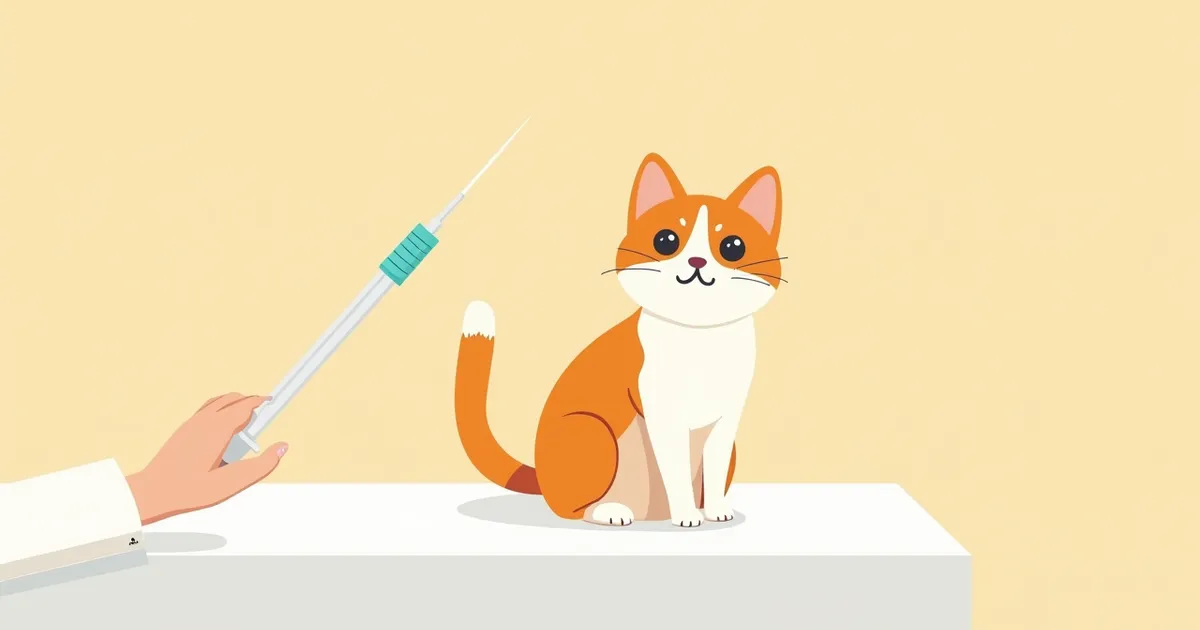
A scene of an adult cat receiving a vaccination from a veterinarian.
The vaccination schedule for adult cats is a crucial step in maintaining long-term immunity and preventing diseases. Even after completing the initial kitten vaccinations, immunity can wane over time, so a booster shot is needed one year after the final kitten vaccination. Thereafter, it is recommended to administer core vaccines at intervals of at least three years, making regular booster care essential. - Feline Panleukopenia (FPV): This core vaccine is essential for all cats, as infection can be fatal. - Feline Herpesvirus (FHV): This virus causes respiratory symptoms such as coughing, tearing, and nasal congestion, and is highly contagious. - Feline Calicivirus (FCV): This virus can lead to chronic oral ulcers and decreased appetite. These three are core vaccines for adult cats as well, so it is important to consult with your veterinarian to establish a customized schedule.

What is the main purpose of booster vaccinations in adulthood?

The main purpose of booster vaccinations for adult cats is to strengthen immunity that may have waned after the initial kitten vaccinations and to reduce the risk of reinfection. Since a cat’s immune response can weaken over time, scheduled booster shots are essential. - Immune maintenance: Vaccines activate immune cells to enhance resistance against diseases. - Disease prevention: They provide protection against highly contagious illnesses such as feline panleukopenia (FPV) and feline herpesvirus (FHV). - Long-term health assurance: Regular vaccinations improve your cat’s quality of life and reduce the need for veterinary visits, benefiting both you and your cat.
A cat with a bandage on its paw after receiving a vaccination

What are the main vaccines suitable for adult cats?

The three core vaccines recommended for adult cats are feline panleukopenia virus (FPV), feline herpesvirus (FHV), and feline calicivirus (FCV). - Feline panleukopenia virus (FPV) vaccine: This is a highly contagious and potentially fatal disease with a high mortality rate upon infection. - Feline herpesvirus (FHV) vaccine: This virus causes symptoms such as coughing, ocular discharge, and nasal discharge, and it spreads rapidly among groups of cats. - Feline calicivirus (FCV) vaccine: This can lead to chronic oral ulcers and decreased appetite. These three vaccines are considered core for most cats, so it is important to consult with your veterinarian to create a tailored vaccination schedule. Additionally, cats that go outdoors frequently or live in multi-cat households should also be considered for the feline leukemia virus (FeLV) vaccine.
A veterinary clinic display shelf neatly organized with cat vaccines

Comparison of vaccination timing by vaccine type for adult cats

ItemFirst Vaccination TimingBooster TimingRevaccination Interval
Feline panleukopenia virus (FPV)6–8 weeks (repeated until 16–20 weeks)1 year after the last kitten vaccinationAt least every 3 years
Feline herpesvirus (FHV)6–8 weeks (repeated until 16–20 weeks)1 year after the last kitten vaccinationAt least every 3 years
Feline calicivirus (FCV)6–8 weeks (repeated until 16–20 weeks)1 year after the last kitten vaccinationAt least every 3 years
Feline leukemia virus (FeLV)8 weeks or older1 year after the last kitten vaccinationConsult a veterinarian based on risk level

The vaccination schedule may vary depending on the cat's living environment and risk level. Consult a veterinarian.

What side effects may occur after booster vaccinations?
After vaccination, mild side effects such as fever, lethargy, decreased appetite, and swelling at the injection site may occur. These reactions typically resolve on their own within a few days. - Fever: A temporary rise in body temperature may occur. - Lethargy: Your pet may be less active, so provide a comfortable resting environment. - Decreased appetite: Appetite usually returns quickly; ensure your pet has access to plenty of water. - Swelling at the injection site: Some swelling or firmness may develop but generally subsides over time. However, if a lump at the injection site persists or continues to grow, it could indicate a vaccine-associated sarcoma, and veterinary evaluation is necessary. Additionally, seek immediate veterinary advice if severe rash, difficulty breathing, or persistent vomiting occurs.
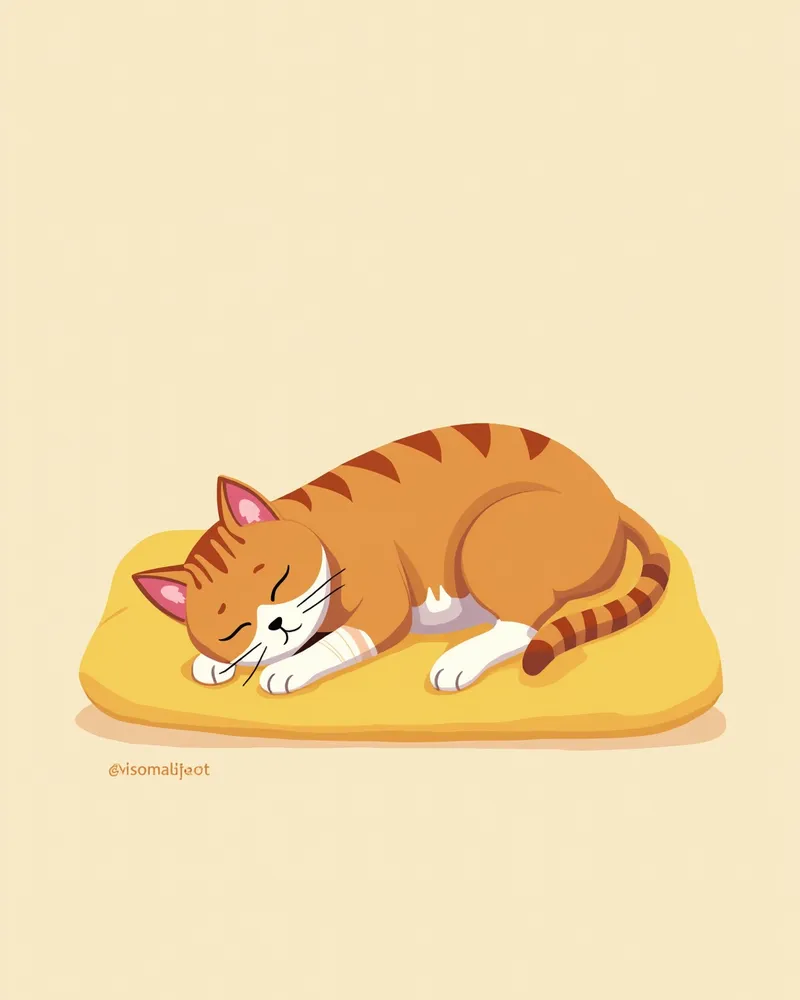
A cat feeling sleepy after vaccination

Immediate veterinary visit required in these cases

If your pet experiences difficulty breathing, severe vomiting, seizures, or a widespread rash within 24 hours after vaccination, seek veterinary care immediately. These symptoms may indicate a serious allergic reaction, so prompt action is crucial.

Tips for managing your adult cat’s vaccination schedule

To keep your adult cat’s vaccination schedule on track, it’s important to record dates accurately and consult your veterinarian regularly. - Track your schedule: Use a calendar or smartphone reminders so you never miss a dose. - Communicate with your vet: Vaccination intervals can be adjusted based on your cat’s health status. - Prepare before vaccination: Check your cat’s condition the day before and minimize stress. - Monitor after vaccination: Limit activity for 24 hours and watch closely for any unusual symptoms. - Keep records: Always save vaccination records for reference at future visits.
A smartphone alarm screen showing a cat’s vaccination schedule.

What precautions should be taken when vaccinating an adult cat?

When vaccinating an adult cat, the most important step is to have your veterinarian confirm the cat’s health status before vaccination. It is safer to postpone vaccination if the cat is ill or has a weakened immune system. - Health check: Postpone vaccination if symptoms such as fever, coughing, or diarrhea are present. - Fasting before vaccination: Some clinics recommend fasting for 4–6 hours prior to vaccination. - Post-vaccination care: Limit activity for 24 hours after vaccination and provide a quiet environment. - Monitoring for adverse reactions: Seek immediate veterinary care if symptoms such as rash, difficulty breathing, or persistent vomiting occur. - Minimizing stress: Provide a comfortable space before and after vaccination to reduce stress in your cat.
A cat resting comfortably after vaccination

Reviewed by a veterinarian

Dr. Tony — Punnawat Phongkittirak

Dr. Tony — Punnawat Phongkittirak

Veterinarian

A veterinarian who majored in veterinary medicine at Khon Kaen University, Thailand, and completed the IVSA program at North Carolina State University in the United States. Drawing on clinical experience at animal hospitals, he works in the pet healthcare field and is dedicated to building a digital care environment that connects pet parents with veterinarians.

Frequently Asked Questions

Until what age should adult cats receive vaccinations?
Even adult cats should receive a booster of the core vaccines (FPV, FHV, FCV) one year after their final kitten vaccination, followed by revaccination at least every three years. Annual boosters are not required; however, depending on your cat’s living environment, certain non-core vaccines may need to be administered more frequently. Please consult with your veterinarian to determine the appropriate vaccination schedule for your pet.
What happens if a vaccination is missed?
Missing a vaccination can weaken your pet’s immunity, making them more susceptible to diseases. If a vaccination is missed, consult your veterinarian to restart the series, which typically follows a schedule similar to the initial vaccinations.
What should I do if my cat has an allergic reaction to a vaccine?
If your pet shows signs of an allergic reaction, contact your veterinarian immediately. In severe cases, treatment at the clinic may be necessary, and your vet may adjust the type of vaccine used in the future.
Can I vaccinate my cat at home?
No. Vaccines must be prescribed by a veterinarian and administered using the correct method. Trying to vaccinate your pet at home makes it difficult to manage potential side effects and doesn’t guarantee the vaccine’s effectiveness.
Do adult cats need to receive all available vaccines?
Not all vaccines are necessary for every cat. The required vaccines depend on your cat’s living environment (indoor vs. outdoor) and whether it comes into contact with other animals. Consult your veterinarian to create a tailored vaccination plan.

Share

Related Guides

References

[1] Scherk MA, Ford RB, Gaskell RM, et al. 2013 AAFP Feline Vaccination Advisory Panel Report. J Feline Med Surg. 2013;15(9):785-808.

[2] Hosie MJ, Addie DD, Boucraut-Baralon C, et al. Vaccination guidelines: 2015 ABCD recommendations for indoor/outdoor cats, rescue shelter cats and breeding catteries. J Feline Med Surg. 2015;17:583–587.

[3] Hartmann K, Day MJ, Thiry E, et al. Feline injection-site sarcoma: ABCD guidelines on prevention and management. J Feline Med Surg. 2015;17(7):606-13.

This information is based on veterinary literature and does not replace diagnosis or treatment. Please consult a veterinarian for specific health concerns.

Metapet Co., Ltd. | CEO: Park Sung-yong | Business Reg. No. 417-88-02562 | Seoul, South Korea | Customer Center

Adult Cat Booster Vaccine Schedule: 5 FAQs | Meongsiljang