

Can dog cancer pain be reduced at home? — Palliative care and when to visit the vet
After a cancer diagnosis in dogs, palliative care and pain management are key to maintaining quality of life. Here’s a summary of essential questions and coping strategies for pet owners to know.
What is palliative care and pain management for dogs?
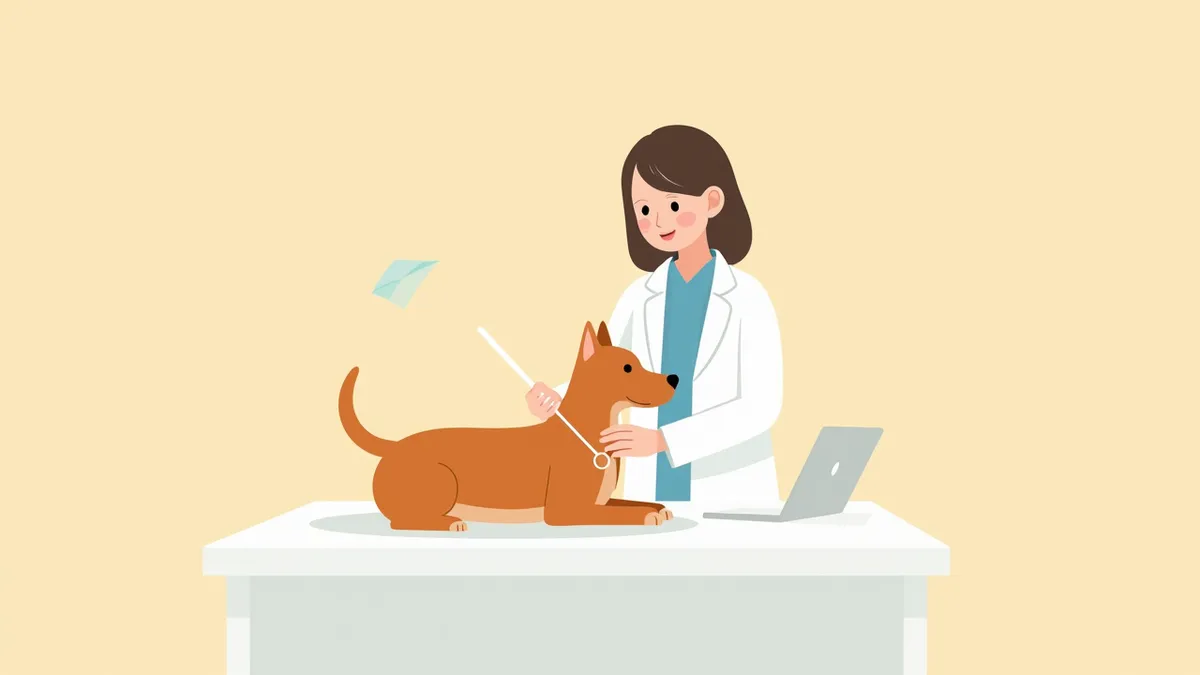
The key to palliative care is pain assessment
What are the main medications used for pain management?

Comparison of coping strategies by pain level
| Item | Mild Pain | Moderate Pain | Severe Pain |
|---|---|---|---|
| Main Symptoms | Reduced movement and uncomfortable posture | Decreased appetite, lethargy, reduced responsiveness | Anxiety, crying out, no longer flinching away, complete cessation of appetite |
| Main Medications | NSAIDs used alone | NSAIDs + a small amount of opioid medication | Potent opioid medication + concurrent adjuvant medications |
| Management Points | Ensure rest time, provide a soft bed | Regular assessment, medication adjustment needed | Increased frequency of hospital visits, close consultation with the veterinarian |
The degree of pain is regularly assessed by the veterinarian, and medication dosages are adjusted according to body weight and response.
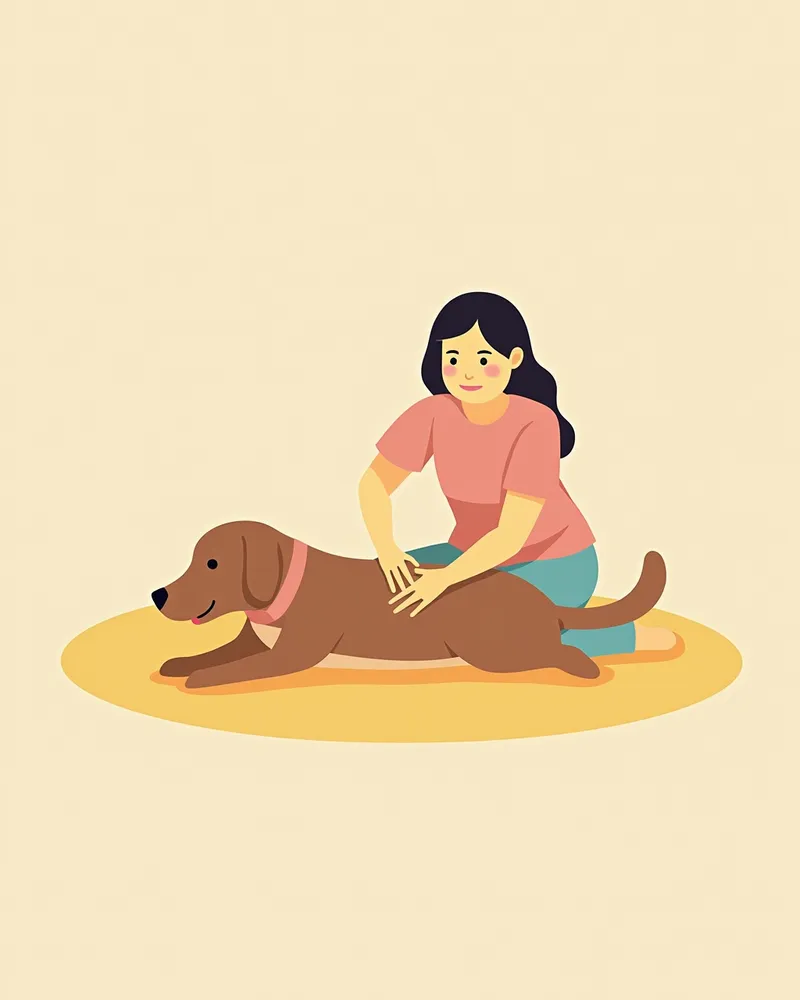
Pain management methods you can do at home

Signs that require an immediate vet visit
If your dog suddenly shows signs of severe pain, loses its appetite completely, experiences repeated vomiting or diarrhea, or appears disoriented, you should seek veterinary care immediately. These symptoms may indicate that the pain has worsened or that other complications have developed. Even while managing your dog’s pain, maintaining open communication with your veterinarian is essential.
Palliative care requires various approaches beyond medication
Reviewed by a veterinarian

Dr. Tony — Punnawat Phongkittirak
VeterinarianA veterinarian who majored in veterinary medicine at Khon Kaen University, Thailand, and completed the IVSA program at North Carolina State University in the United States. Drawing on clinical experience at animal hospitals, he works in the pet healthcare field and is dedicated to building a digital care environment that connects pet parents with veterinarians.
Reviewed 2026-06-07
Frequently Asked Questions
How can you tell if your dog is in pain?
Is it safe to keep giving my pet pain medication?
Can pain be reduced without using pain medication?
When should palliative care begin?
What should I do if my dog refuses to take its medication?
Share
Related Guides

Comprehensive Guide to Recommended Hospice Care and Quality of Life Management for Cats with Tumors

7 Factors Determining Prognosis and Life Expectancy in Dogs with Tumors, According to Veterinarians

7 Key Management Points for Canine Transitional Cell Carcinoma (Bladder Cancer) Recommended by Veterinarians — From Symptoms to Care

My Cat Keeps Licking — Is This Normal? Causes and Solutions for Excessive Grooming

Causes of Nighttime Vocalization in Cats and How to Address Them

Dog Resource Guarding: Causes and Correction Methods

How to Manage Thunderstorm Phobia in Dogs?

How to Teach Your Puppy Sit, Stay, and Down — When Is the Best Time for Rewards?

What is Clicker Training for Dogs? — How to Start Properly from Timing to Rewards

Guide to Choosing Pet Toothpaste
References
[1] Henry CJ, Higginbotham ML (2010) Cancer Management in Small Animal Practice. Saunders/Elsevier, Maryland Heights.
[2] Mathews, K.A. (2000). Pain assessment and general approach to management. Vet. Clin. North Am. Small Anim. Pract. 30 (4): 729–755.
[3] Botto, R., Riccio, V., Galosi, L., et al. (2022) Effects of intra-articular autologous adipose micrograft for the treatment of osteoarthritis in dogs: A prospective, randomized, controlled study. Animals (Basel) 12, 1844. https://doi.org/10.3390/ani12141844.