
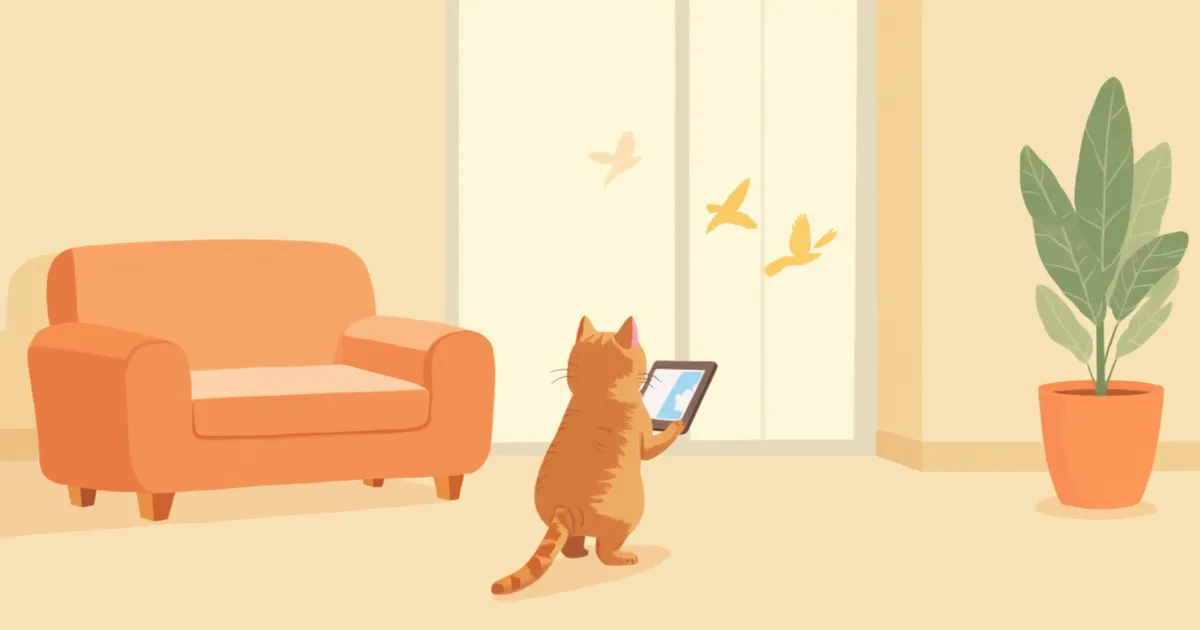
Will Bird and Fish Videos Work for Cats? Environmental Enrichment or Stress?
Cat TV is an environmental enrichment tool that stimulates the hunting instincts of indoor cats through videos of birds and fish. We’ve outlined how to use it safely.
What Is Cat TV?
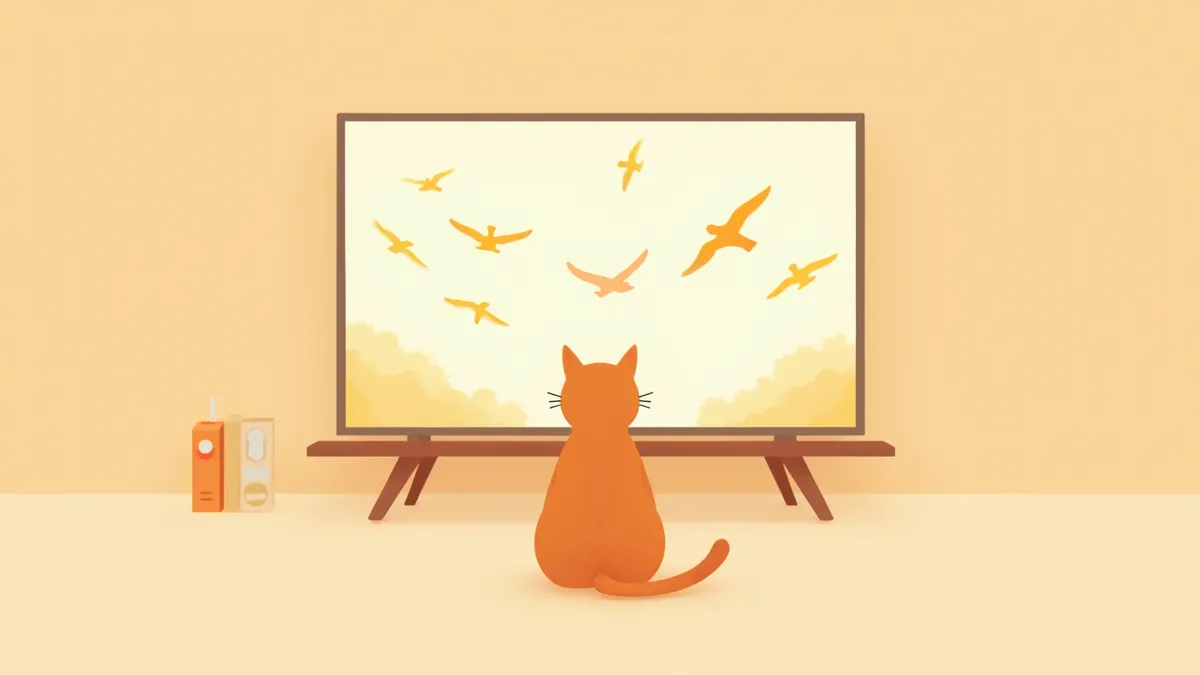
Why Cats React to Videos
Comparison of Reactions by Video Type
| Item | Bird videos | Fish videos | Squirrels·rodents |
|---|---|---|---|
| Movement intensity | Fast | Slow | Medium |
| Viewing focus | High | Medium | High |
| Recommended viewing time | Briefly, adjust while watching reaction | Briefly, adjust while watching reaction | Briefly, adjust while watching reaction |
| Stress risk | Medium | Low | Medium |
Preferences vary by individual. At first, show them briefly and observe their reaction.
How to Show Videos to Your Cat
Turn Off the Video Immediately If You See These Behaviors
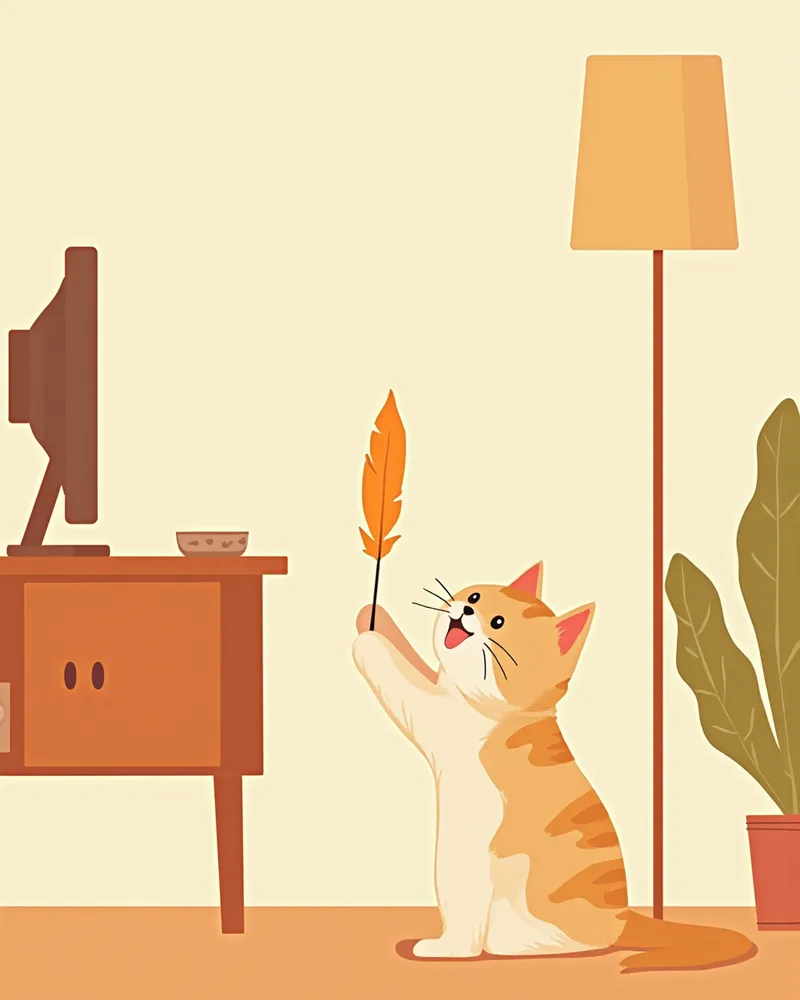
If your cat starts scratching the screen with its claws or lunging at the TV, turn off the video immediately. OLED displays and older TVs are fragile and can be damaged by impact, and there’s also a risk of injury to your cat’s claws or teeth. Additionally, if you notice dilated pupils accompanied by vigorous tail swishing or low-pitched howling, these are signs of overexcitement and frustration. In such cases, stop the video right away and move your cat to a quiet space.
What Is the Appropriate Daily Viewing Time?
My Cat Is Not Interested in the Videos
Points to Note in Multi-Cat Households
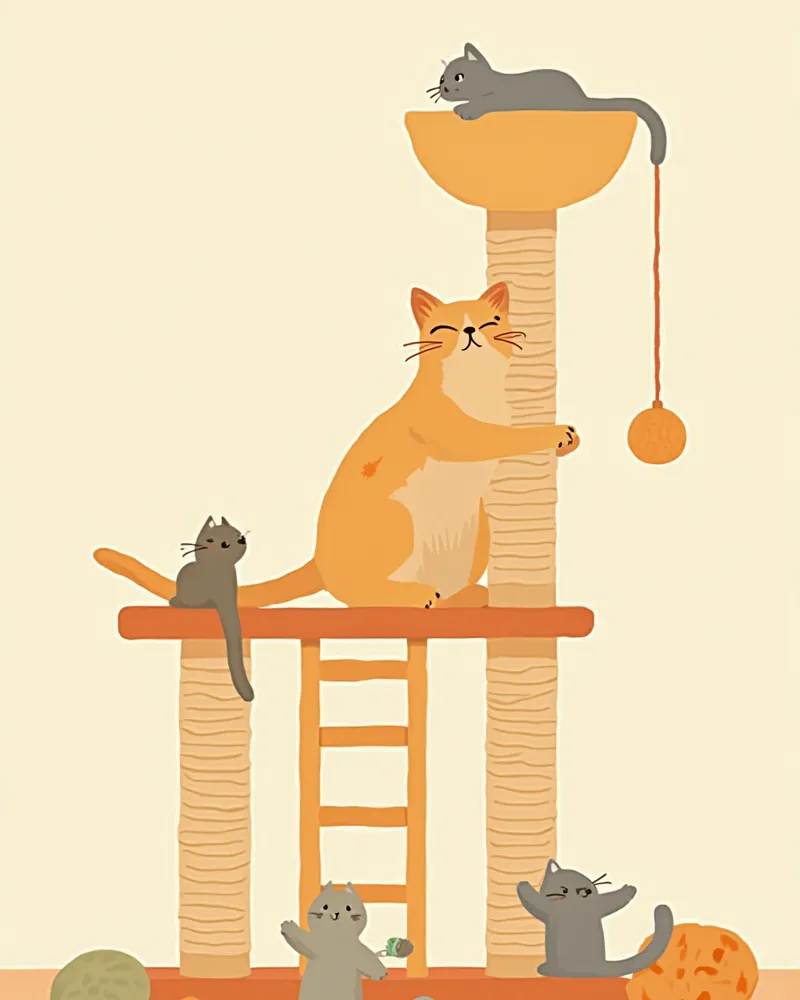
In multi-cat households, a single screen can become a source of conflict. Cats are prone to competing when resources are limited, and a prime spot in front of the screen can be perceived as such a resource. If one cat monopolizes this space, others may become stressed, potentially leading to redirected aggression, where an overstimulated cat lashes out at nearby housemates or their owner. In multi-cat homes, ensure each cat has its own designated viewing area with sufficient distance between them, and immediately stop the video if you notice any signs of tension.
Reviewed by a veterinarian

Dr. Tony — Punnawat Phongkittirak
VeterinarianA veterinarian who majored in veterinary medicine at Khon Kaen University, Thailand, and completed the IVSA program at North Carolina State University in the United States. Drawing on clinical experience at animal hospitals, he works in the pet healthcare field and is dedicated to building a digital care environment that connects pet parents with veterinarians.
Reviewed 2026-04-26
Frequently Asked Questions
Can I play any video from the YouTube channel Cat TV?
Is it okay to show the kitten as well?
What should I do if my pet scratches the TV with its claws?
Will it still be effective if I show it on my smartphone?
After watching the video, my dog gets really restless at night.
Share
Related Guides

Primary vs. Secondary Veterinary Hospitals: A Comparison
5 Easy-to-Raise Cat Breeds for First-Time Owners — Grooming Difficulty Comparison

Top 7 Short-Legged Dog Breeds

Apoquel vs. Cytopoint: A Complete Comparison for Itch Relief
Gabapentin for Neuropathic Pain: Is It Safe for Your Pet?

7 Warning Signs of Pain in Pets That Can’t Speak — Don’t Miss These

Dog Leashes and Harnesses: How Should You Choose?
A Comprehensive Guide to Antihistamine Use and Side Effects in Dogs and Cats

Tips for Changing Wound Dressings and Bandages for Dogs and Cats
Tuxedo Cat Characteristics and Personality
References
[1] Little SE, The Cat: Clinical Medicine and Management, 2nd Edition, 2020 — Feline Behavior and Environmental Enrichment
[2] Ellis SLH et al., AAFP and ISFM Feline Environmental Needs Guidelines, J Feline Med Surg, 2013;15(3):219-230
[3] Ellis JJ, McGowan RTS, Martin F., Does previous use affect litter box appeal in multi-cat households?, Behav Processes, 2017;141:284-290