Like
Share
멍실장
어린이와 펫 안전 수칙: 우리 아이와 반려동물이 함께 안전하게 지내는 법

Can I Raise a Child and a Pet Together? — Key Safety Rules to Prevent Bite Incidents

ImmunityQ&AMeongsiljang Veterinary Advisory Board

We’ve organized essential safety guidelines for households with both children and pets, categorized by age and situation. This includes key information every guardian should know, such as preventing bite incidents, maintaining hygiene, and fostering proper interactions.

What You Must Know When Living with Children and Pets
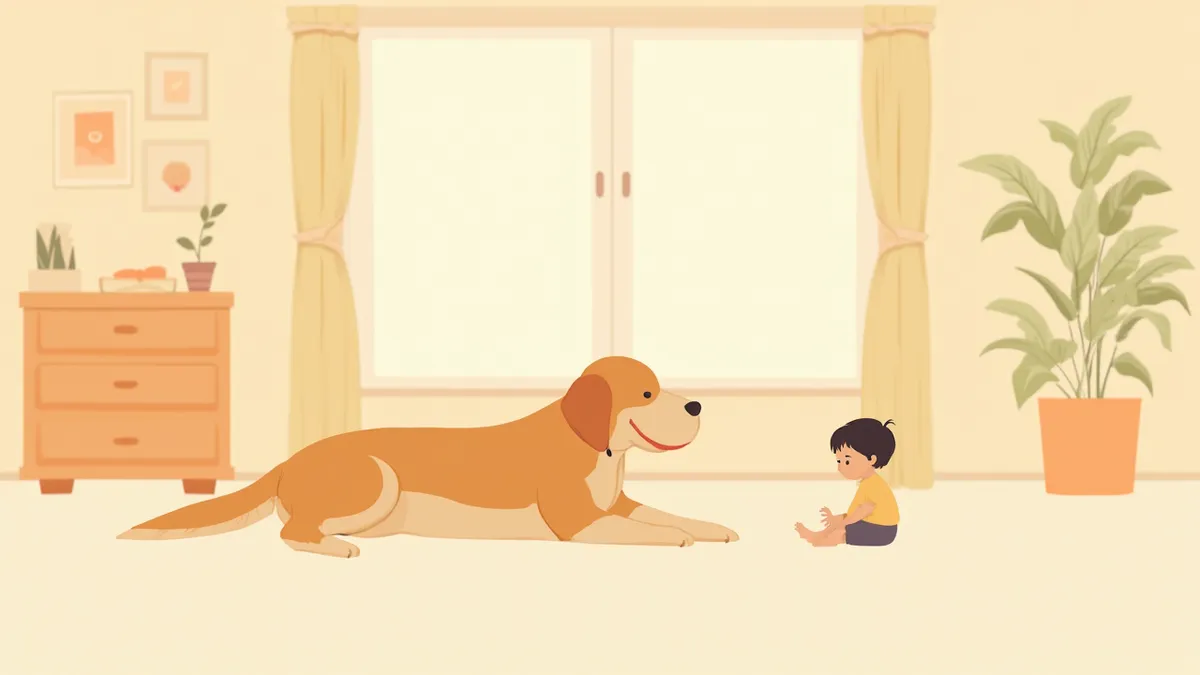
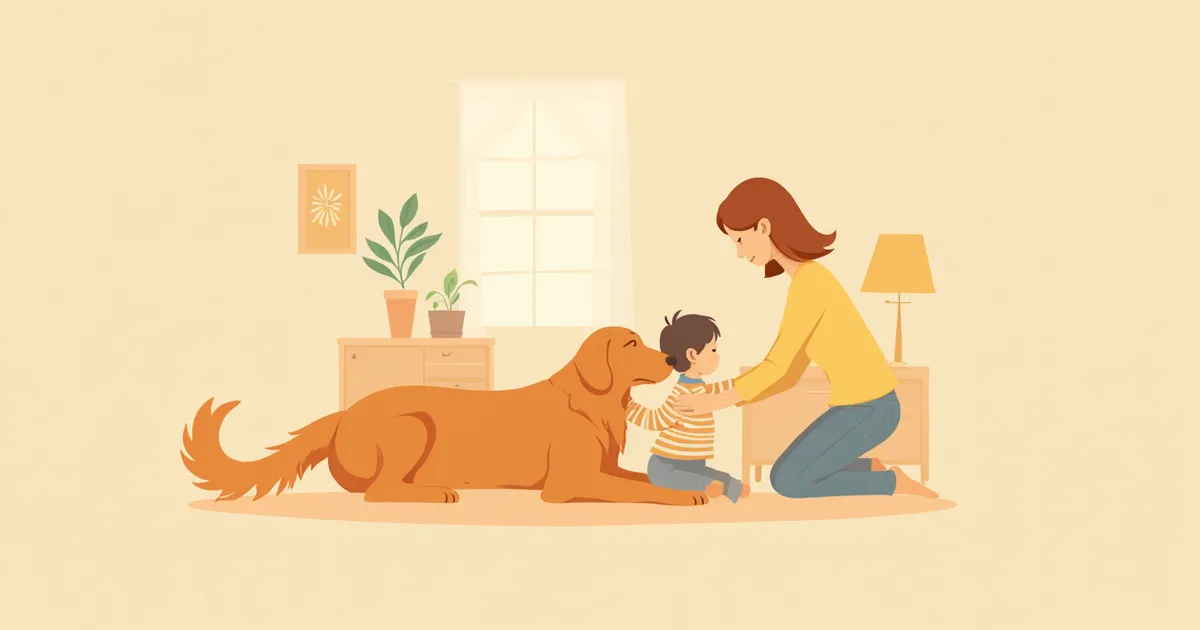
Children and puppies spending time together in the living room under parental supervision
The Child Pet Safety Guidelines are a set of rules for pet owners to follow to ensure that children aged 12 and under and their pets can safely share the same space. The most important rule is constant adult supervision. While the bond between children and pets is special, it’s also important to recognize the potential risks, such as bites and scratches. Accidents can happen even during everyday interactions with familiar family pets, so it’s crucial not to let your guard down just because you’re comfortable with the animal. The key is for adults to stay nearby, observe both the child and the pet, and create an environment where both are protected.

Why Are Safety Rules Needed Between Children and Pets?

Young children often struggle to accurately interpret animal body language. They may misinterpret a dog’s growling or lowered posture as an invitation to play, and they might not notice when a cat flattens its ears or dilates its pupils to signal discomfort. Because children are smaller, they tend to interact with pets at close range, face-to-face. Driven by curiosity, they may pull on fur, ears, or tails or handle the animal roughly, which can lead to unexpected accidents. From the pet’s perspective, sudden noises, movements, or tight hugs can be stressful, and forced contact may trigger defensive behaviors as the animal tries to protect itself.

Age-Based Interaction Guide (At a Glance)

The way children safely interact with pets changes depending on their developmental stage. Refer to the table below and apply the rules appropriate for your child’s age.

Age-Based Pet Interaction Guide for Children

Item0–2 years (infants)3–6 years (toddlers)7–12 years (school age)
Supervision levelNever alone, not even for a secondAlways with an adultWithin an adult's line of sight
Allowed behaviorsOnly watching from a distanceSitting quietly beside, gentle pettingAssisting with walks, giving treats, brushing
Behaviors to watch forCrawling over to touch, grabbing the tailHugging, climbing on, disturbing during mealsWalking alone, approaching unfamiliar dogs
Teaching pointsParents model behaviorLearning animal signals through picture booksTeaching how to respond to emergencies

Adjust flexibly according to the child's personality and the pet's temperament

7 Key Safety Rules to Follow

Respect mealtime: Never approach your pet while they are eating or chewing treats.
Do not wake a sleeping animal: Sudden awakening can startle them, potentially triggering a defensive bite.
Avoid putting your face close: Kissing or rubbing noses carries risks of both bites and zoonotic diseases.
Do not grab tails or ears: Pulling fur, ears, or tails causes pain and discomfort, which may provoke a defensive reaction.
Do not invade hiding spots: Cages, beds, and hiding places are safe spaces for animals; never force them out.
Do not chase: Chasing a fleeing animal stimulates their hunting instincts.
Avoid loud noises and sudden movements: Cats, in particular, are highly sensitive to abrupt sounds and movements.
An illustration showing seven safety rules for children to follow when interacting with pets.

Separate Immediately If You See These Signs

If your pet displays any of the following warning signs, immediately separate your child from the animal and provide the pet with a safe space. In dogs, these signs include lip-licking or raising the lips to expose the teeth, growling, showing the whites of the eyes (whale eye), a stiffened body, and a rigid tail. In cats, watch for ears flattened back against the head, rapid tail twitching or lashing, dilated pupils, and an arched back. Ignoring these signals and continuing to approach can very likely result in bites or scratches.

Hygiene Management: Preventing Zoonotic Diseases
Children have weaker immune systems than adults, making them more vulnerable to zoonotic diseases.
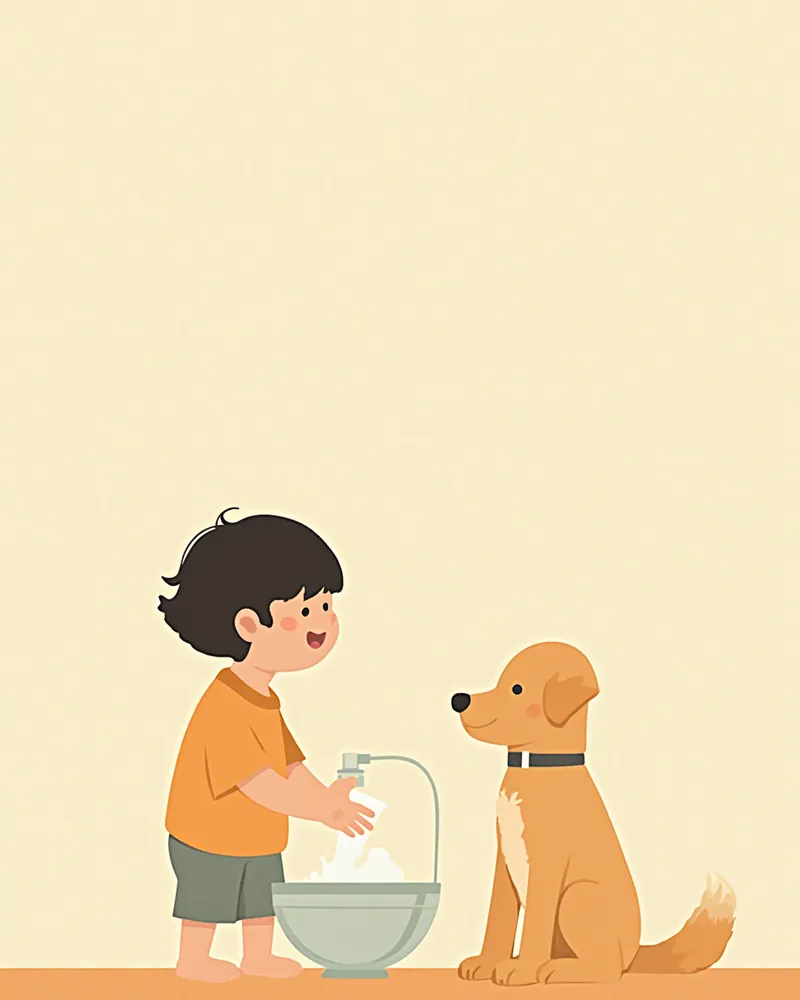
Handwashing: Wash hands with soap for at least 30 seconds after handling pets, before meals, and after using the restroom.
Avoid contact with feces and urine: Adults should always handle pet waste.
Parasite prevention: Roundworms and hookworms can cause ocular and visceral larva migrans in children. Regular deworming is essential.
Vaccination management: Ensure your pet receives rabies and other infectious disease vaccines on schedule.
Immediate wound disinfection: Clean even minor wounds with running water, disinfect, and seek veterinary care.
A child washing their hands after petting their pet.

If a Bite or Scratch Occurs

Stay calm and follow these steps if an accident occurs. First, wash the wound with running water and soap for at least five minutes. If there is bleeding, apply pressure with clean gauze to stop it. Seek immediate veterinary care if the wound is deep or located on the face or joints, as sutures may be required. If bitten by an animal with an unclear rabies vaccination history, emergency treatment within 24 hours is essential. Reassess your pet for signs of stress, and if accidents recur, consult a veterinary behavior specialist.

If You Are Welcoming a New Baby

It’s a good idea to prepare your pet for the changes before the baby arrives. Set up a designated area in the baby’s room where your pet can go, and play recordings of a baby crying to help them get used to the sound. Let your pet sniff the baby’s clothes and lotion beforehand, and have other family members spend time with the pet before the parent brings the baby home. During the adjustment period, keep your pet’s feeding and walking routines as consistent as possible to minimize stress.

Reviewed by a veterinarian

Dr. Tony — Punnawat Phongkittirak

Dr. Tony — Punnawat Phongkittirak

Veterinarian

A veterinarian who majored in veterinary medicine at Khon Kaen University, Thailand, and completed the IVSA program at North Carolina State University in the United States. Drawing on clinical experience at animal hospitals, he works in the pet healthcare field and is dedicated to building a digital care environment that connects pet parents with veterinarians.

Frequently Asked Questions

Should I always take my child to the hospital if they are bitten by a dog?
Yes, we recommend veterinary care even for minor wounds. Bacteria in a dog’s mouth can cause deep tissue infections, and bites to the face, hands, or joints may result in scarring and functional impairment. First, thoroughly wash the wound with running water and soap. If the dog’s rabies vaccination history is unclear, seek immediate medical attention at a hospital or emergency room.
Is it safe to have a pet while pregnant?
That’s perfectly fine. For cats, to prevent toxoplasmosis infection, it’s best to have another family member handle litter box cleaning and wear gloves when doing garden work. Checking hygiene guidelines with your veterinarian or OB-GYN will help ensure safety.
What should I do if my child keeps being rough with our pet?
Instead of scolding, model gentle touch. Show your child how to pet the animal by stroking it yourself, then place your child’s hand over yours to practice together. Under adult supervision, teach a “touch” cue, play with wand or feather toys, and toss treats slightly behind the animal to encourage it to approach on its own.
I’m worried about my child’s allergies. Is it still a good idea to have a pet?
Allergic reactions to pets can vary from child to child. Based on the veterinary evidence provided, it is difficult to definitively conclude whether keeping a pet is advantageous for allergies. Therefore, if there is a family history of allergies or asthma, we recommend consulting a pediatrician or allergist for testing and establishing the pet interaction environment before making a decision. Even if you decide to keep a pet, regularly clean bedding and perform thorough cleaning to minimize exposure to allergens.
My cat keeps scratching my child. How can I stop this behavior?
Provide your cat with plenty of cat trees and hiding spots where they can retreat, and establish clear rules to keep children from invading these spaces. It’s important to avoid picking up or handling your cat without their consent, and regular nail trimming along with providing scratching posts can also help. If the behavior persists, consider consulting a veterinary behaviorist to evaluate potential underlying causes such as pain.

Share

Related Guides

References

[1] American Veterinary Medical Association, Dog Bite Prevention Guidelines, 2023

[2] Landsberg G, Hunthausen W, Ackerman L, Behavior Problems of the Dog and Cat, 4th Edition, 2024

[3] Veterinary Guide to Preventing Behavior Problems in Dogs and Cats, Chapter 12: Pets and Children

[4] CDC, Healthy Pets Healthy People: Children and Pets, 2023

This information is based on veterinary literature and does not replace diagnosis or treatment. Please consult a veterinarian for specific health concerns.

Metapet Co., Ltd. | CEO: Park Sung-yong | Business Reg. No. 417-88-02562 | Seoul, South Korea | Customer Center

Raising a Child and a Pet: Safety Rules to Prevent Bites | Meongsiljang