Like
Share
멍실장
고양이 예방접종 비용 총정리

A Complete Guide to Cat Vaccination Costs

ImmunityQ&AMeongsiljang Veterinary Advisory Board

We’ve compiled all the essential information every cat owner should know, including types of vaccines, vaccination schedules, and factors that can affect costs.

How Much Do Cat Vaccinations Cost?
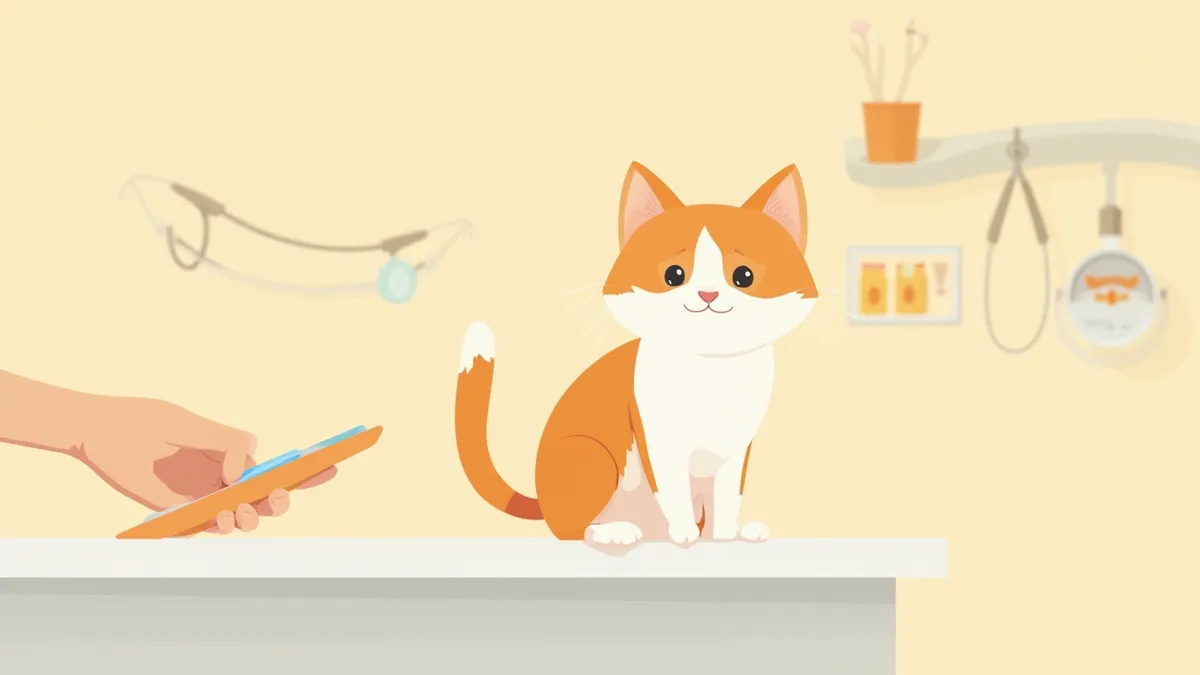
A cat sitting on the examination table at a veterinary clinic
Vaccination costs for cats vary depending on the type of vaccine, manufacturer, and clinic, making it an essential healthcare expense. According to international veterinary guidelines from organizations such as AAFP and WSAVA, kittens should receive their first vaccination at 6–8 weeks of age, with subsequent doses given every 3–4 weeks, completing the initial series by 16–20 weeks of age. After reaching adulthood, a booster shot is recommended one year after the final core vaccination, followed by revaccination with core vaccines at intervals not exceeding three years. Since exact costs differ by clinic, contacting your local veterinary hospital directly is the most reliable approach. This article provides a detailed overview of which vaccinations are necessary and the factors that influence their cost.

Core Vaccinations Required for All Cats

Feline vaccinations are divided into core vaccines, which are essential, and non-core vaccines, which are optional. Core vaccines are recommended for all cats, whether they live strictly indoors or go outdoors.
Panleukopenia: This is a highly fatal viral disease that causes severe vomiting, diarrhea, and dehydration. It is especially deadly for kittens.
Calicivirus: This virus causes oral ulcers and upper respiratory tract infections.
Herpesvirus: This is the primary virus responsible for feline upper respiratory infections, commonly known as "cat colds," and causes severe sneezing, nasal discharge, and conjunctivitis.
The combination of these three vaccines is commonly referred to as the "triple vaccine."

Kitten Vaccination Schedule

This is a basic vaccination schedule based on guidelines from the American Association of Feline Practitioners (AAFP) and the World Small Animal Veterinary Association (WSAVA).
Vaccination TimingVaccine DetailsNotes
6–8 weeksFirst combination vaccineStart of initial series (not recommended before 6 weeks)
10–12 weeksSecond combination vaccine3–4 weeks after the first dose
14–16 weeksThird combination vaccine3–4 weeks after the second dose
16–20 weeksFinal combination vaccineRecommended time to complete the primary series
After 16 weeksRabies vaccineAs recommended by your veterinarian
One year laterBooster vaccinationOne year after completing the primary series
The final combination vaccine is administered between 16 and 20 weeks of age because maternal antibodies received from the mother may still be present during this period, potentially interfering with the development of immunity from earlier vaccinations. For adult cats, boosters for core vaccines (such as the combination vaccine) are typically administered at intervals not exceeding three years, as determined by your veterinarian.

Non-Core Vaccinations Based on Lifestyle

In addition to core vaccinations, your veterinarian may recommend additional vaccines based on your cat’s age and living environment.
Feline Leukemia Virus (FeLV): According to the 2020 AAFP/AAHA guidelines, the FeLV vaccine is classified as a core vaccine for kittens and cats under one year of age, due to their heightened susceptibility at this stage. For adult cats, it is considered a non-core vaccine if they are strictly indoor-only and have low exposure risk. However, it is strongly recommended for outdoor cats or those in multi-cat households. Infection can severely compromise the immune system and is difficult to treat.
Chlamydia: This vaccine may be considered in multi-cat environments where conjunctivitis recurs.
Optional vaccines are not essential for all adult cats. The decision should be made in consultation with your veterinarian, taking into account your cat’s age, outdoor access, whether they live with other cats, and local disease prevalence. Keep in mind that adding optional vaccines will increase the overall vaccination cost.
Two cats living together indoors

Important Pre-Vaccination Checks

Vaccinations should only be administered when your cat is in good health. It’s safer to postpone vaccination if your cat is experiencing diarrhea, vomiting, loss of appetite, or any other signs of poor condition. For newly adopted cats, complete a health check-up and deworming treatment before starting vaccinations. Cats that are pregnant or taking immunosuppressive medications also require consultation with a veterinarian before vaccination.

Why Vaccination Costs Vary by Clinic

Even for the same vaccinations, costs can vary from one clinic to another.
Vaccine manufacturer: Imported and domestically produced vaccines fall into different price ranges. Even within the same vaccine type, prices differ depending on the manufacturer.
Clinic location: There may be differences in consultation fees between clinics in Seoul and the metropolitan area versus those in other regions.
Inclusion of a health check-up: If a basic health screening is performed before vaccination, additional costs will apply.
Combination vs. single-antigen vaccines: Combination vaccines that cover three diseases in one shot have a different pricing structure compared to individual vaccinations.
Calling two or three clinics to ask about their fees before vaccination can help you make a reasonable comparison.
A cat owner calling a veterinary clinic for inquiries

Ways to Reduce Vaccination Costs

If vaccination costs are a concern, consider these options:
Package vaccination programs: Some clinics offer discounted bundles for core kitten vaccinations.
Local government support programs: Certain municipalities provide subsidies for veterinary care or discounts tied to spaying/neutering. Check your local district or city government website for details.
Pet insurance: Some policies cover vaccination costs. Be sure to carefully compare coverage details before enrolling.
However, rather than choosing a clinic based solely on price, it is important to select one that provides comprehensive care, including monitoring for any adverse reactions after vaccination.

Post-Vaccination Care

After vaccination, mild side effects may occur. Most resolve within 1–2 days, but knowing what to expect can help ease your concerns.
Loss of appetite: Your pet may eat less on the day of vaccination. Try encouraging them with their favorite treats.
Swelling at the injection site: The area may become slightly swollen. This usually subsides within a few days.
Mild lethargy: Your pet may be quieter and rest more than usual for about a day.
If vomiting, diarrhea, facial swelling, or difficulty breathing persist beyond 2–3 days after vaccination, please visit your veterinarian immediately.
A cat resting comfortably at home after vaccination.

Risks of Delaying or Skipping Vaccinations

Delaying or skipping vaccinations increases the risk of contracting infectious diseases such as feline panleukopenia and calicivirus. Kittens are especially vulnerable during the period when maternal antibodies inherited from their mother wane. Feline panleukopenia has a very high mortality rate, and treatment costs can far exceed vaccination expenses. Please ensure your cat receives vaccinations on schedule.

Reviewed by a veterinarian

Dr. Tony — Punnawat Phongkittirak

Dr. Tony — Punnawat Phongkittirak

Veterinarian

A veterinarian who majored in veterinary medicine at Khon Kaen University, Thailand, and completed the IVSA program at North Carolina State University in the United States. Drawing on clinical experience at animal hospitals, he works in the pet healthcare field and is dedicated to building a digital care environment that connects pet parents with veterinarians.

Frequently Asked Questions

Do indoor cats also need vaccinations?
Yes, indoor cats also need their core vaccinations. Viruses can be brought in on your clothes or shoes, and there’s a risk of infection if your cat escapes or visits the vet.
How many vet visits are needed to complete a kitten’s core vaccination series?
Core vaccinations are typically administered at 3- to 4-week intervals, with the final combination vaccine recommended for completion between 16 and 20 weeks of age. Depending on the starting age, this requires three to four visits, and when including the rabies vaccination, a minimum of four visits is necessary. Each visit also provides an opportunity to check your pet’s overall health status.
How often should adult cats receive booster vaccinations?
For adult cats that have completed their initial vaccination series, international veterinary guidelines from organizations such as the AAFP and WSAVA recommend administering a booster shot one year later, followed by core vaccines (such as the combination vaccine) at intervals not exceeding three years. Your veterinarian may adjust the schedule individually based on the type of vaccine, your cat’s health status, and living environment.
When is it safe to bathe my pet after vaccination?
Right after vaccination, your cat’s immune system is actively responding, so it’s important to minimize stress and allow plenty of rest. The timing for resuming baths can vary depending on how well your cat has recovered, so consulting with your veterinarian is the safest approach.
Do I really need to get a vaccination certificate?
Yes, be sure to keep your pet’s vaccination records. Many boarding facilities, grooming salons, and cat cafés require proof of vaccination. Most veterinary clinics provide either a physical vaccination booklet or digital records.

Share

Related Guides

References

[1] Scherk MA, Ford RB, Gaskell RM, et al. 2013 AAFP Feline Vaccination Advisory Panel Report. J Feline Med Surg. 2013;15(9):785-808.

[2] Clinical Medicine of the Dog and Cat, 4th Ed — Chapter 21: Infectious Diseases and Vaccination

[3] The Cat, Clinical Medicine and Management, 2nd Edition — Chapter 8: Preventive Healthcare

[4] Day MJ, Horzinek MC, Schultz RD, et al. WSAVA Guidelines for the Vaccination of Dogs and Cats. J Small Anim Pract. 2016;57(1):E1-E45.

This information is based on veterinary literature and does not replace diagnosis or treatment. Please consult a veterinarian for specific health concerns.

Metapet Co., Ltd. | CEO: Park Sung-yong | Business Reg. No. 417-88-02562 | Seoul, South Korea | Customer Center

Cat Vaccination Costs: A Complete Guide | Meongsiljang