Like
Share
멍실장
강아지 사구체신염 자주 묻는 질문 Q&A — 보호자가 꼭 알아야 할 핵심

Canine Glomerulonephritis: Is Proteinuria the First Sign? — A Complete Guide to Symptoms, Treatment, and Prognosis

KidneyQ&AMeongsiljang Veterinary Advisory Board

Canine glomerulonephritis is a condition in which damage to the kidney’s glomeruli allows protein to leak into the urine. Early detection and proper management are essential.

What is Canine Glomerululonephritis?
An explanation of the glomerular structure in a dog's kidney
Canine glomerulonephritis is a condition in which damage to the kidney’s glomeruli causes protein to leak into the urine. When immune complexes deposit in the glomeruli, an inflammatory response occurs, increasing the permeability of the filtration membrane and allowing protein to escape into the urine. Over time, this can lead to glomerulosclerosis and long-term decline in kidney function. In the early stages, symptoms are often minimal, and the condition is frequently discovered incidentally through routine urinalysis in otherwise healthy dogs. - Proteinuria: The presence of protein in the urine is the most characteristic sign. - Edema: Loss of protein can lower blood albumin levels (nephrotic syndrome), potentially causing swelling in the eyelids or abdomen. - Weight loss: As protein is lost through the urine and appetite decreases, weight loss is common. Regular urinalysis is important for early diagnosis. If you notice even mild symptoms, seek veterinary care immediately.

What are the Main Causes of Glomerulonephritis?

The causes of glomerulonephritis are varied. - Infection: Viral or bacterial infections can form immune complexes that subsequently damage the glomeruli (e.g., infective endocarditis of the heart valves). - Autoimmune disease: Immune complexes produced by the immune system deposit in the glomerular filtration membrane, causing inflammation and leading to the condition. - Genetic predisposition: Hereditary glomerulopathies have been reported in breeds such as Samoyeds, Dalmatians, Bull Terriers, English Cocker Spaniels, and Brittany Spaniels. - Drug reactions: The condition may also develop after administration of certain medications. Accurately identifying the underlying cause is key to treatment. Your veterinarian will analyze the cause through blood tests, urinalysis, and other diagnostic procedures.
An explanation of the main causes of glomerulonephritis

What are the Main Symptoms of Glomerulonephritis?

The main symptoms of glomerulonephritis include proteinuria, edema, weight loss, decreased appetite, and fatigue. - Edema: When albumin levels drop due to protein loss, swelling may occur in the eyelids or abdomen. - Changes in urination: Increased urine output and excessive drinking (polyuria/polydipsia, PU/PD) may develop. - Decreased appetite: Your pet may eat less or refuse food altogether. - Weight loss: Weight loss often results from the combination of reduced appetite and protein loss. - Fatigue: Activity levels decrease, and your pet may rest more frequently. If you notice even mild symptoms, seek veterinary care immediately. Early detection is the first step toward effective long-term management.
Edema symptoms caused by glomerulonephritis

Signs Requiring Immediate Veterinary Visit

If your pet refuses to eat for more than 24 hours, experiences repeated vomiting, has rapid breathing, or appears disoriented, seek veterinary care immediately. These are signs of a sudden and severe decline in kidney function. Delaying treatment can be life-threatening.

Stage-by-Stage Symptoms and Management of Glomerulonephritis

ItemMain symptomsMain testsTreatment direction
MildSlight protein in the urineBlood test, urine testDietary management, observation
ModerateEdema, weight lossUrine protein/creatinine ratio (UPC), kidney ultrasoundStart medication, specialized management
SevereVomiting, decreased consciousness, difficulty breathingBlood test, kidney biopsyHospitalized treatment, use of immunosuppressants

Because the treatment approach differs by stage, an accurate diagnosis is essential.

How is Glomerulonephritis Diagnosed?
Glomerulonephritis is accurately diagnosed through a combination of several tests. - Urinalysis: A basic test to check for proteinuria. - Blood tests: To evaluate kidney function markers. - Renal ultrasound: To assess kidney size and structure. - Biopsy: Sometimes necessary to clearly identify the underlying cause. Multiple tests are performed together to ensure an accurate diagnosis, allowing the veterinarian to make a comprehensive assessment of your pet’s overall condition. Early diagnosis plays a crucial role in effective treatment.
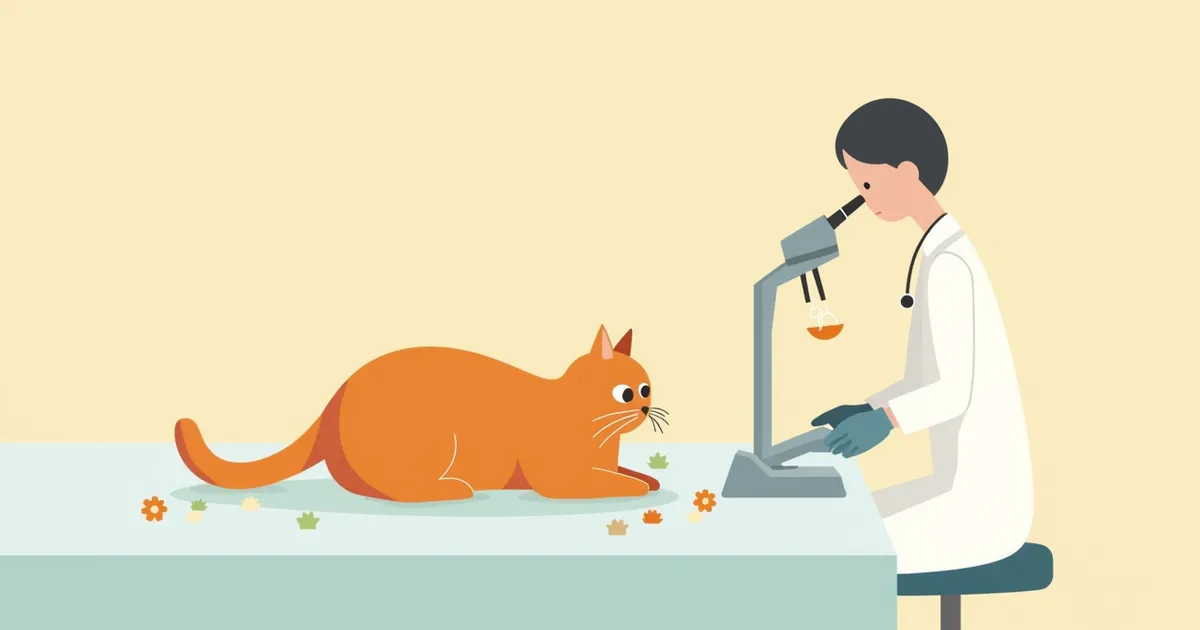
A scene showing a urine test for diagnosing glomerulonephritis

What are the Treatment Methods for Glomerulonephritis?
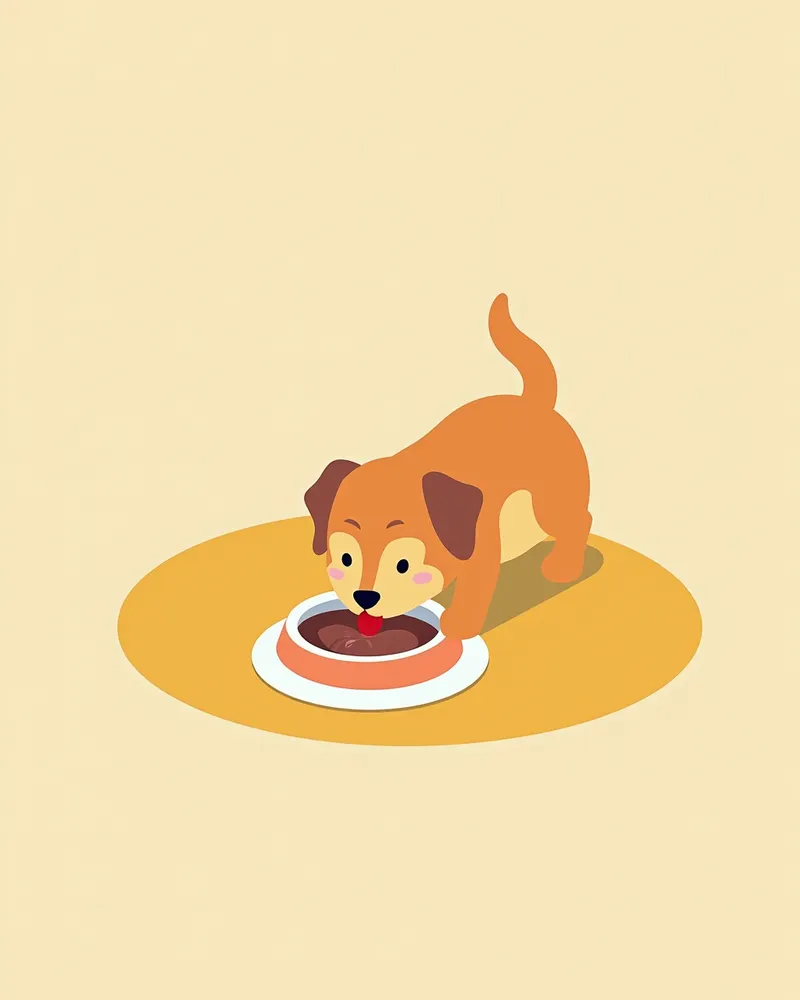
Treatment depends on the underlying cause. - Infectious cause: Treating the underlying infection with antibiotics can reduce circulating immune complexes and lead to improvement. - Autoimmune response: Immunosuppressive medications (e.g., prednisolone, mycophenolate) are used to suppress the immune response. - Dietary management: A veterinarian will adjust the diet based on your pet’s weight and health status to reduce the burden on the kidneys. - Fluid management: It is important to maintain adequate hydration to prevent dehydration. Treatment is long-term, and regular check-ups are essential. Close collaboration with your veterinarian is key.
Provide a specialized diet for treating glomerulonephritis.

Key Points Owners Must Know for Managing Glomerulonephritis

Glomerulonephritis can be a chronic condition that is difficult to cure completely. - Regular check-ups: Consistent blood and urine tests are essential. - Medication: Strictly adhere to the prescribed dosage and timing. - Dietary logs: Carefully record food intake and water consumption. - Symptom monitoring: Promptly check for swelling, changes in appetite, or decreased activity levels. - Communication with your veterinarian: Report any changes in symptoms immediately. Consistent attention from pet owners is key to long-term management.
Daily Record Notebook for Managing Glomerulonephritis

Precautions: Things to Watch Out for While on Medication

Dogs taking immunosuppressants are highly susceptible to infections. Avoid contact with other dogs when going out, and consult your veterinarian before deciding on vaccinations. Report any changes in symptoms promptly while on medication.

Reviewed by a veterinarian

Dr. Tony — Punnawat Phongkittirak

Dr. Tony — Punnawat Phongkittirak

Veterinarian

A veterinarian who majored in veterinary medicine at Khon Kaen University, Thailand, and completed the IVSA program at North Carolina State University in the United States. Drawing on clinical experience at animal hospitals, he works in the pet healthcare field and is dedicated to building a digital care environment that connects pet parents with veterinarians.

Frequently Asked Questions

Is glomerulonephritis treatable?
The likelihood of recovery depends on the underlying cause. If the condition is due to an infection or a medication, removing the trigger can lead to full recovery. Autoimmune cases, however, require long-term management.
Can glomerulonephritis be genetic?
Yes, certain breeds have a higher genetic predisposition. Hereditary glomerulonephritis has been reported in Samoyeds, Dalmatians, Bull Terriers, English Cocker Spaniels, and Brittany Spaniels.
Does glomerulonephritis require lifelong medication?
It depends on the treatment goals. Some cases can be cured with short-term treatment, but if the condition has become chronic, long-term medication may be necessary.
Can glomerulonephritis be fatal?
In severe cases, kidney failure can be life-threatening. Early diagnosis and consistent management improve survival rates.
Does glomerulonephritis mean I can’t let my pet go for walks?
Walking is possible. However, if symptoms are severe, it's important to adjust the level of activity and follow your veterinarian's guidance on exercise.

Share

Related Guides

References

[1] Kirk CA, et al. (2020) Veterinary Internal Medicine: A Textbook of Small Animal Medicine. 3rd ed. Elsevier.

[2] Liu Y, et al. (2018) Glomerular diseases in dogs: A review of pathogenesis and clinical management. Journal of Veterinary Internal Medicine, 32(4), 1234–1245.

[3] Plumb's Veterinary Drug Handbook, 9th ed. (2021). Wiley-Blackwell.

This information is based on veterinary literature and does not replace diagnosis or treatment. Please consult a veterinarian for specific health concerns.

Metapet Co., Ltd. | CEO: Park Sung-yong | Business Reg. No. 417-88-02562 | Seoul, South Korea | Customer Center

Canine Glomerulonephritis: Is Proteinuria the First Sign? | Meongsiljang