Like
Share
멍실장
고양이 세균성 폐렴 자주 묻는 질문 Q&A — 보호자가 꼭 알아야 할 핵심

Frequently Asked Questions About Feline Bacterial Pneumonia — Key Information Every Pet Owner Should Know

RespiratoryQ&AMeongsiljang Veterinary Advisory Board

Feline bacterial pneumonia is a condition where early detection can save lives. We’ve compiled the essential questions and answers every pet owner should know.

What Is Feline Bacterial Pneumonia?

A cat coughing and appearing uncomfortable, with the owner looking worried.
Bacterial pneumonia in cats is a serious form of respiratory infection caused by bacterial invasion and subsequent inflammation of the lower airways and alveoli. - Bacterial infection: Common pathogens in cats include Mycoplasma, Pasteurella, Streptococcus, and anaerobic bacteria, while Stenotrophomonas, Bordetella, and Chlamydia felis can also be causative agents. - Inflammatory response: Inflammation in the alveoli impairs oxygen exchange, leading to rapid, shallow breathing and respiratory distress. - Early detection is key: Visit the clinic promptly if even mild symptoms appear. - Frequent secondary infections: This condition rarely occurs in isolation and often develops alongside upper respiratory infections. - Risk with compromised immunity: The risk of developing bacterial pneumonia increases in cats with underlying conditions such as diabetes mellitus or hyperadrenocorticism, or those with weakened immune systems.

Why Do Cats Get Bacterial Pneumonia?

The primary cause of bacterial pneumonia in cats is a secondary bacterial infection following a viral upper respiratory infection. - Preceding viral infection: Herpesvirus (FHV-1) or calicivirus first attacks the respiratory tract, weakening its defenses. - Compromised defense mechanisms: Factors that disrupt normal defense mechanisms, such as aspiration of food (aspiration) or swallowing and esophageal disorders, pose a risk. - Immunosuppression: Causes include diabetes mellitus, hyperadrenocorticism, immunodeficiency, and advanced age. - Routes of infection: Pathogens commonly associated with the upper respiratory tract, such as Mycoplasma and Chlamydia felis, are involved. - Prevention is key: Vaccination against herpesvirus and calicivirus, along with maintaining a clean environment, can help prevent infection.
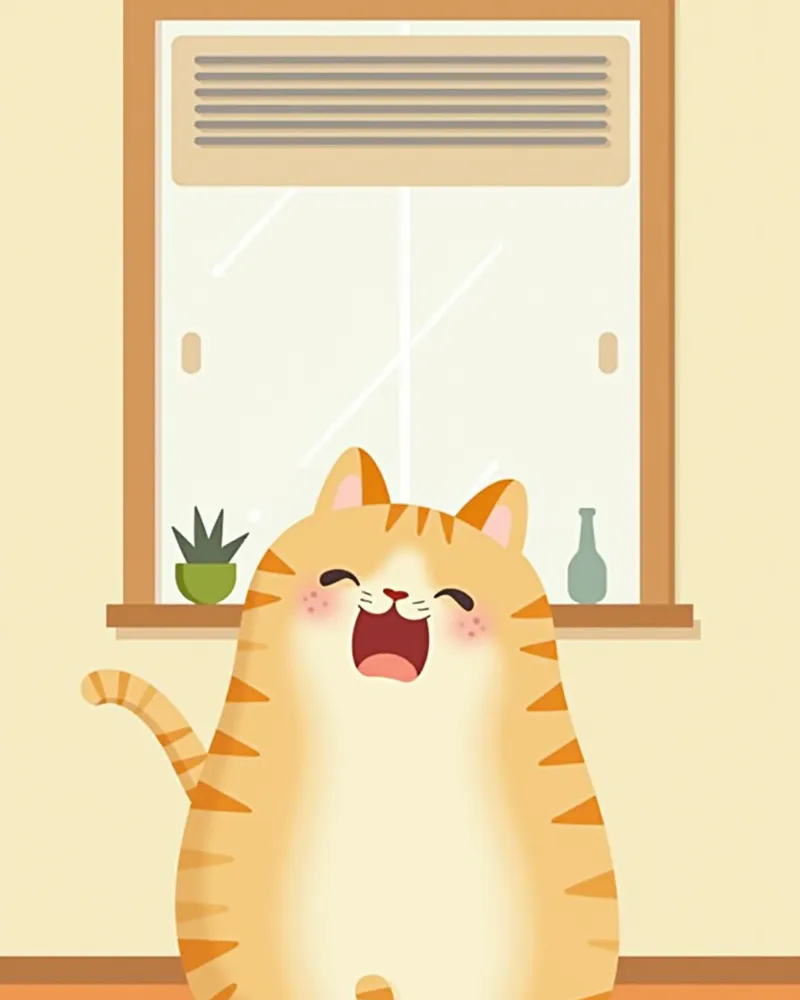
A cat exposed to air conditioning, showing signs of a cold

What Are the Main Symptoms of Bacterial Pneumonia?

Common symptoms of bacterial pneumonia in cats include coughing, difficulty breathing, loss of appetite, and lethargy. - Coughing: This is especially common in kittens, while it may be less pronounced in adult cats. - Difficulty breathing: Your cat may breathe rapidly and shallowly, pant, or show increased effort when breathing. - Fever: Body temperature may rise, but many cats with bacterial pneumonia do not develop a fever. - Loss of appetite: Your cat may eat less and experience weight loss. - Lethargy: Your cat may appear weak, inactive, and uninterested in its surroundings. - Nasal discharge: If an upper respiratory infection is present, yellow or purulent nasal discharge may also occur. If symptoms persist, immediate veterinary care is necessary.
A cat with a runny nose, coughing

Signs That Require Immediate Veterinary Care

If your pet is panting heavily, foaming at the mouth, has a bluish tint to its gums, or is coughing severely and appears to be in critical condition, you should seek immediate veterinary care.

How Is It Diagnosed?
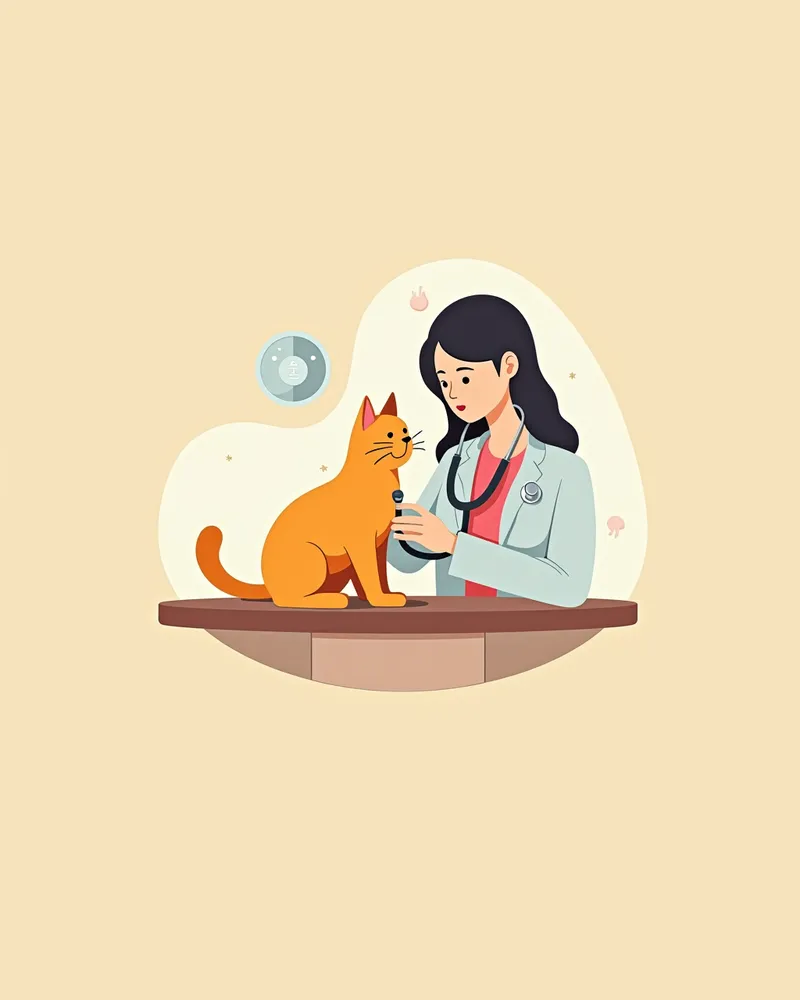
Veterinarians diagnose bacterial pneumonia in cats by combining the results of several tests. - Physical examination and auscultation: Rough sounds or crackles heard in the lungs raise suspicion, but abnormal findings do not always occur. - Thoracic radiographs (X-rays): Essential for diagnosis, these often reveal alveolar opacities in the ventral (front-lower) lung regions. Cats can exhibit a variety of radiographic patterns. - Blood tests: Inflammation may be evident, but results can be normal or mild in mild cases, while severe cases may show leukopenia (low white blood cell count). - Airway sample collection and culture: Analyzing and culturing airway samples, such as bronchoalveolar lavage fluid, helps identify the specific bacteria involved. - FeLV/FIV testing: Cats with pneumonia may be tested for viral infections. Early diagnosis aids in treatment.
A veterinarian examining a cat's lungs.

What Are the Treatment Options?

Treating bacterial pneumonia in cats centers on administering antibiotics. - Antibiotic administration: Your veterinarian will prescribe antibiotics tailored to the causative bacteria. While awaiting culture results, empirical treatment with broad-spectrum antibiotics is initiated. Although a 4- to 6-week course is commonly recommended, there is no clear evidence supporting this duration; therefore, follow-up testing determines the appropriate treatment length. - Hospitalization and injectable therapy: Severe cases requiring hospitalization are treated with injectable antibiotics, which are switched to oral medications once the cat stabilizes. - Fluid therapy: Intravenous fluids are administered to prevent dehydration, with fluid status monitored frequently. - Respiratory support: Oxygen therapy is provided if supplemental oxygen is needed. - Regular rechecks: Vital signs such as weight, respiratory rate, and body temperature are monitored regularly throughout treatment. Because cats may respond less robustly to antibiotics than dogs, it is crucial to complete the full course of therapy.
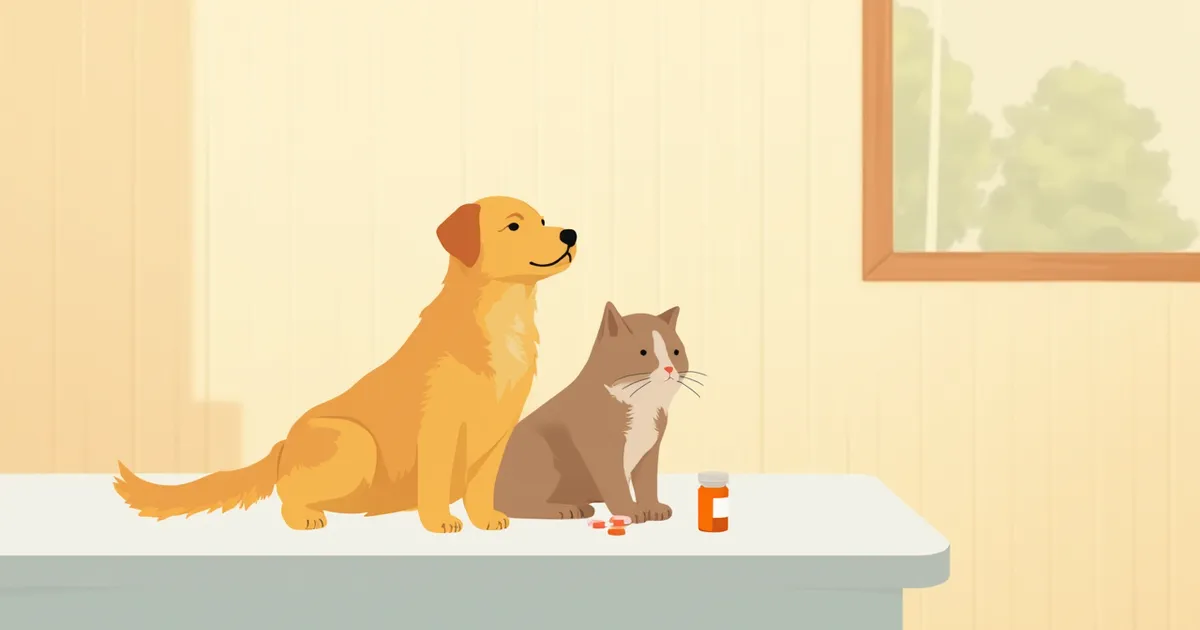
A veterinarian administering medication to a cat.

Home Care Management

There are several things you can do at home to help your cat recover from bacterial pneumonia. - Maintain a warm environment: Keep the indoor temperature between 20 and 24 degrees Celsius. - Ensure adequate hydration: Change the water frequently and offer moisture-rich foods. - Provide ample rest: Limit movement and allow your cat to rest in a quiet space. - Adhere to medication schedules: Administer medications exactly as prescribed and on time. - Keep the environment clean: Clean food bowls, water bowls, and litter boxes daily. - Monitor closely: Record your cat’s breathing, appetite, and activity levels each day. Contact your veterinarian immediately if you notice any abnormal signs before your next scheduled visit.
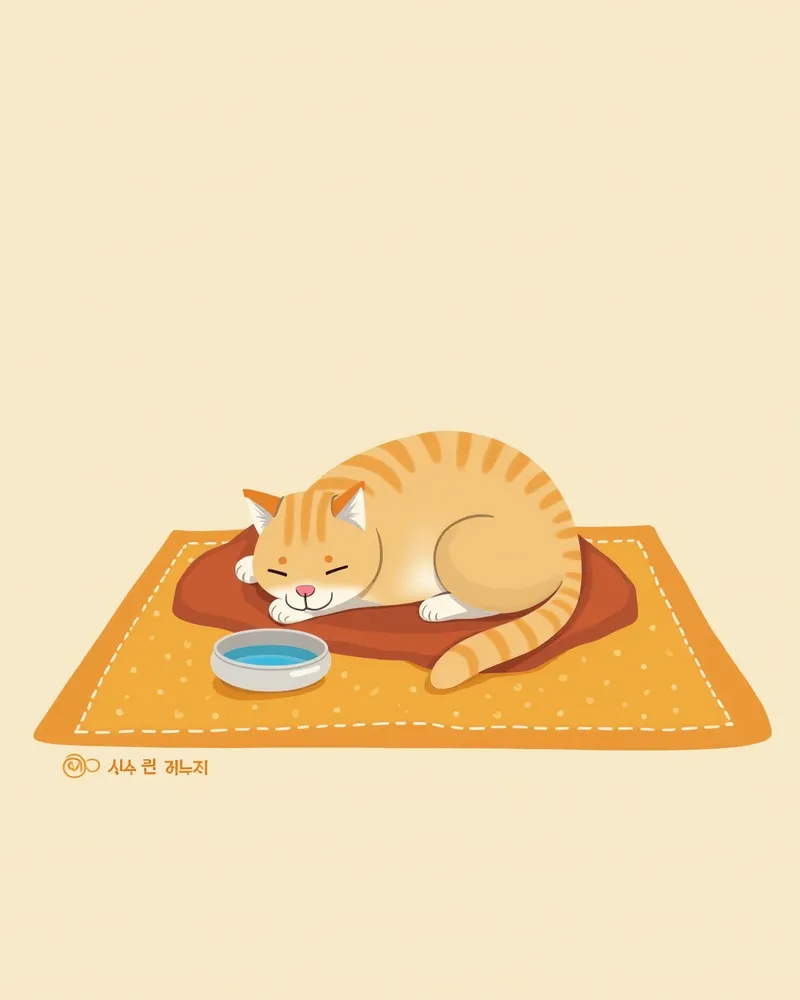
A cat lying on a warm blanket, next to a water bottle

Comparison of Pneumonia Severity by Symptoms

ItemMildModerateSevere
Cough frequencyOccasionalRepeatedPersistent
Shortness of breathNoneMildSevere
AppetiteNormalDecreasedNone at all
FeverNormal or no elevationSlightly elevatedHigh fever possible

The higher the severity, the more an immediate hospital visit is needed.

Reviewed by a veterinarian

Dr. Tony — Punnawat Phongkittirak

Dr. Tony — Punnawat Phongkittirak

Veterinarian

A veterinarian who majored in veterinary medicine at Khon Kaen University, Thailand, and completed the IVSA program at North Carolina State University in the United States. Drawing on clinical experience at animal hospitals, he works in the pet healthcare field and is dedicated to building a digital care environment that connects pet parents with veterinarians.

Frequently Asked Questions

If your cat is coughing, could it be pneumonia?
Coughing can be an early sign of pneumonia, but it may also occur due to various other causes such as upper respiratory infections, bronchitis, or asthma. If the symptoms persist, it is essential to have your pet examined by a veterinarian.
Is bacterial pneumonia treatable?
With appropriate antibiotic treatment, most cases improve, but cats may respond less well to antibiotics than dogs. Delaying treatment can lead to complications, so early veterinary care is essential.
Can it be prevented?
Vaccination, boosting immunity, maintaining a well-ventilated environment, and reducing stress can help prevent the condition. Special care should be taken for senior cats or those with underlying health issues.
Can a cat get pneumonia again after recovering from it?
Relapses are more likely in pets with weakened immune systems or underlying health conditions. Regular check-ups and proper environmental management can help reduce the risk of recurrence.
Giving medicine at home can be challenging. What should I do?
Mixing the medication with food or using treats designed for administering medicine can be helpful. Consult your veterinarian for assistance or advice on the best way to give your pet their medication.

Share

Related Guides

References

[1] The Cat, Clinical Medicine and Management, 2nd Edition, 2020

[2] Textbook of Respiratory Disease in Dogs and Cats, 2018

[3] Small Animal Critical Care Medicine, 3rd Ed, 2021

This information is based on veterinary literature and does not replace diagnosis or treatment. Please consult a veterinarian for specific health concerns.

Metapet Co., Ltd. | CEO: Park Sung-yong | Business Reg. No. 417-88-02562 | Seoul, South Korea | Customer Center

Feline Bacterial Pneumonia: 5 Frequently Asked Questions | Meongsiljang