Like
Share
멍실장
고양이 바이러스성 상부호흡기감염 자주 묻는 질문 Q&A — 보호자가 꼭 알아야 할 핵심

Feline Viral Upper Respiratory Infections FAQ — Key Information Every Owner Must Know

RespiratoryQ&AMeongsiljang Veterinary Advisory Board

Feline viral upper respiratory infections are contagious diseases primarily caused by FHV-1 and FCV viruses, presenting symptoms such as nasal discharge, coughing, and tearing. Early intervention is crucial.

What are feline viral upper respiratory infections?

A cat showing symptoms of a runny nose and red eyes.
Feline viral upper respiratory infections are contagious diseases primarily caused by the FHV-1 and FCV viruses. This condition triggers a variety of symptoms, including nasal discharge, coughing, tearing, ocular redness, and oral ulcers, and spreads rapidly through airborne droplets or contaminated objects. The risk is particularly high in environments where multiple cats live together, such as shelters or breeding facilities. Even after recovery, cats may remain long-term carriers of the virus, which can lead to reinfection or chronic symptoms. Early detection and isolation are key to effective treatment. If symptoms appear, consult your veterinarian immediately.

What are the main causes?

The primary causes of feline viral upper respiratory infections are FHV-1 (feline herpesvirus-1, also known as feline rhinotracheitis virus) and FCV (feline calicivirus). These two viruses account for the majority of infectious upper respiratory diseases in cats. Transmission occurs through contact with acutely infected cats, exposure to pathogens lingering in the environment, and contact with carrier cats. Contaminated objects such as food bowls, toys, and cat trees can also serve as transmission routes. Symptoms tend to be more severe and complications more likely in kittens, senior cats, and immunocompromised individuals. Even after recovery, the virus may persist in the body long-term, posing a risk of recurrence. Vaccines have been widely used for over 30 years and remain a key measure for reducing infection risk and alleviating symptoms. Early diagnosis and appropriate management are essential.
How the virus spreads from a cat’s runny nose to around its mouth

What are the main symptoms?

The main symptoms of feline viral upper respiratory infection include nasal discharge, coughing, tearing, red eyes, oral ulcers, decreased appetite, and lethargy. In some cases, fever or difficulty breathing may also occur, and symptoms can last for about one to two weeks. Signs that owners often overlook are increased sleepiness or a reduced interest in food. If left untreated, the condition can lead to complications such as pneumonia or conjunctivitis. Early intervention significantly impacts the speed of recovery. If symptoms persist, immediate veterinary care is necessary.
Your cat is experiencing a runny nose and watery eyes.

Signs requiring immediate veterinary visit

Immediate veterinary care is required if your pet is experiencing difficulty breathing, foaming at the mouth, has had no appetite for more than 24 hours, has a sustained high fever (above 40°C), or has eyes that are completely closed and cannot be seen. These may be signs of pneumonia or severe complications. In severe cases, dyspnea (difficulty breathing) can occur, making early treatment essential. In particular, if the fever persistently exceeds 40°C or the cat shows signs of dyspnea, do not delay and seek prompt veterinary attention.

How is the diagnosis made?
A veterinarian’s clinical examination and symptom-based assessment come first. Confirmation is then made through blood tests, respiratory secretion analysis, and viral antigen testing. In particular, PCR-based genetic testing for FHV-1 and FCV helps accurately determine infection status. Diagnosis proceeds alongside symptom evaluation, and differentiating from other conditions is crucial. Some cases are easily confused with other diseases that present similar symptoms, making accurate testing essential. Early diagnosis is critical to improving treatment outcomes.
A veterinarian examining a cat for nasal discharge.

What are the treatment methods?

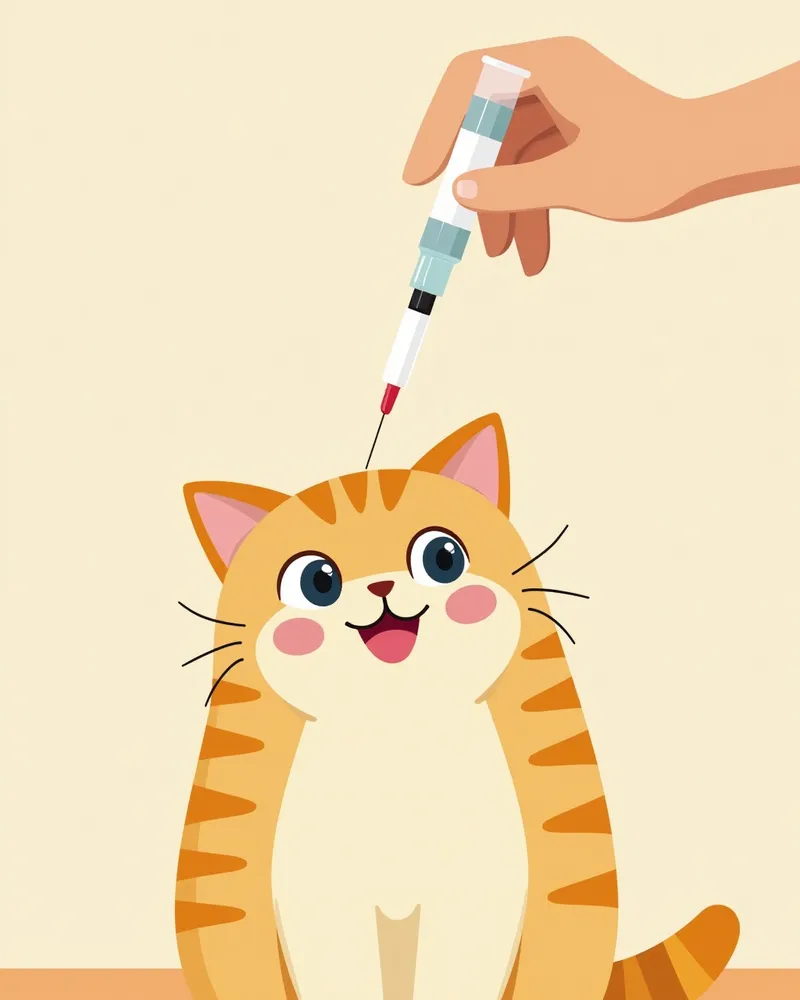
Treatment focuses on supportive care to relieve symptoms. The antiviral drug famciclovir (e.g., 90 mg/kg orally, twice daily) has been reported to help reduce symptom severity in FHV-1 infections, although its efficacy in acute upper respiratory infections still requires further research. Antibiotics (e.g., doxycycline) are used to prevent secondary bacterial infections, along with eye drops or ointments for ocular issues, fluid and electrolyte supplementation, and nutritional support. Keeping the environment warm and increasing humidity through steam inhalation can also be helpful. Most cats recover within one to two weeks, but the condition may persist longer in immunocompromised cats. Administer medications exactly as directed by your veterinarian and closely monitor your cat’s condition throughout treatment.
A veterinarian administering medication to a cat

Home care points

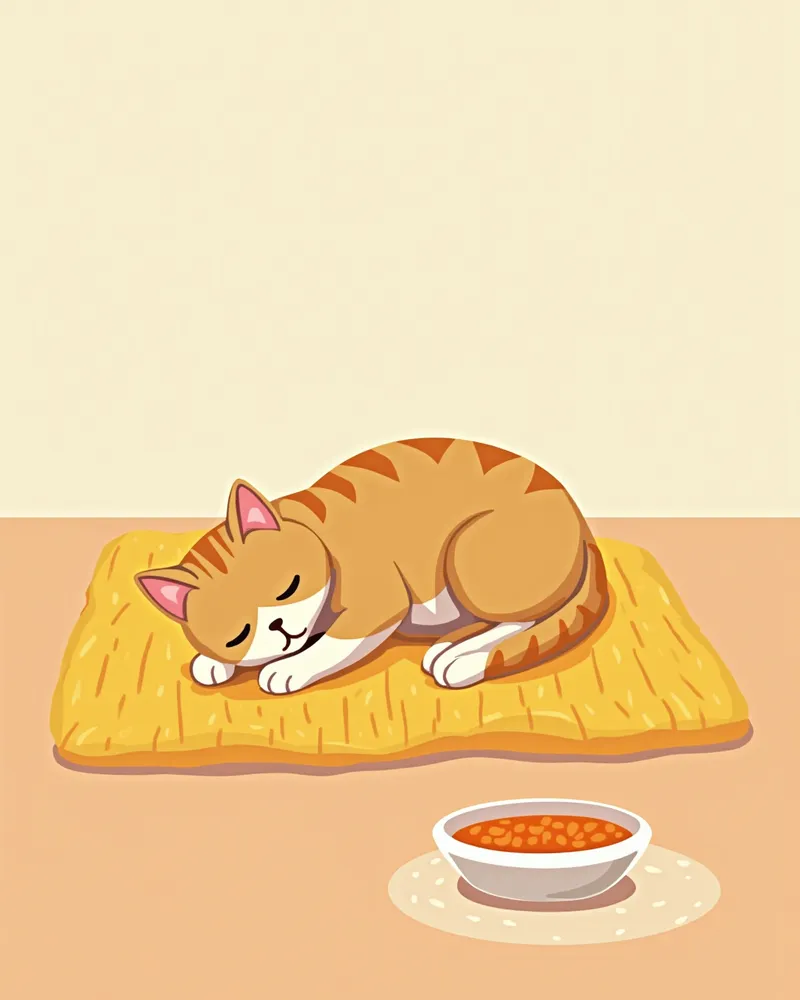
Keep infected cats in a separate, isolated area. Provide food and water frequently, and maintain a warm environment. If nasal discharge causes congestion, gently wipe the nose with a damp cloth. Administer medications exactly as directed by your veterinarian. Disinfect the environment regularly and minimize contact with other cats. Monitor your cat’s appetite, breathing, and eye condition daily. If symptoms worsen or your cat refuses to eat for more than 24 hours, seek veterinary care immediately. Reducing stress is also important during care.
An infected cat resting in a warm room

Comparison of responses by symptom severity

ItemMildModerateSevere
Key SymptomsMild nasal discharge, watery eyes, decreased appetitePersistent coughing, oral ulcers, fever (usually <40 degrees)Breathing difficulty, foaming at the mouth, no appetite
Treatment MethodHome care, hydrationMedication, veterinary visitHospitalization, oxygen supply needed
PrognosisRecovery possible within 1–2 weeksRequires 2–3 weeks of treatmentHigh risk of complications, early treatment essential

If symptoms worsen or persist, an immediate hospital visit is needed. If a fever of 40 degrees or higher persists or is accompanied by breathing difficulty, prompt medical care is absolutely necessary.

Reviewed by a veterinarian

Dr. Tony — Punnawat Phongkittirak

Dr. Tony — Punnawat Phongkittirak

Veterinarian

A veterinarian who majored in veterinary medicine at Khon Kaen University, Thailand, and completed the IVSA program at North Carolina State University in the United States. Drawing on clinical experience at animal hospitals, he works in the pet healthcare field and is dedicated to building a digital care environment that connects pet parents with veterinarians.

Frequently Asked Questions

Can feline viral upper respiratory infections be transmitted to humans?
FHV-1 and FCV are commonly known as pathogens that cause issues in cats. Rather than definitively determining whether they can spread to humans or other animals, it is safer to manage infected cats through strict hygiene practices and minimizing contact.
Can it be prevented with a vaccine?
Yes, there are vaccines for FHV-1 and FCV, and regular vaccinations can significantly reduce the risk of infection and the severity of symptoms. It's best to start vaccinating from kittenhood. However, even with vaccination, infection isn't completely prevented, so environmental management is also important.
Can my pet still carry the virus even after recovering?
Yes, some cats can remain lifelong carriers of FHV-1, with the virus lying dormant in the trigeminal ganglion even after recovery. The virus may reactivate during periods of stress or immune suppression, leading to clinical signs or viral shedding.
Can I raise this cat with other cats?
Isolate the infected cat. Minimize contact with other cats and thoroughly disinfect the environment. Even after recovery, separate care is necessary for a certain period. Particularly, more cautious management is required when dealing with cats that have low immunity.
Can missing a dose cause the condition to relapse?
Yes, missing doses or stopping the medication early can lead to viral reactivation or complications. Please follow your veterinarian's instructions and administer the medication exactly as directed. Consistent, regular dosing is especially important with famciclovir.

Share

Related Guides

References

[1] The Cat, Clinical Medicine and Management, 2nd Edition, 2020

[2] Clinical Medicine of the Dog and Cat, 4th Ed, 2021

[3] Canine and Feline Respiratory Medicine, 3rd Edition, 2019

This information is based on veterinary literature and does not replace diagnosis or treatment. Please consult a veterinarian for specific health concerns.

Metapet Co., Ltd. | CEO: Park Sung-yong | Business Reg. No. 417-88-02562 | Seoul, South Korea | Customer Center

Feline Viral Upper Respiratory Infection FAQ for Owners | Meongsiljang