
My Cat’s Heart Is Beating Fast — Warning Signs of Ventricular Tachycardia and When to Go to the Vet
Ventricular tachycardia in cats is a serious condition characterized by a rapid heart rate that can threaten heart function. Here’s a summary of key information pet owners should know.
What Is Ventricular Tachycardia in Cats?
What Are the Main Causes of Ventricular Tachycardia?
What Are the Main Symptoms of Ventricular Tachycardia?
Signs That Require an Immediate Vet Visit
If your cat suddenly collapses or loses consciousness, there is a very high risk of cardiac arrest due to ventricular tachycardia. This is a life-threatening emergency, so you must get to a veterinary clinic immediately. Likewise, if your cat is experiencing severe difficulty breathing or if their lips or gums turn blue, they need immediate treatment. The longer you wait, the more likely the outcome will be fatal.
How Is It Diagnosed?
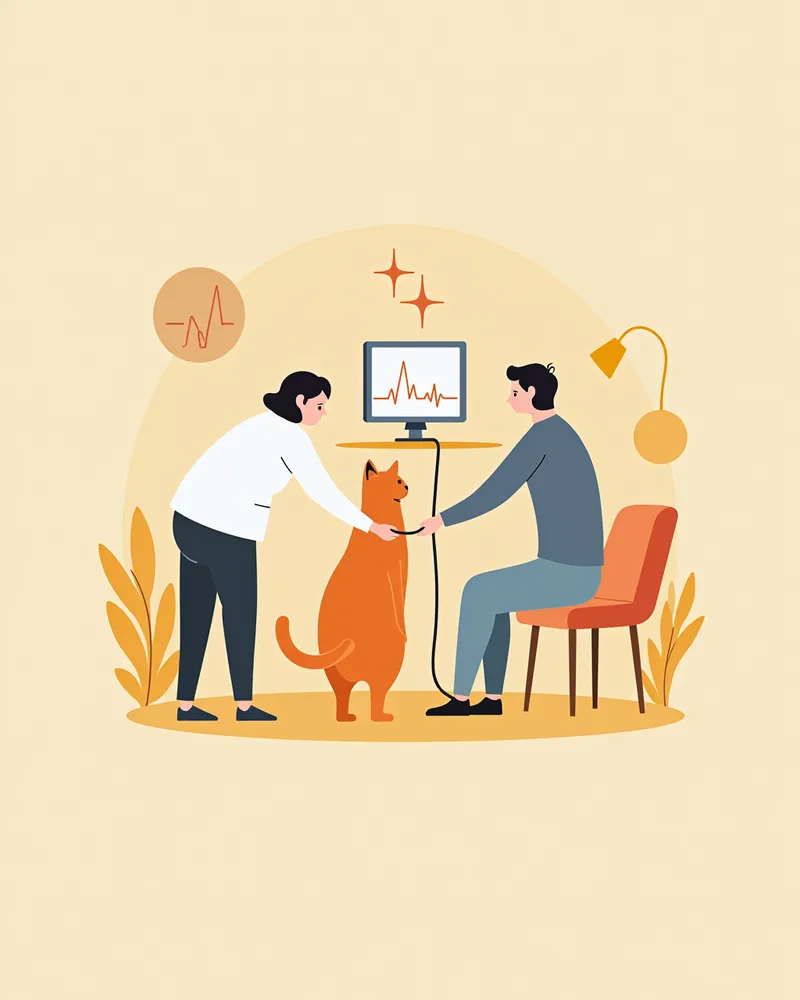
What Are the Treatment Options?
Comparison of Responses Based on Risk Level of Ventricular Tachycardia
| Item | Key Symptoms | Essential Measures | Prognosis |
|---|---|---|---|
| Mild | Rapid heartbeat, mild lethargy | Regular exams, medication adjustment | Begin management after consulting a veterinarian |
| Moderate | Risk of fainting, breathing difficulty | Immediate diagnosis, start medication | Regular monitoring required |
| Severe | Loss of consciousness, risk of cardiac arrest | Emergency hospital visit, prepare defibrillation | High risk, long-term management required |
Risk is judged based on the severity of symptoms and the degree of decline in cardiac function.
Key Management Points for Pet Owners to Follow
Caution: Ventricular Tachycardia in Cats Has a High Risk of Recurrence
Ventricular tachycardia can recur even with treatment, especially if there is an underlying condition, making ongoing management essential. Stopping medications or skipping regular check-ups can lead to sudden worsening. Close cooperation with your veterinarian is crucial, so please follow all treatment plans carefully.
Reviewed by a veterinarian

Dr. Tony — Punnawat Phongkittirak
VeterinarianA veterinarian who majored in veterinary medicine at Khon Kaen University, Thailand, and completed the IVSA program at North Carolina State University in the United States. Drawing on clinical experience at animal hospitals, he works in the pet healthcare field and is dedicated to building a digital care environment that connects pet parents with veterinarians.
Reviewed 2026-06-03
Frequently Asked Questions
Can ventricular tachycardia in cats be treated?
Is ventricular tachycardia common in cats?
Can ventricular tachycardia be fatal in cats?
Is there a genetic component to ventricular tachycardia?
Can you measure your cat’s heart rate at home?
Share
Related Guides

Coenzyme Q10 Benefits and Administration Guide

Dog Pulmonary Edema Warning — 7 Best Diuretics (Furosemide) for Heart Management
7 Best Prescription Diets for Feline Heart Disease Recommended by Veterinarians — Criteria for Choosing Low-Sodium Food
The Complete Guide to Endotracheal Intubation and Monitoring in Dogs and Cats

When is the best time to spay after giving birth?

When to Start Weaning Puppies and Kittens

Meaning of Dog Gaze and Icon-tact

Meaning and Behavioral Signals of the Play Bow

What Is My Cat Feeling Right Now? — Reading Emotional Signals Through Ear Position
What Does a Cat’s Purr Mean? — Meanings and Types by Situation
References
[1] Payne JR, Borgeat K, Brodbelt DC, et al. Risk factors associated with sudden death vs. congestive heart failure or arterial thromboembolism in cats with hypertrophic cardiomyopathy. J Vet Cardiol 17(Suppl 1):S318-S328, 2015.
[2] The Cat, Clinical Medicine and Management, 2nd Edition. Geri Lake-Bakaar. Elsevier, 2018.
[3] Small Animal Critical Care Medicine, 3rd Ed. Jaisser F, Farman N. Elsevier, 2016.