Like
Share
멍실장
고양이 비대성 심근병증 고양이(HCM) 증상과 원인, 진단·치료와 관리 포인트 총정리

Feline Hypertrophic Cardiomyopathy (HCM): Symptoms, Causes, Diagnosis, Treatment, and Management Essentials

HeartDiseasesMeongsiljang Veterinary Advisory Board

Feline hypertrophic cardiomyopathy (HCM) is a condition in which the heart muscle abnormally thickens, leading to impaired cardiac function. Genetic factors play a major role, making early detection and management essential.

What is Feline Hypertrophic Cardiomyopathy (HCM)?
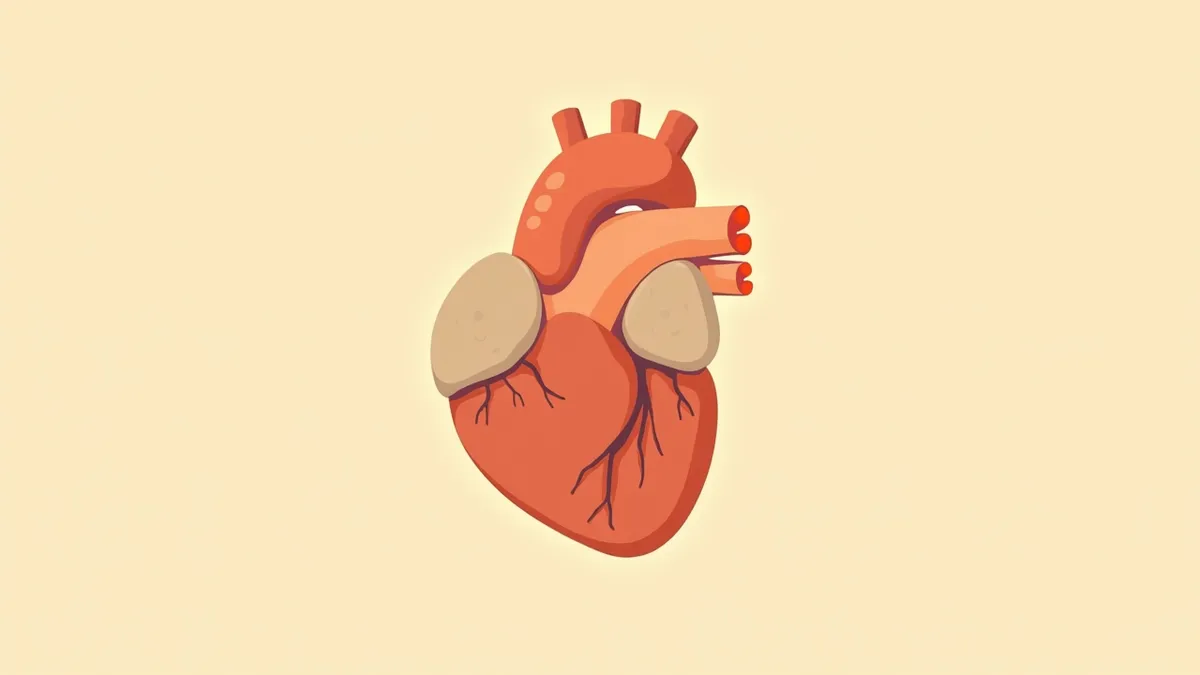
An anatomical illustration of a cat’s heart with thickened cardiac muscle
Feline hypertrophic cardiomyopathy (HCM) is a condition in which the muscle of the left ventricle abnormally thickens, impairing the heart’s ability to contract and relax properly. - Reduced cardiac function: The heart cannot pump blood effectively, leading to poor circulation. - Risk of heart failure: As cardiac function worsens, signs of heart failure such as pulmonary edema or pleural effusion (fluid accumulation in the chest cavity) may develop. - Potential for blood clot formation: Stagnant blood can lead to clot formation, which may block peripheral blood vessels and cause sudden paralysis. - Genetic factors: This condition is closely associated with MYBPC3 gene mutations, particularly in Maine Coon and Ragdoll cats. Early detection and consistent management help stabilize the condition and improve prognosis.

What are the main causes of HCM?

The primary cause of hypertrophic cardiomyopathy (HCM) in cats is genetic mutation. - MYBPC3 gene mutation: This genetic abnormality, identified in Maine Coon and Ragdoll cats, is a major cause of structural and functional abnormalities in the heart muscle (sarcomeres). - Inheritance pattern: HCM is inherited in an autosomal dominant manner with incomplete penetrance. Homozygous individuals may exhibit more severe symptoms at a younger age. - Onset timing: Even with a genetic mutation, early stages may be asymptomatic, making early diagnosis challenging. - Differential diagnosis: It is essential to distinguish HCM from other conditions that cause thickening of the heart muscle, such as hyperthyroidism, systemic hypertension, and acromegaly. - Age: Heterozygous individuals generally have a lower risk before the age of 4–5 years, with onset often confirmed as they age.
MYBPC3 gene mutations in Maine Coon and Ragdoll cats

Main Symptoms and Signs of HCM

Feline hypertrophic cardiomyopathy (HCM) often shows no obvious signs in its early stages. However, as heart function declines, the following symptoms may appear:
Difficulty breathing: Your cat may pant, breathe rapidly, or make coughing-like gasping motions.
Lethargy: Reduced activity levels and more frequent resting than usual.
Loss of appetite: Decreased interest in food or a sudden drop in food intake.
Sudden paralysis: Blood clots can cause hind leg paralysis or pain.
Abnormal heart rhythm: A faster or irregular heartbeat may be detected.
If you notice any of these symptoms, consult your veterinarian immediately.
A cat showing signs of respiratory distress

Signs Requiring Immediate Veterinary Visit

If your cat suddenly becomes paralyzed, experiences severe difficulty breathing, or has a very rapid heart rate, you should go to the vet immediately. This is likely due to the formation of a blood clot, which can lead to serious complications. Early treatment significantly increases the chances of survival.

How is HCM Diagnosed?
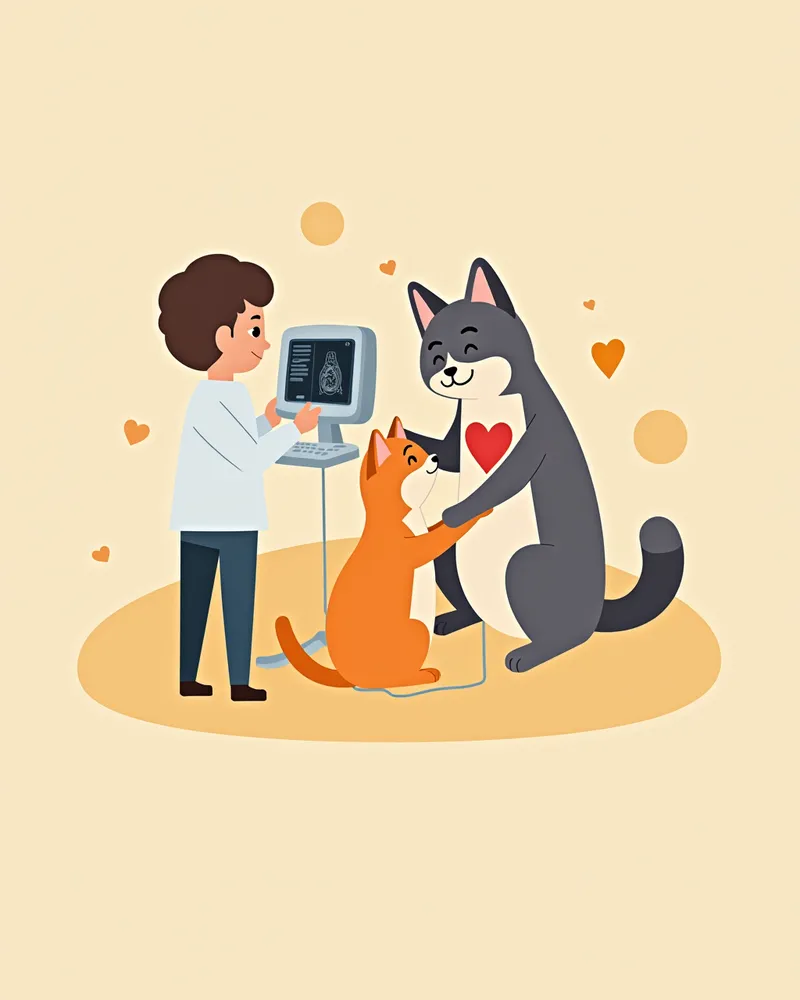
Feline hypertrophic cardiomyopathy (HCM) is accurately diagnosed through echocardiography (ultrasound of the heart). - Echocardiography: This test allows for real-time observation of the heart’s structure and function, making it the most sensitive and reliable method for diagnosing HCM and differentiating it from other heart diseases. - Electrocardiogram (ECG): This test checks for abnormalities in the heart’s rhythm. - Blood tests: These are necessary to rule out other causes of myocardial hypertrophy, such as hyperthyroidism. - Genetic testing: This can identify the MYBPC3 genetic risk in Maine Coon and Ragdoll cats, but it is not useful for other breeds. - Regular monitoring: Cats that test positive for the genetic marker are recommended to undergo annual echocardiographic screenings, even if they show no symptoms.
A veterinarian performing an echocardiogram on a cat

HCM Treatment and Management Methods

Feline hypertrophic cardiomyopathy (HCM) is difficult to cure, but symptom management can extend your cat’s lifespan. - Medication: Drugs are prescribed based on your cat’s condition to control heart failure symptoms and prevent blood clots. In asymptomatic stages, medication may not be necessary. - Heart failure management: If respiratory distress, pulmonary edema, or pleural effusion occurs, appropriate medications such as diuretics (furosemide) are used to manage symptoms. - Blood clot prevention: High-risk cats should consistently take antiplatelet agents like clopidogrel or aspirin. - Lifestyle adjustments: It is important to minimize stress and maintain a healthy weight. - Regular check-ups: Continuously monitor your cat’s condition through consultations and examinations with your veterinarian.
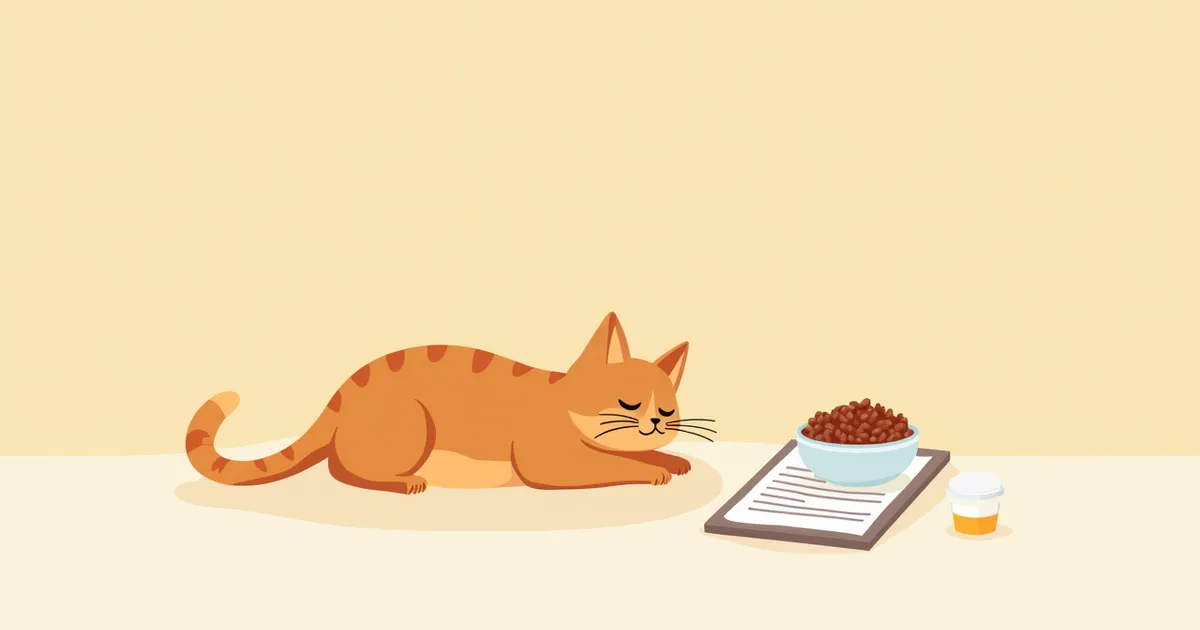
A cat taking medication

Home Management Points

Managing hypertrophic cardiomyopathy (HCM) in cats at home is crucial. - Maintain a quiet environment: Avoid sudden noises or changes, and ensure your cat has a stable, secure space. - Establish a consistent routine: Keep feeding, playtime, and sleep schedules regular. - Monitor diet: Prevent excessive calorie intake to avoid weight gain. - Medication management: Administer prescribed medications consistently at the same time each day to ensure no doses are missed. - Observe behavior: Check daily for changes in breathing, activity levels, and appetite.
A stress-free, stable environment for cats

Precautions for Maine Coon and Ragdoll Cats

Since genetic mutations for HCM are common in Maine Coon and Ragdoll cats, it is advisable to have them undergo genetic testing before adoption. Additionally, offspring of affected cats must be tested, and it is important to follow the management plan recommended by your veterinarian.

Reviewed by a veterinarian

Dr. Tony — Punnawat Phongkittirak

Dr. Tony — Punnawat Phongkittirak

Veterinarian

A veterinarian who majored in veterinary medicine at Khon Kaen University, Thailand, and completed the IVSA program at North Carolina State University in the United States. Drawing on clinical experience at animal hospitals, he works in the pet healthcare field and is dedicated to building a digital care environment that connects pet parents with veterinarians.

Frequently Asked Questions

Does HCM only occur in cats?
Hypertrophic cardiomyopathy (HCM) is the most common heart muscle disease in cats and has a strong genetic component. Although similar thickening of the heart muscle has been rarely reported in other animals, it is particularly prevalent in cats.
Is HCM treatable?
While a complete cure is difficult, symptoms can be managed and survival time extended through medication and proper care.
When is the best time to get a genetic test?
It’s best to get this test done before adopting or before symptoms appear, and it’s especially recommended for Maine Coon and Ragdoll cats. However, this test isn’t useful for other breeds.
Can cats with HCM go for walks?
Walks can be stressful, so it’s important to provide a quiet environment where your pet can move freely. Avoid excessive exercise.
What is the average life expectancy of a cat with HCM?
From the time of diagnosis, the median survival period is approximately five years, and for asymptomatic latent-stage HCM, some studies have reported a five-year survival rate of about 80%. However, the prognosis can vary significantly from one individual to another.

Comparison of Management Approaches by HCM Risk Level

ItemRisk LevelGenetic Test ResultMain Management Points
Low riskNegativeNormal heart functionMaintain routine care
Moderate riskHeterozygousLow risk before 4–5 years of ageAnnual echocardiography recommended
High riskHomozygousRisk of severe HCM at a young ageAnnual echocardiography, drug treatment if symptomatic

For Maine Coon and Ragdoll cats, management strategies differ depending on the genetic test result.

Share

Related Guides

References

[1] The Cat, Clinical Medicine and Management, 2nd Edition, 2022

[2] Small Animal Critical Care Medicine, 3rd Ed, 2021

[3] Textbook of Cardiovascular Medicine in Dogs and Cats, 2020

This information is based on veterinary literature and does not replace diagnosis or treatment. Please consult a veterinarian for specific health concerns.

Metapet Co., Ltd. | CEO: Park Sung-yong | Business Reg. No. 417-88-02562 | Seoul, South Korea | Customer Center

Feline HCM: Symptoms, Causes, Diagnosis & Treatment Guide | Meongsiljang