Like
Share
멍실장
고양이 비대성 심근병증 유전자 검사 증상과 원인, 진단·치료와 관리 포인트 총정리

Complete Guide to Feline HCM Genetic Testing — How to Know Before Symptoms Appear

HeartDiseasesMeongsiljang Veterinary Advisory Board

Hypertrophic cardiomyopathy in cats is a heart disease with a strong genetic component, making genetic testing especially important for Maine Coon and Ragdoll breeds. Early diagnosis and management can improve survival rates.

Genetic Testing for Feline Hypertrophic Cardiomyopathy: A Key Tool for Early Detection of Hereditary Heart Disease
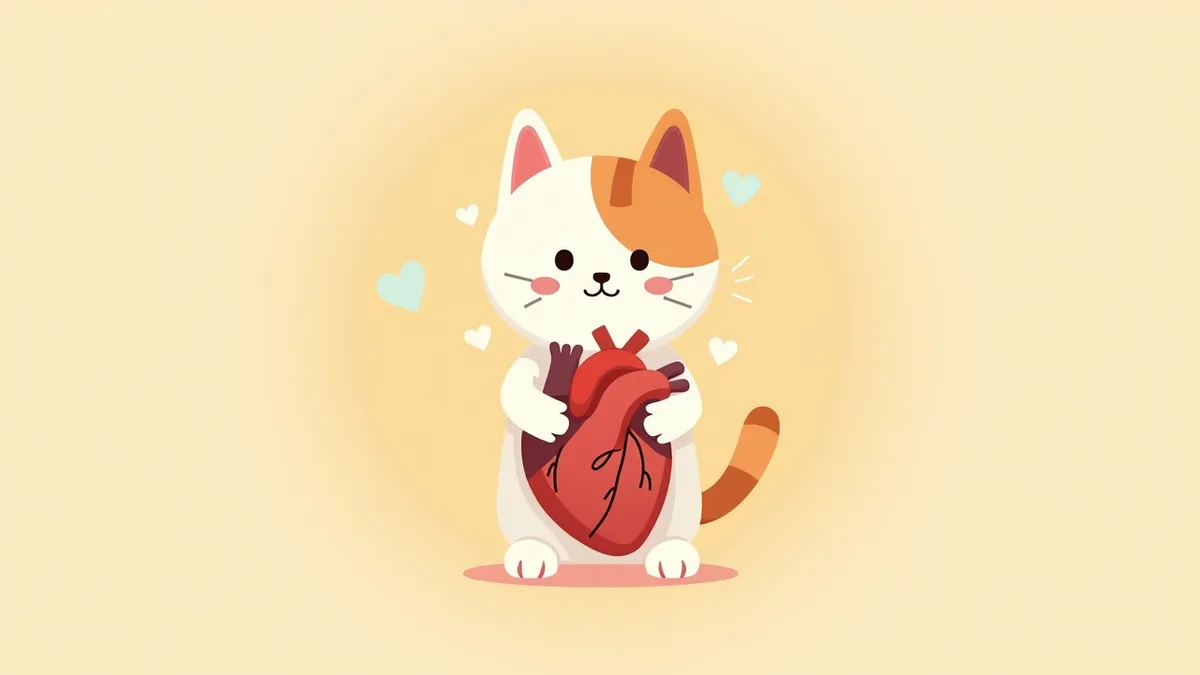
An anatomical illustration of a cat's heart with hypertrophic cardiomyopathy, highlighting the thickened heart muscle
Feline hypertrophic cardiomyopathy (HCM) is a hereditary condition characterized by abnormal thickening of the heart muscle. It is particularly prevalent in Maine Coon and Ragdoll cats, where mutations in the MYBPC3 gene—specifically the A31P variant in Maine Coons and the R820W variant in Ragdolls—are known to be primary causes. However, this disease follows an autosomal dominant inheritance pattern with incomplete penetrance and variable expressivity. - The role of genetic testing: While genetic testing can identify the presence of MYBPC3 mutations, a positive result does not guarantee that the cat will develop the disease during its lifetime, and a negative result does not entirely rule out future onset. Therefore, these tests are primarily used to inform breeding decisions. - Echocardiography is key to diagnosis: Since cats may remain asymptomatic, it is recommended that genetically affected cats undergo annual cardiac ultrasound examinations for ongoing monitoring. - Breeding considerations: For high-risk breeds such as Maine Coons and Ragdolls, both genetic testing and cardiac ultrasound should be considered together. Cats confirmed to exhibit the positive phenotype should be excluded from breeding programs. - The owner’s role: Collaborating with your veterinarian to consistently monitor your cat’s heart health is essential to maintaining their quality of life.

Genetic Factors Are the Primary Cause, Requiring Special Attention in Maine Coon and Ragdoll Cats
The underlying cause of hypertrophic cardiomyopathy in cats is genetic mutation, with the MYBPC3 gene mutation being the primary cause in Maine Coon and Ragdoll cats. However, incomplete penetrance means that not all cats with the mutation will develop the disease, and the severity of expression varies among individuals. - Significance of genetic testing: Identifying the presence of a mutation aids in risk assessment, but since the MYBPC3 mutation is found in only about 34–40% of Maine Coons and 17–23% of Ragdolls, other genetic and environmental factors also play a role. - Preventive management: Cats at high risk should be bred cautiously, and their condition should be managed through regular cardiac ultrasound examinations. - Maintaining healthy generations: Genetic testing is especially recommended for breeding purposes, and cats with a positive phenotype should be excluded from breeding programs. - Owner responsibility: It is important to develop an appropriate management plan based on genetic test and cardiac examination results. Please also note that this test is not useful for breeds other than Maine Coons and Ragdolls.
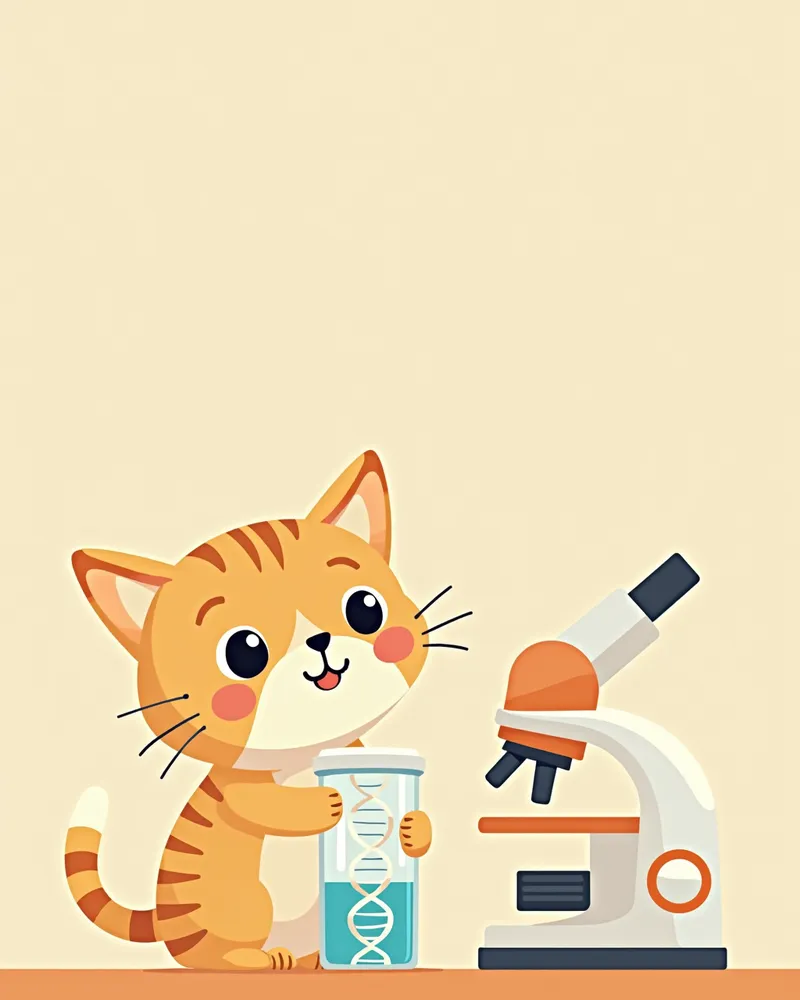
A scene of a gene testing laboratory analyzing a cat's DNA sample, with a glowing DNA strand.

Main Symptoms Include Severe Complications Such as Difficulty Breathing, Shock, and Sudden Death
The main symptoms of feline hypertrophic cardiomyopathy include difficulty breathing, shock, heart failure, and sudden death. Because early-stage symptoms are often minimal, early detection can be challenging. - Risk of symptoms: Rapid breathing or increased time spent sitting to rest may signal declining heart function. - Acute episodes: Sudden shock or death represents a severe complication, making immediate veterinary care essential. - Importance of early intervention: If symptoms appear, consult your veterinarian right away to begin diagnostic testing and treatment. - Caregiver vigilance: Don’t overlook changes in your cat’s behavior, and help prevent risks through regular health check-ups.
A cat experiencing difficulty breathing, panting and struggling

Emergency Signs Requiring Immediate Veterinary Visit

If your pet suddenly has difficulty breathing, their mouth or lips turn bluish, they collapse, their heart appears to be racing, or they show signs of sudden shock, take them to the vet immediately. These could be signs of cardiac arrest or acute heart failure. This is a life-threatening condition that requires urgent medical attention.

Diagnosis Is Accurately Confirmed via Echocardiography and Genetic Testing
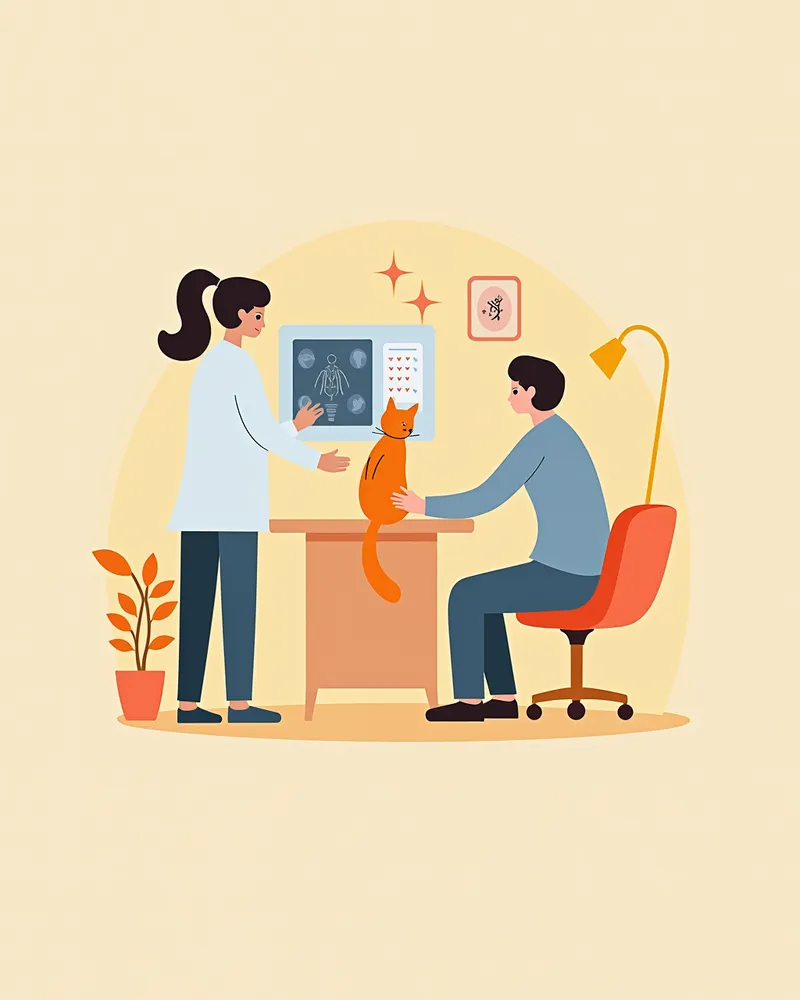
Feline hypertrophic cardiomyopathy is accurately diagnosed using echocardiography (cardiac ultrasound), which allows for a detailed assessment of heart muscle thickness and contractile function. - The role of echocardiography: This is the key diagnostic tool for real-time evaluation of structural and functional abnormalities in the heart. - Complementary value of genetic testing: In Maine Coon and Ragdoll cats, identifying MYBPC3 mutations helps determine the underlying genetic cause. - Comprehensive diagnostic strategy: Combining both tests enables early detection and precise diagnosis. - Regular monitoring: Based on test results, work with your veterinarian to establish a management plan and consistently monitor any changes in your cat’s condition.
A veterinarian performing an echocardiogram on a cat, with the heart image displayed on the monitor.

Treatment Focuses on Reducing Heart Burden Through Medication and Lifestyle Management
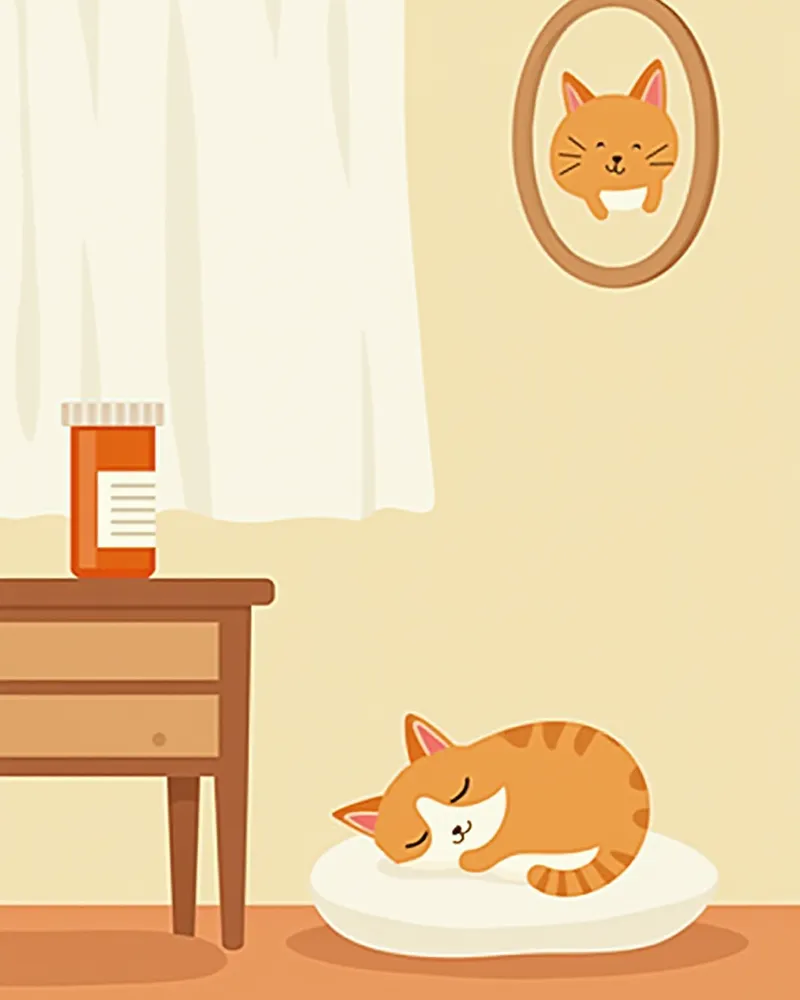
Treatment for feline hypertrophic cardiomyopathy involves a combination of medications to stabilize heart function and environmental management. - Medication: Medications such as beta-blockers, which reduce the workload on the heart, must be administered under veterinary guidance. - Stress Management: Minimize stress by avoiding loud noises, conflicts with other animals, and environmental changes, while providing a dedicated, secure space for your cat. - Activity Regulation: Avoid excessive exercise, ensure your cat rests in a quiet environment, and maintain a healthy body weight. - Regular Monitoring: Regularly consult with your veterinarian to adjust medication dosages and monitor your cat’s condition.
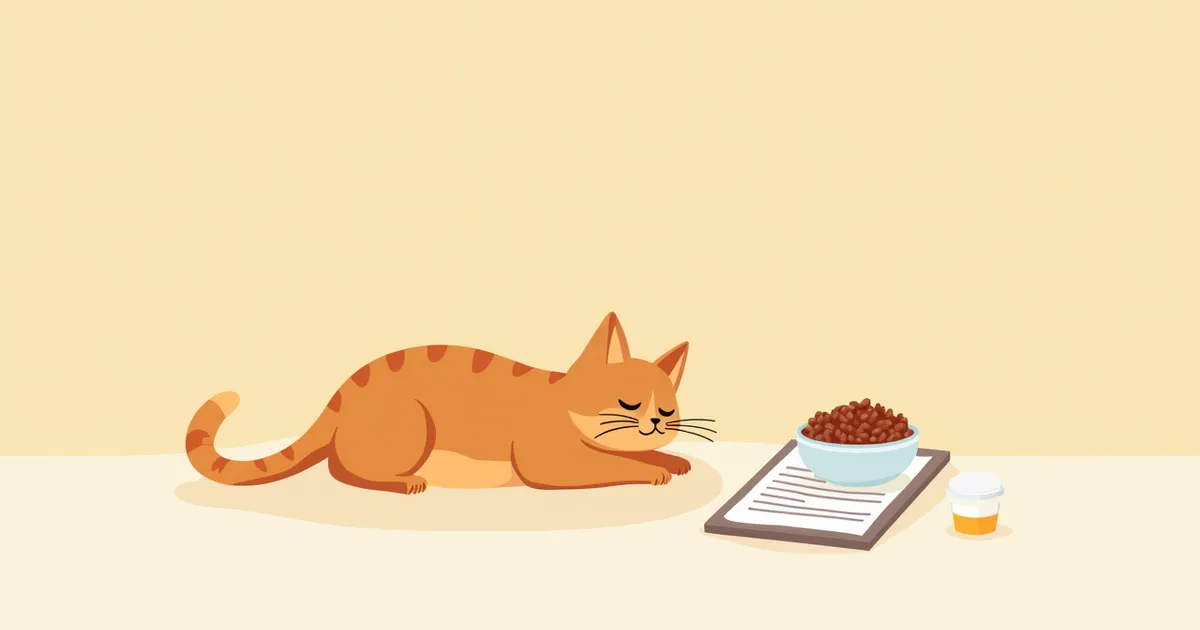
A cat resting comfortably in a quiet environment, with a bottle of medication placed on the table.

Home Management Prioritizes Stress Reduction and Regular Check-ups
The cornerstone of managing hypertrophic cardiomyopathy in cats at home is minimizing stress. - Create a stable environment: Provide a quiet, dedicated space for your cat and reduce external stimuli. - Regular check-ups: Consistently monitor your cat’s heart condition through regular veterinary visits. - Medication management: Administer medication consistently at the correct times and dosages, and report any changes immediately. - Enhance the owner’s role: Quickly recognizing behavioral changes and maintaining open communication with your veterinarian can help improve survival rates. - Long-term care: Managing this disease is not a short-term task; it requires ongoing attention and effort.
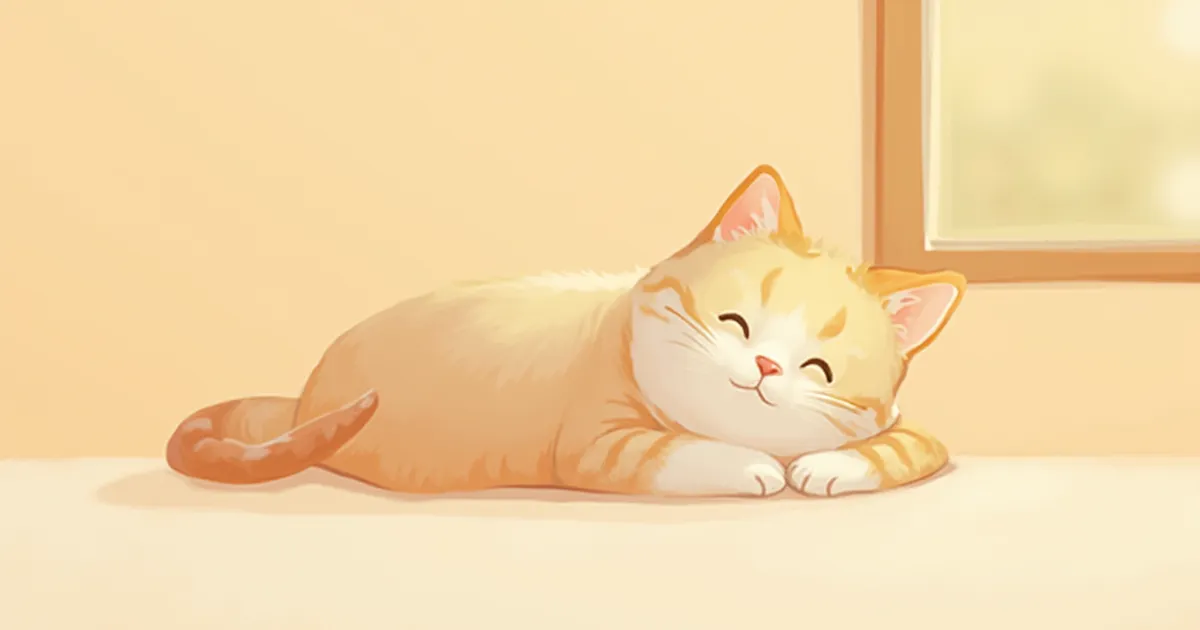
A cat resting quietly in a calm and comfortable environment, with an indoor space offering a view of the scenery outside the window.

Preventing Recurrence and Breeding Precautions for Maine Coon and Ragdoll Cats

In Maine Coon and Ragdoll cats, breeding must be strictly prohibited if genetic testing yields a positive result, as this is a crucial measure to prevent the disease from being passed on to the next generation. Additionally, even if genetic testing results are negative, immediate veterinary examination is essential if any signs of cardiac dysfunction appear, as early intervention significantly improves survival rates.

Reviewed by a veterinarian

Dr. Tony — Punnawat Phongkittirak

Dr. Tony — Punnawat Phongkittirak

Veterinarian

A veterinarian who majored in veterinary medicine at Khon Kaen University, Thailand, and completed the IVSA program at North Carolina State University in the United States. Drawing on clinical experience at animal hospitals, he works in the pet healthcare field and is dedicated to building a digital care environment that connects pet parents with veterinarians.

Frequently Asked Questions

When is the best time to have a cat undergo genetic testing for hypertrophic cardiomyopathy?
For high-risk breeds like the Maine Coon and Ragdoll, it’s a good idea to consider genetic testing, especially before planning to breed. However, since genetic testing alone can’t confirm whether the condition will develop, it’s safest to also have an echocardiogram.
What should I do if my dog shows symptoms of heart disease despite a negative genetic test result?
Even if a genetic test comes back negative, a heart ultrasound should be performed immediately if there are signs of abnormal heart function. Dogs with a negative genetic result can still develop the condition later in life, and there may be other unknown genetic or environmental factors at play.
Is this condition treatable?
While a complete cure is difficult, symptoms can be managed with medication and environmental adjustments when they do occur. However, there is currently insufficient evidence to support the effectiveness of treatment in the asymptomatic stage, making early detection and consistent management under veterinary guidance essential.
Can other breeds also develop this condition?
While most commonly recognized in Maine Coons and Ragdolls, this condition can also occur in other breeds such as Persians, Burmese, Siamese, and Norwegian Forest cats. Regular cardiac screenings are important for all cats.
How much does a genetic test cost?
The cost of the examination ranges from $70 to $100 and varies depending on the veterinary clinic. Please contact the clinic directly to inquire about insurance coverage.

Comparison Table of Feline Hypertrophic Cardiomyopathy Genetic Tests

ItemMaine Coon CatRagdoll CatOther Breeds
Gene testedMYBPC3 (A31P)MYBPC3 (R820W)Not identified
Need for testingVery highVery highLow (test not valid)
Genetic test characteristicsCan detect known mutationCan detect known mutationTest not valid
Test cost (approx.)$100$100$90

In Maine Coons and Ragdolls, the MYBPC3 gene mutation is known to be a major cause, but this mutation is confirmed in only about 34–40% of Maine Coons and about 17–23% of Ragdolls, so the disease can occur even without the mutation. Genetic testing is not valid in other breeds, and the diagnostic standard is echocardiography.

Share

Related Guides

References

[1] Textbook of Cardiovascular Medicine in Dogs and Cats, 2021

[2] The Cat, Clinical Medicine and Management, 2nd Edition, 2020

[3] Clinical Medicine of the Dog and Cat, 4th Ed, 2019

This information is based on veterinary literature and does not replace diagnosis or treatment. Please consult a veterinarian for specific health concerns.

Metapet Co., Ltd. | CEO: Park Sung-yong | Business Reg. No. 417-88-02562 | Seoul, South Korea | Customer Center

Feline HCM Genetic Testing: Detect Heart Disease Early | Meongsiljang