
If Only Your Dog’s Flank Hair Is Falling Out — Key Points on Seasonal Alopecia Symptoms, Diagnosis, and Management
Seasonal hair loss in dogs is a hormonal condition triggered by growth hormone sensitivity, causing shedding during autumn and winter. It typically presents as localized hair loss on the sides of the hind legs, and an accurate diagnosis at a veterinary clinic is essential.
What Is Seasonal Alopecia in Dogs (Growth Hormone Sensitivity)?
Causes and Mechanisms
Main Symptoms and Signs
When to Visit a Veterinary Clinic Immediately
If your pet experiences itching, rashes, or dermatitis in the hairless areas, or if the bald patches are gradually expanding, please visit a veterinary clinic immediately. These symptoms may indicate other underlying conditions, such as parasitic infections, bacterial or fungal infections, or immune-mediated diseases, making an accurate diagnosis by a veterinarian essential.
Accurate Diagnostic Methods
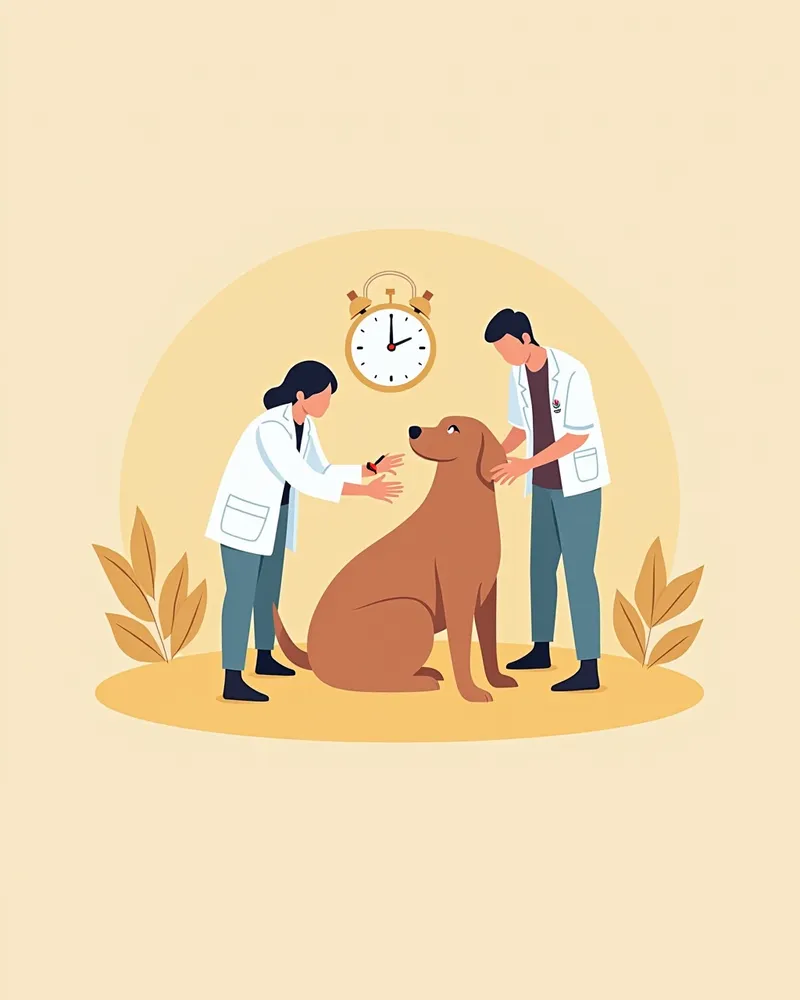
Treatment Methods and Step-by-Step Management
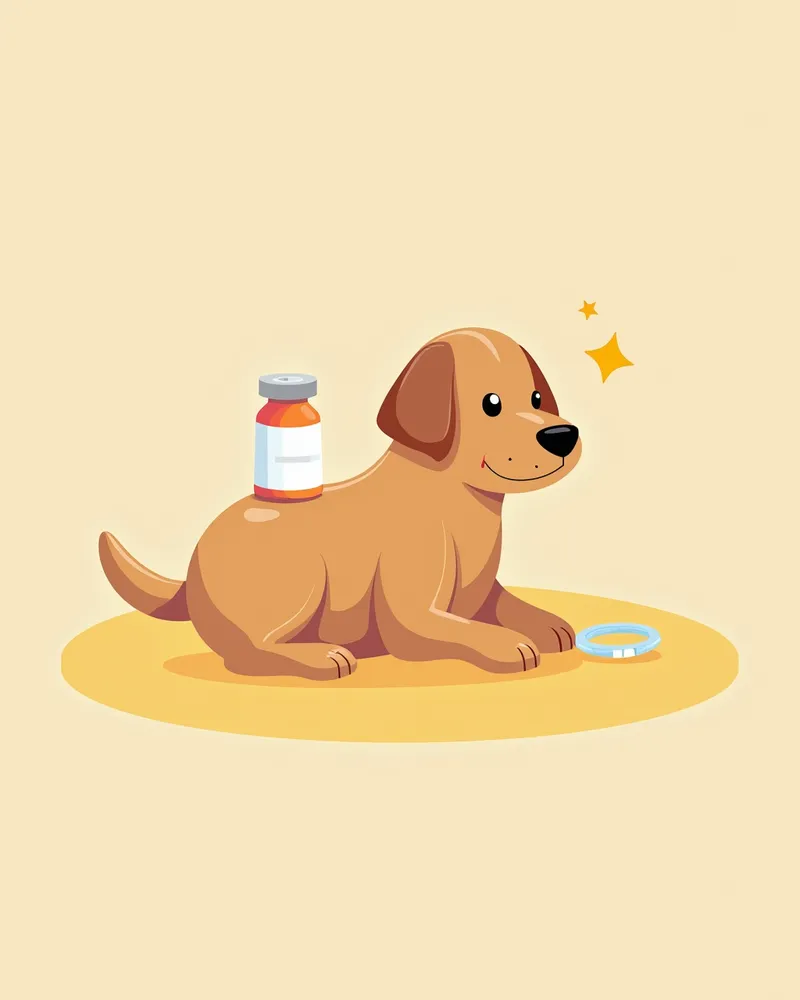
Home Care Points

Breed-Specific Precautions and Recurrence Prevention
Non-inflammatory alopecia in the Alopecia X spectrum is reported to occur more frequently in certain breeds, such as Nordic breeds and Poodles. Genetic predisposition often plays a role. Since this seasonal, recurrent hair loss can recur annually even without treatment, it is helpful to consult with your veterinarian each fall to establish a management plan. Early detection and proper management allow for clear differentiation from other diseases.
Reviewed by a veterinarian

Dr. Tony — Punnawat Phongkittirak
VeterinarianA veterinarian who majored in veterinary medicine at Khon Kaen University, Thailand, and completed the IVSA program at North Carolina State University in the United States. Drawing on clinical experience at animal hospitals, he works in the pet healthcare field and is dedicated to building a digital care environment that connects pet parents with veterinarians.
Reviewed 2026-06-02
Frequently Asked Questions
Can seasonal hair loss in dogs be treated?
Is this condition contagious to other dogs?
Is it normal for pets to shed during the fall?
Can symptoms improve with supplements alone?
When does the recurrence typically begin?
Share
Related Guides
Top 5 Prescription Dog Foods for Diabetes Recommended by Veterinarians — Blood Sugar-Stabilizing Food Comparison
7 Key Products for Managing Feline Hypercalcemia Recommended by Veterinarians and Selection Criteria
7 Key Points for Canine Thyroid T4 Testing by Veterinarians — From Timing to Result Interpretation
If Your Cat Suddenly Disappears — Causes of Hypertensive Heart Disease and When to Visit the Vet
Complete Guide to Feline HCM Genetic Testing — How to Know Before Symptoms Appear
Sudden Hindlimb Paralysis in Your Cat — Warning Signs of Aortic Thromboembolism and Emergency Treatment Timing

How Long Can Our Cat Live with Heart Disease? Key Factors Affecting Prognosis and Management
If Your Cat’s Abdomen Is Gradually Distending — When Feline Cardiac Ascites and Abdominocentesis Are Needed

Canine Ocular Ultrasound Examination — When Is It Needed and What Can It Detect?

If Your Dog Has Frequent Eye Discharge or Tearing — Safe Eye Cleaning Methods and Precautions
References
[1] Hill, P. (2023). 100 Top Consultations in Small Animal General Practice. Elsevier.
[2] BSAVA Manual of Canine and Feline Dermatology, 4th Ed. (2022). British Small Animal Veterinary Association.
[3] Plumb's Veterinary Drug Handbook, 9th Ed. (2023). Wiley-Blackwell.