
Why Is My Dog Constantly Chasing Its Tail? — Causes and Treatment Timing for Compulsive Tail Chasing
Canine compulsive tail chasing is a behavioral disorder characterized by repetitive, unnecessary tail-chasing behavior, often triggered by stress or underlying medical conditions. Accurate diagnosis and proper management are essential.
Canine Compulsive Tail Chasing Is a Repetitive and Unnecessary Tail-Chasing Behavior
The Causes of Compulsive Tail Chasing Are Stress, Genetics, and Neurological Abnormalities
Main Symptoms Include Repetitive Tail Chasing, Hair Loss, and Skin Wounds
Cases Requiring Immediate Veterinary Visit
Immediate veterinary care is necessary if you notice severe wounds, bleeding, or pus (indicating secondary infection) on the tail, if tail-chasing behavior persists and worsens over time to the point of interfering with daily life, or if seizure-like activity or other behavioral abnormalities occur alongside these symptoms. These signs may indicate neurological conditions such as partial seizures, severe pain, or skin infections. Prompt evaluation and treatment are especially important because ulcers caused by self-trauma often heal poorly.
Diagnosis Proceeds With Neurological and Skin Examinations
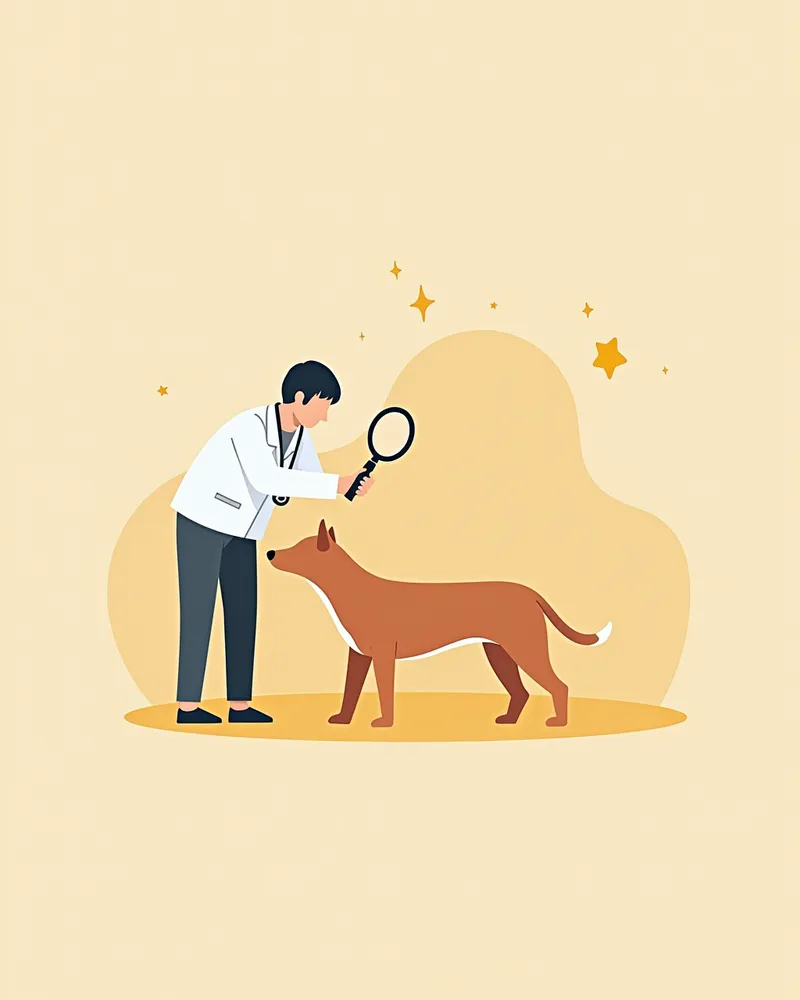
Treatment Proceeds in Stages With Medication, Behavioral Therapy, and Environmental Adjustments
At Home, Removing Stressors and Play Activities Are Important
Certain Breeds Have a Higher Risk of Compulsive Tail Chasing
Compulsive behaviors can occur in any breed, but spinning and tail-chasing are more commonly reported in Bull Terriers and German Shepherds. Self-injurious behaviors such as acral lick (excessive licking of the paws) are frequently seen in large breeds like Retrievers. Since genetic predisposition may play a role in these breeds, owners should monitor their pets’ behavior more closely. Because behavioral medications carry the risk of side effects with long-term use, veterinary evaluation and prescription are essential before starting drug therapy.
Reviewed by a veterinarian

Dr. Tony — Punnawat Phongkittirak
VeterinarianA veterinarian who majored in veterinary medicine at Khon Kaen University, Thailand, and completed the IVSA program at North Carolina State University in the United States. Drawing on clinical experience at animal hospitals, he works in the pet healthcare field and is dedicated to building a digital care environment that connects pet parents with veterinarians.
Reviewed 2026-06-01
Frequently Asked Questions
Could it be that your puppy is just playing chase with its own tail?
Will giving medication make the tail-chasing behavior stop?
How can I stop my dog from chasing its tail?
Can tail-chasing behavior recur?
Are there any precautions to keep in mind when using medication for tail-chasing behavior?
Share
Related Guides
7 Behavioral Enrichment Strategies for Mental Stimulation Recommended by Veterinarians

Top 5 Calming Supplements for Dogs and Cats in 2026

L-Theanine Effects and Calming Support
Chocolate Poisoning Symptoms and Emergency Response
Symptoms and Surgery for Pyometra in Dogs
Canine Bladder Transitional Cell Carcinoma: Symptoms, Causes, Diagnosis, Treatment, and Management Essentials
Feline Urine Specific Gravity Test: Symptoms, Causes, Diagnosis, Treatment, and Management Essentials
Feline Urethral Stricture: Symptoms, Causes, Diagnosis, Treatment, and Management Essentials
Feline Urethral Obstruction: A Complete Guide to Symptoms, Causes, Diagnosis, Treatment, and Management
Cat Bladder Nerve Stimulation Therapy: Symptoms, Causes, Diagnosis, Treatment, and Management Points Summary
References
[1] Bain, M.J. and Fan, C.M. (2012). Animal behavior case of the month. J. Am. Vet. Med. Assoc. 240 (6): 673–675.
[2] Denerolle, P., White, S.D., Taylor, T.S., and Vandenabeele, S.I.J. (2007). Organic diseases mimicking acral lick dermatitis in six dogs. J. Am. Anim. Hosp. Assoc. 43 (4): 215–220.
[3] Hewson, C.J., Luescher, U.A., and Ball, R.O. (1999). The use of chance-corrected agreement to diagnose canine compulsive disorder. Can. J. Vet. Res. 63 (3): 201–206.